
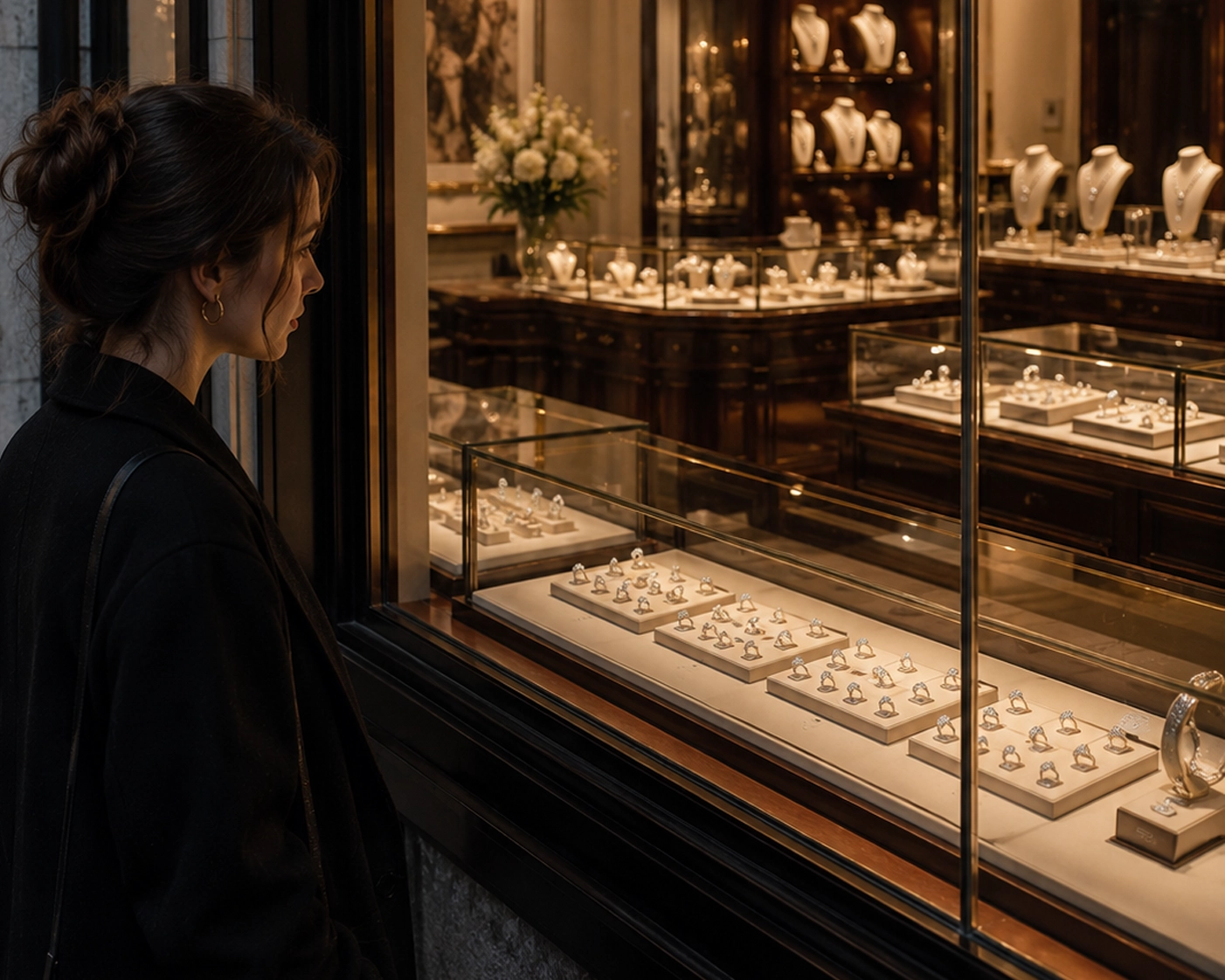
Which Should You Choose for an Engagement Ring?
Here is the quiet truth behind almost every engagement ring conversation in America right now: she wants a big, beautiful stone — and he has looked at the price of a natural one that size and felt the floor drop.
For decades there was no way around that tension. If you wanted the look, you paid for the carats, full stop. So couples compromised — a smaller natural stone, or a bigger budget, or a quiet bit of debt nobody talked about. Then, almost overnight, a third option grew up and took over the whole market.
In 2025, lab-grown stones made up 61% of all engagement rings sold in the United States. Five years earlier it was a rounding error.
That is not a trend. That is a market flipping on its axis. So let’s talk honestly about what changed, what the difference actually is, and how to choose — without the sales pitch from either side.
First — are they even real diamonds?
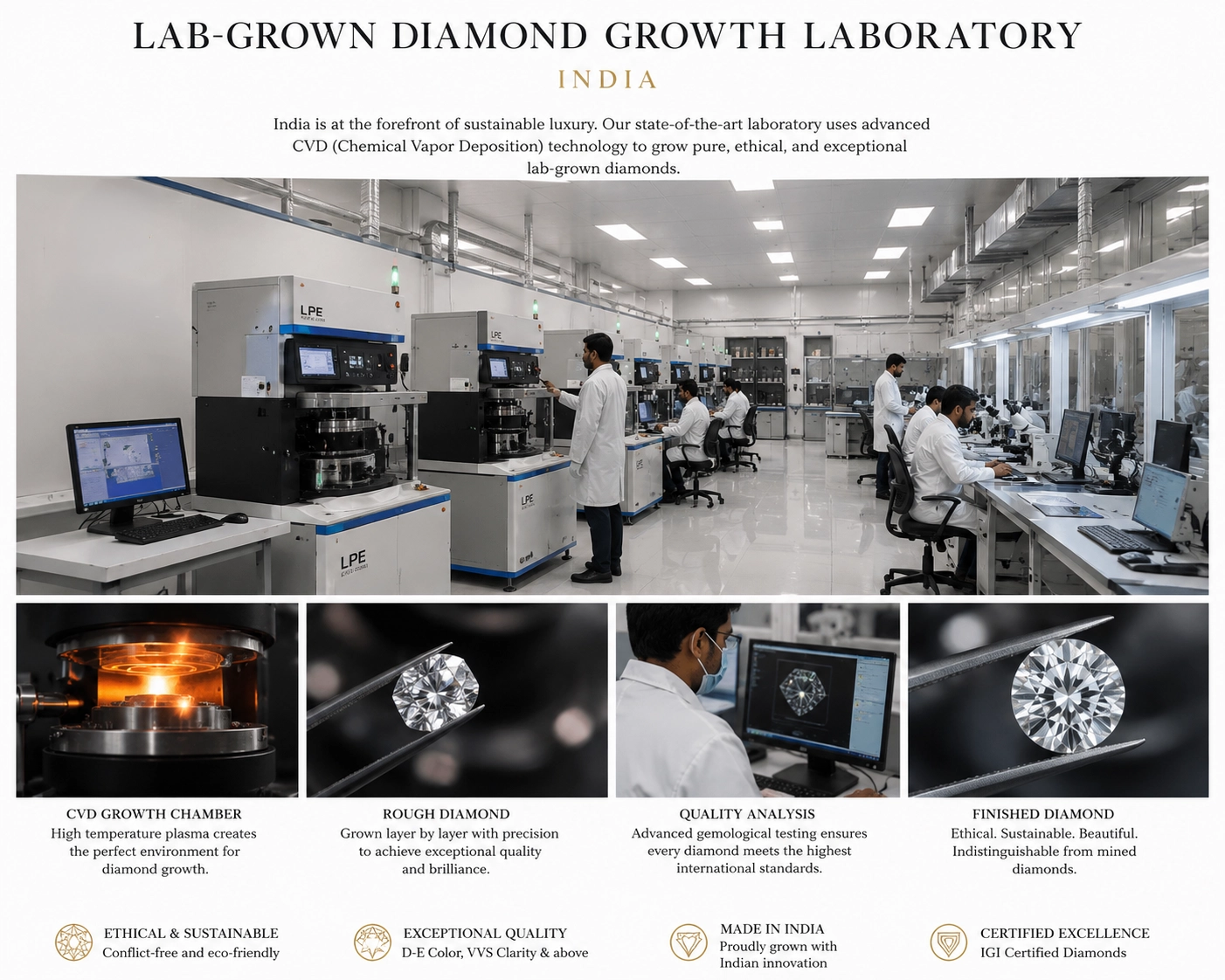
Yes. This is the part that still surprises people. A lab-grown diamond is chemically, physically and optically a diamond — the same carbon structure, the same hardness, the same fire and sparkle. It is not a “fake” or a substitute like cubic zirconia or moissanite. The only real difference is origin: one formed over a billion years underground, the other grew in a few weeks in a machine that recreates the same heat and pressure.
A jeweler cannot tell them apart by eye. It takes specialist equipment to distinguish the two. So when someone says a lab-grown diamond “isn’t a real diamond,” they are talking about its history, not its physics.
Why America switched so fast
One word: size. America has always loved a stone that announces itself — the bigger the better. But natural diamonds got expensive enough that the size people actually wanted slipped out of reach for most couples. Lab-grown didn’t change what people wanted. It just made the wanted thing affordable.
Read those numbers again, because they explain everything. For roughly a quarter of the price, you can have a noticeably bigger stone. And couples aren’t just pocketing the difference — many spend the savings going larger and higher in quality than they ever could have with a mined stone. The same money that bought a modest natural solitaire now buys the showstopper she actually pictured.
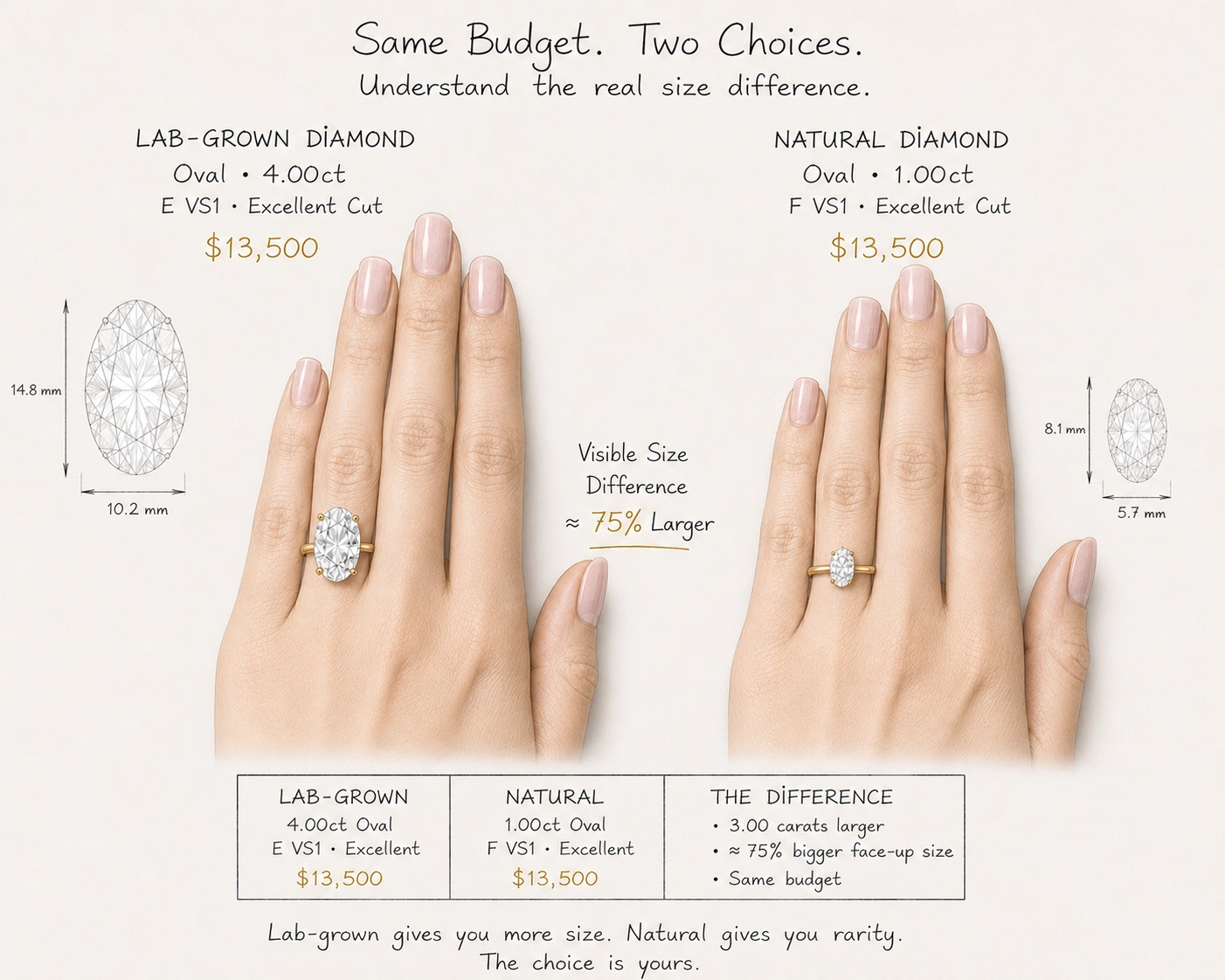
The generational split makes it even clearer. Roughly two-thirds of Gen Z engagement-ring buyers now choose lab-grown. For them it was never a compromise or a “lesser” choice — it’s simply the obvious one. Same diamond, better size, a fraction of the cost. Why wouldn’t you?
So is there any reason to choose natural?
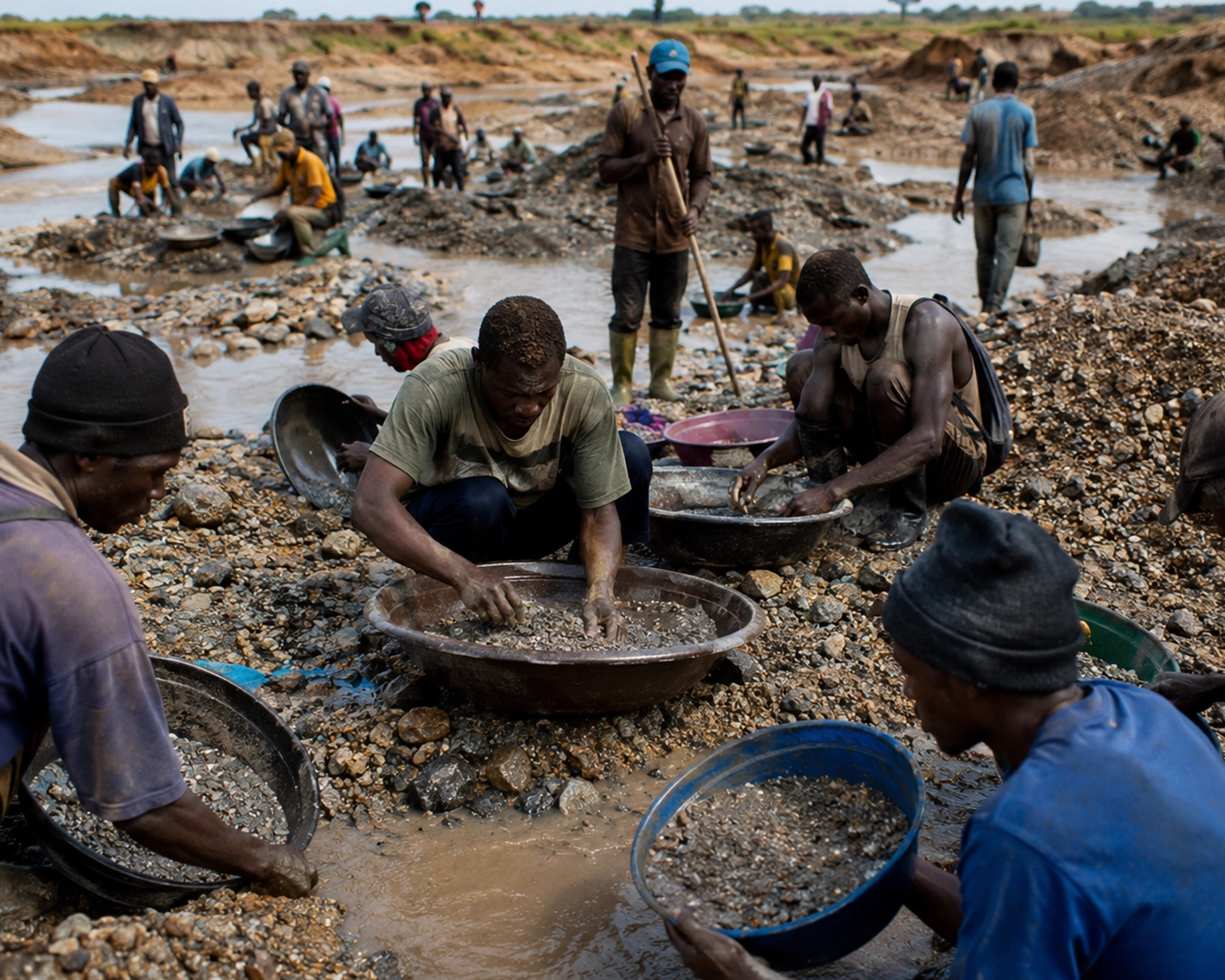
Yes — and it’s worth being honest about it. A natural diamond carries something a lab-grown one can’t manufacture: rarity, and the romance of a stone that took a billion years to form. For some people that origin story matters deeply, and no spec sheet talks them out of it. There is also resale and heirloom value — natural diamonds hold their worth in a way lab-grown stones, which keep getting cheaper to produce, do not.
That last point is the one most people miss. A lab-grown diamond is wonderful to wear, but don’t buy it as an investment. Its price will likely keep falling. Buy it because it’s beautiful and you’d rather have the bigger stone and the smaller bill — which, for most couples, is exactly the right reason.
How to actually decide
Forget which one is “better.” They’re different tools for different priorities. Choose lab-grown if you want maximum size and sparkle for your money, if you like that it’s a kinder choice for the planet, and if resale value is genuinely irrelevant to you (it should be — you’re not planning to sell it). Choose natural if the billion-year story moves you, if heirloom and resale value matter, and if the idea of rarity is part of what makes the ring feel meaningful.
There is no wrong answer here. There’s only the stone that fits the two people choosing it. A ring isn’t a status test you pass or fail — it’s a small object you’ll look at every day for the rest of your life. It should feel like yours.
Whichever way you lean — big and brilliant, or rare and romantic — the right ring is the one that feels like the two of you.
Browse all ringsSkai is the founder of willyoulove.me — a curation site where every engagement ring is handpicked and categorised by profession, style and stone. No algorithms. No brand deals. Just beautiful rings, chosen with intention.