Profession matters · 2026 guide
Engagement rings
for accountants.
She’s precise, reliable, and quietly brilliant. She keeps things running smoothly behind the scenes — and she brings that same standard to every decision she makes. Including this one.
See the collection ↓
Why profession matters
The ring that survives
tax season.
An accountant approaching a ring purchase applies the same rigour she brings to everything else: what are the specifications, what are the trade-offs, what’s the long-term value? She’s not looking for the most impressive option — she’s looking for the right one.
Clean lines, quality materials, a design that holds up as well in a client meeting as it does at year-end close when she’s been at her desk for eleven hours.
She’s not looking for the most impressive option — she’s looking for the right one. And those are two very different things.
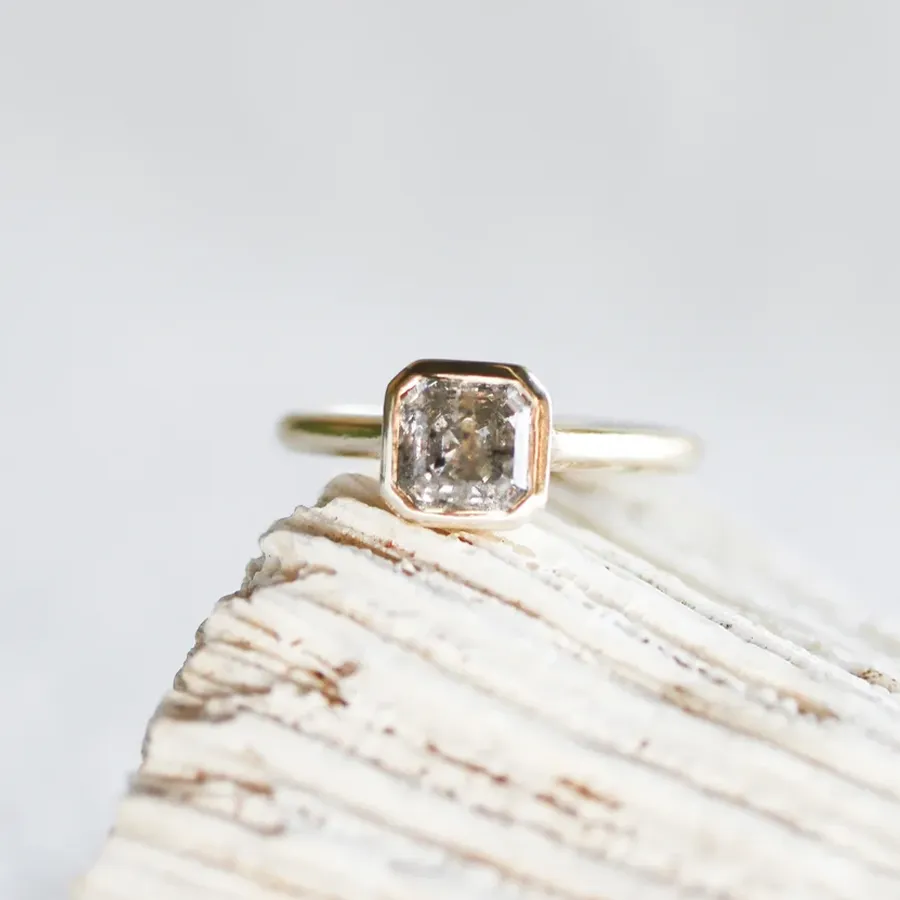
Every ring in this collection is personally chosen with exactly that balance in mind: minimalist, elegant, and built for someone who knows the difference between something that merely looks good and something that actually is.
What to look for
Four things that matter
for financial professionals.
01
Keyboard comfort — tax season is real
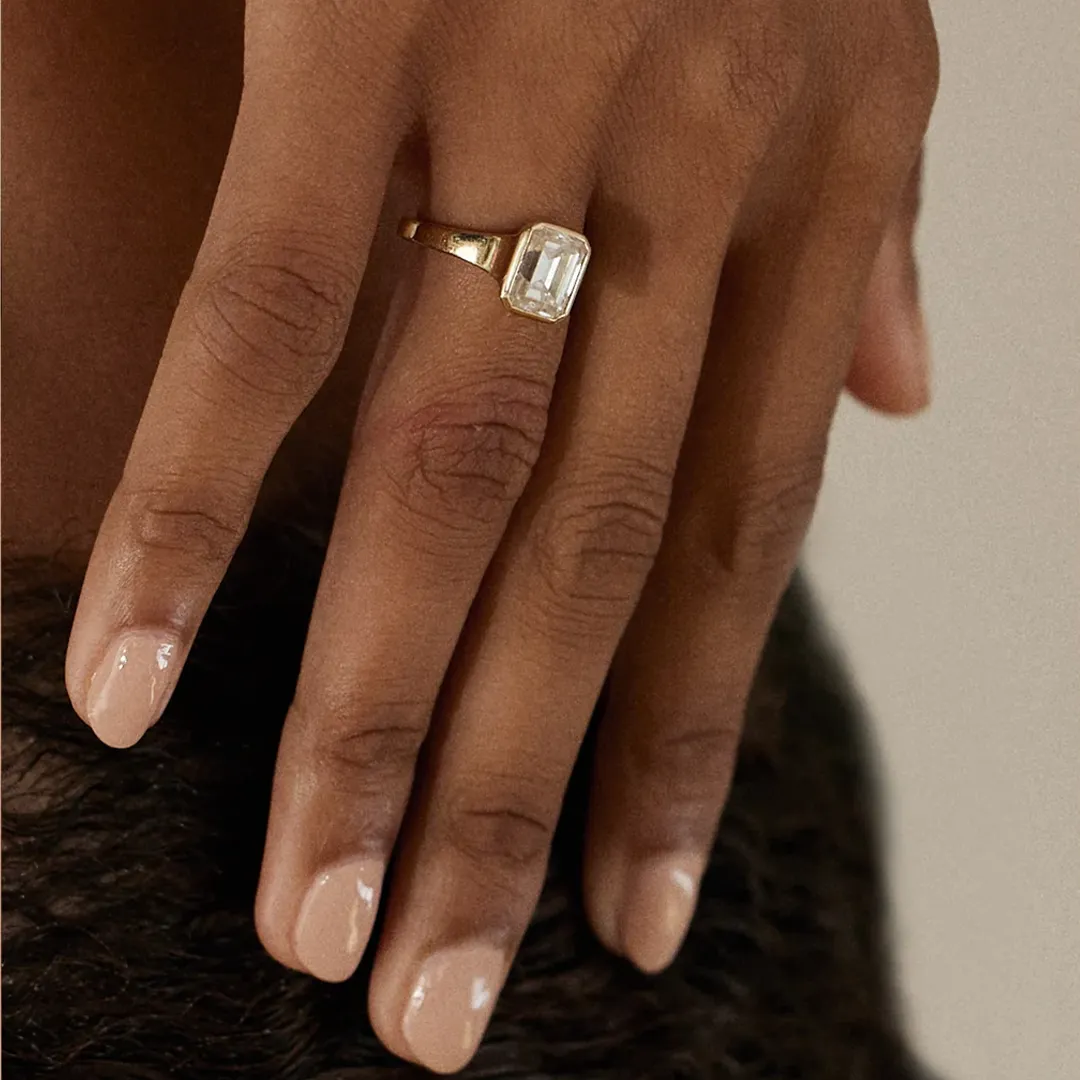
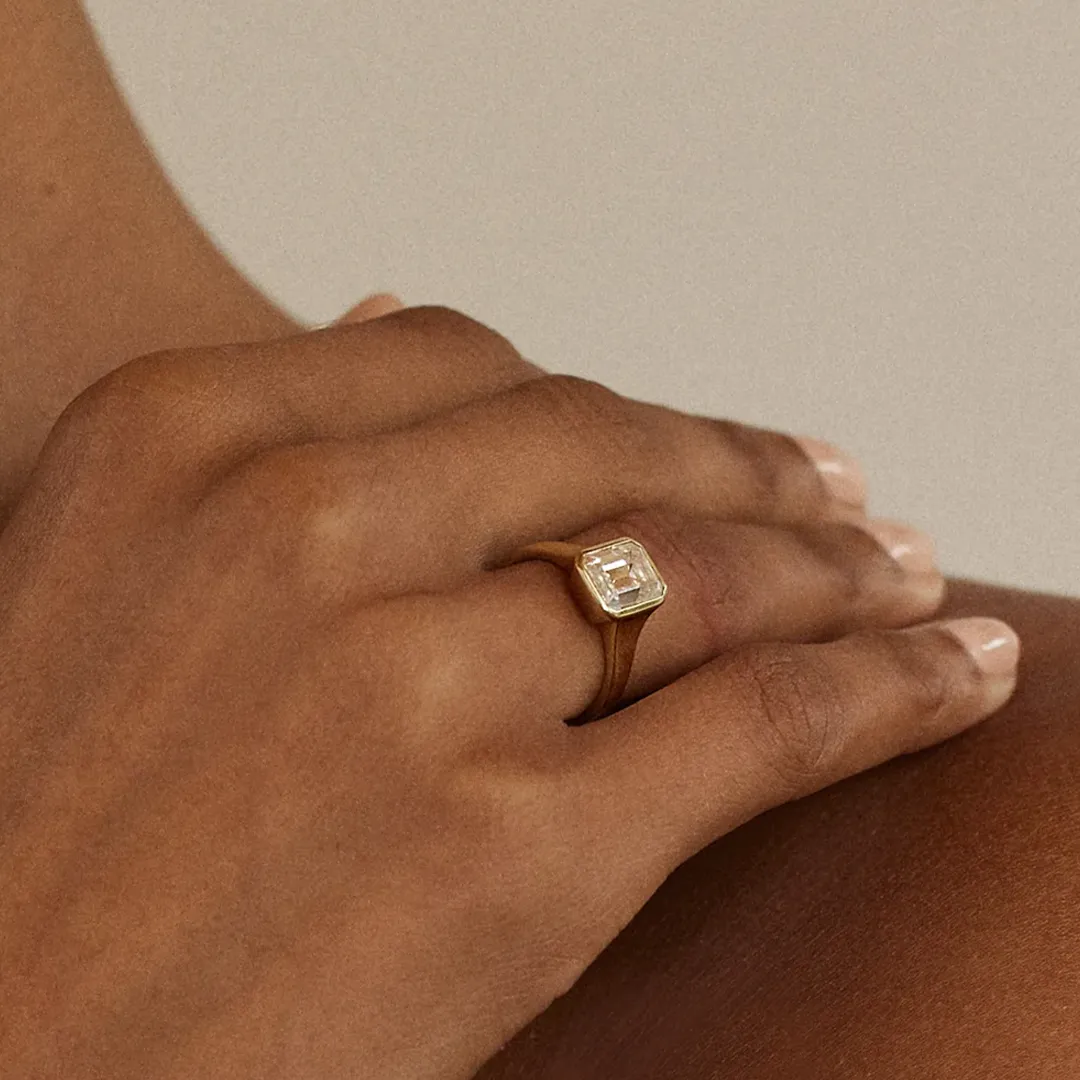
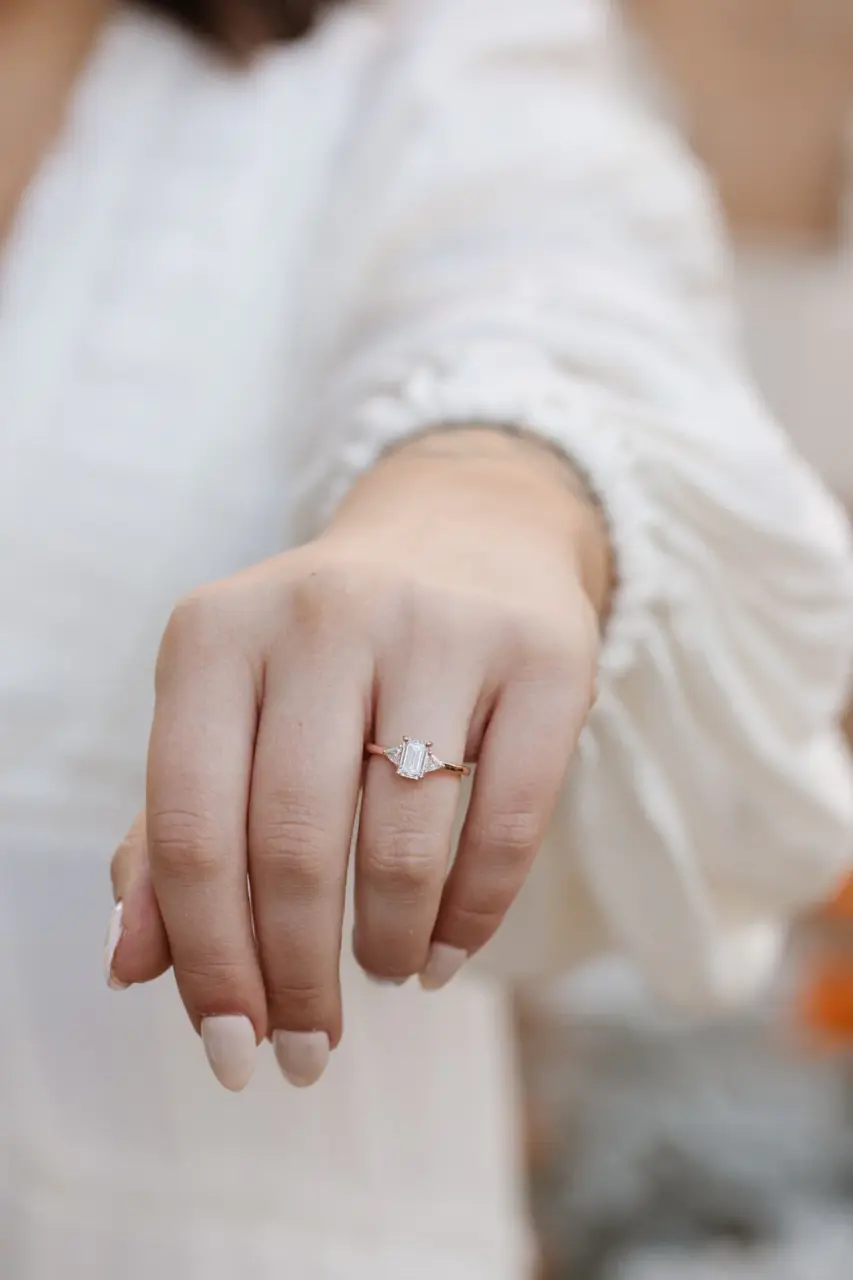
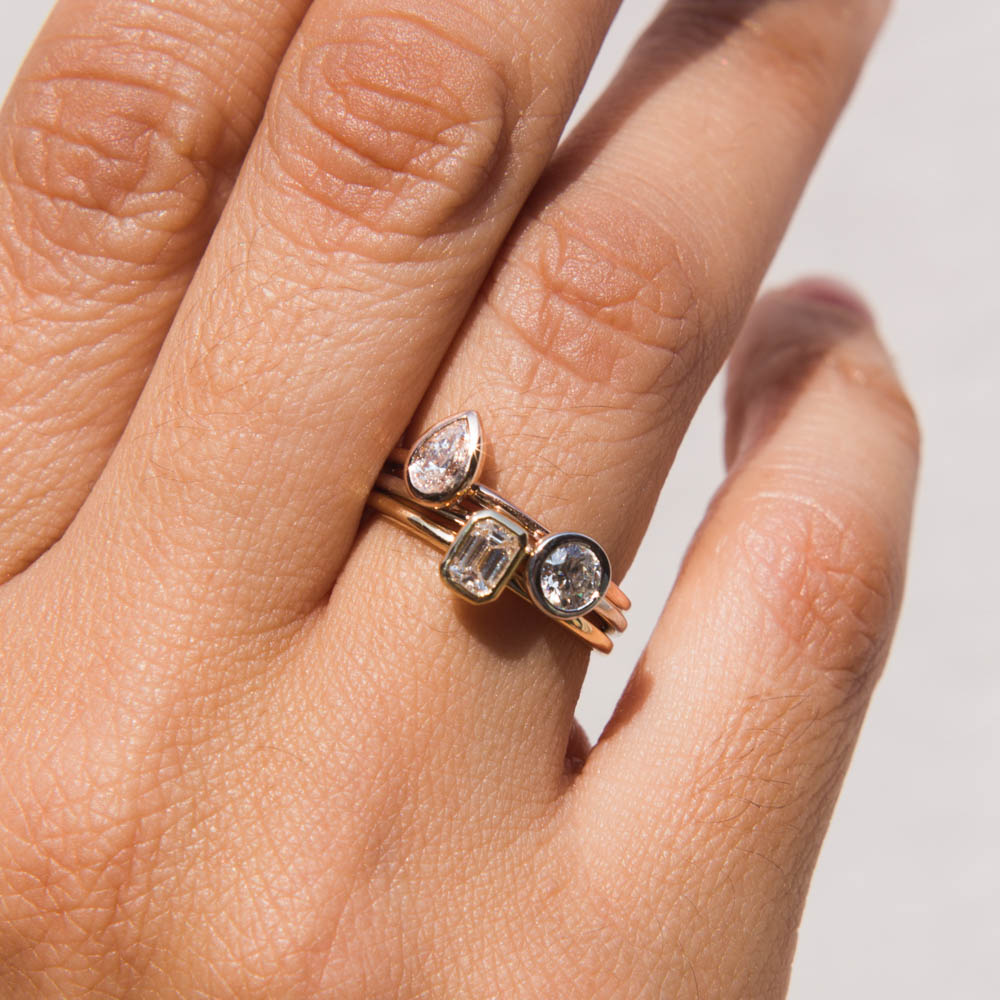
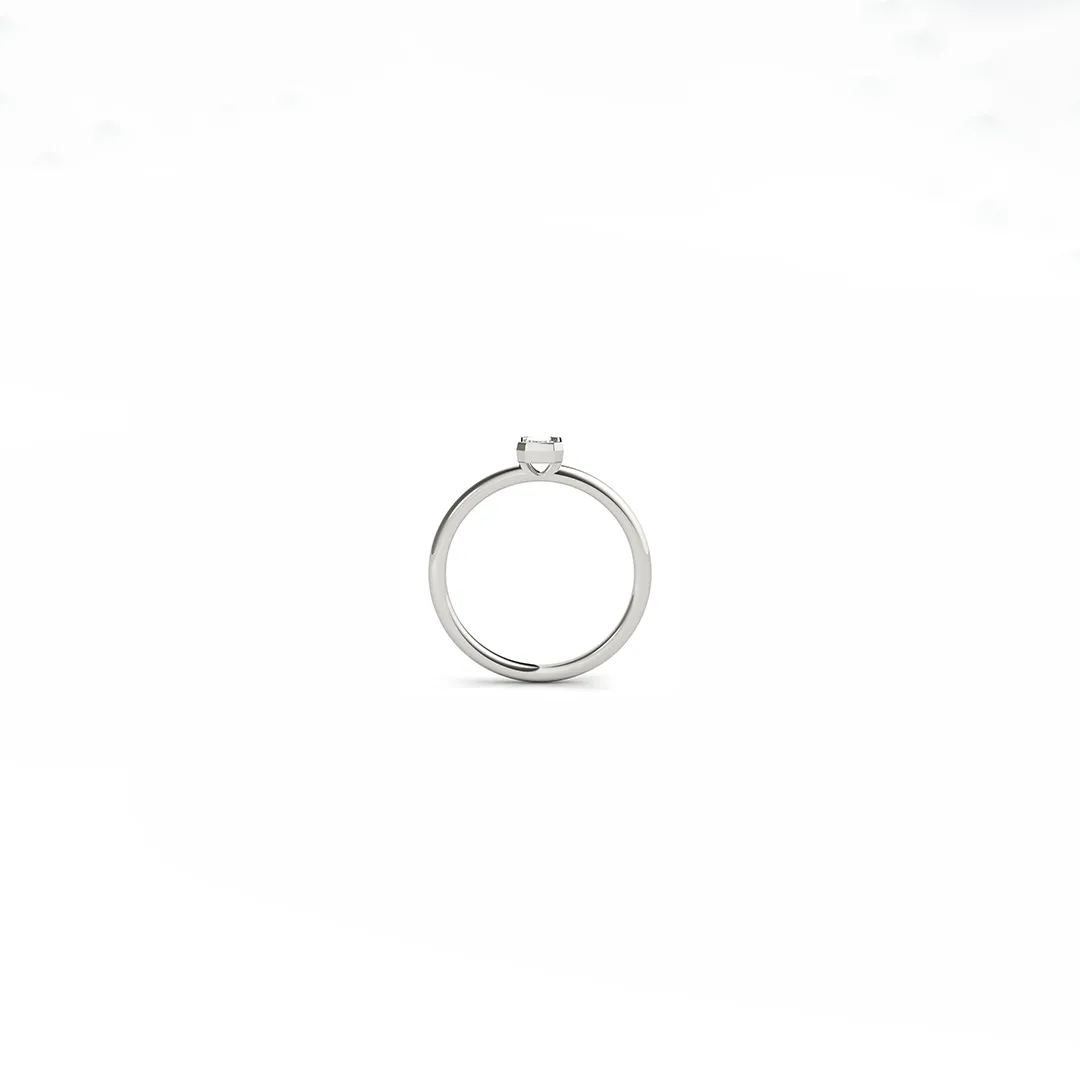
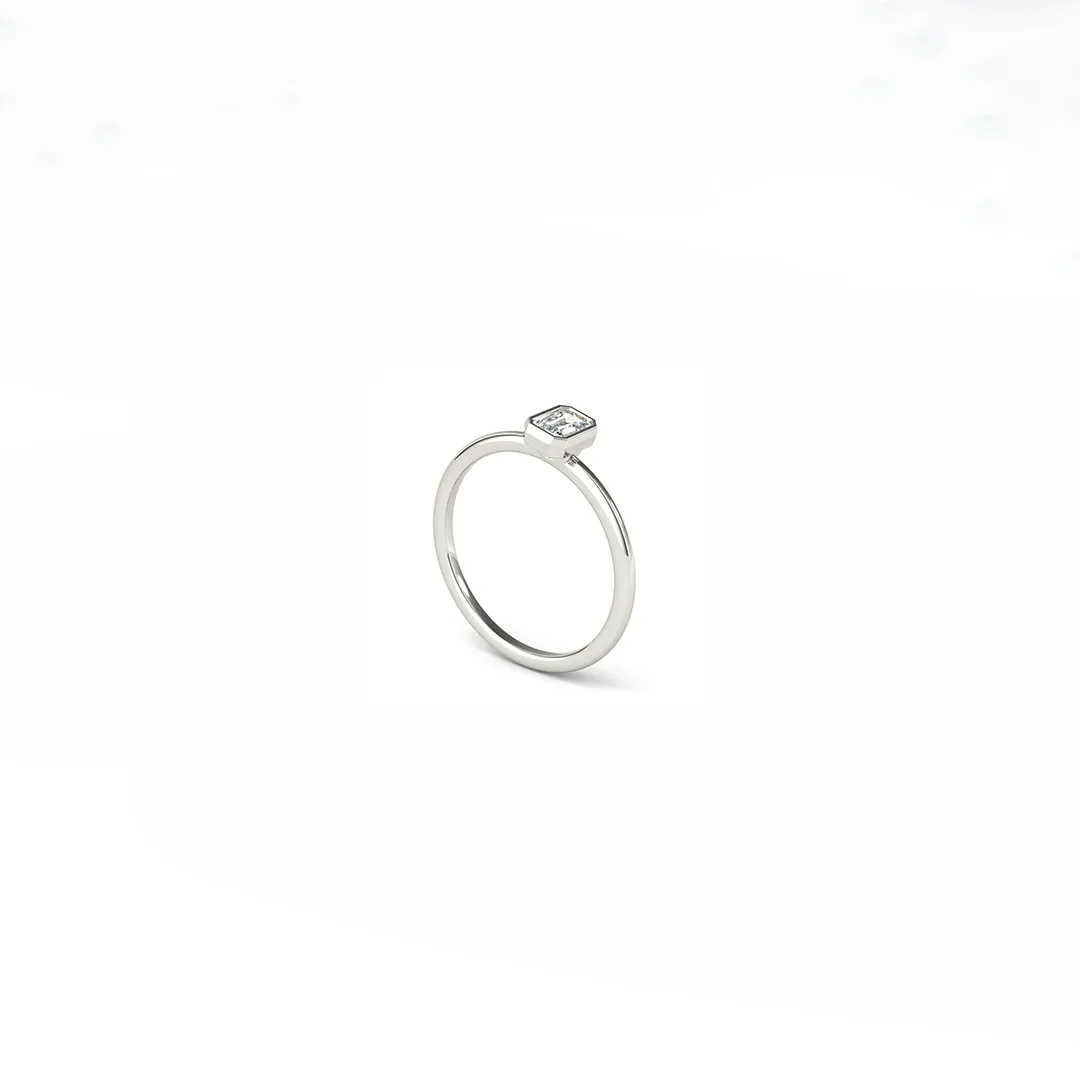
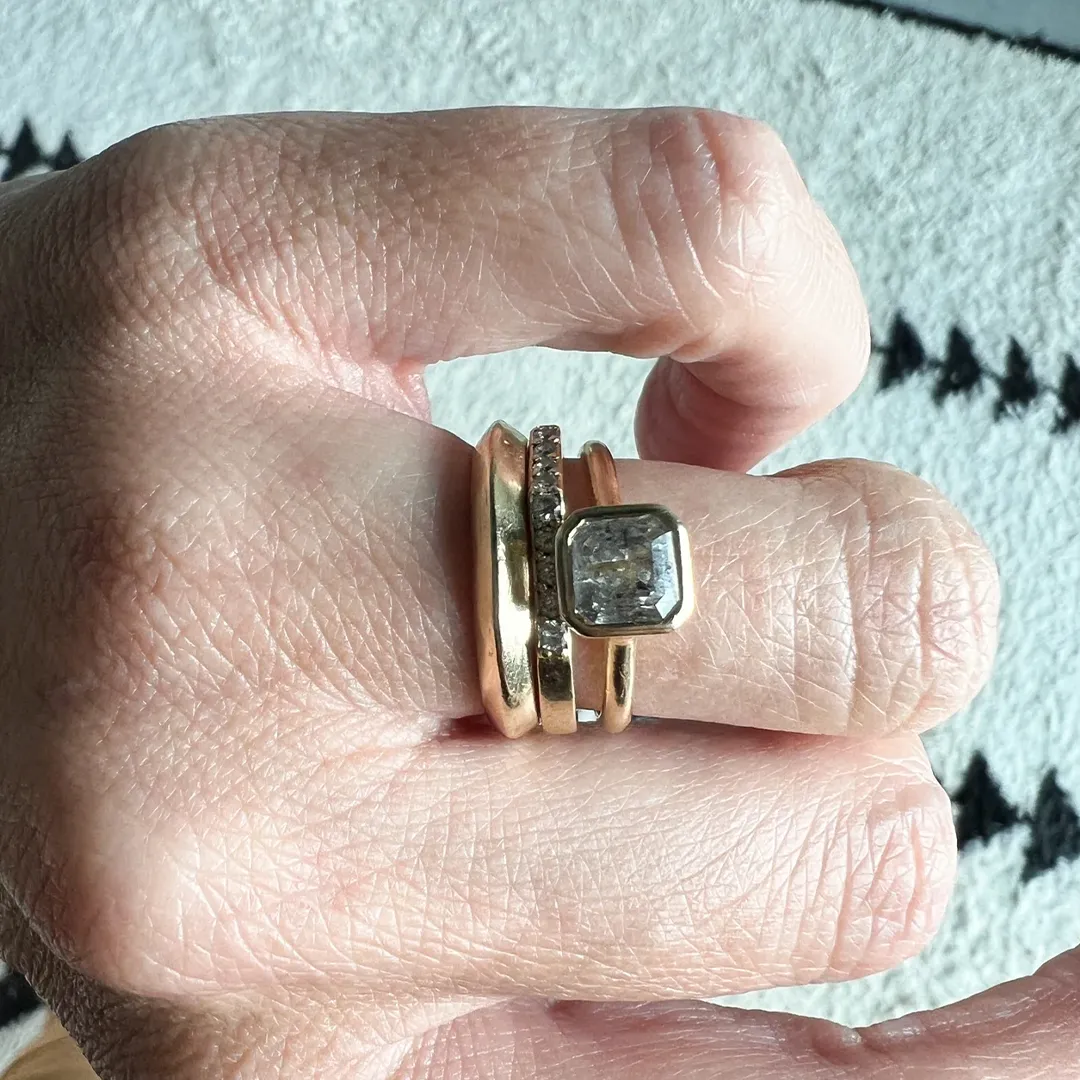
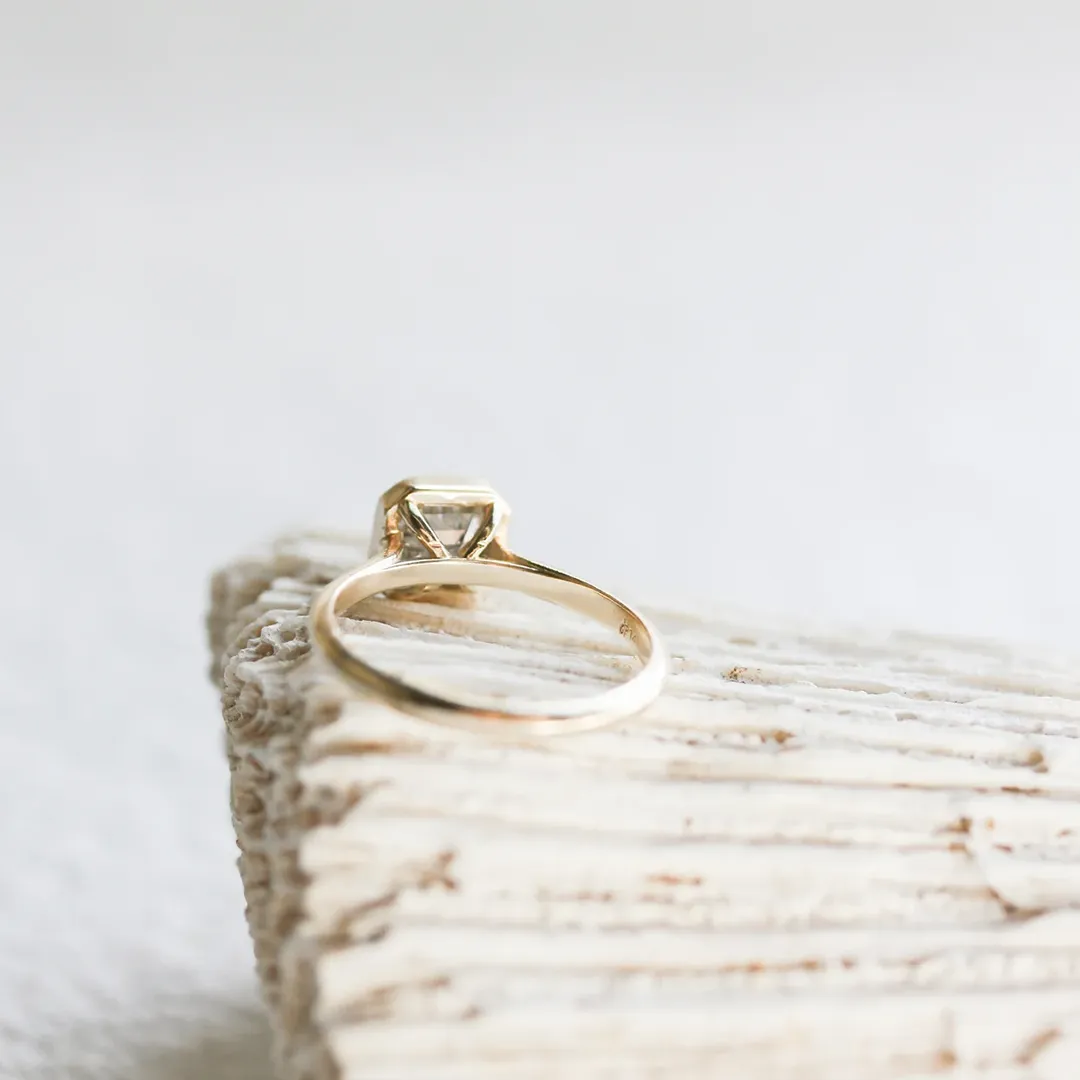
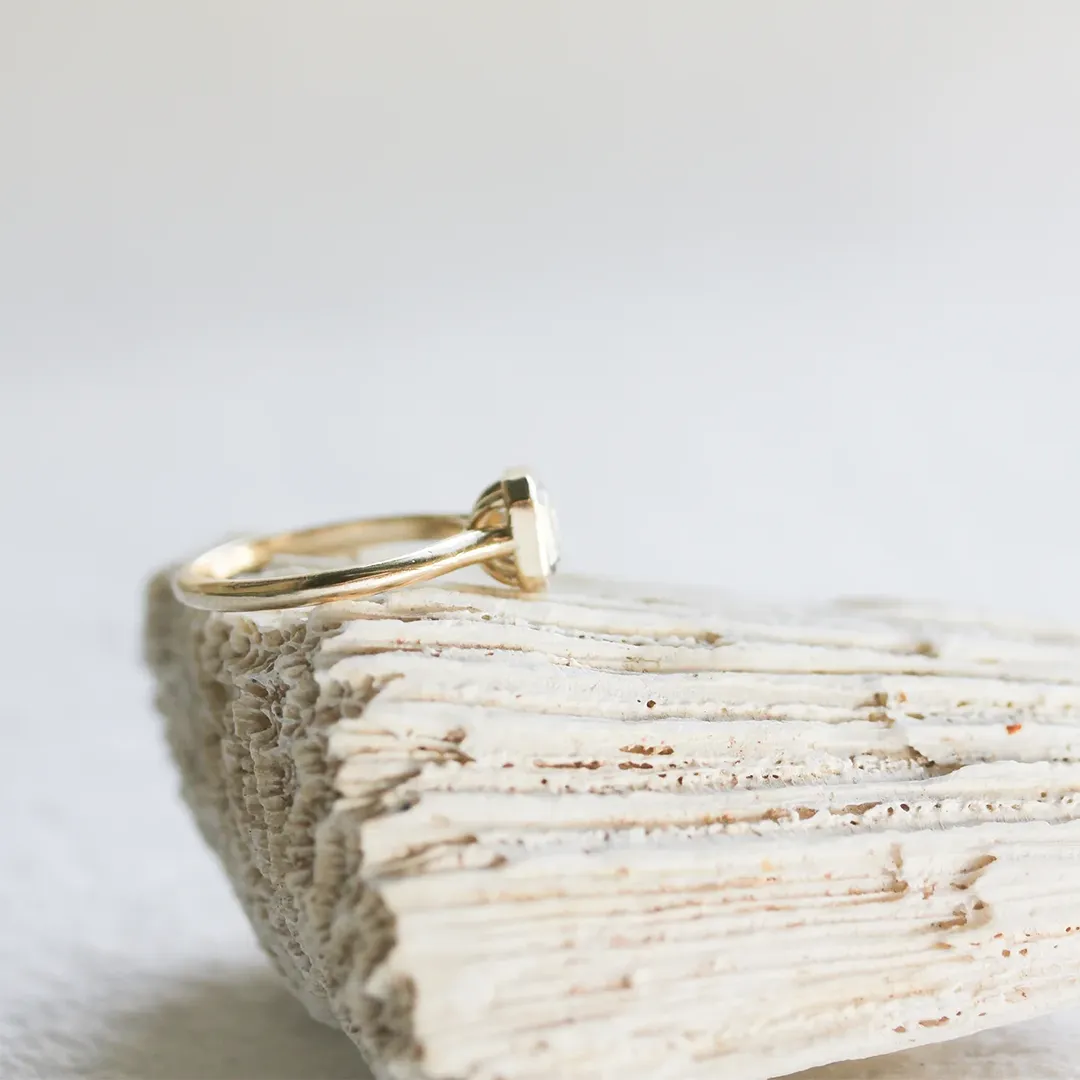
Accountants type more than almost any profession — financial models, audit documentation, client reports, tax filings. During busy season that can mean ten to twelve hours of keyboard work in a single day. A ring that sits higher than 5mm presses into the adjacent finger across that kind of extended use in a way that accumulates from mildly noticeable to genuinely uncomfortable by evening. Slim bands between 1.5mm and 2.5mm and settings under 5mm are the practical sweet spot.
The sweet spot for keyboard work
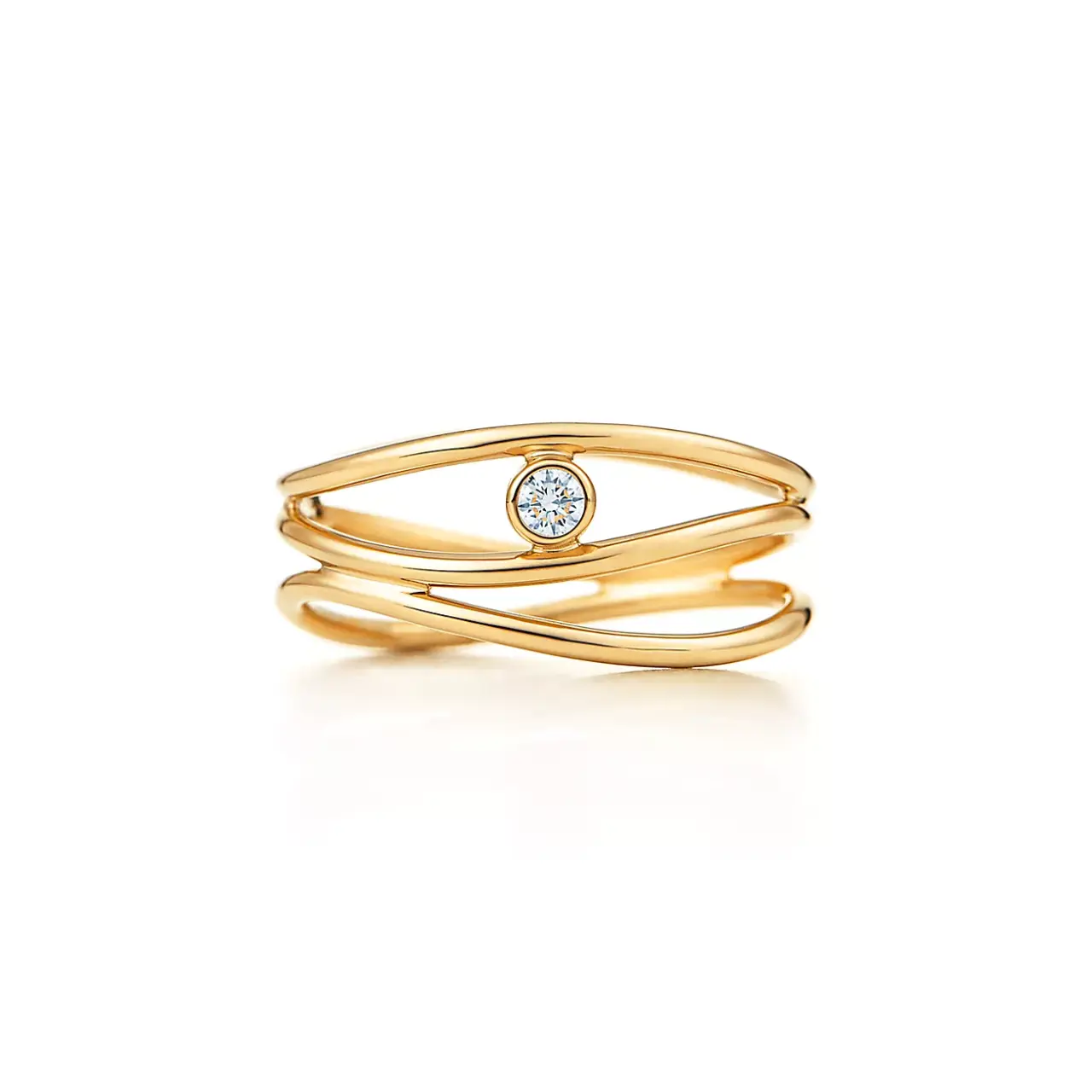
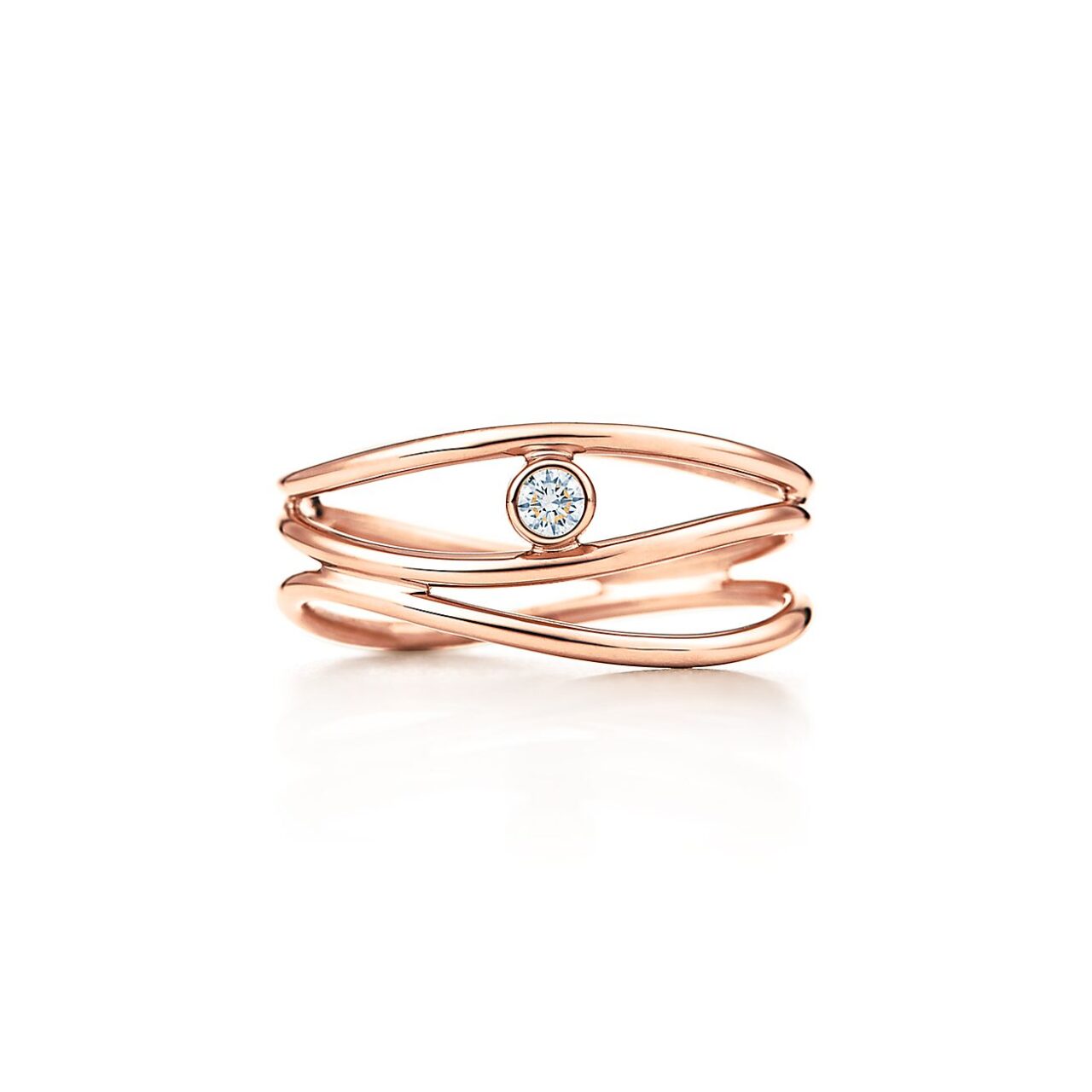
Round and oval solitaires in low four-prong settings — present enough to be beautiful, low enough to disappear during a long modelling session.
02
Professional environment — boardroom to boutique firm
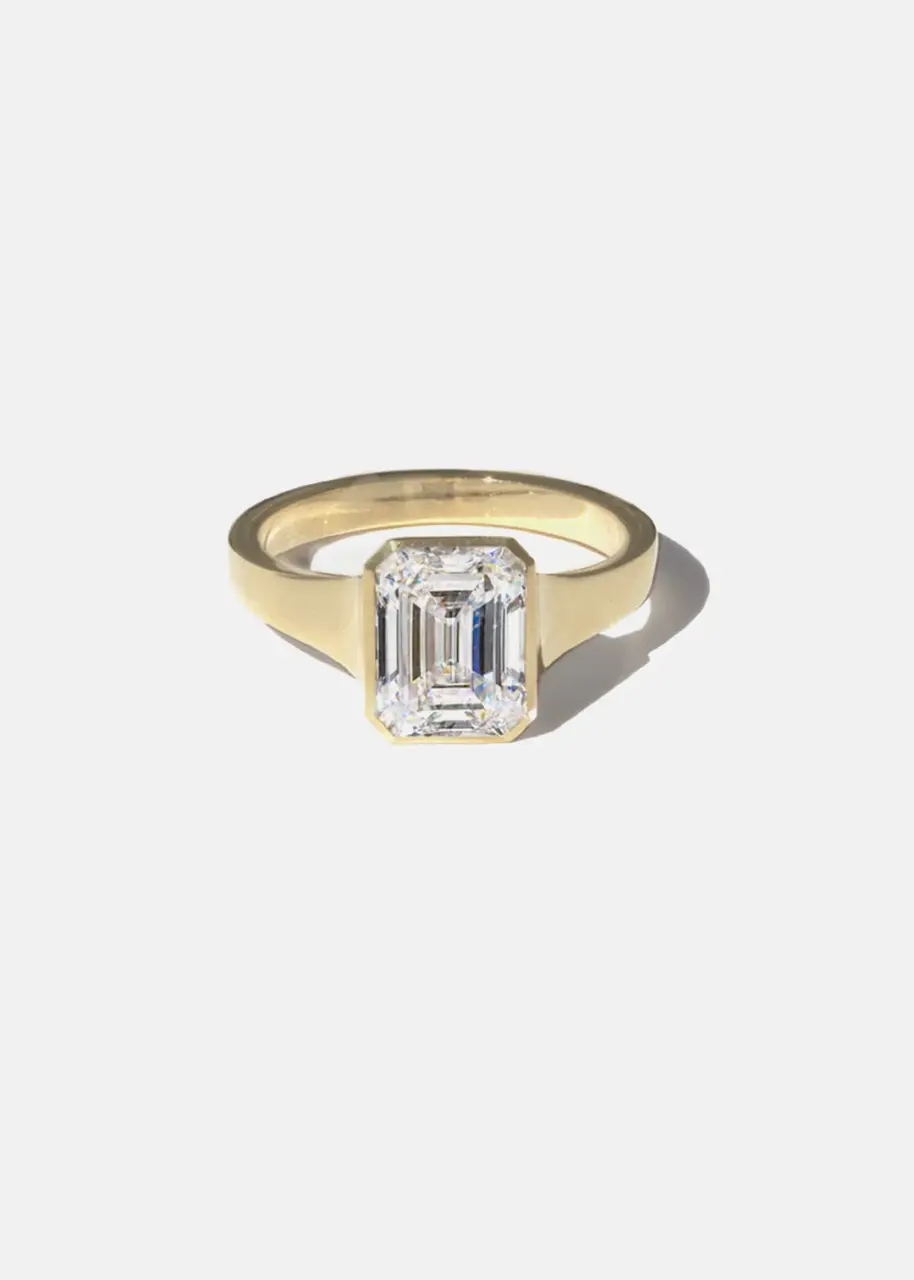
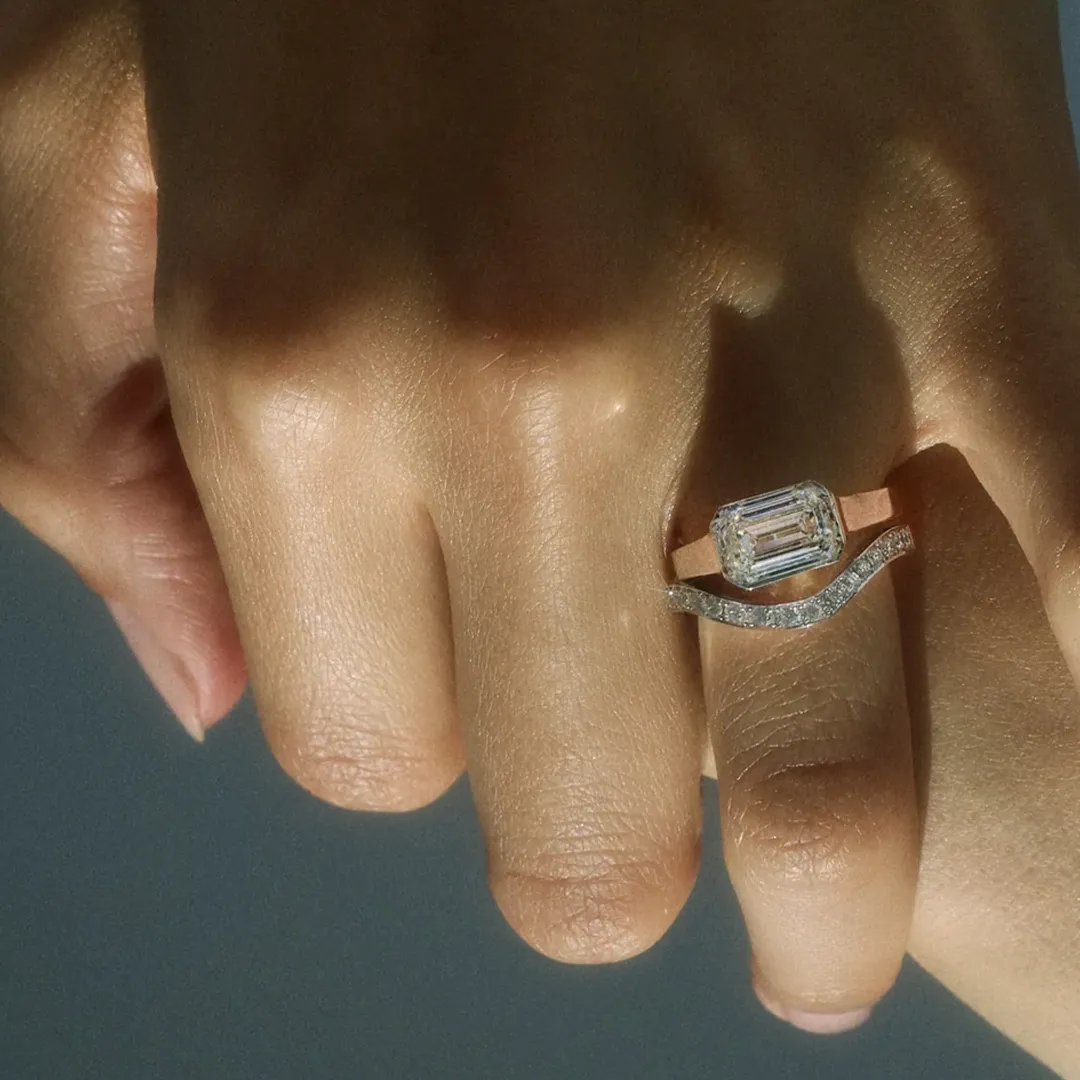
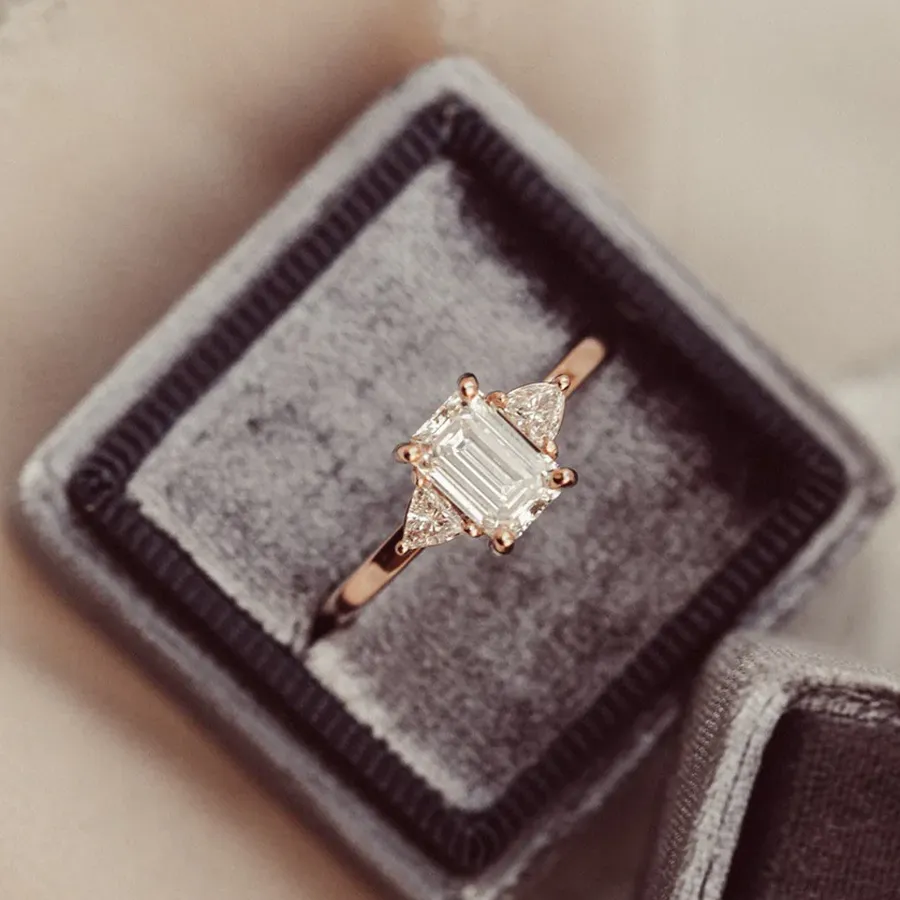
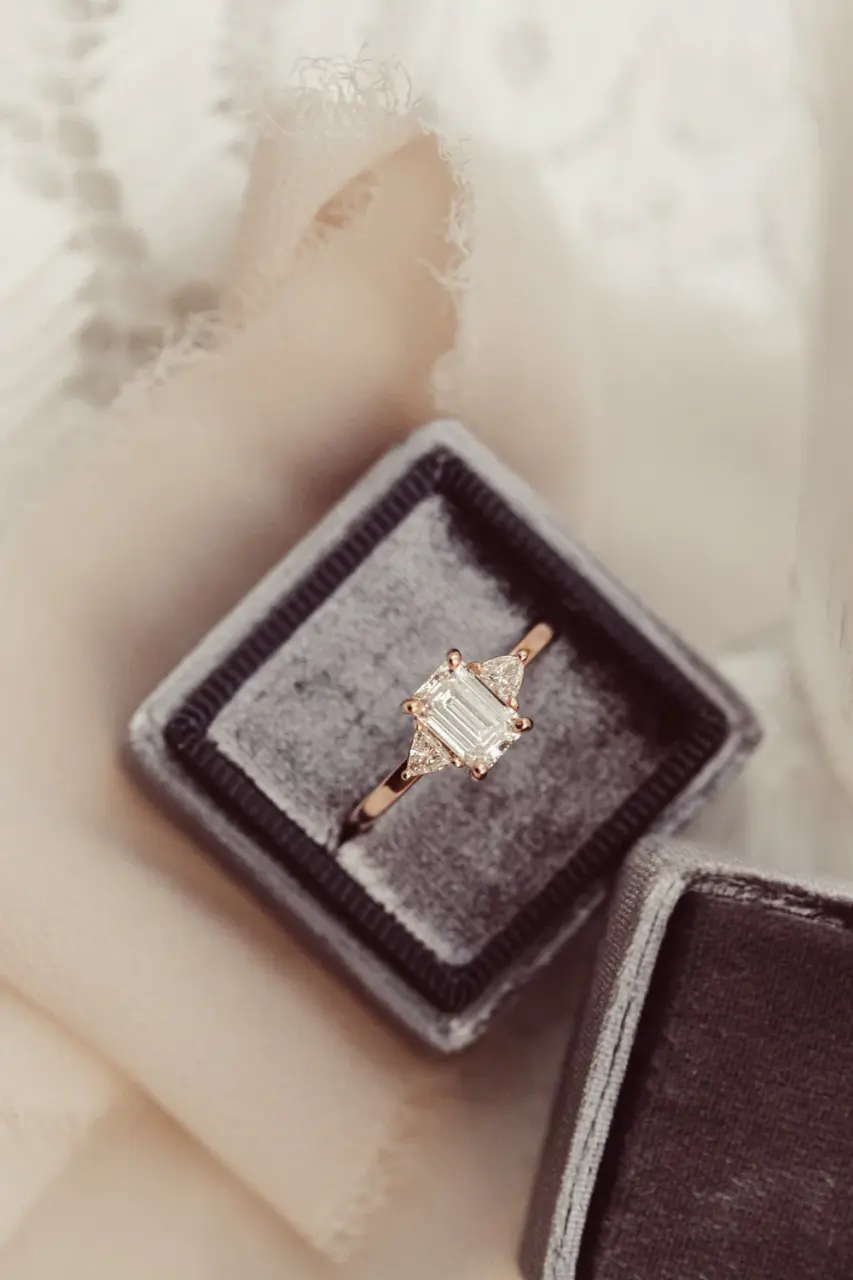
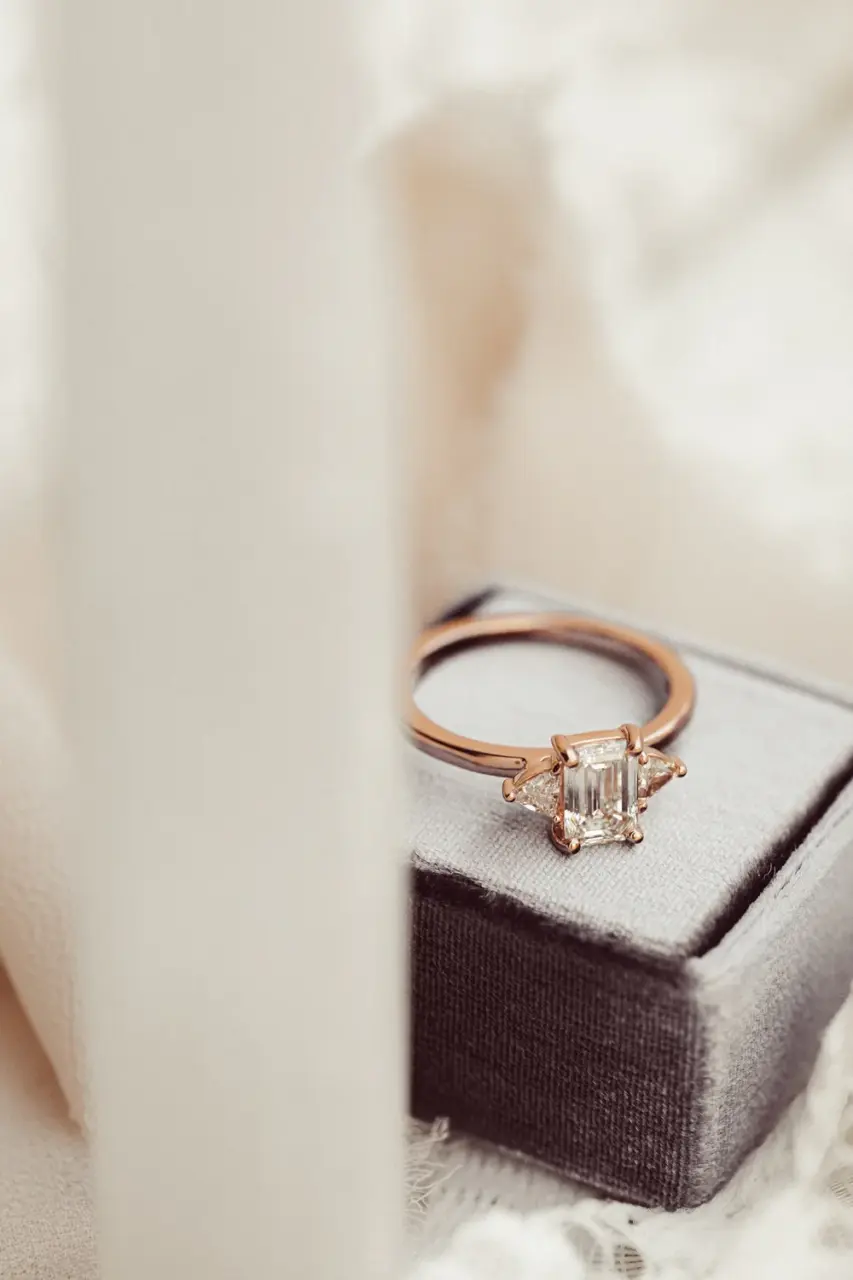
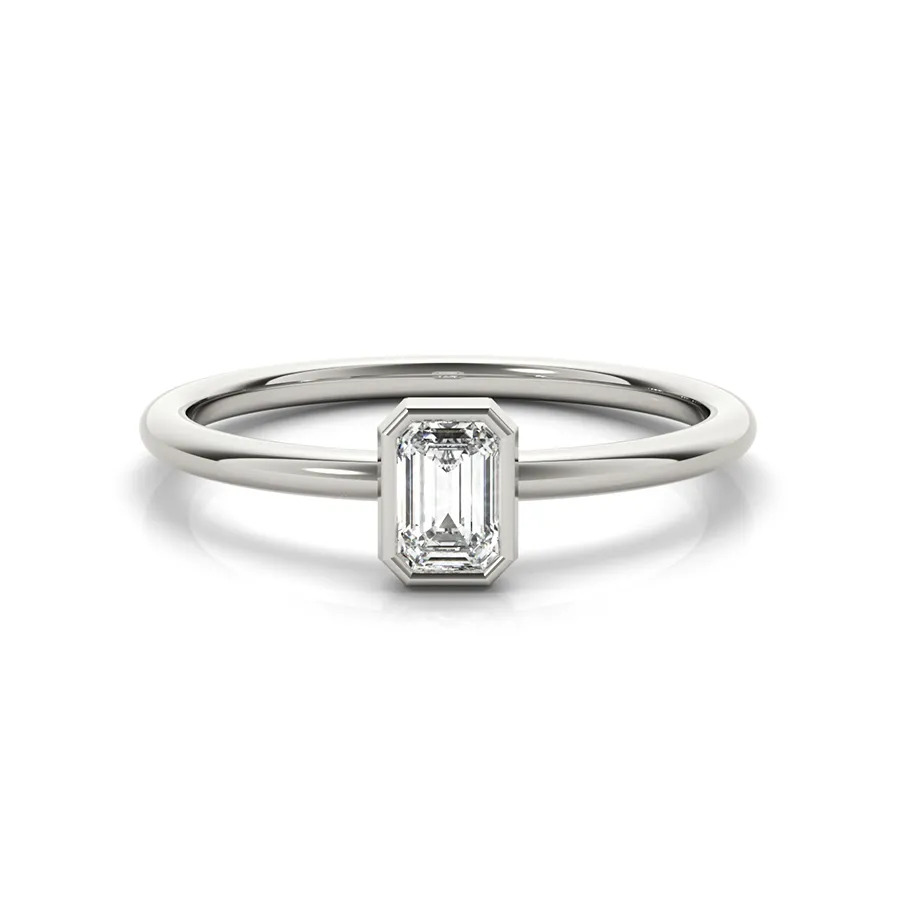
Accounting environments range from large corporate firms with conservative dress cultures to smaller boutique practices. The ring needs to feel appropriate across the full professional range — client presentations, internal meetings, audit fieldwork. Classic round and oval solitaires in platinum or white gold read as universally appropriate in financial environments. Emerald cuts are increasingly popular in corporate finance — their architectural, precise lines resonate with people who think in structures and systems.
03
The precision advantage — quality over size
An accountant is one of the buyers most likely to genuinely appreciate this trade-off: a smaller stone with excellent cut, colour, and clarity will consistently outperform a larger stone of mediocre quality in every real-world setting. A 0.9 carat round brilliant with excellent cut, G colour, and VS1 clarity catches light across a desk in a way that a 1.4 carat stone with poor cut simply doesn’t. Cut quality is the single most undervalued specification in engagement ring purchases.
04
Long-term value — thinking like an accountant
Lab-grown diamonds are worth serious consideration for someone who thinks carefully about value. Chemically and optically identical to mined diamonds — same hardness, same refractive index, same brilliance — but typically 30 to 50% less expensive for the same specifications. That price difference buys meaningfully better cut, colour, and clarity in the same budget. Platinum is the long-term value choice in metal — higher upfront cost, but no replating required and better stone retention over decades of daily wear.
Common questions
FAQ — what people
actually ask.
What engagement ring suits an accountant best?
A minimalist round or oval solitaire in platinum or 14k white gold is the most consistently recommended choice. Clean lines, excellent stone quality, and a low-profile setting that handles extended keyboard work comfortably. Emerald cuts are a strong alternative — their precise, structured facets resonate particularly well with detail-oriented, systems-focused professionals. In both cases, cut quality matters more than carat weight: a well-cut smaller stone will outperform a larger mediocre stone in every real-world setting.
Can a ring survive tax season?
The right ring absolutely can — and should. Tax season means weeks of extended keyboard hours, late nights, and sustained focus. A slim band under 2.5mm, a setting under 5mm in height, and a smooth rounded inner band edge make the difference between a ring that disappears during a twelve-hour modelling session and one that demands attention for the wrong reasons. A ring chosen with those specifications will handle tax season, audit season, and every other season without complaint.
Should an accountant pick a flashy or understated ring?
Understated done with precision almost always wins in financial environments. The distinction worth making is between understated-because-modest and understated-because-every-detail-is-exactly-right. A perfectly specified 0.8 carat round brilliant in a slim platinum four-prong setting makes a stronger impression in a client meeting than a larger ring chosen purely for visual impact — it reads as the choice of someone who knows exactly what good looks like.
Is there such a thing as a “CPA-approved” engagement ring?
Only one that passes the full analysis. The final recommendation: excellent cut over large carat weight, platinum over plated white gold for long-term cost efficiency, lab-grown diamond for optimal value per specification, and a setting low enough to survive tax season without distraction. A perfectly calculated sparkle — signed off, filed, and ready for daily wear.