Profession matters · 2026 guide
Engagement rings
for artists.
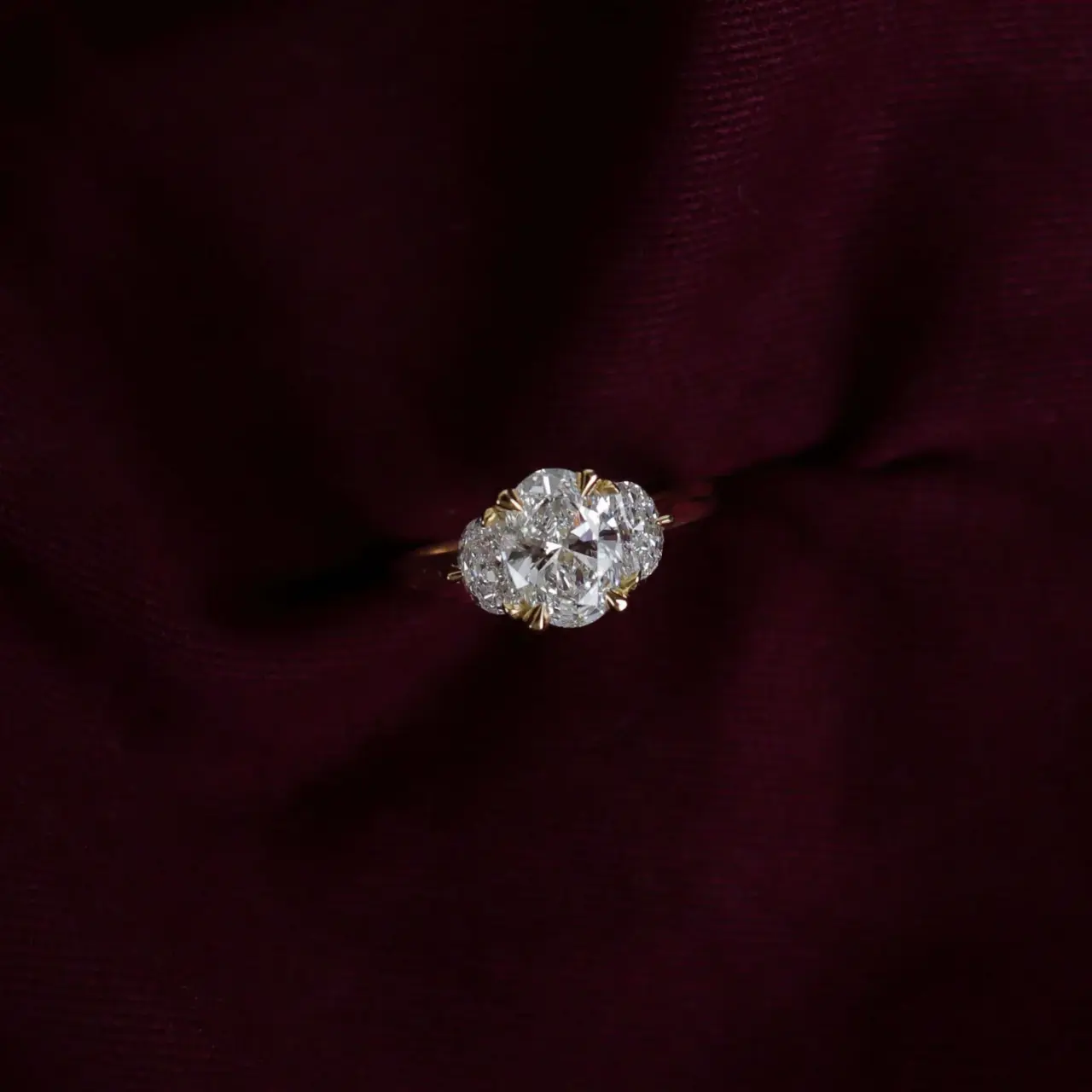
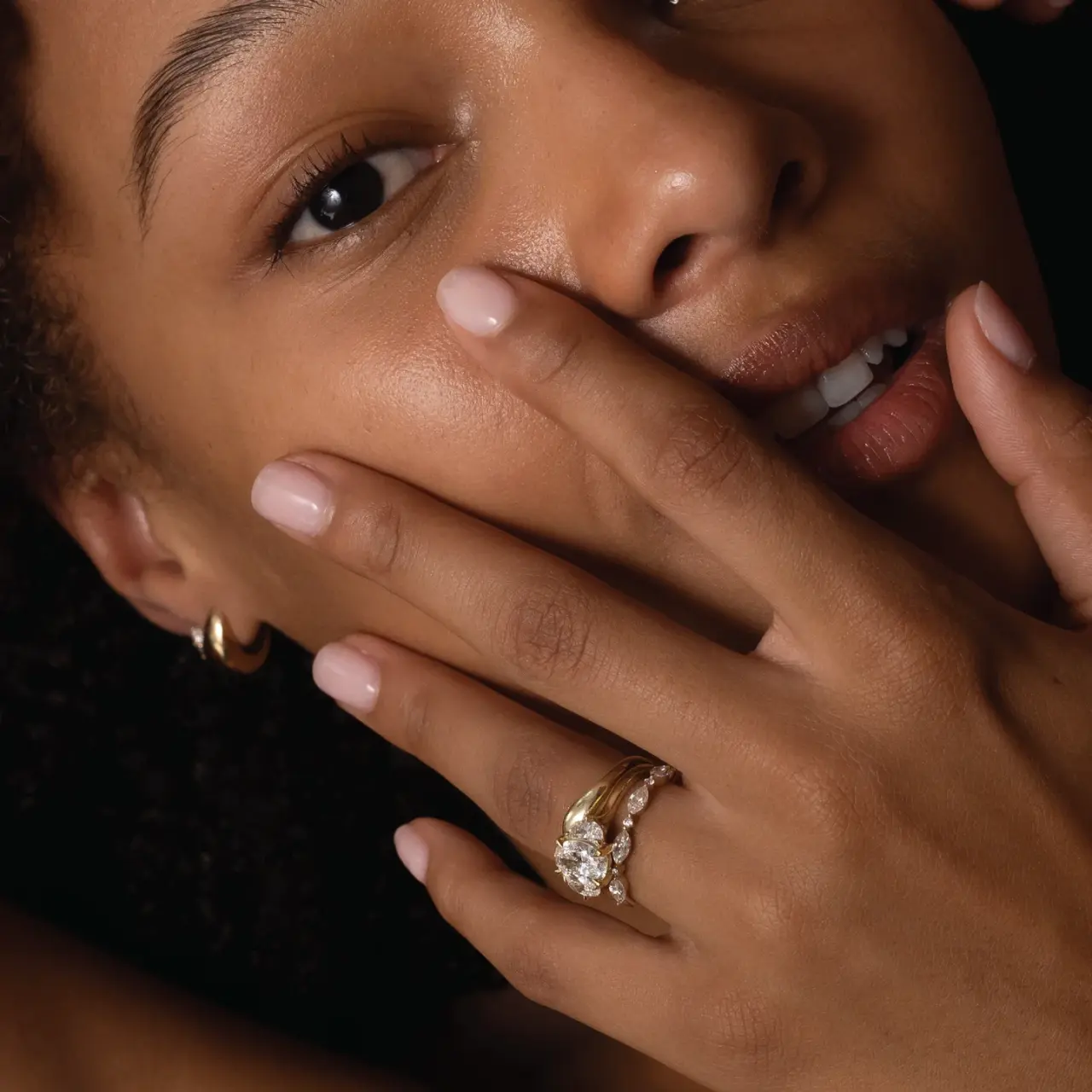
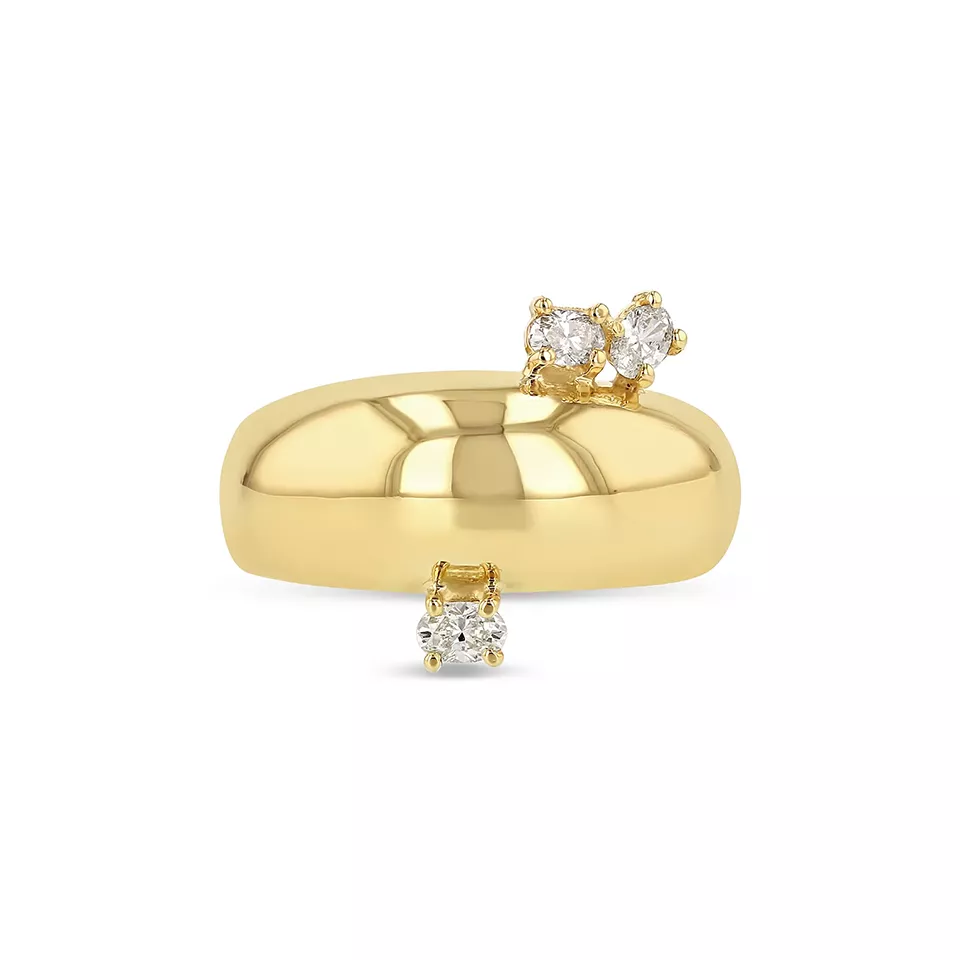
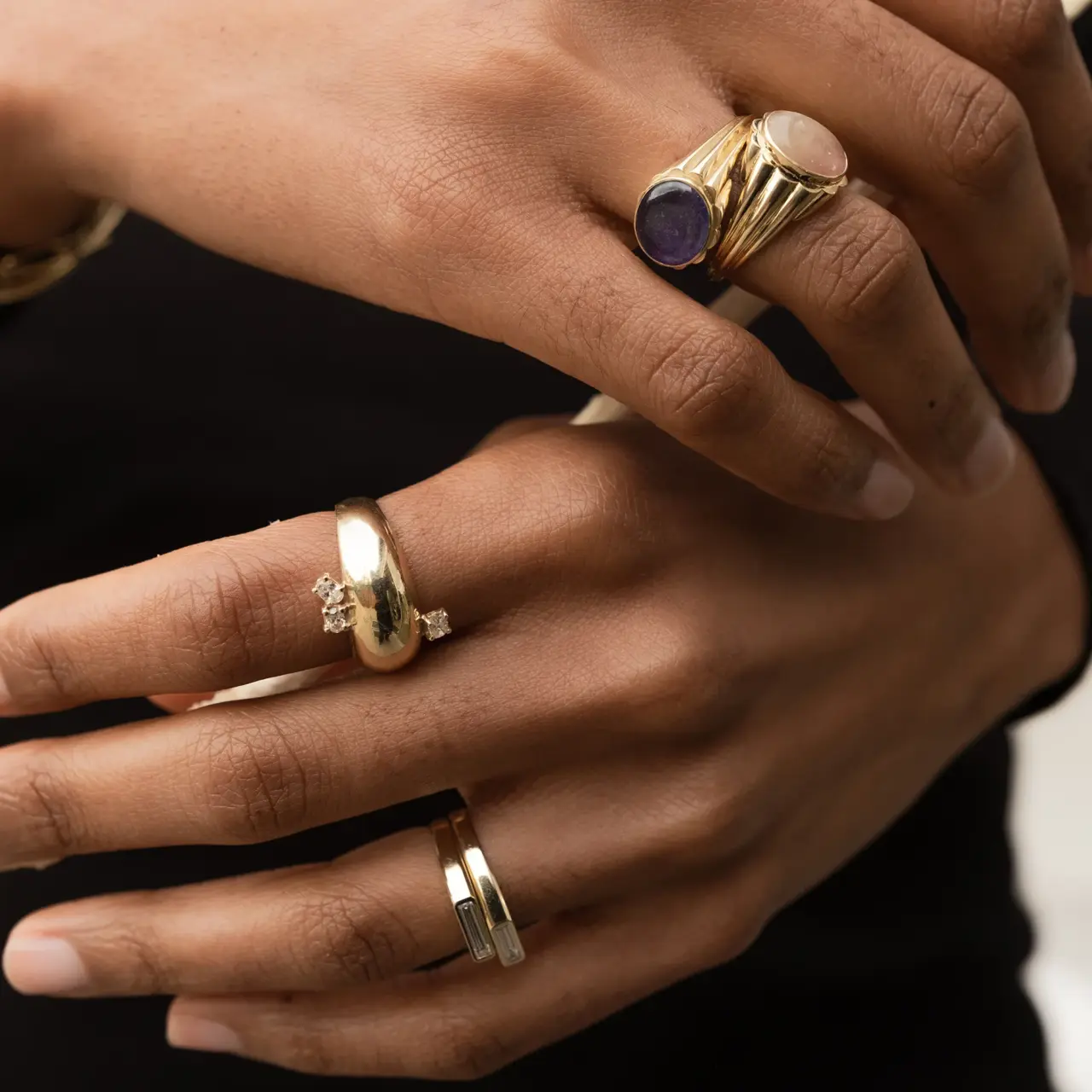
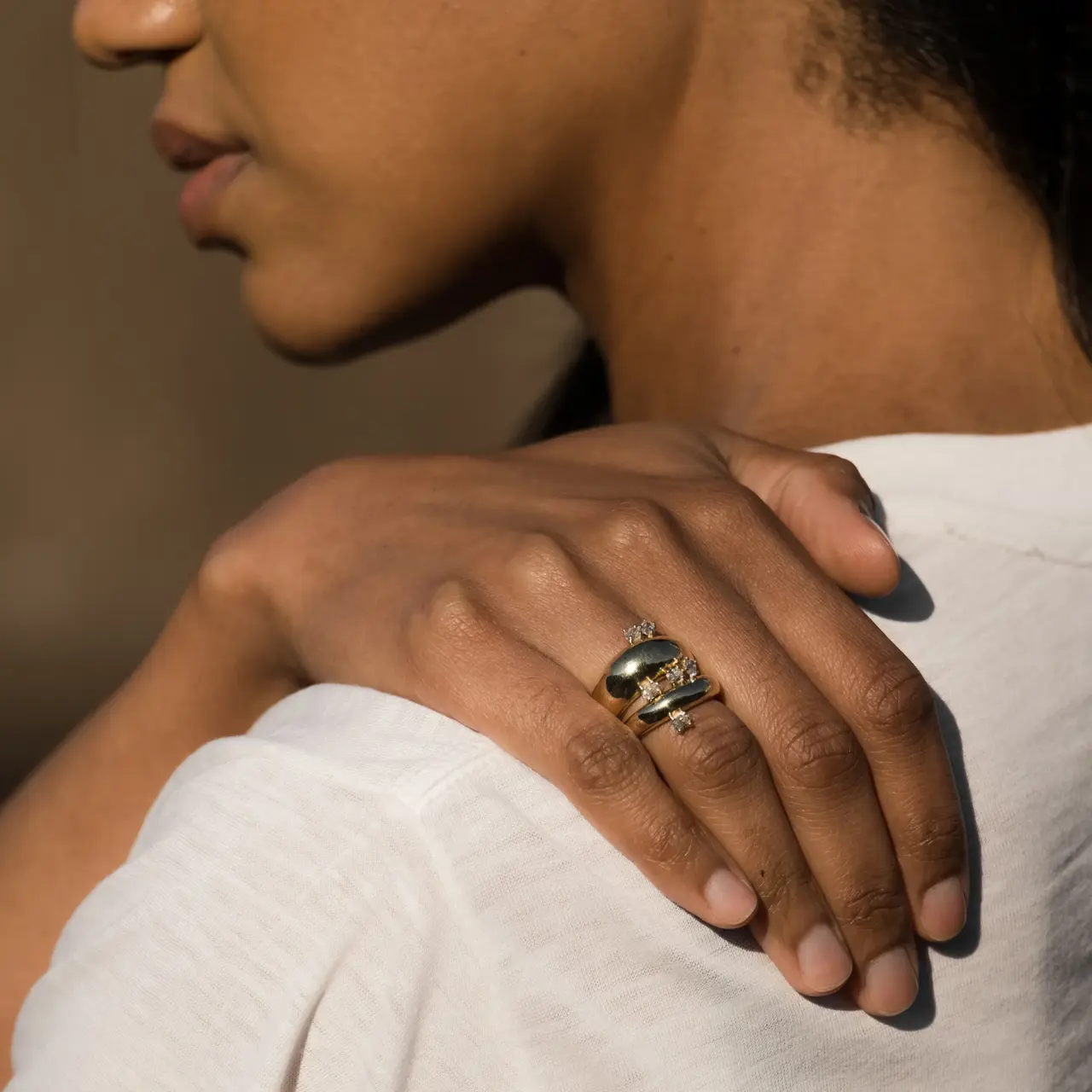
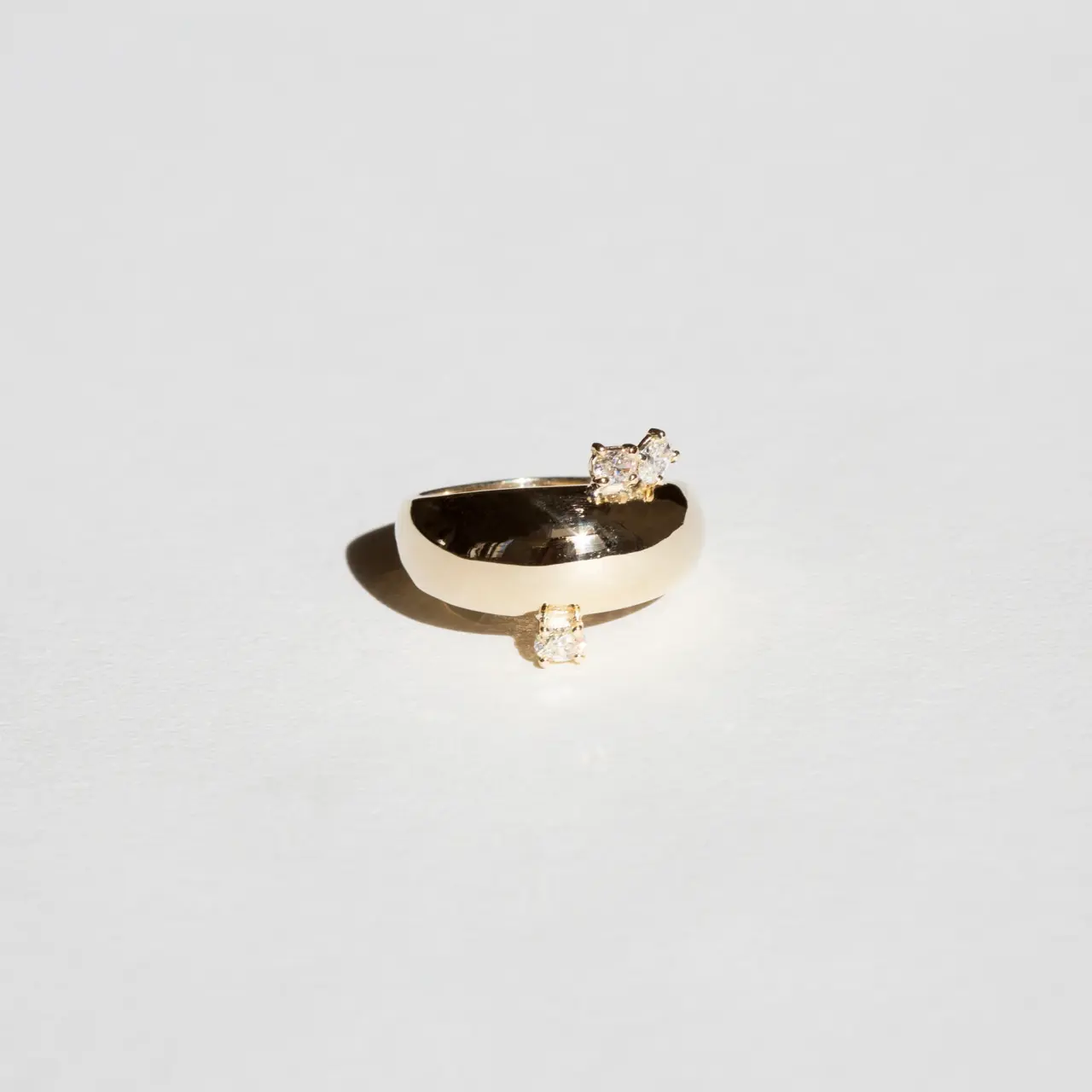
She’s not looking for the ring everyone else has. She’s looking for the ring that could only be hers. Distinctive, expressive, and built for the hands that make things.
See the collection ↓
Why profession matters
The ring that actually
gets worn.
Artists work with their hands in ways that are genuinely hard on jewellery. Acrylic paint settles into intricate prong settings and is nearly impossible to remove completely. Clay packs into fine details and dries there. Solvents and chemical cleaners can strip the finish from gold alloys over time.
A ring with a beautiful, elaborate setting might spend half its life caked in pigment — or come off before every studio session and live in a drawer instead.
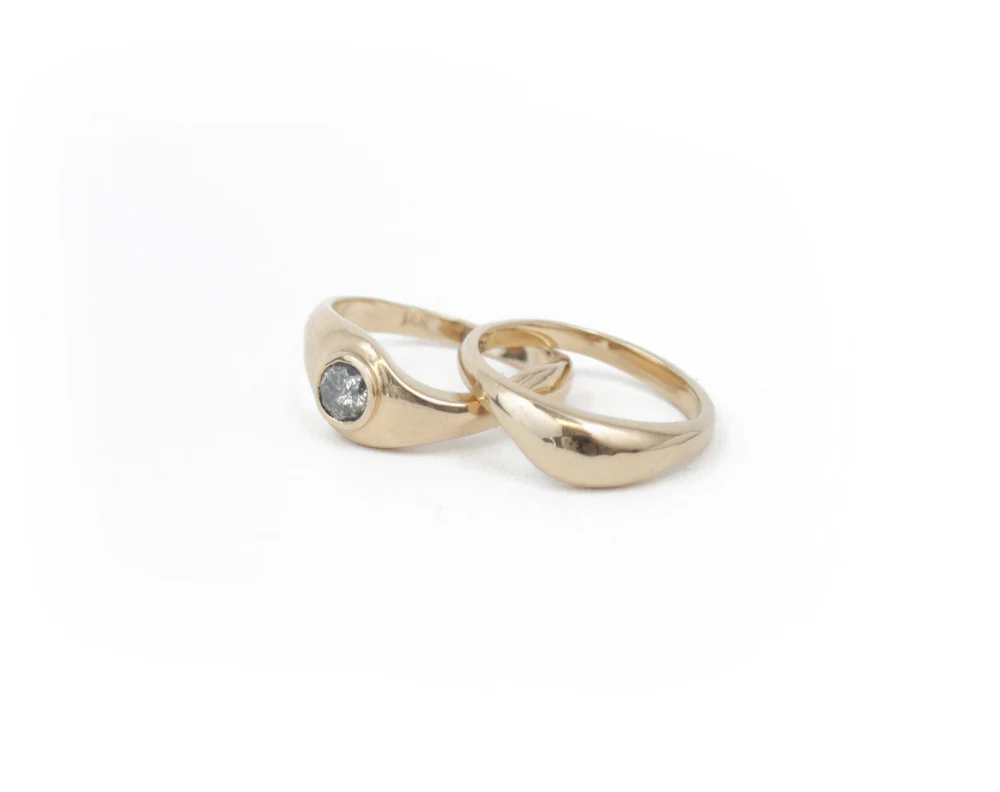
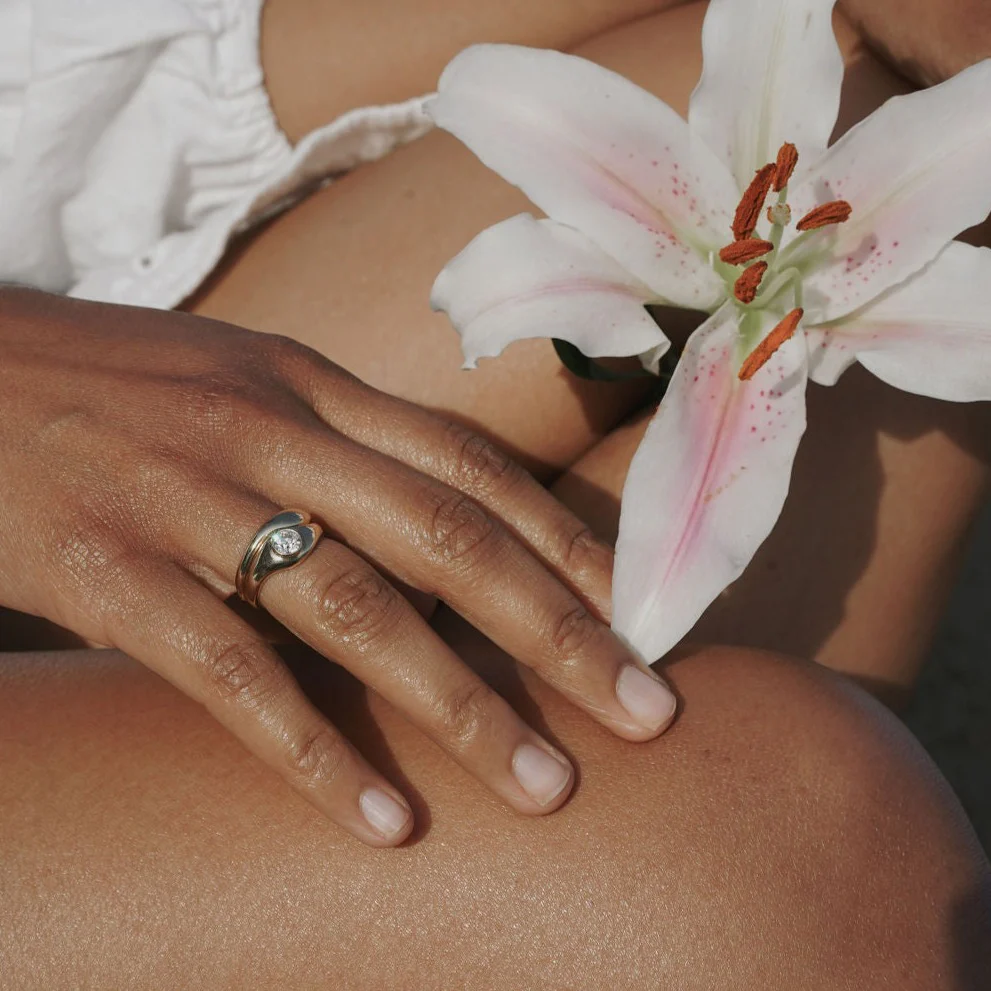
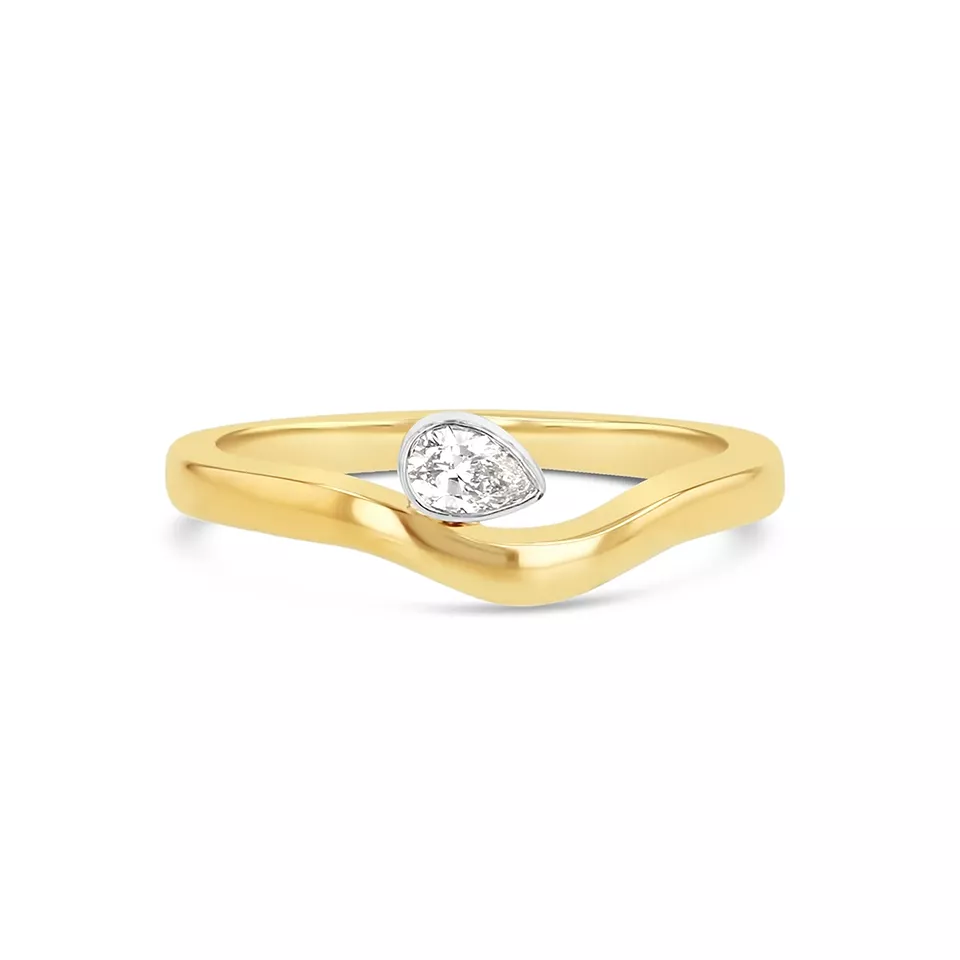
The best engagement ring for an artist is one she actually wears. That might mean a smooth bezel that rinses clean under the studio tap — or two rings, one for the studio and one for everything else.
Every ring in this collection is personally chosen with her creative life in mind: distinctive, expressive, and built for the hands that make things.
What to look for
Four things that matter
for creative work.
01
Studio wear — the paint problem
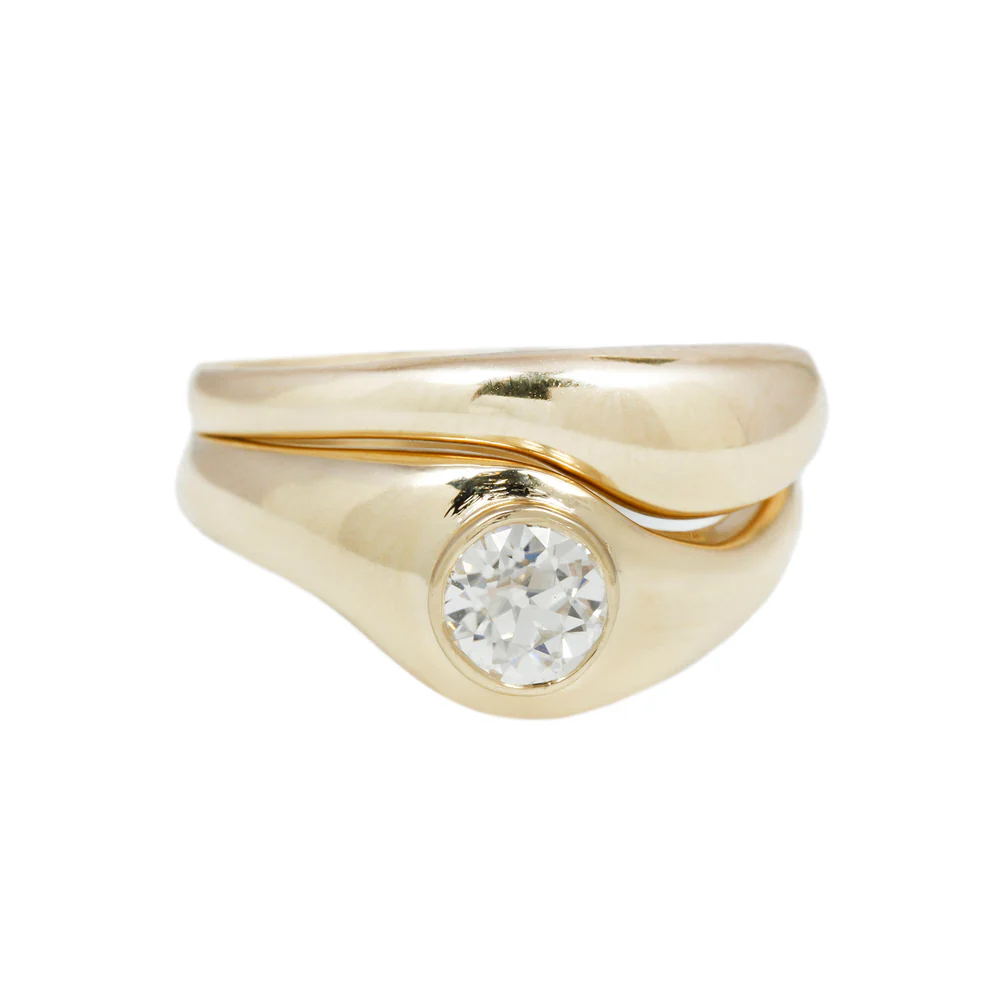
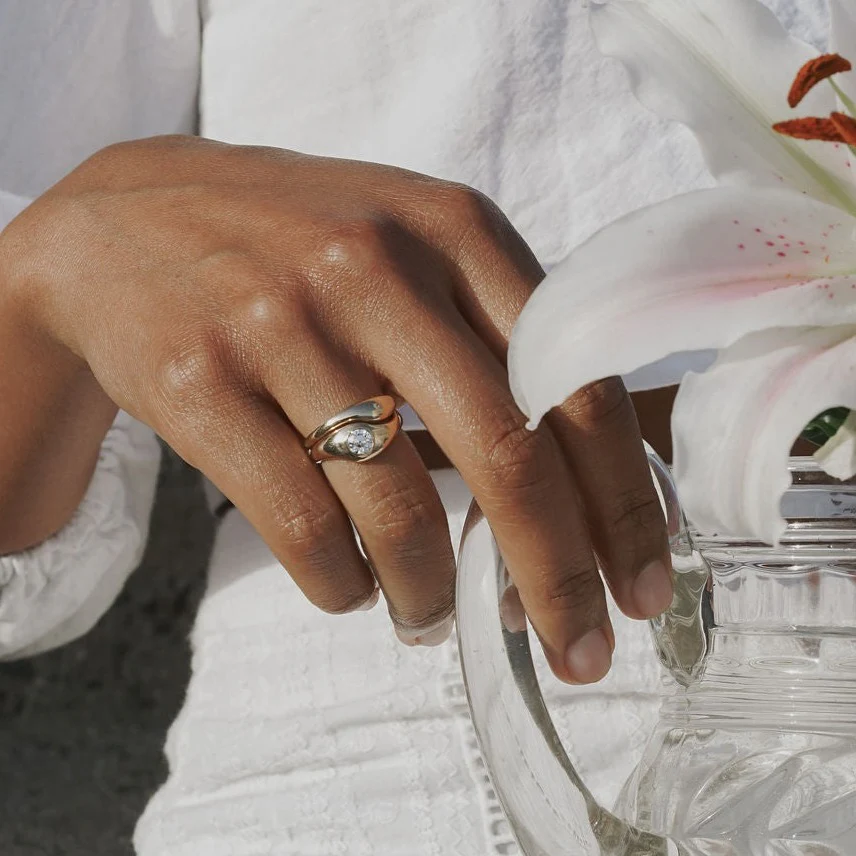
Acrylic and oil paint are the enemies of intricate ring settings. Acrylic in particular dries fast, adheres strongly, and collects in any crevice — between prongs, in pavé settings, inside filigree work. Once dried, it’s very difficult to remove without damaging the setting. The most studio-practical options are smooth bezel settings — the stone is fully enclosed, there are no gaps for paint to enter, and the whole ring can be wiped clean in seconds. A simple flat band with a flush-set stone is the next best option.
The studio-safe combination
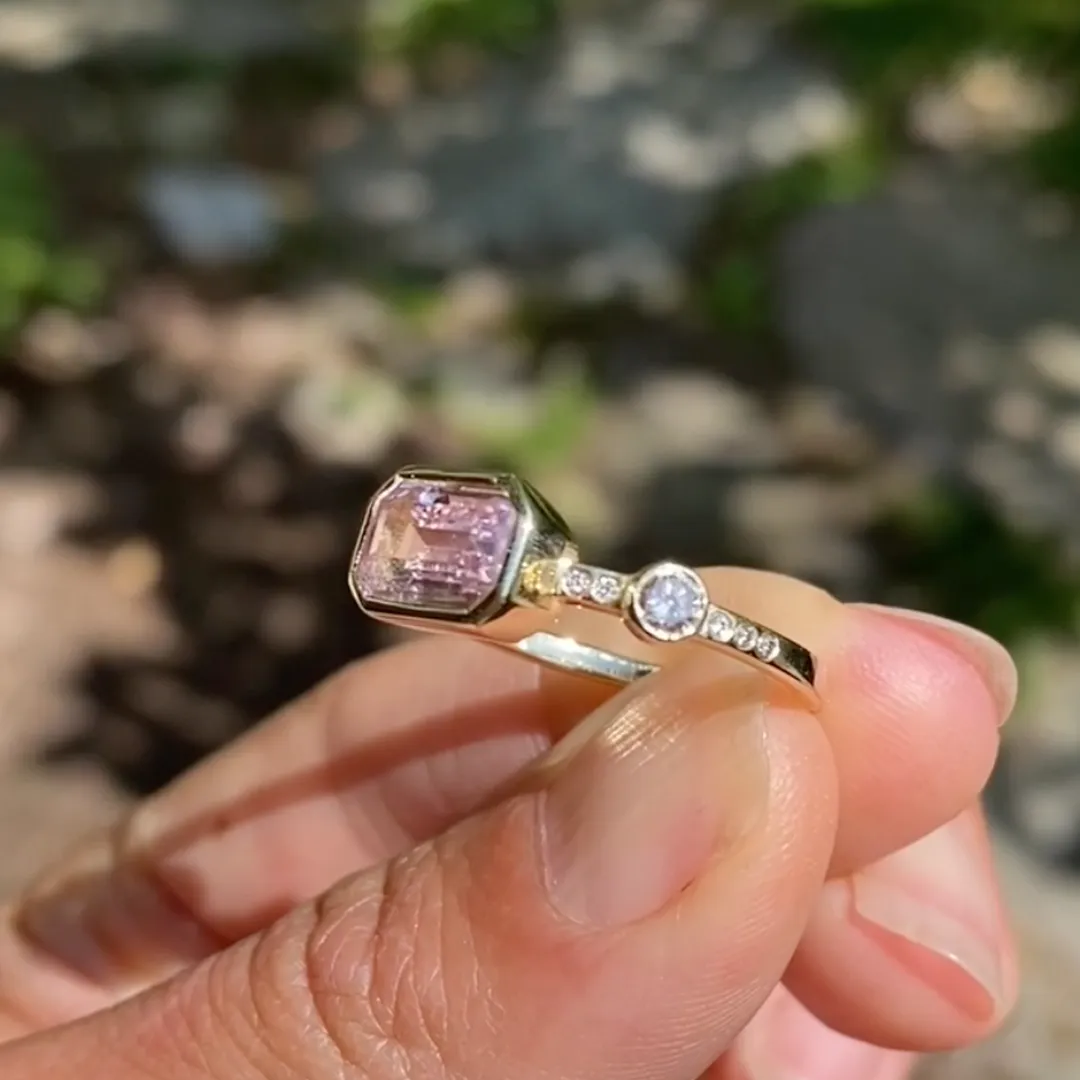
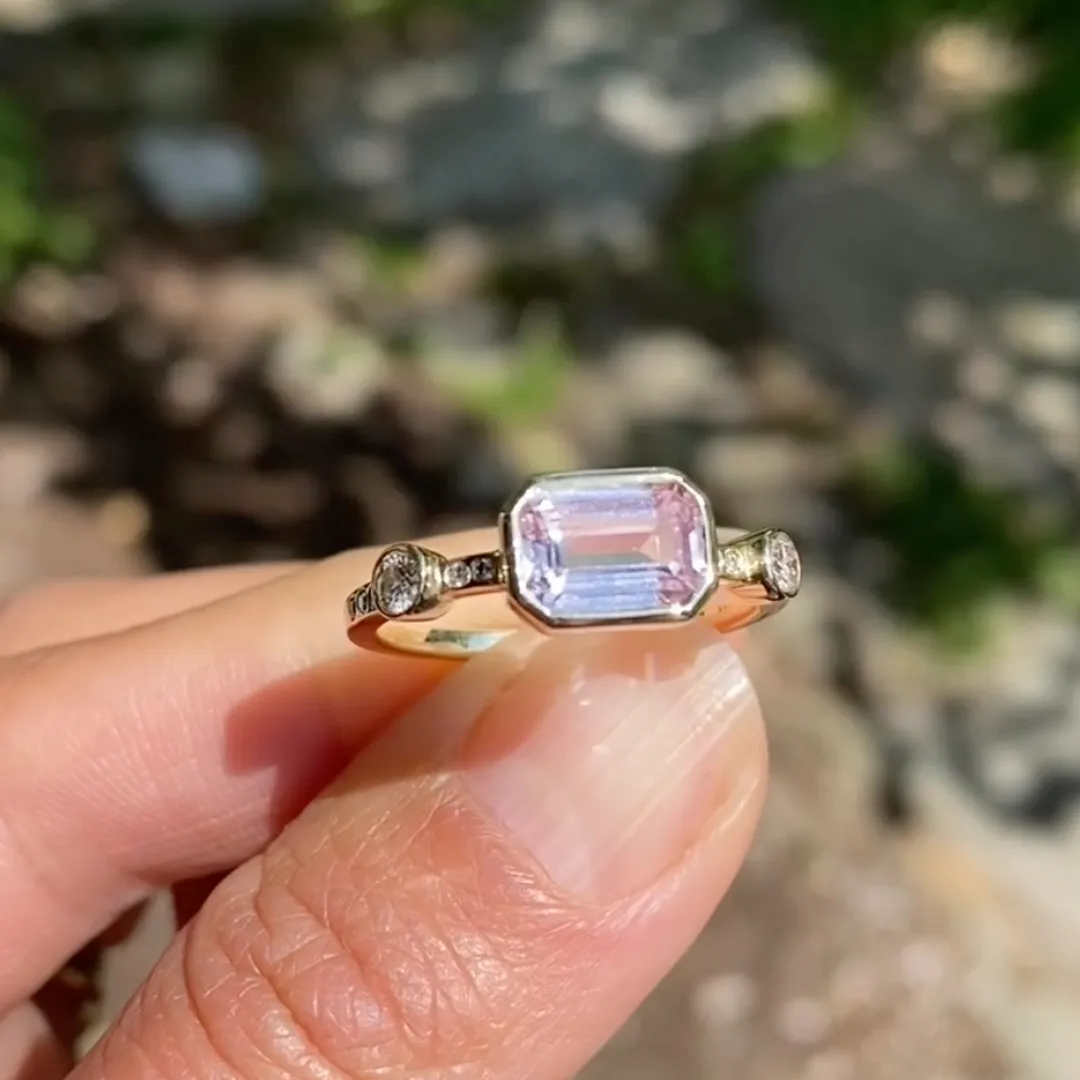
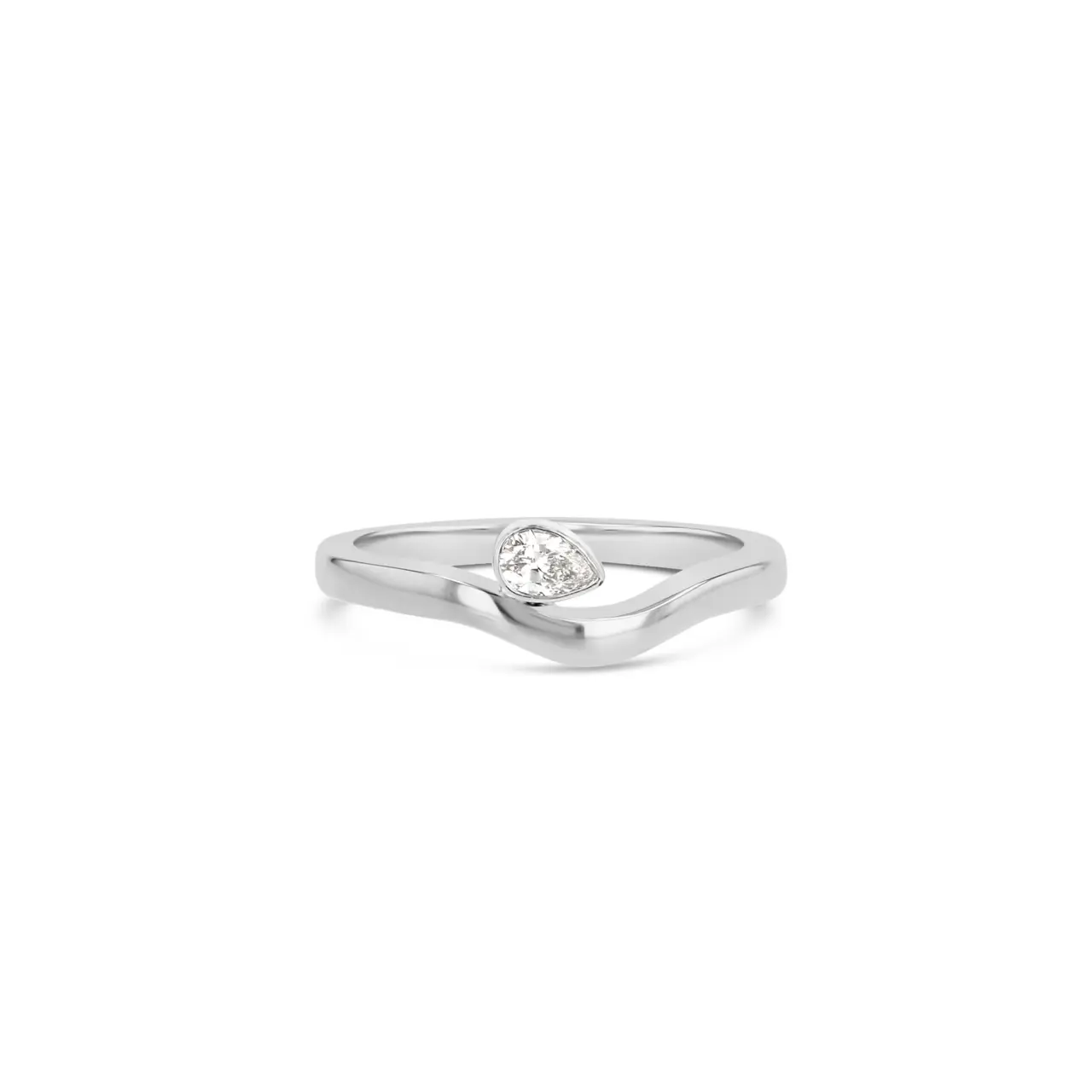
A smooth bezel setting in platinum with a diamond or sapphire — chemically resistant, wipes clean in seconds, no gaps for paint or clay to settle into.
02
Chemical exposure — what damages what
Artists working with solvents, turpentine, acetone, or resin should know that prolonged chemical exposure affects metals differently. Rose gold alloys are more reactive than yellow or white gold and can show surface changes after repeated solvent exposure. Platinum is the most chemically resistant precious metal. Some stones are also solvent-sensitive — opals, pearls, and emeralds should be kept away from harsh chemicals. Diamonds and sapphires are inert and handle studio conditions without issue.
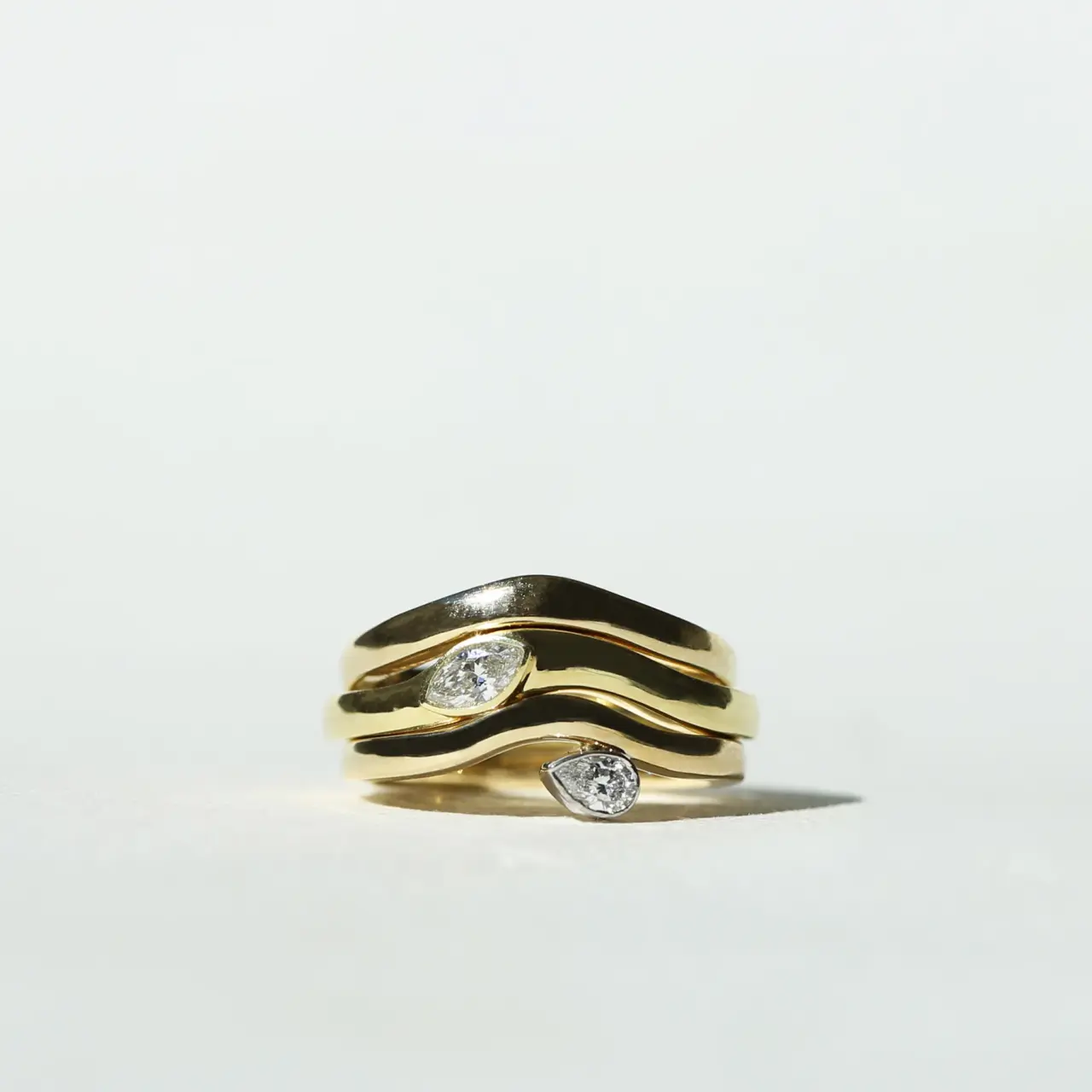
Many artists end up with two rings by choice rather than necessity — a simple, smooth studio ring that can survive daily creative work, and a more expressive ring for openings, events, and everyday life outside the studio. This isn’t a compromise. It’s a practical decision that frees the main ring to be exactly what she wants it to be. If this is the plan, the studio ring can be modest and the engagement ring can be as bold and unconventional as she likes — a vintage rose-cut diamond, an asymmetric sapphire setting, a custom piece with real character.
04
Coloured stones — the artist’s advantage
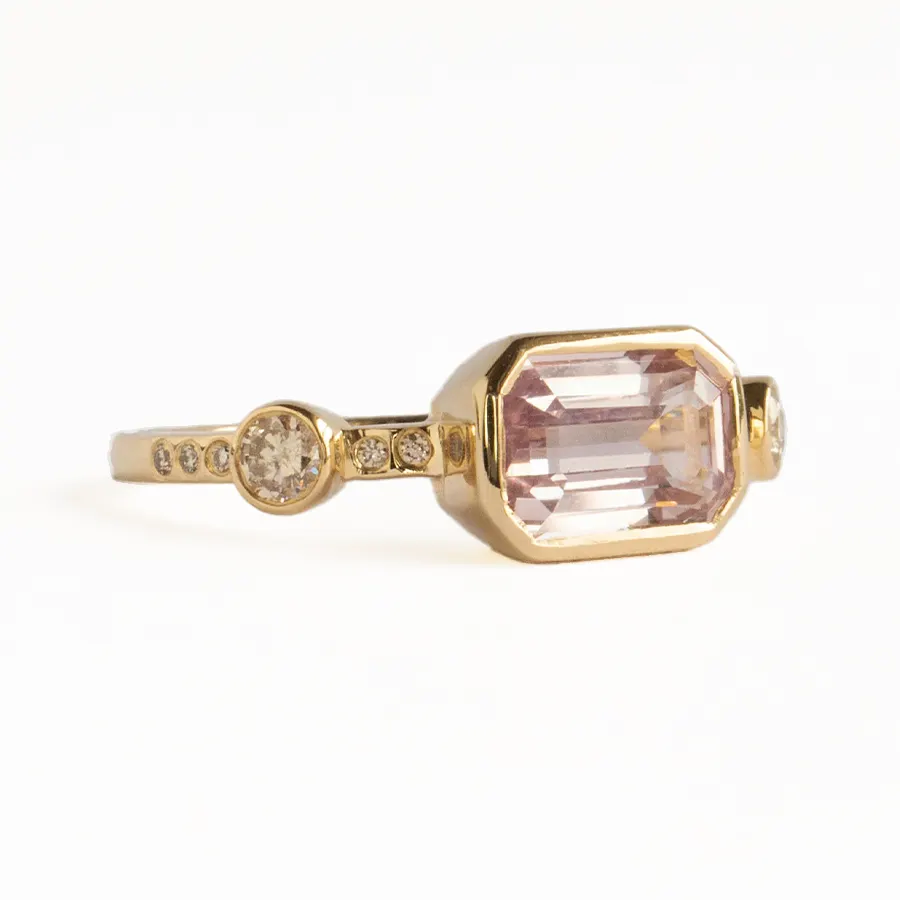
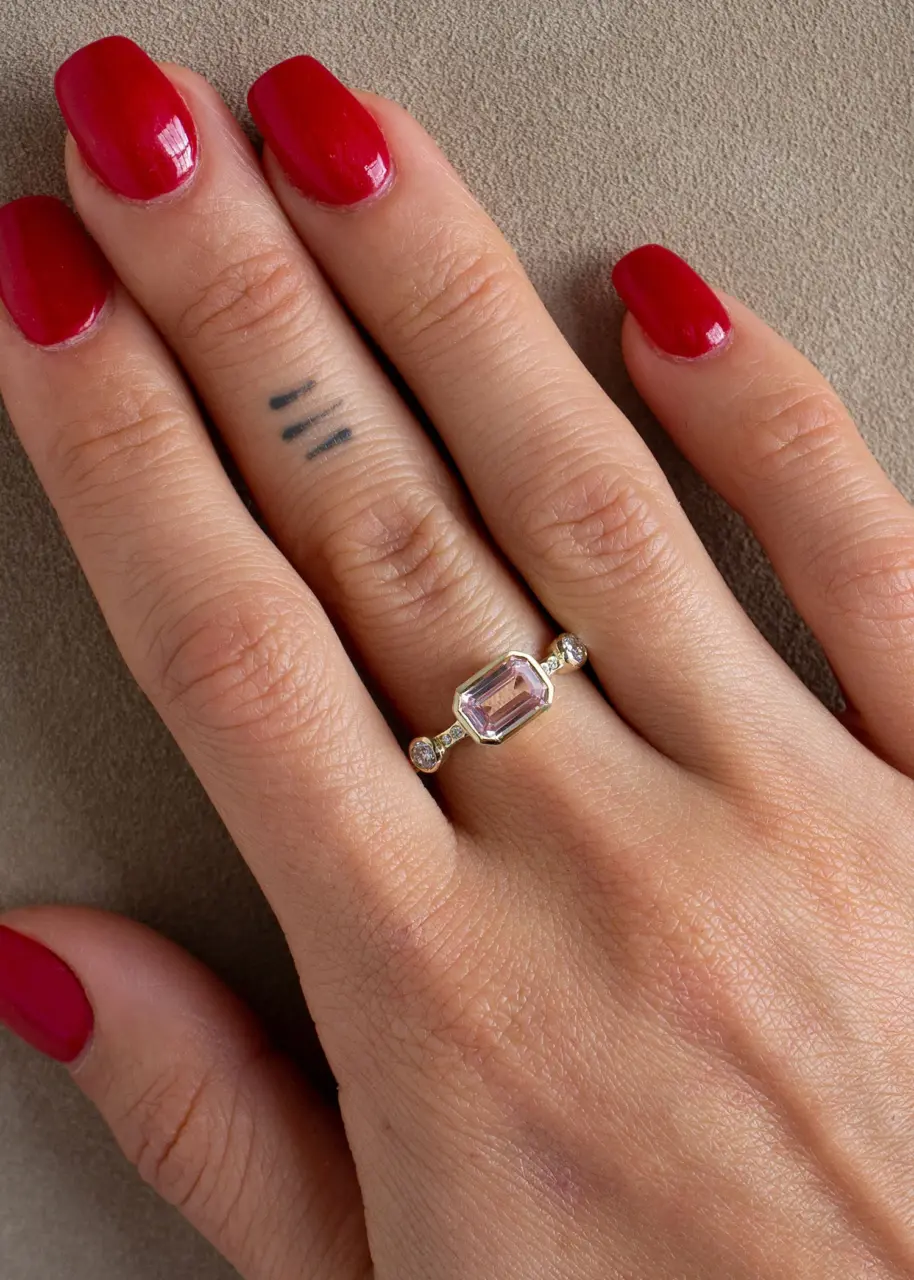
Artists are among the most open buyers to coloured centre stones — and with good reason. A deep teal Montana sapphire, a vivid green tsavorite, or a dusty rose morganite can be far more personal than a white diamond, often at a lower price point. For studio wear: sapphire (Mohs 9) and spinel (Mohs 8) handle daily studio wear well. Emerald is beautiful but chips more easily under impact. Avoid opal and pearl for any ring worn regularly in creative work — both are too porous and soft to survive that environment reliably.
Common questions
FAQ — what people
actually ask.
Do artists prefer traditional engagement rings?
Rarely. Most artists approach a ring the same way they approach any creative decision — with a strong instinct toward the personal, the original, and the meaningful over the conventional. That might mean a vintage piece with history and patina. A coloured stone in an asymmetric setting. A custom ring designed from scratch. What it almost never means is the most popular solitaire in the jeweller’s window. The rings in this collection are curated specifically for that instinct — distinctive pieces that couldn’t belong to just anyone.
How do I protect an engagement ring in the studio?
The most practical approach is to choose a ring that doesn’t need much protecting — a smooth bezel setting in platinum or 14k gold with a diamond or sapphire centre stone is almost entirely studio-safe and cleans easily. For rings with more intricate settings, a small ring dish next to the studio sink makes it easy to remove and replace. Whatever the system, the goal is a ring that comes off and on easily enough that it actually happens — a ring left on the sink ledge all day isn’t serving anyone.
Should an engagement ring for an artist be perfect?
Not necessarily — and this is one area where artists often arrive at a different answer than other buyers. A diamond with a visible inclusion that catches the light, a vintage stone with slight asymmetry, a hand-forged band with tool marks still visible — these are qualities many artists find more compelling than clinical perfection. Character matters. A ring that looks like it was made by someone who cared about it, rather than produced to a specification, often resonates more deeply with someone whose entire life is about making things with intention and craft.
What coloured stones work best for an artist’s engagement ring?
For studio wear: sapphire (all colours — blue, pink, yellow, teal, white) is the best coloured stone choice — nearly as hard as diamond, resistant to chemicals, available in an extraordinary range of colours. Spinel is a close second — vivid, durable, and still undervalued relative to its quality. For off-studio wear: emerald, morganite, tourmaline, and tanzanite are all beautiful. Avoid opal and pearl for any ring worn regularly in creative work — both are too porous and soft to survive that environment reliably.