Profession matters · 2026 guide
Engagement rings
for cosmetologists.
She blends artistry with technical skill every single day. Her hands are always busy, always visible, and always being noticed. In a profession built on aesthetics, her ring is part of the picture from the moment a client sits down.
See the collection ↓
Why profession matters
Bold enough to match her.
Built for the salon.
A salon is one of the harshest environments a ring can live in. Hydrogen peroxide developer bleaches metal finishes. Hair dye stains the micro-gaps in intricate settings. Acetone from nail services strips the rhodium plating from white gold over time. Hairspray leaves a residue that dulls stones if not cleaned regularly.
A ring that’s beautiful on purchase day and looks tired six months into salon work is a ring that wasn’t chosen with the job in mind.
The right ring is bold enough to match her personality, practical enough to survive her working environment, and striking enough to earn the admiration of every client who sits in her chair.
Every ring in this collection is personally chosen with exactly that standard in mind.
What to look for
Four things that matter
for salon professionals.
01
Chemical exposure — the salon reality
Hydrogen peroxide developer — used in virtually every colour service — is an oxidising agent that can gradually dull gold alloy finishes and strip rhodium plating from white gold with repeated exposure. Permanent hair dye settles into pavé settings and any small gap between prongs and stone, staining in ways that professional cleaning can reduce but rarely eliminate entirely. The most chemical-resistant options are platinum and solid 14k or 18k yellow gold — both have no plating to strip. White gold requires re-plating every 12 to 18 months under salon conditions.
The cosmetologist’s safest choice
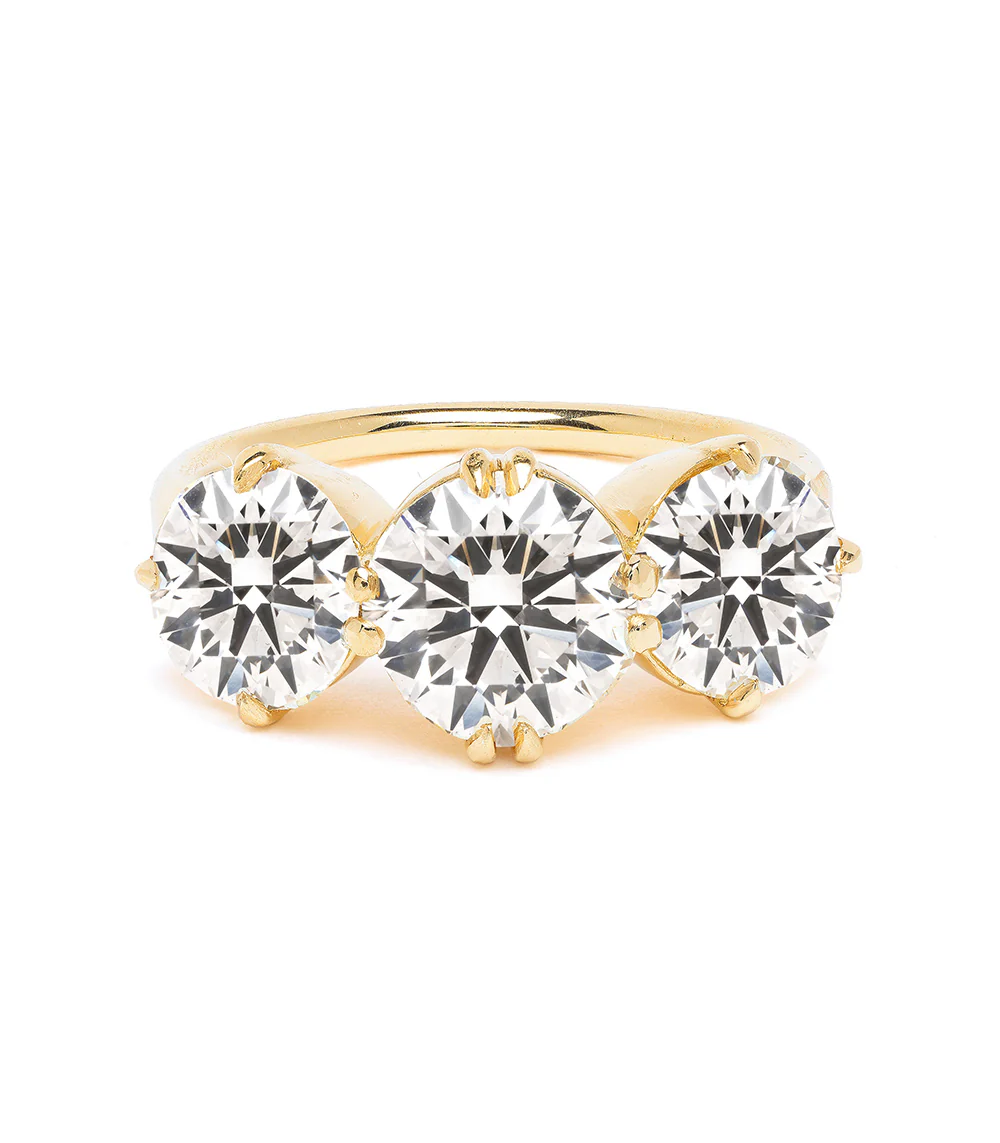
Yellow gold or platinum with a diamond or sapphire — no plating to strip, no surface to bleach, cleans thoroughly with a soft brush at the end of each working day.
02
Setting choice — beauty vs survivability
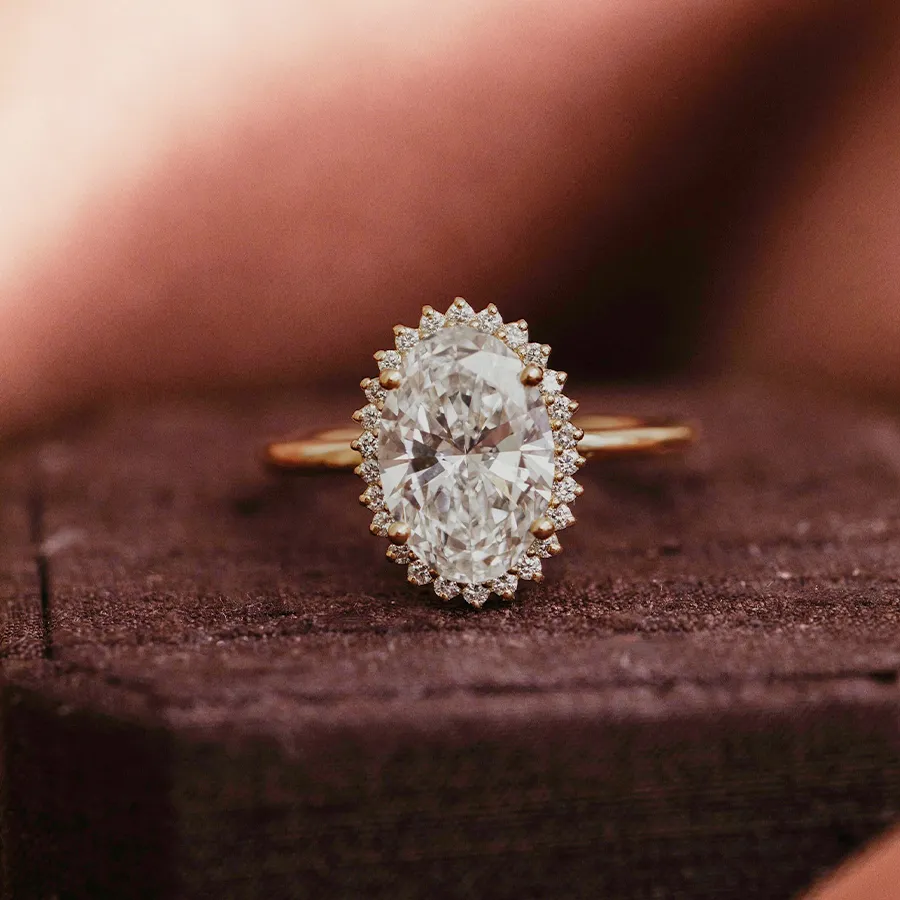
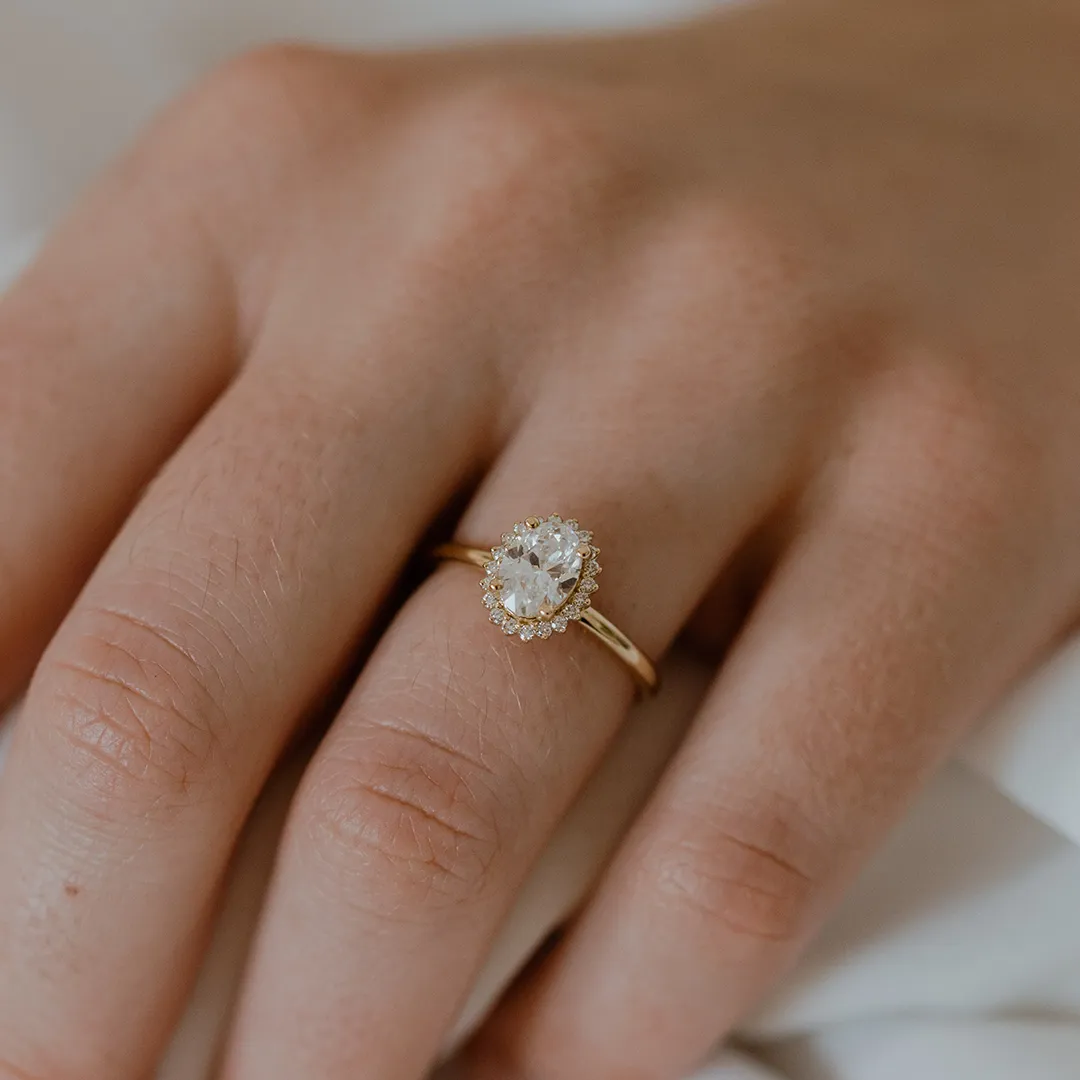
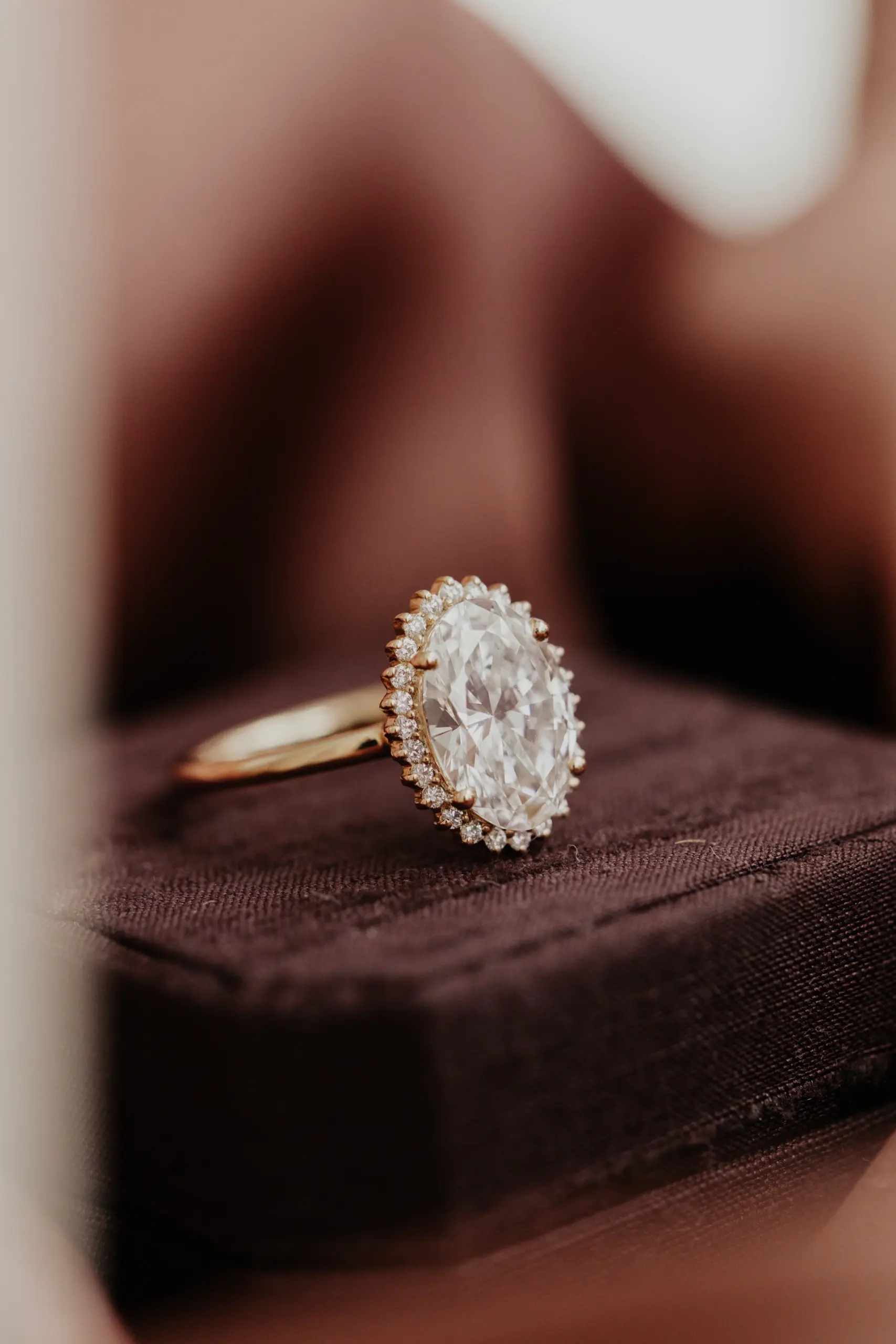
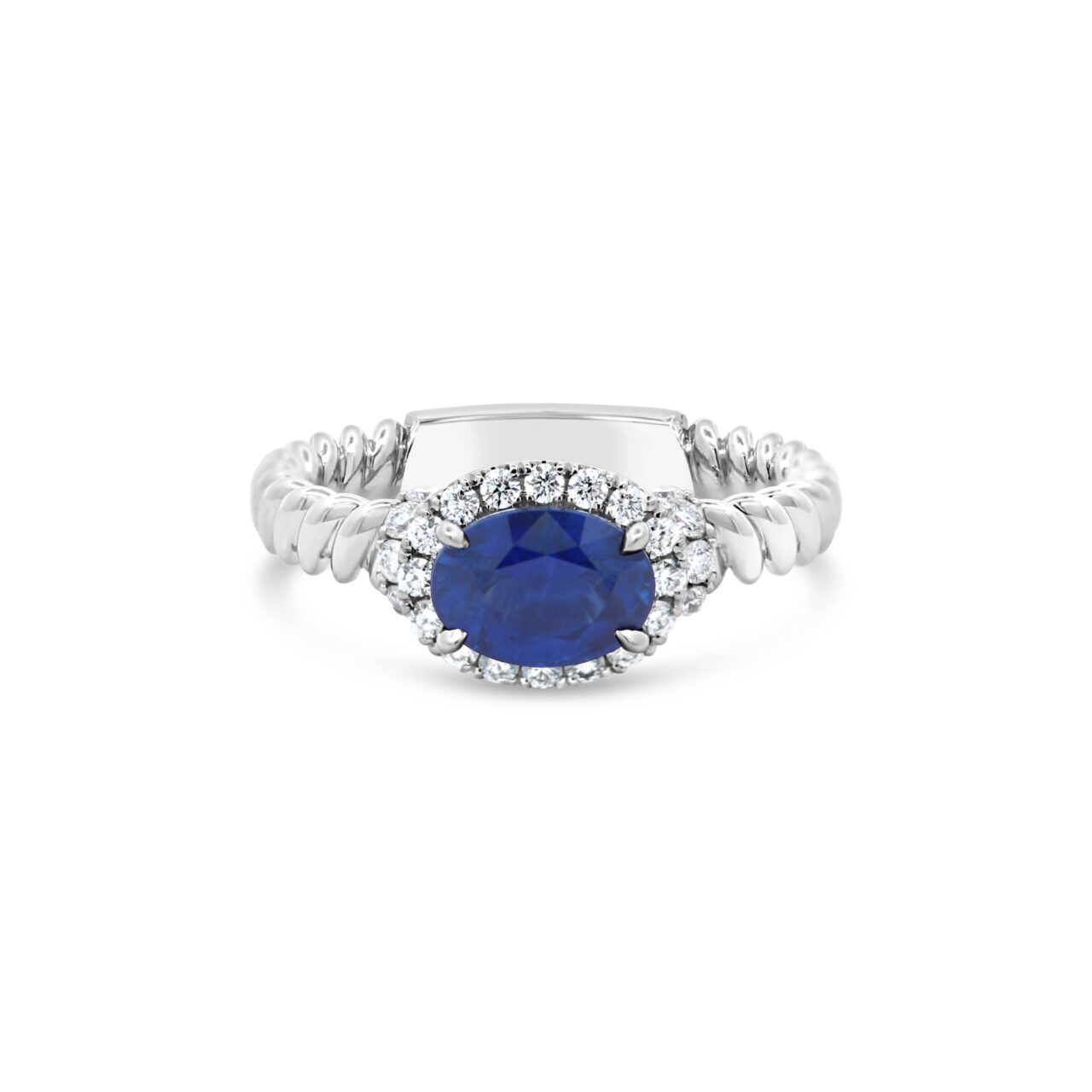
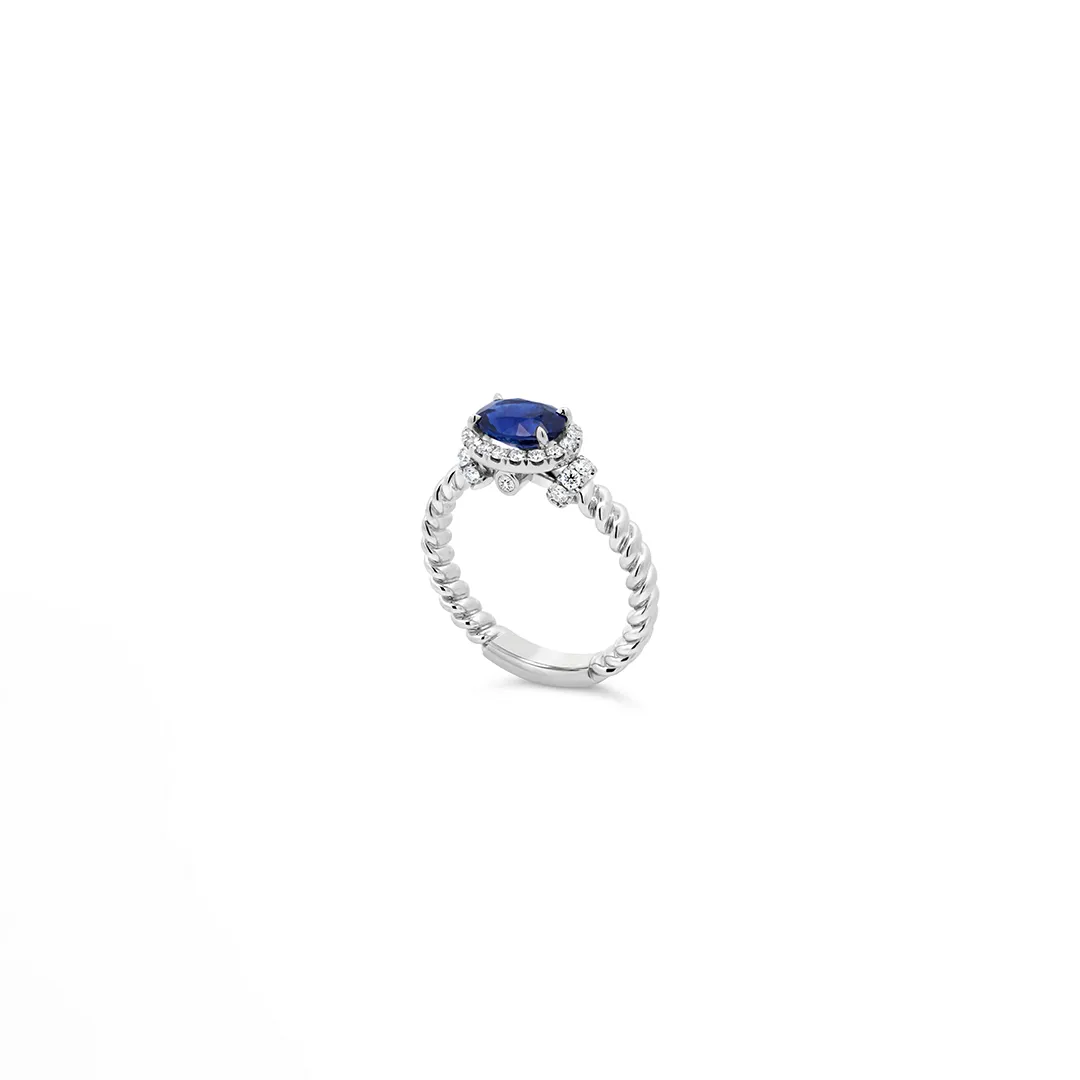
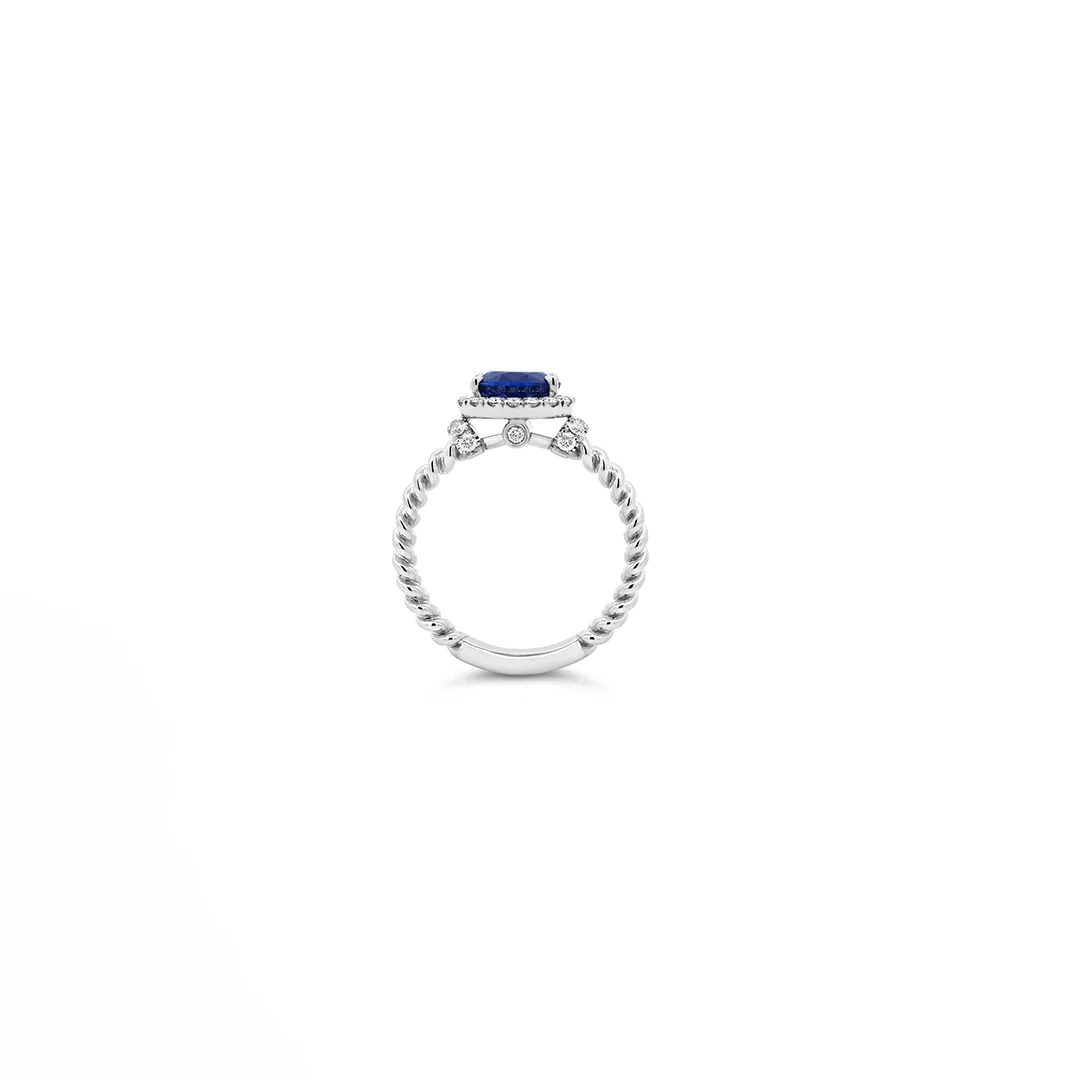
Cosmetologists tend to gravitate toward more expressive settings — halos, vintage-inspired designs, something with character. These are completely achievable. A halo with slightly larger accent stones rather than very fine micro-pavé will hold up to salon conditions better and is easier to clean thoroughly. Bezel halos offer the visual impact of a halo with better chemical resistance. Avoid very fine pavé and open filigree for daily salon wear — both trap dye and developer in ways that are genuinely difficult to clean.
03
Client admiration — the ring as part of the service
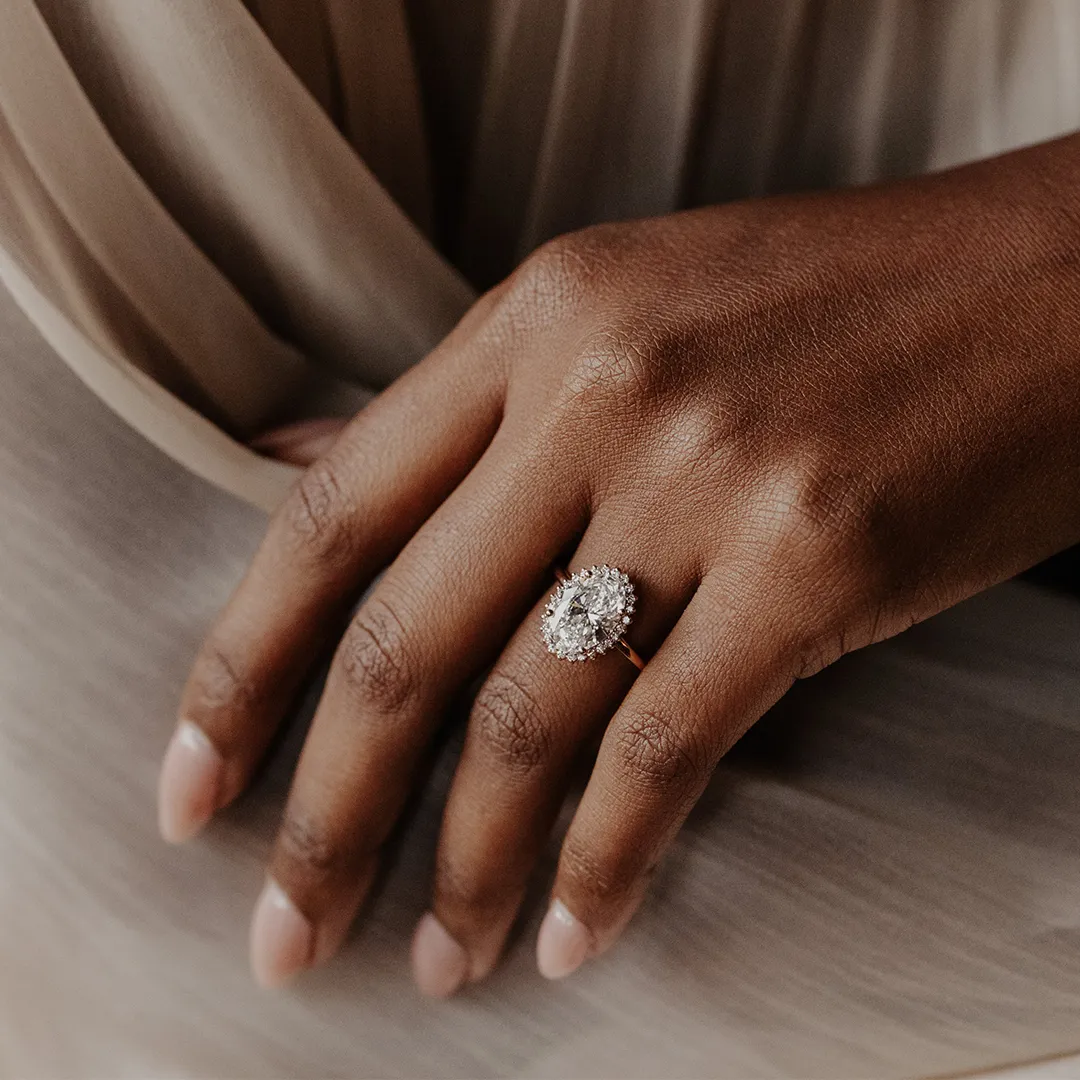
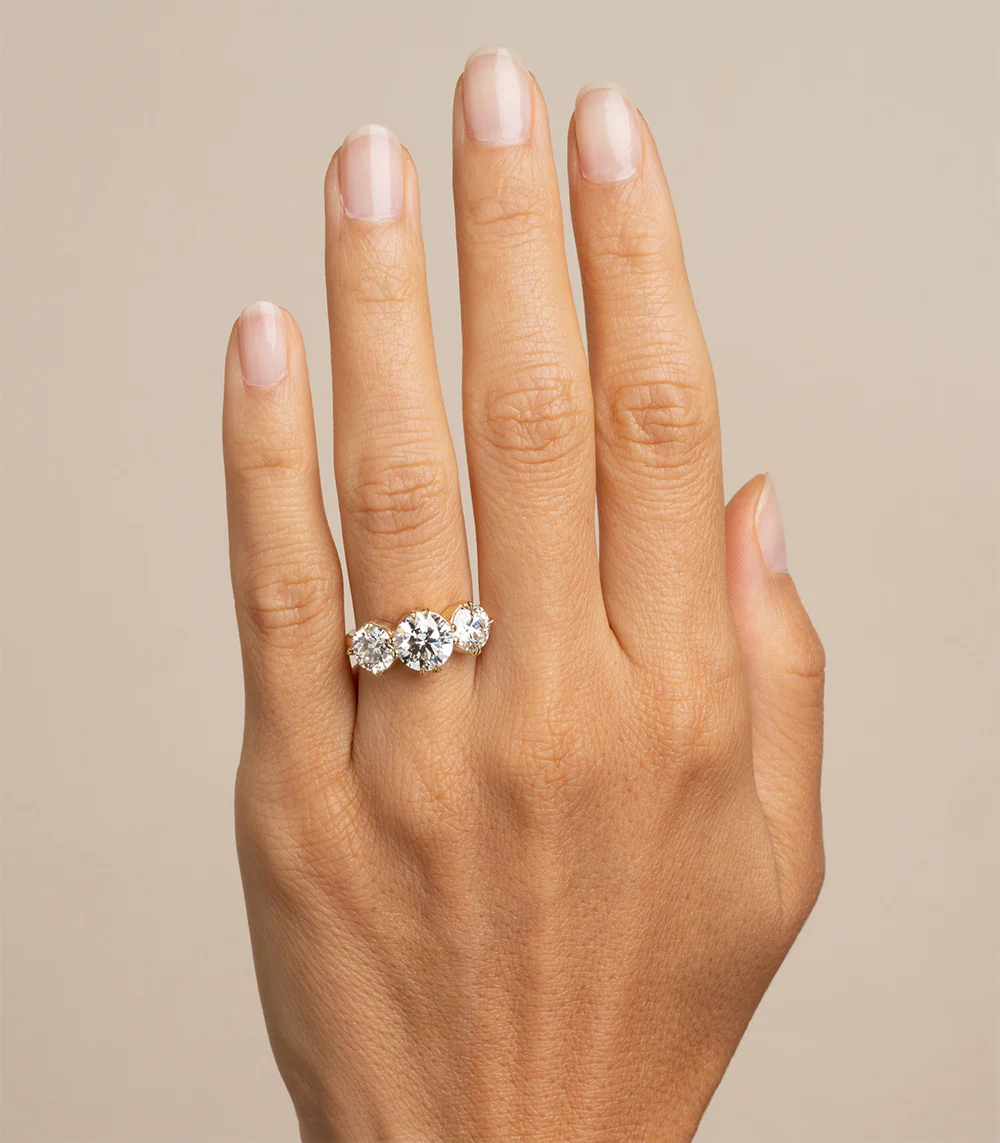
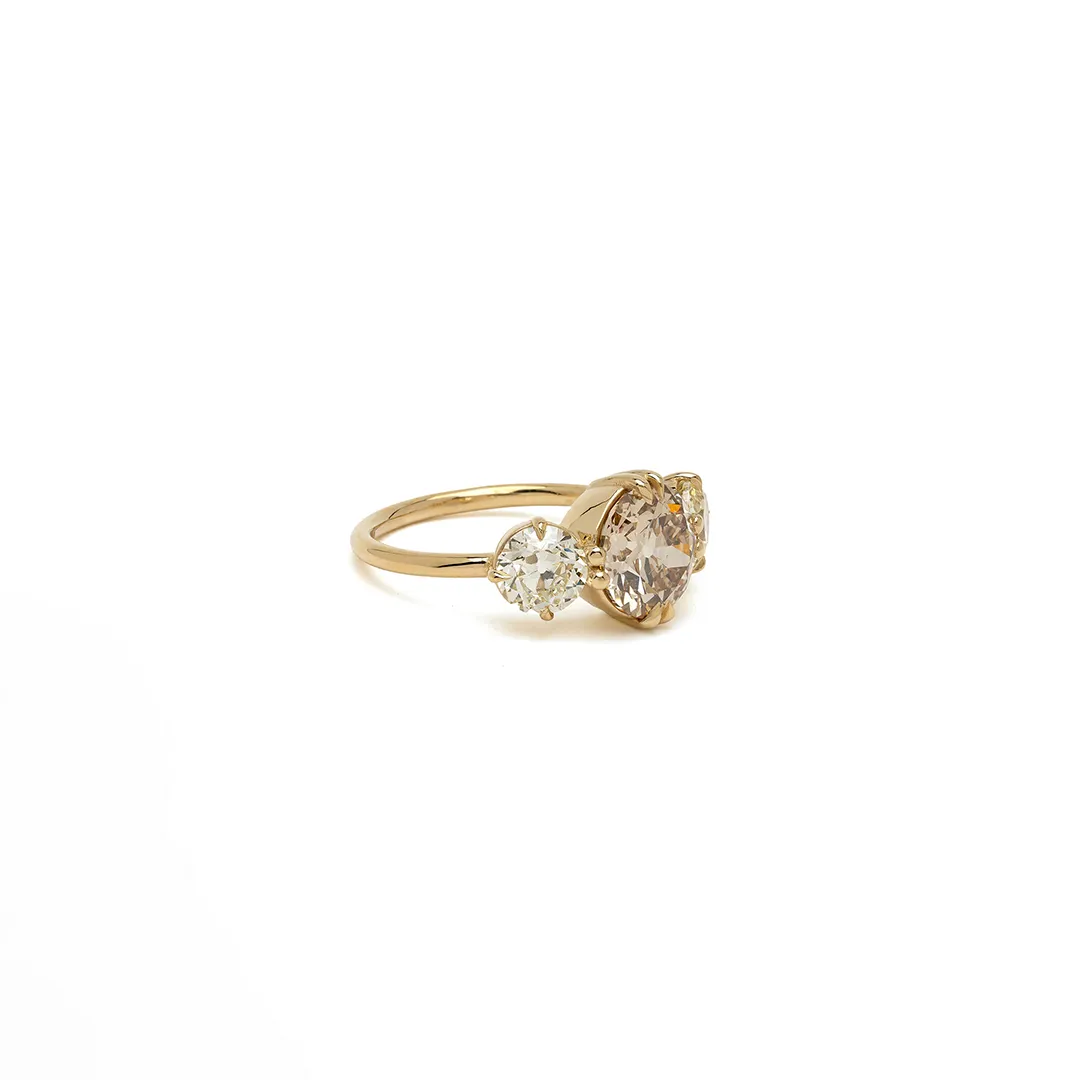
A cosmetologist’s ring gets more direct attention than almost any other profession — clients sit at close range for thirty minutes to several hours, hands visible throughout. A ring that clients compliment is a genuine professional asset in a relationship-based business. This means the ring can afford to be more expressive and visible than in clinical or corporate settings. A bold oval with a halo, a vintage rose-cut diamond, a coloured centre stone — all of these work beautifully in a salon context and give clients something genuine to admire and ask about.
04
Metal recommendation for salon work
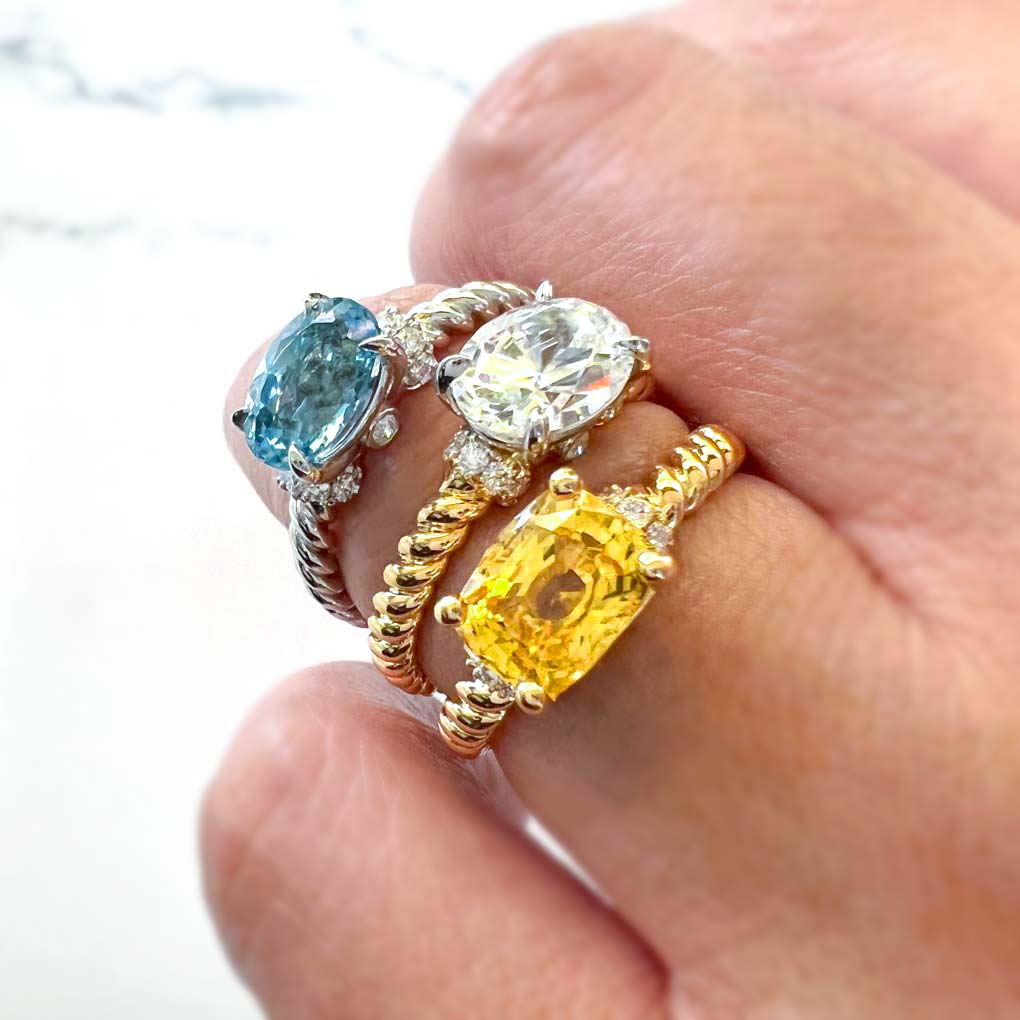
Yellow gold is actually the most practical metal choice for cosmetologists — it contains no rhodium plating, ages gracefully rather than degrading, and warm tones suit the beauty industry aesthetic particularly well right now. 14k yellow gold is harder than 18k and holds up better to daily salon wear. Platinum is the most chemically resistant option and worth the price premium for a cosmetologist who wants white metal. White gold is popular but genuinely requires more maintenance — re-plating every 12 to 18 months is realistic for daily salon wear.
Common questions
FAQ — what people
actually ask.
What engagement ring suits a cosmetologist best?
A bold, expressive setting in yellow gold or platinum is the most practical and stylish combination for salon work. A halo ring with slightly larger accent stones, a vintage-inspired design with milgrain detailing, or a coloured centre stone in an elegant setting all work beautifully in a salon environment. The key specifications: solid gold or platinum rather than plated white gold, settings without very fine micro-pavé or open filigree that trap hair dye, and a stone of Mohs 9 or above — diamond or sapphire — that handles salon chemicals without surface damage.
Does hair dye damage engagement rings?
It can, depending on the setting and metal. Permanent hair dye and hydrogen peroxide developer are the main concerns — both can settle into intricate settings and are difficult to remove completely with regular cleaning. The most practical precautions: wear gloves during colour services when possible, clean the ring thoroughly at the end of each working day, and choose a setting without very fine detail work that traps product. A smooth bezel or a halo with larger accent stones cleans much more easily than a fine micro-pavé band.
Can a cosmetologist wear a halo ring to work?
Yes — with the right version. A traditional fine micro-pavé halo is beautiful but traps salon product in the small gaps between stones. A halo with slightly larger accent stones, or a bezel-set centre stone with a halo surround, handles salon conditions significantly better. The visual impact is the same — that gorgeous frame of sparkle around the centre stone — but the practical maintenance is much more manageable. Many cosmetologists wear halos throughout their career without issue by cleaning them properly at the end of each working day.
Can a ring survive a day in the salon?
The right ring absolutely can. A solid gold or platinum ring in a setting without fine pavé or open filigree, cleaned at the end of each day, will handle salon conditions for years without significant wear. A ring that has to come off before every colour service and live in a drawer through every nail appointment isn’t really a daily ring. If it can handle scissors, bleach, and a full colour service and still catch the light when she finally sits down — that’s the one.