Profession matters · 2026 guide
Engagement rings
for dentists.
She’s precise, caring, and confident. She works with her hands all day — gloved, focused, moving between patients with a calm that her team depends on. Her ring lives through all of it — and it needs to be worthy of that.
See the collection ↓
Why profession matters
Practical doesn’t
mean plain.
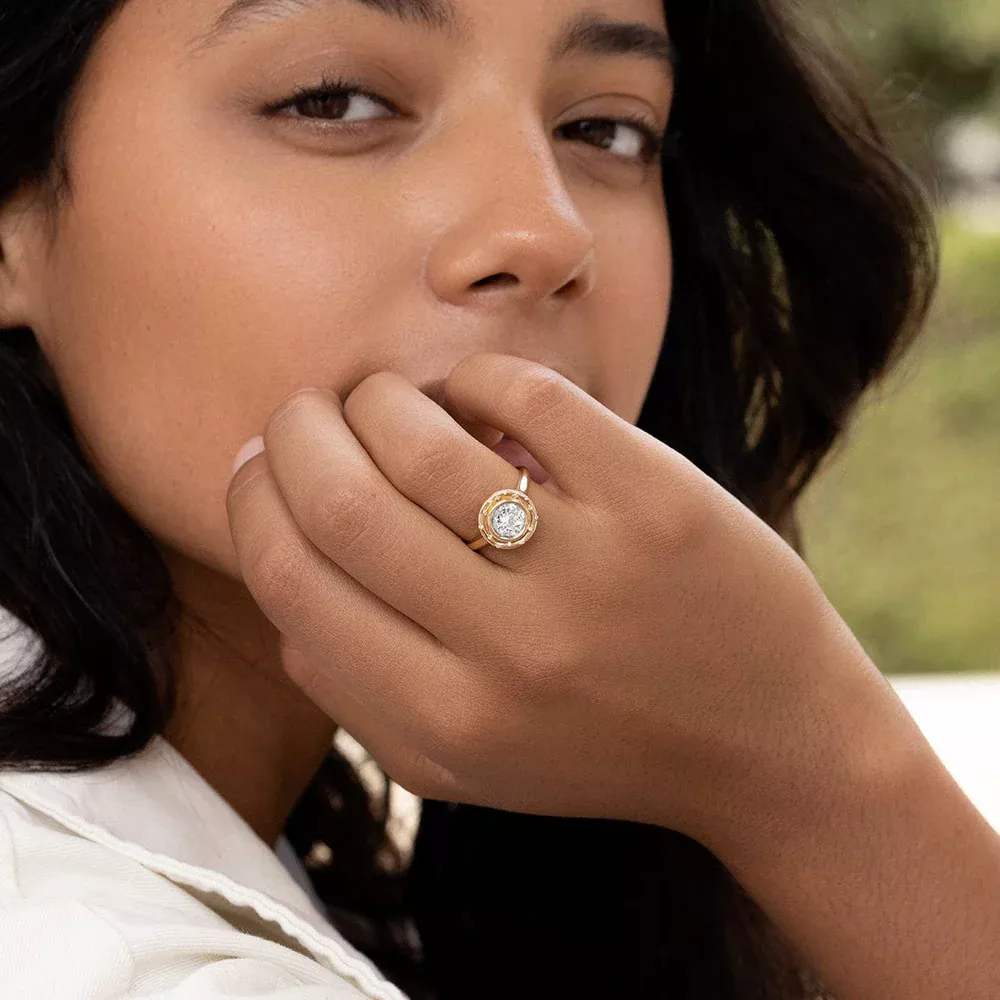
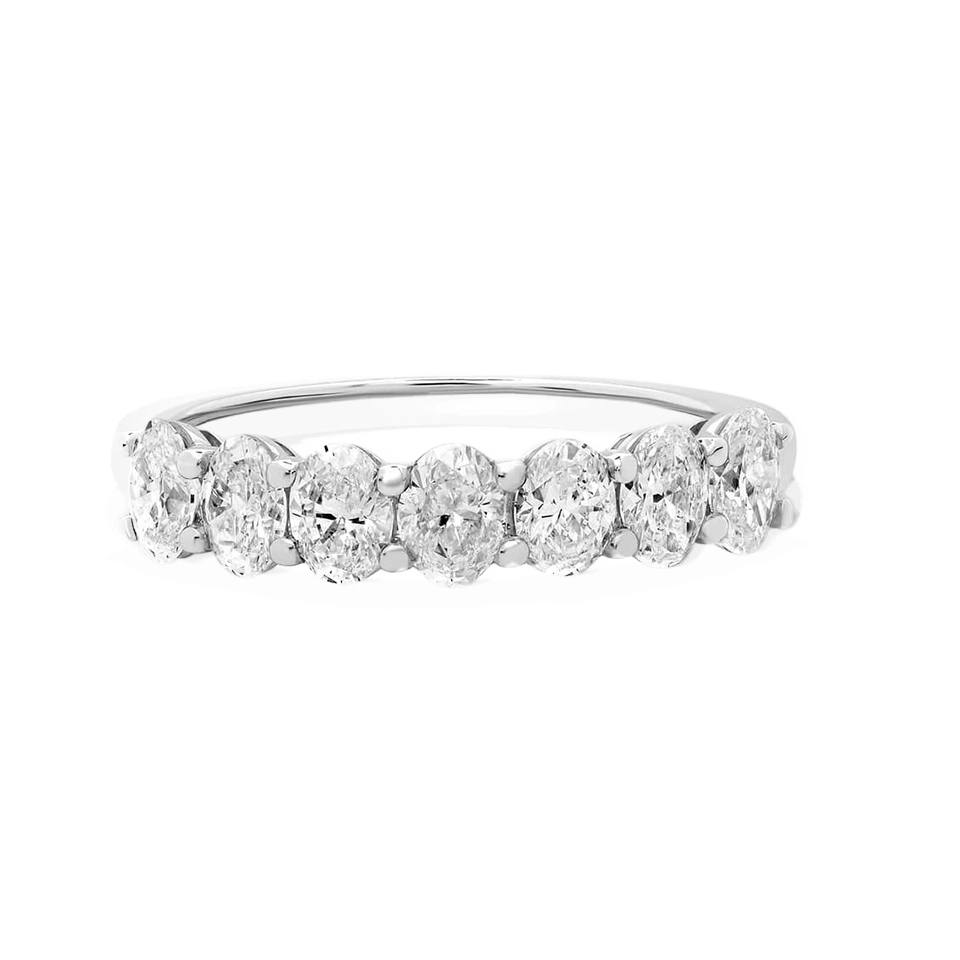
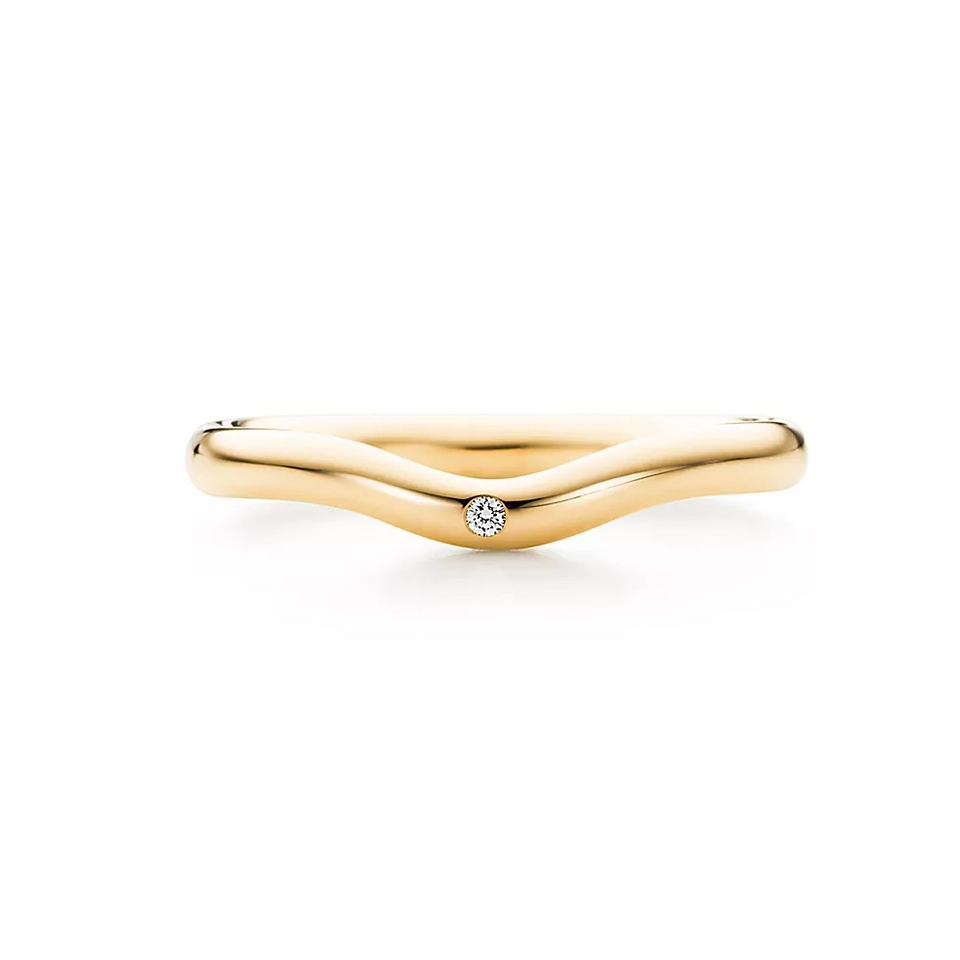
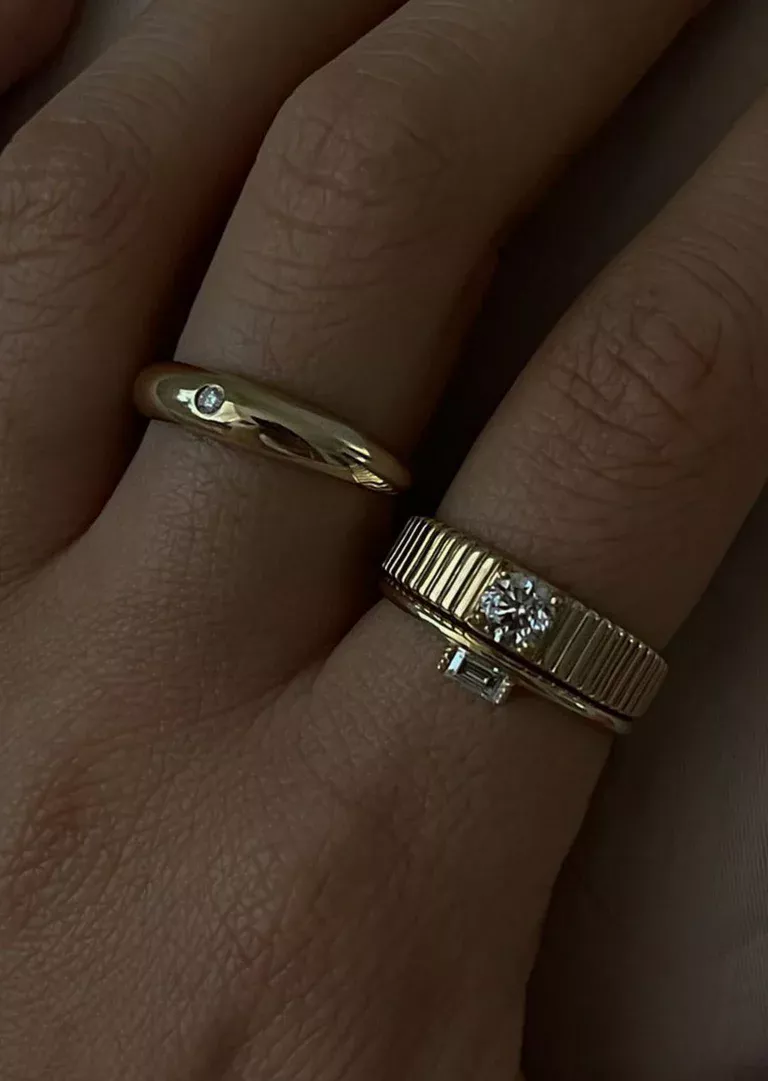
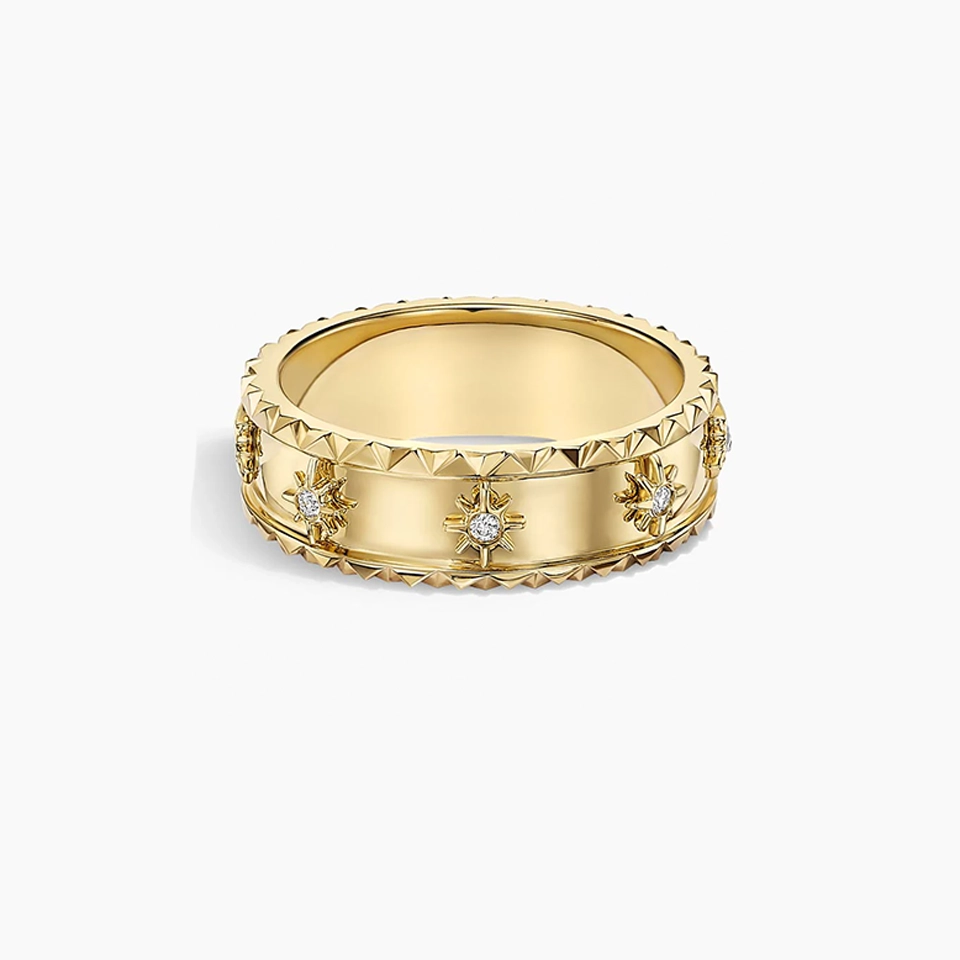
The rings in this collection are chosen with her actual day in mind — not just how they look in a jewellery case. Low-profile settings that slide under nitrile gloves without resistance. Secure stones that won’t loosen from the constant on-and-off. Metals that can be properly cleaned between patients without degrading.
A dentist’s style is classic and polished — she’d never wear something that felt like a compromise.
Every ring here is genuinely beautiful, just designed to last through the kind of work most people don’t think about when they’re choosing a ring.
By the end of a full clinic day, she’s changed gloves dozens of times, adjusted her loupes, and scrubbed in and out more than she can count. The right ring handles all of that without a second thought.
What to look for
Four things that matter
for dental work.
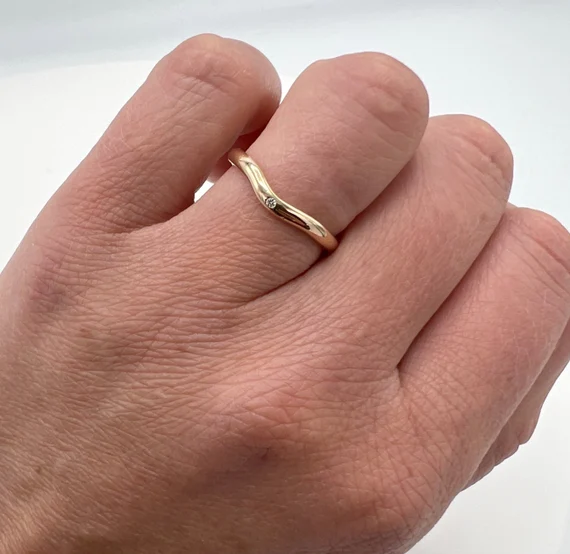
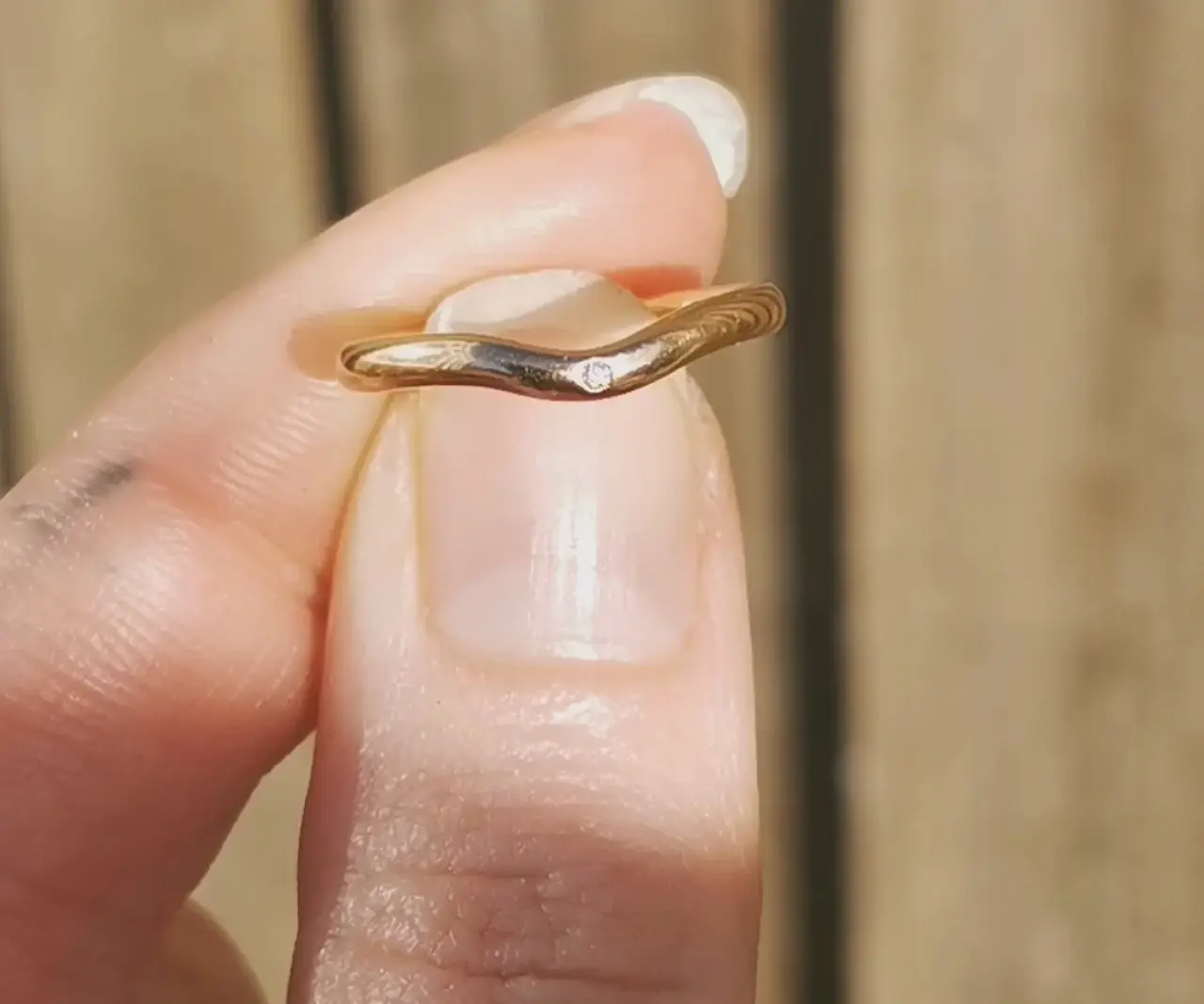
This matters more for dentists than almost any other profession. High cathedral settings that sit 5–6mm above the band will catch on nitrile gloves every single time. Look for bezel settings, tension settings, or low solitaires that sit under 4mm. The ring should feel like part of the finger, not something perched on top of it — anything that requires conscious awareness during a procedure is a distraction she doesn’t need.
The clinical standard
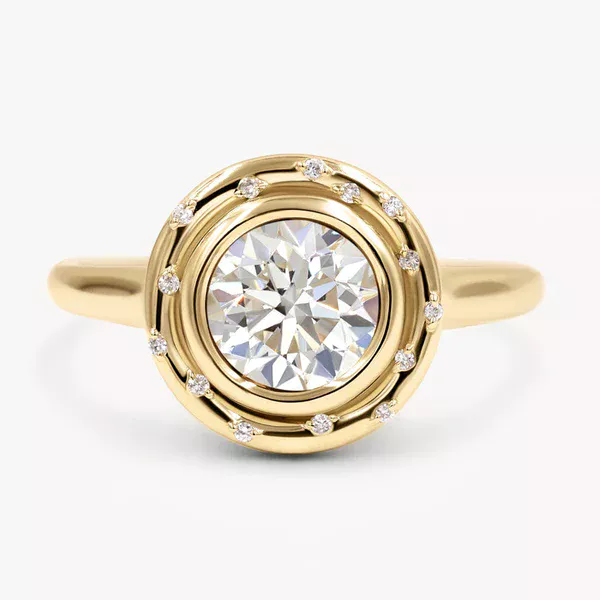
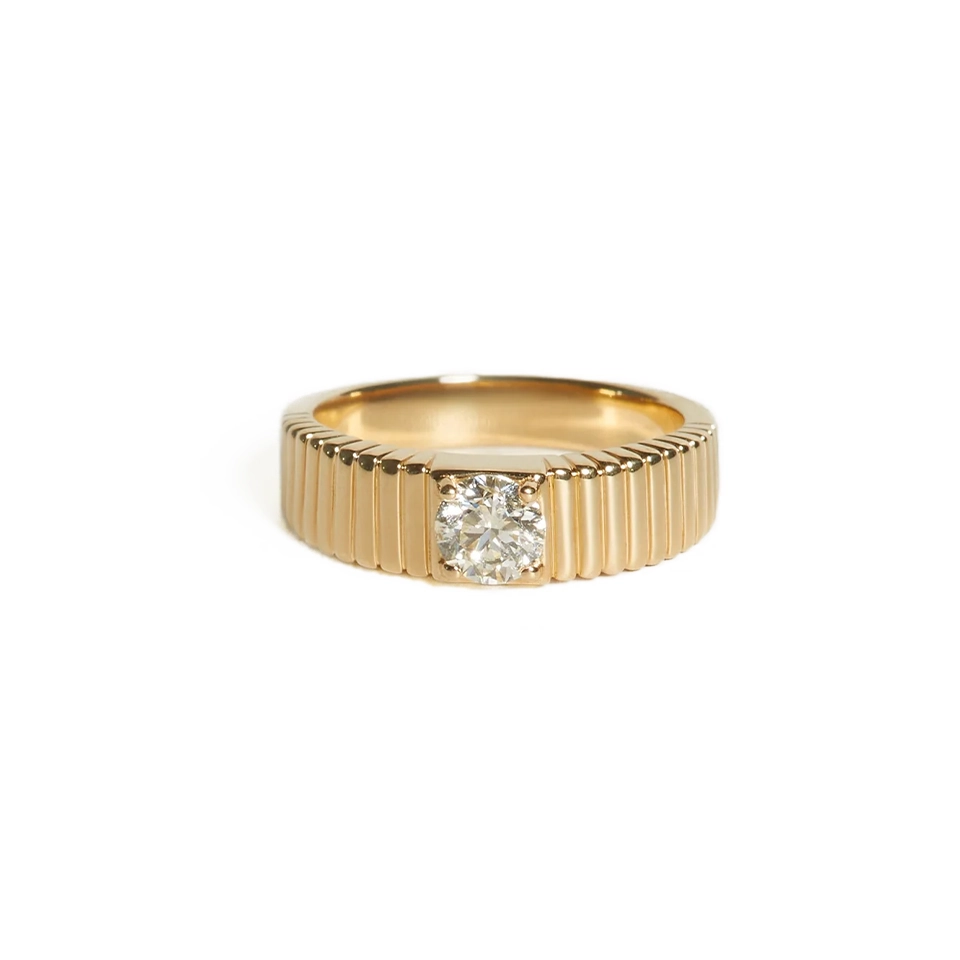
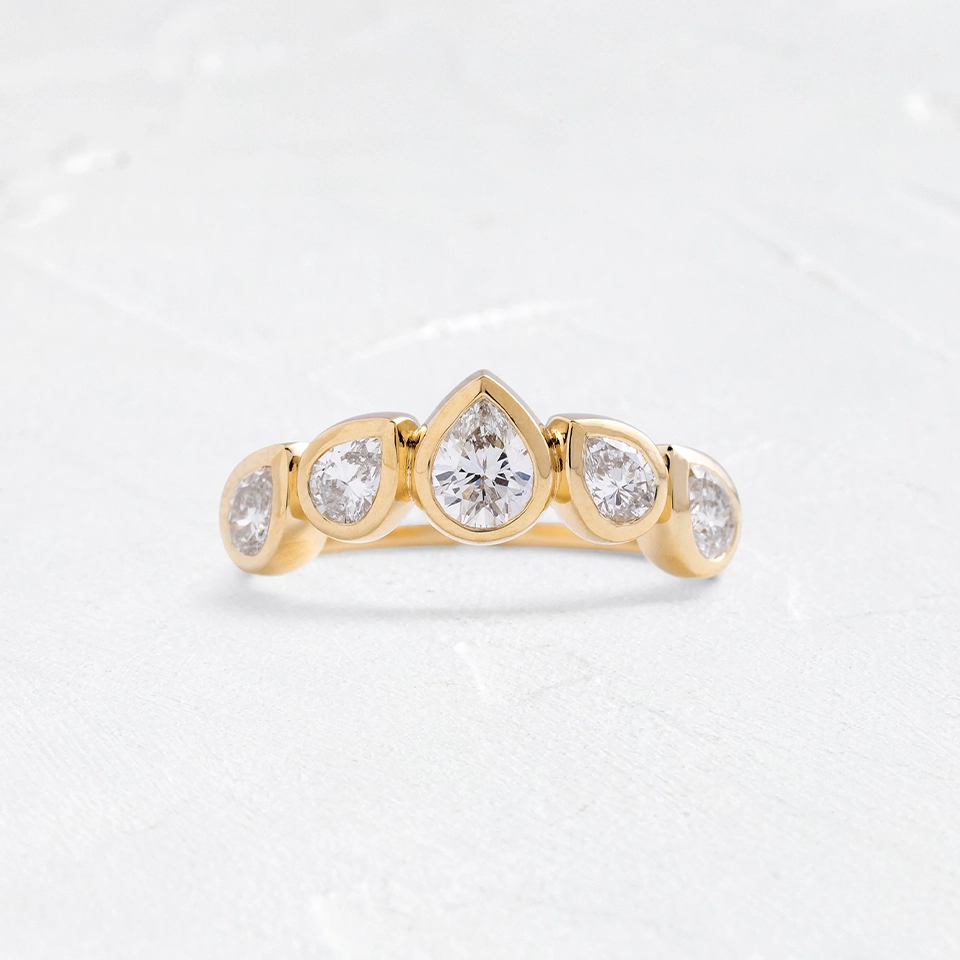
A smooth bezel or simple four-prong solitaire — cleans quickly and thoroughly, slides under gloves without resistance, and looks exactly right in a clinical environment.
Dental environments require hand hygiene that most rings aren’t designed for. Intricate pavé settings and vintage filigree trap debris and are almost impossible to clean properly between patients. A smooth bezel or a simple four-prong solitaire can be cleaned quickly and thoroughly. Some dentists take their ring off during procedures entirely — a low-profile design makes that easy rather than awkward, which means it actually happens rather than being skipped.
Constant glove changes put stress on prong settings over time. If she’s set on a prong setting, look for six-prong designs rather than four — they hold the stone more securely under repeated pressure. Bezel settings eliminate this concern entirely, as the stone is enclosed by metal on all sides. Diamonds and sapphires are the only stones worth considering for a working dentist — anything softer will show wear within a year of clinical use.
Platinum is the gold standard for clinical wear — it’s dense, doesn’t tarnish, and holds up to cleaning agents better than gold alloys. 14k or 18k white gold is a close second and more affordable. Rose gold is popular and perfectly durable, though it can show slight patina over years of clinical use. Yellow gold in 14k or 18k is a solid choice too. Avoid anything plated — the plating will wear off within months under dental working conditions.
Common questions
FAQ — what people
actually ask.
Can dentists wear engagement rings at work?
Most dentists can and do wear their rings at work, with some adjustments. The key is choosing a ring that works with gloves, not against them. Many dentists remove their ring during procedures and wear it between patients — a low-profile design makes this easy. Others wear their ring throughout the day in a bezel or flush setting that stays comfortable under gloves. It depends on the individual practice environment and personal preference.
What’s the best engagement ring setting for a dentist?
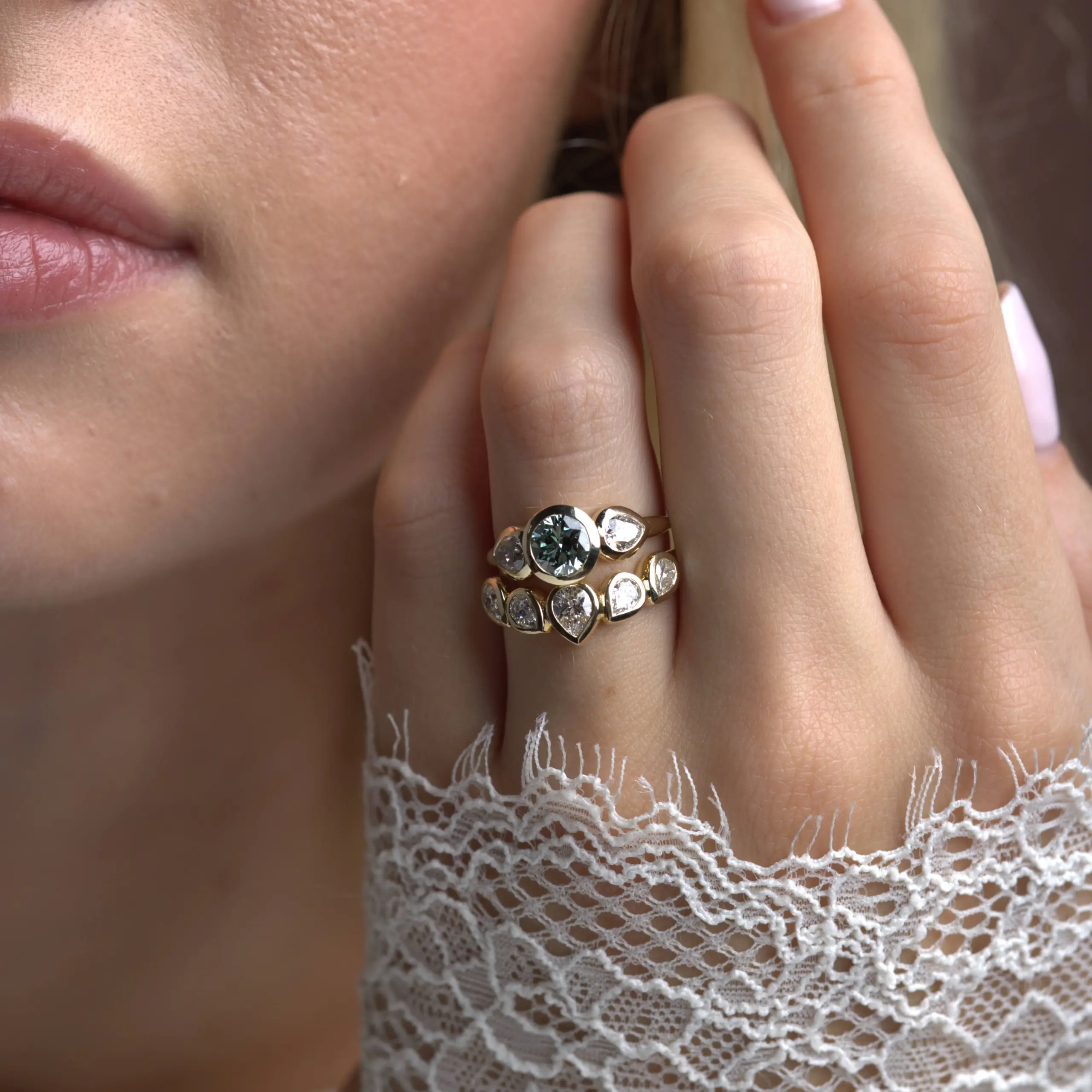
Bezel settings are consistently recommended for dentists and other clinical professionals — the stone is protected on all sides, there are no prongs to snag on gloves, and the ring is easy to clean properly. A low-profile four or six-prong solitaire is a close second if she prefers a more traditional look. Avoid pavé, halo, and vintage filigree settings for daily clinical wear — they’re stunning but genuinely difficult to keep clean in a dental environment.
Does wearing gloves all day damage an engagement ring?
Not the ring itself, but gloves can stress the setting over time — especially prongs. Nitrile gloves catch on raised settings and pull very slightly with each removal, which adds up over thousands of glove changes across a career. A secure bezel setting, or a six-prong solitaire checked annually by a jeweller, will handle clinical wear without issue. Most reputable jewellers offer free prong checks — it’s worth doing once a year.
What’s a realistic budget for a dentist’s engagement ring?
The rings in this collection range from under $1,500 to over $9,000. For a bezel-set lab-grown diamond solitaire in platinum or 14k gold — the ideal combination for a dentist — expect to pay $1,800–$3,500 from a reputable brand. Natural diamond equivalents in the same style typically start around $3,000–$5,500. The good news: the most practical settings for clinical work also tend to be among the more affordable — simplicity has a price advantage here.