Profession matters · 2026 guide
Engagement rings
for IT specialists.
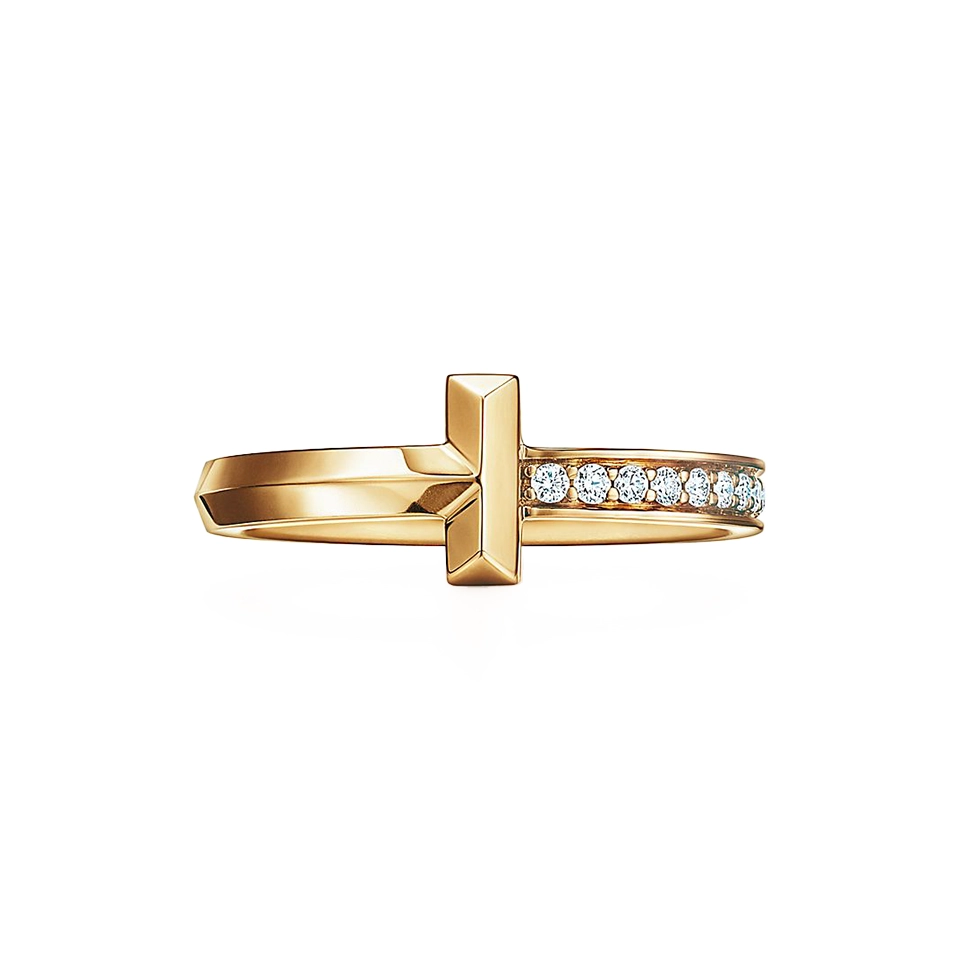
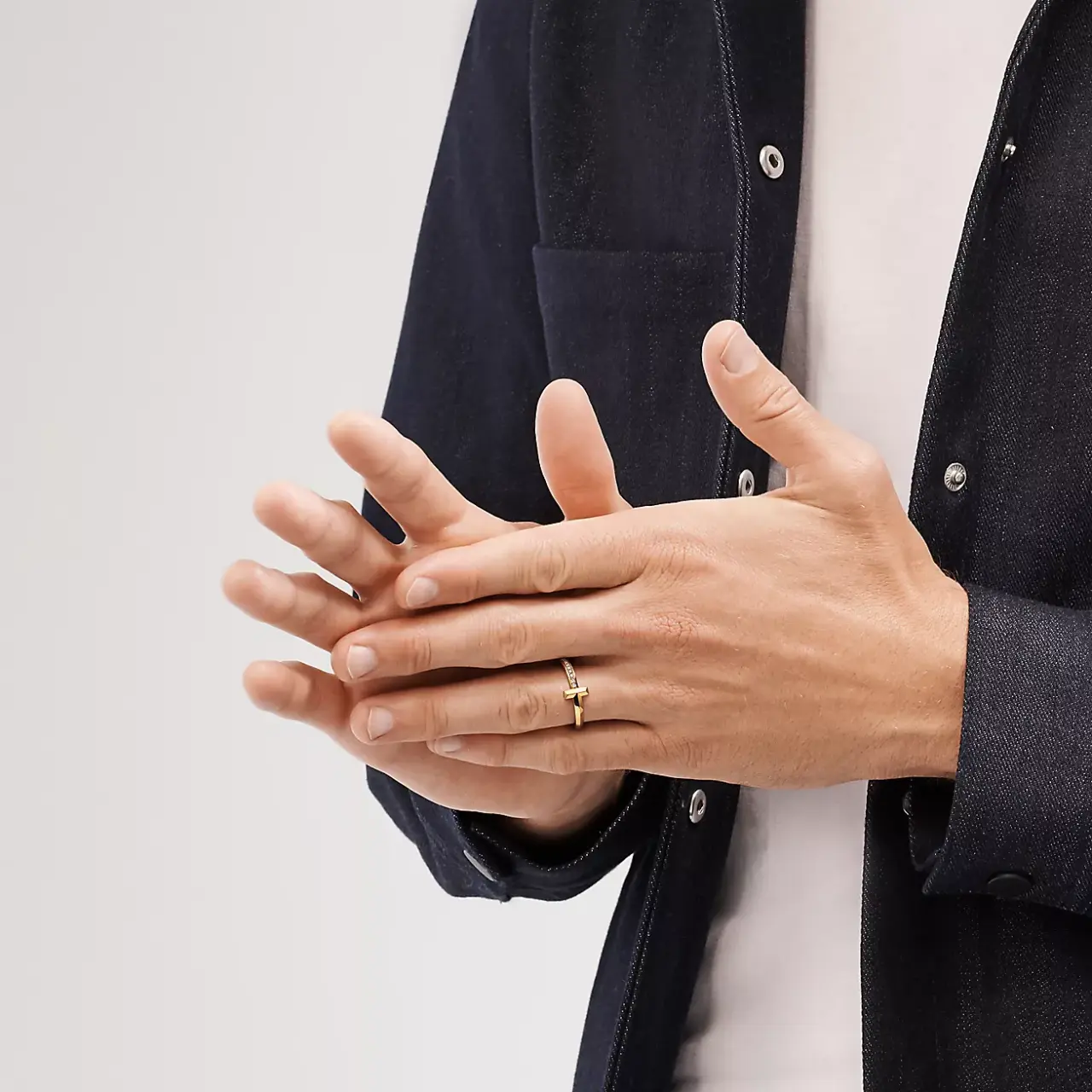
She’s already read four other guides and made a mental comparison table. Her ring needs to pass a real test — eight to ten hours of typing a day, across mechanical keyboards, touchpads, and server room equipment. Low-profile, minimal, precisely made.
See the collection ↓
Why profession matters
Elegant because of
proportions, not complexity.
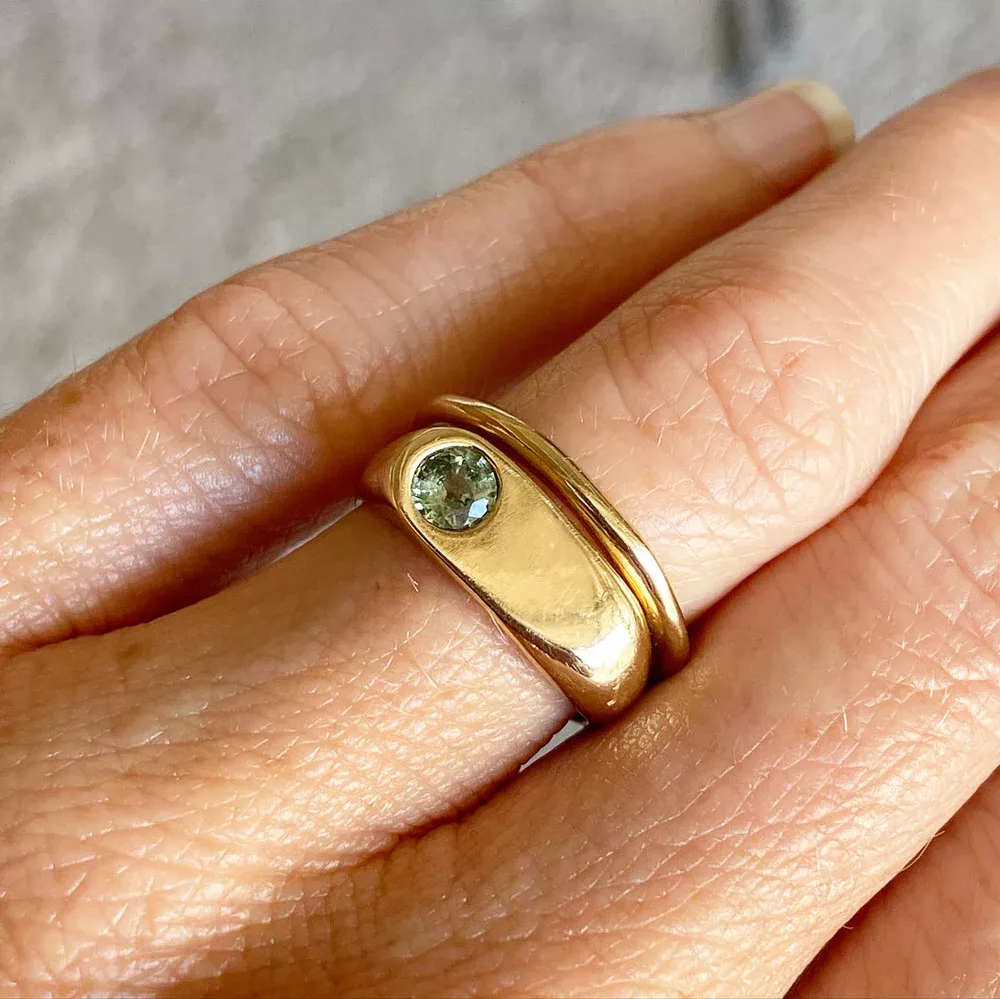
A ring that sits too high presses into the finger beside it with every keystroke. One with sharp prong edges will catch on keycaps. A band that’s too wide limits finger movement in ways that become distracting by mid-morning. These aren’t theoretical concerns.
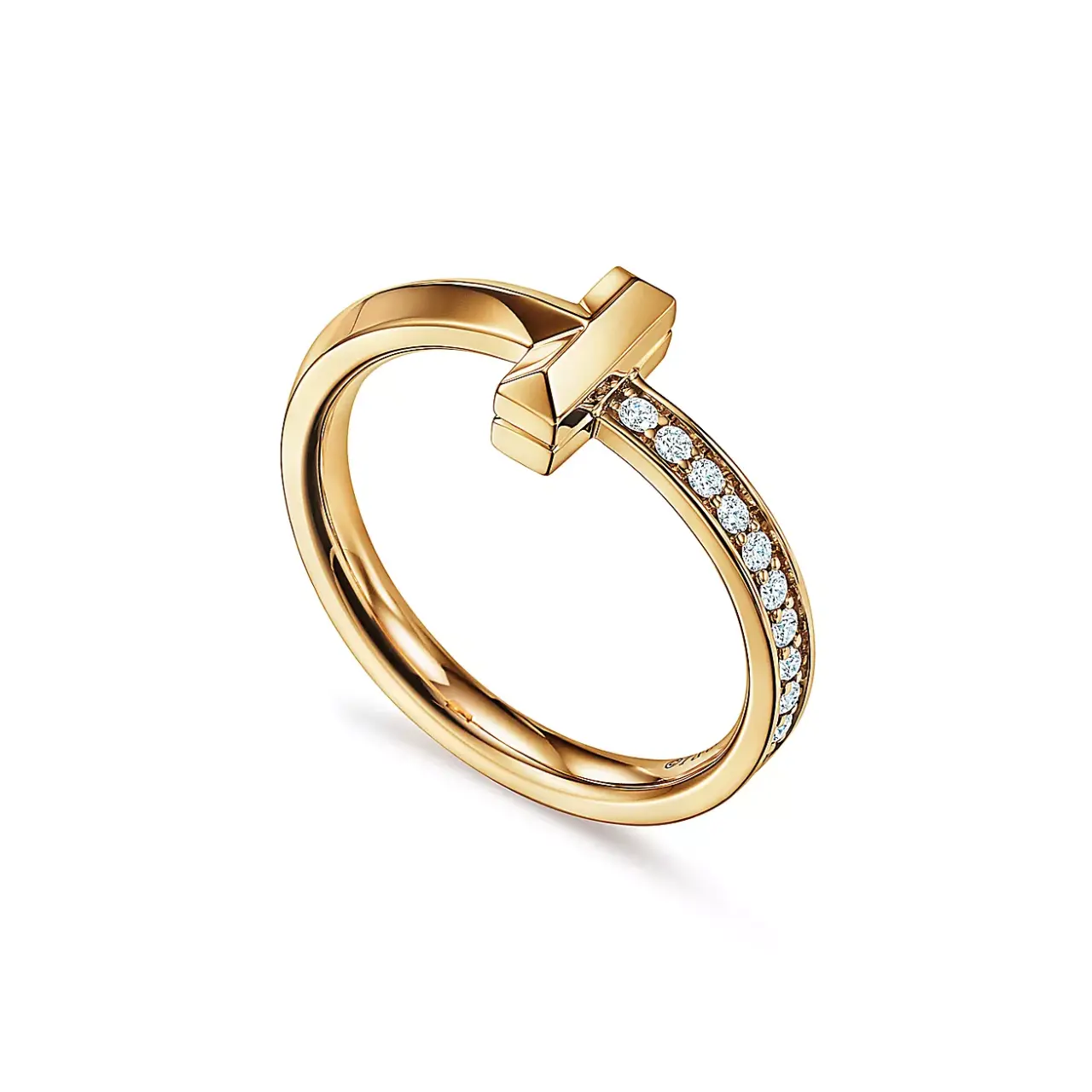
They’re the reason IT specialists consistently gravitate toward the same category of ring: low-profile, minimal, precisely made. Her style is simple and modern — clean lines, nothing that demands attention it hasn’t earned.
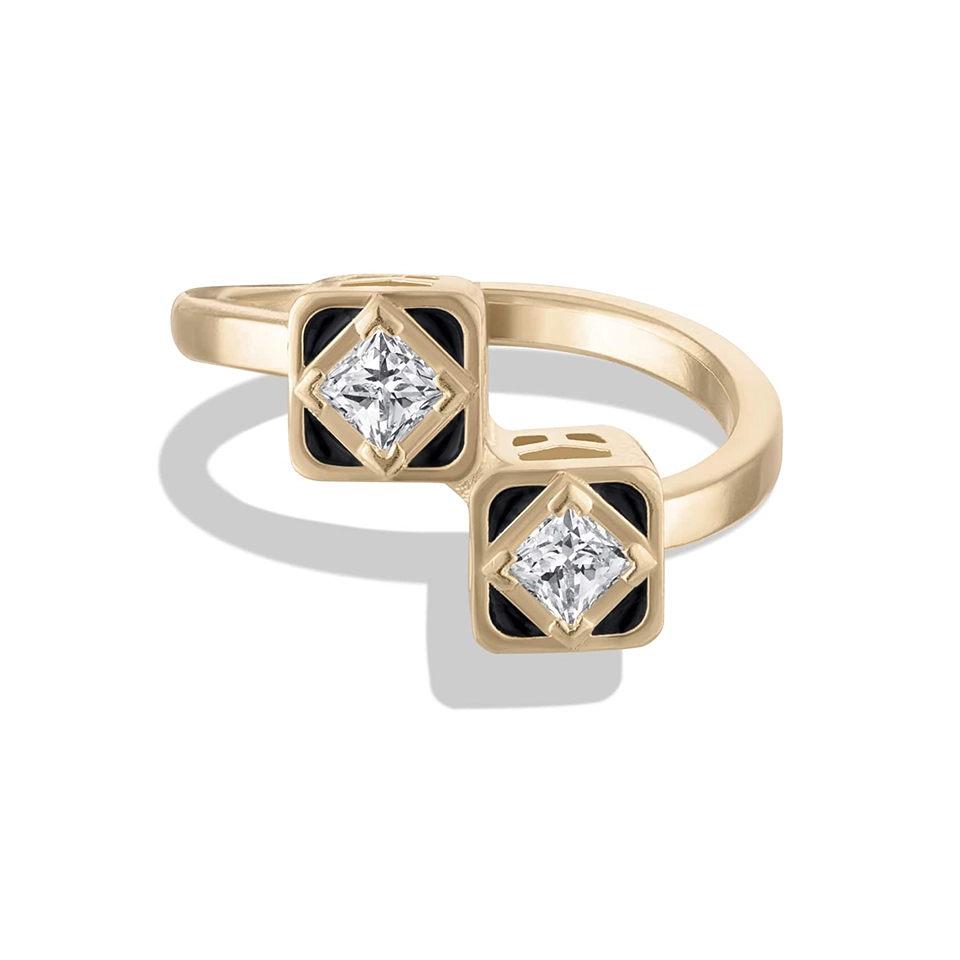
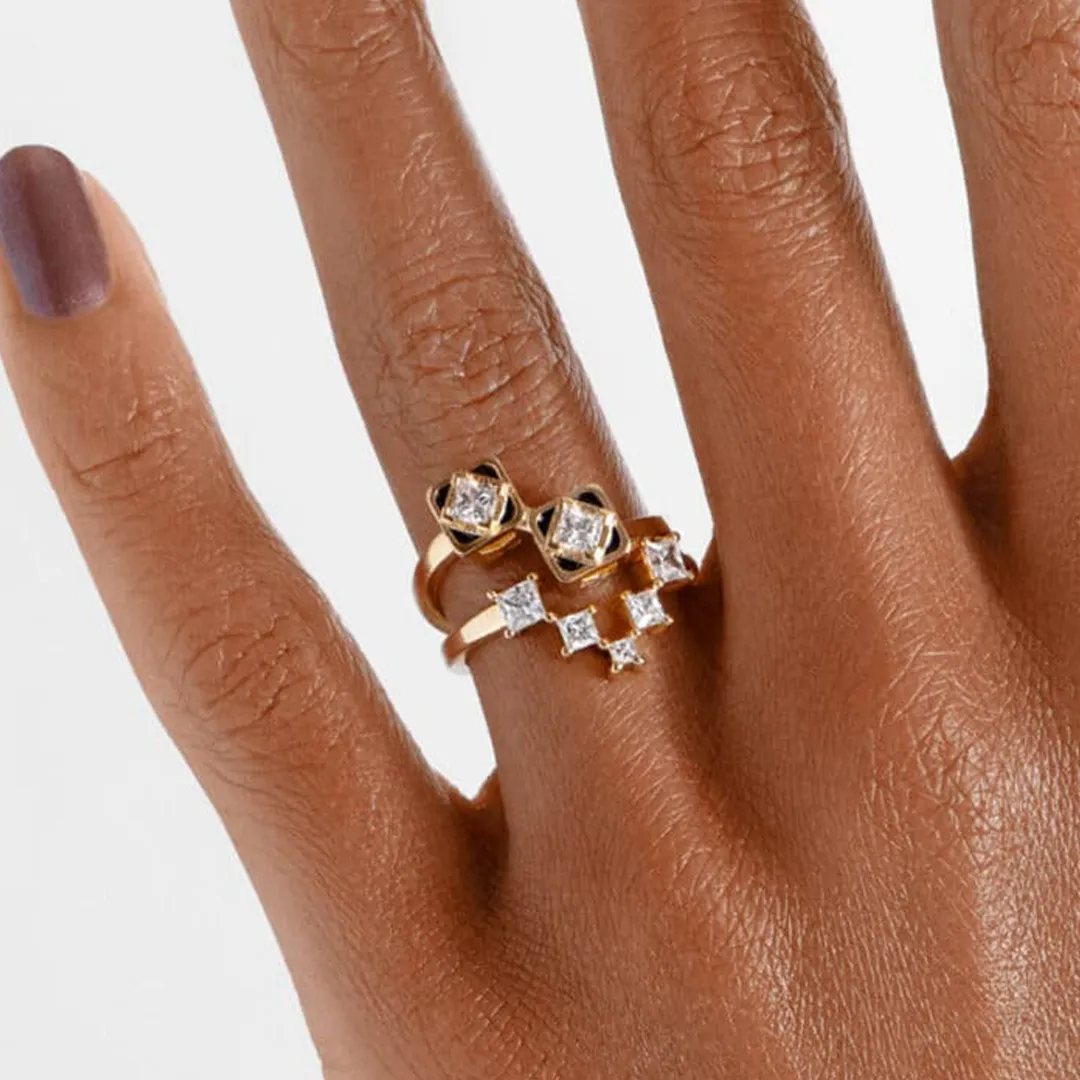
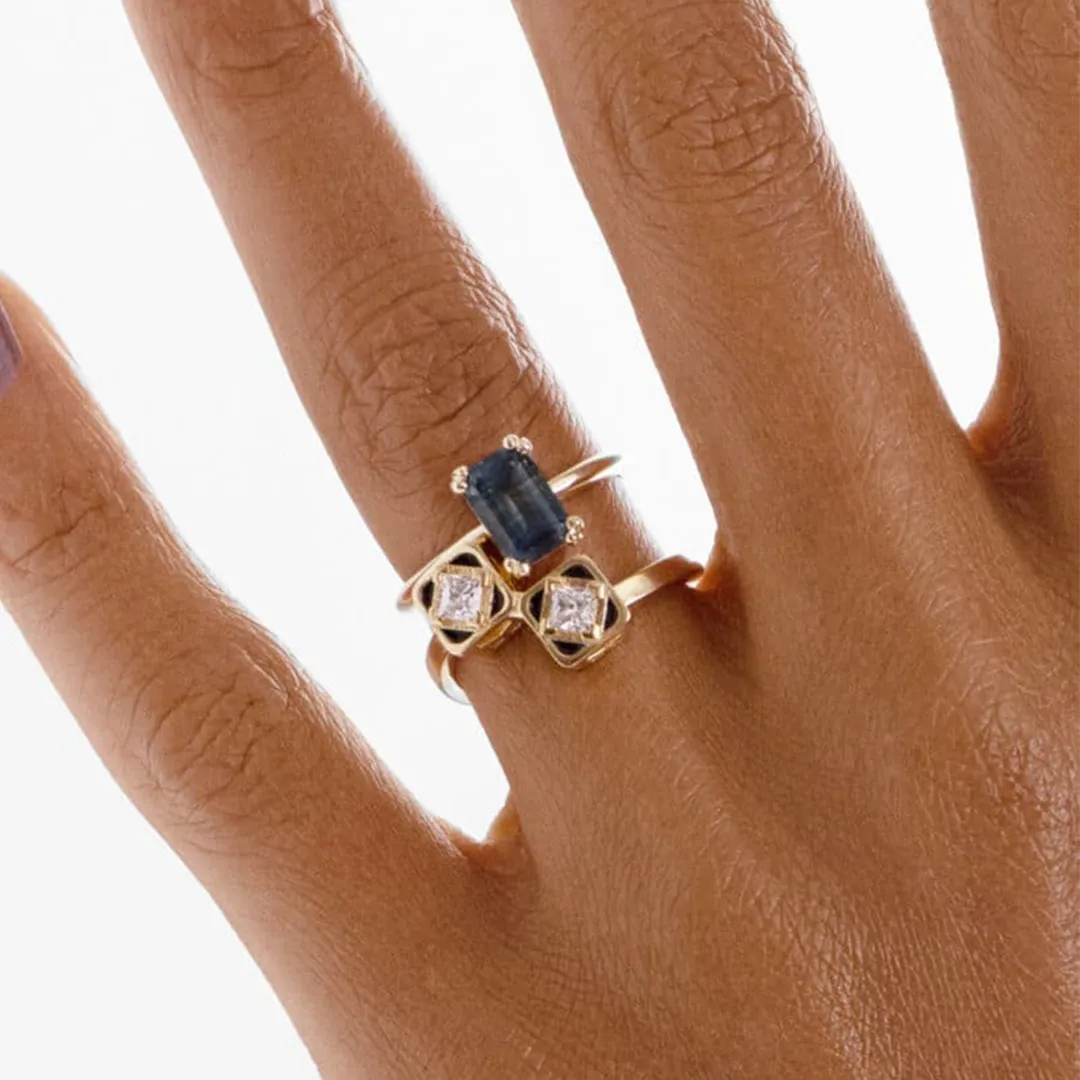
A ring that’s elegant because of its proportions and quality rather than its complexity. Every ring here is personally chosen with that in mind.
For someone who evaluates decisions based on specifications and evidence rather than tradition, the right ring is the one where every detail has been properly considered.
What to look for
Four things that matter
for daily keyboard use.
01
Setting height — measure this before you buy
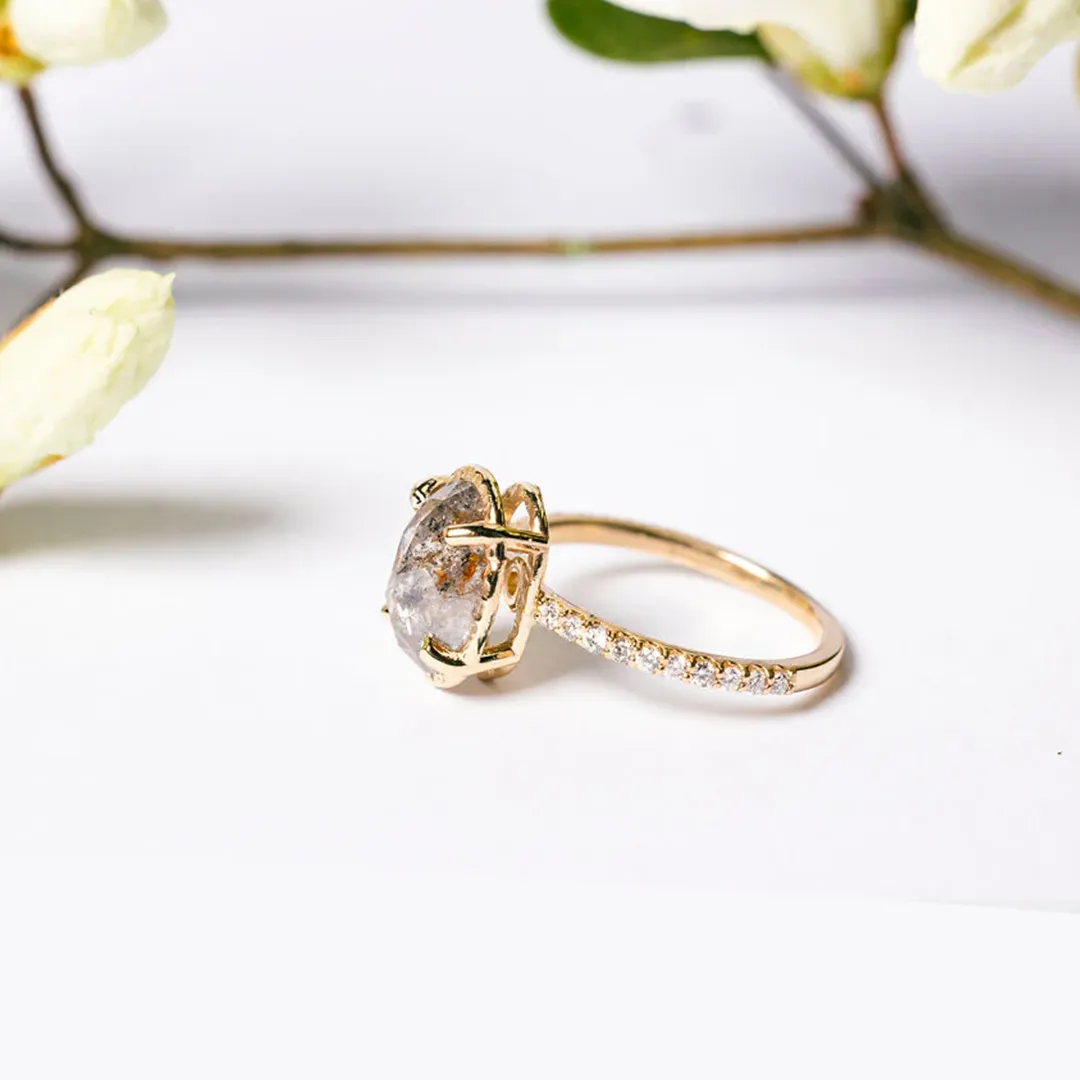
For anyone typing all day, setting height is the single most important specification. Under 4mm is comfortable for full-day keyboard use. Over 6mm will cause persistent friction with the adjacent finger across a long typing session. Most jewellers list setting height in the product specifications — if it’s not listed, ask before purchasing. Bezel settings and tension settings are almost always under 4mm. Low-profile solitaires in a slim four-prong setting typically sit between 4–5mm.
The IT specialist’s specification
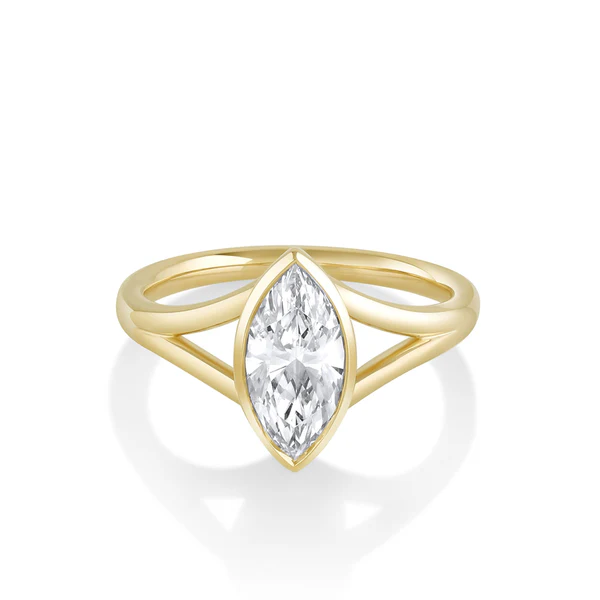
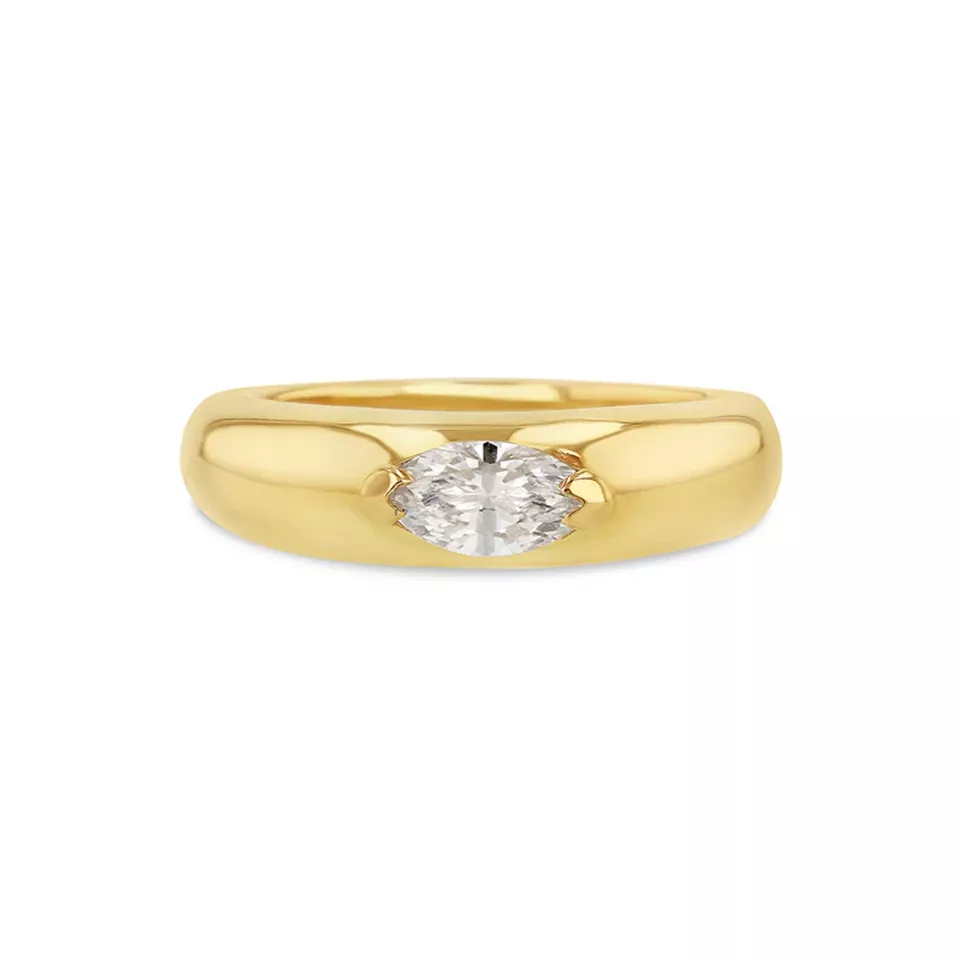
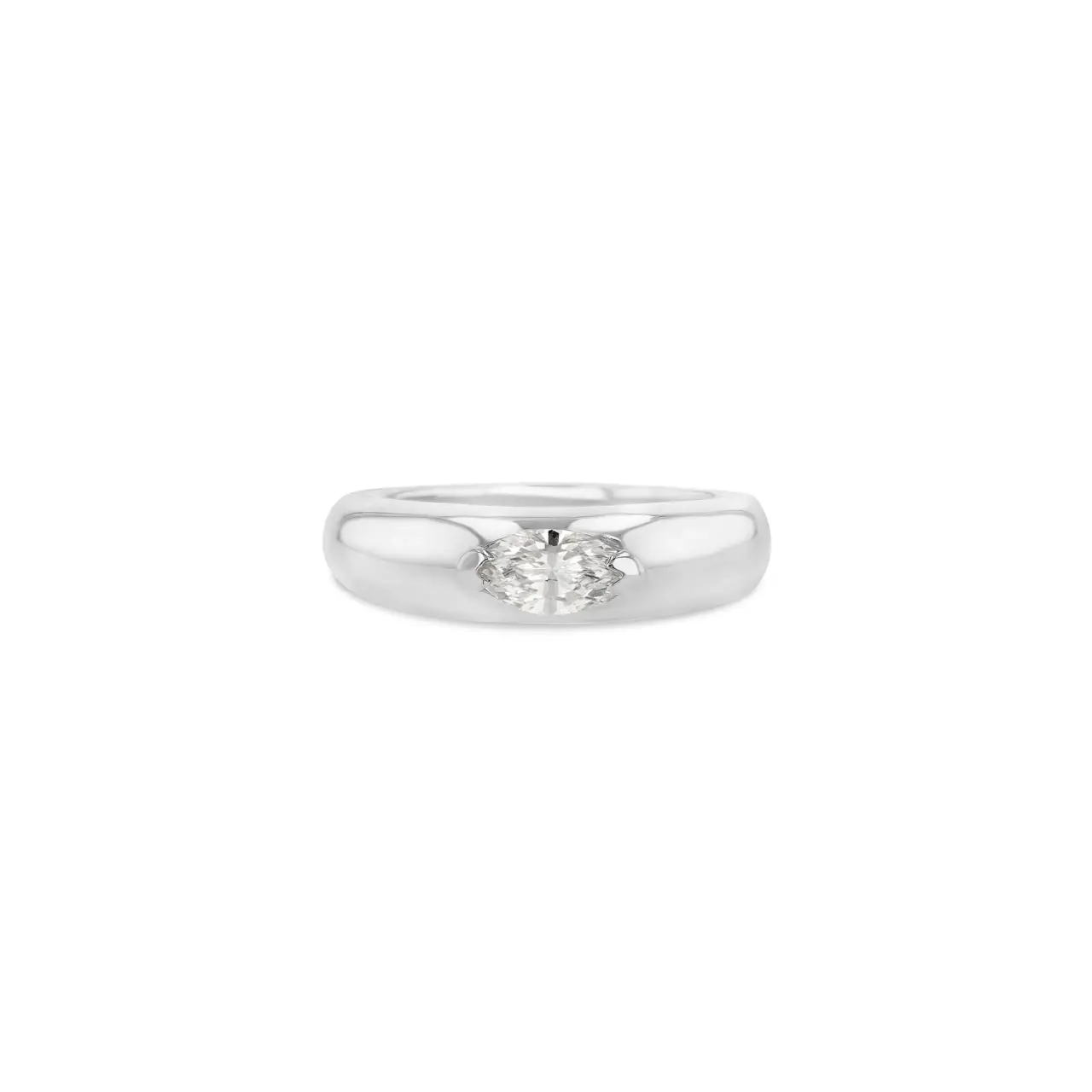
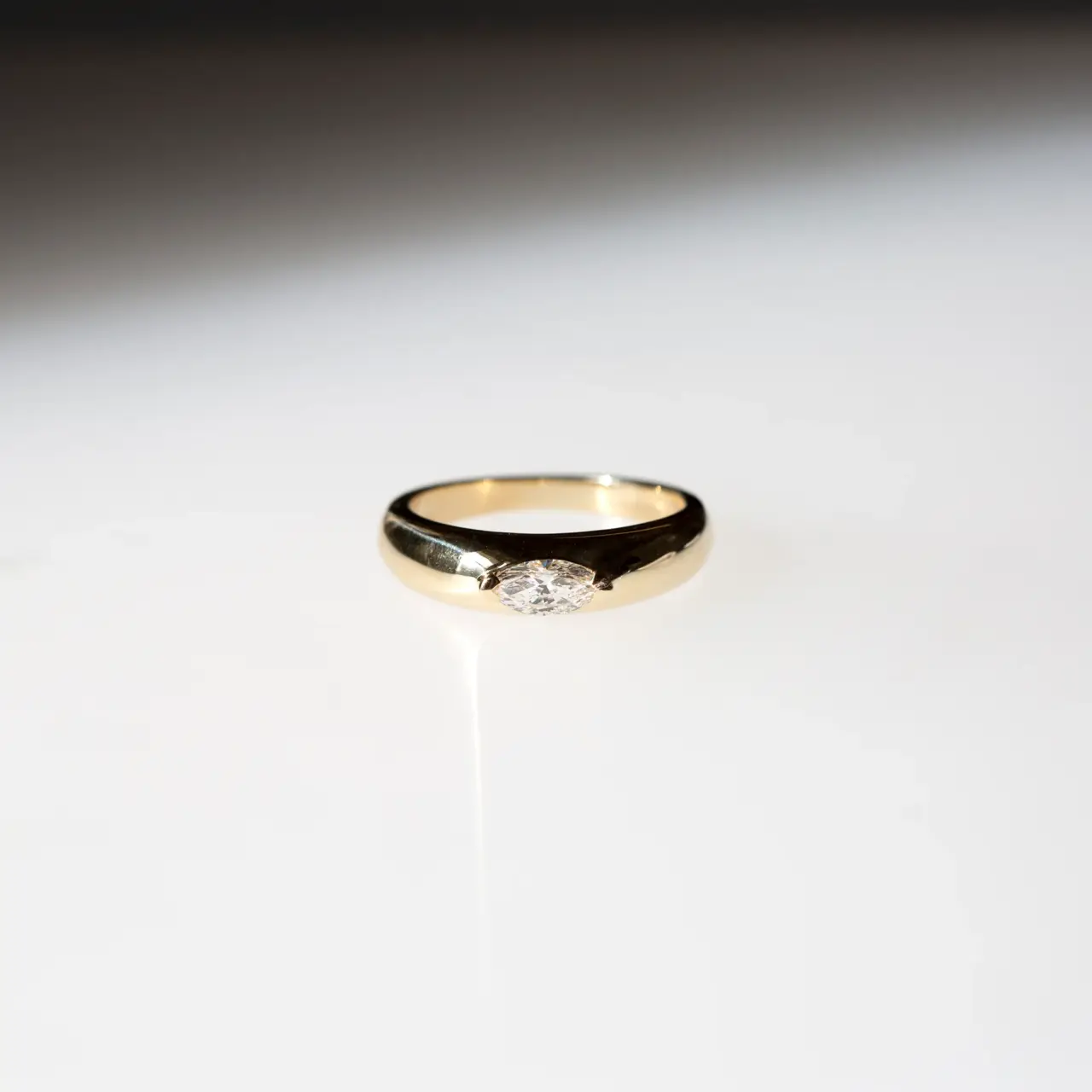
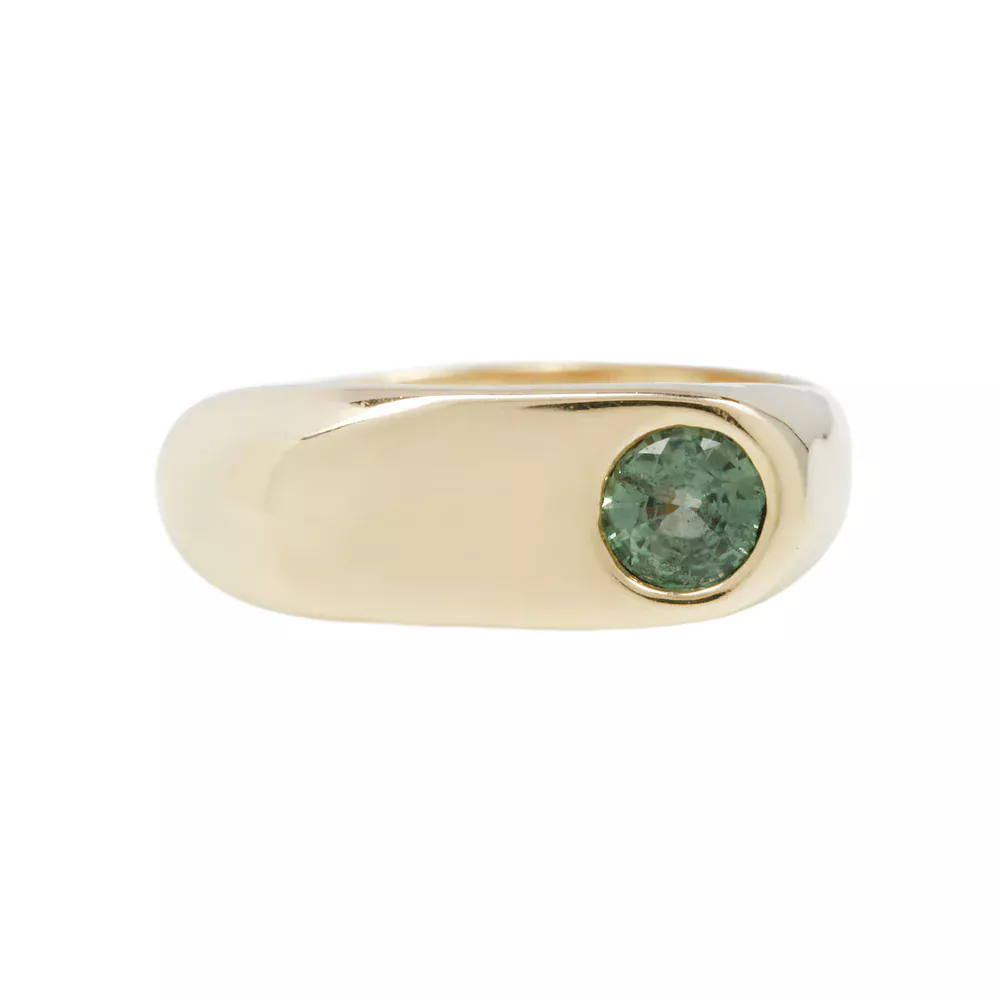
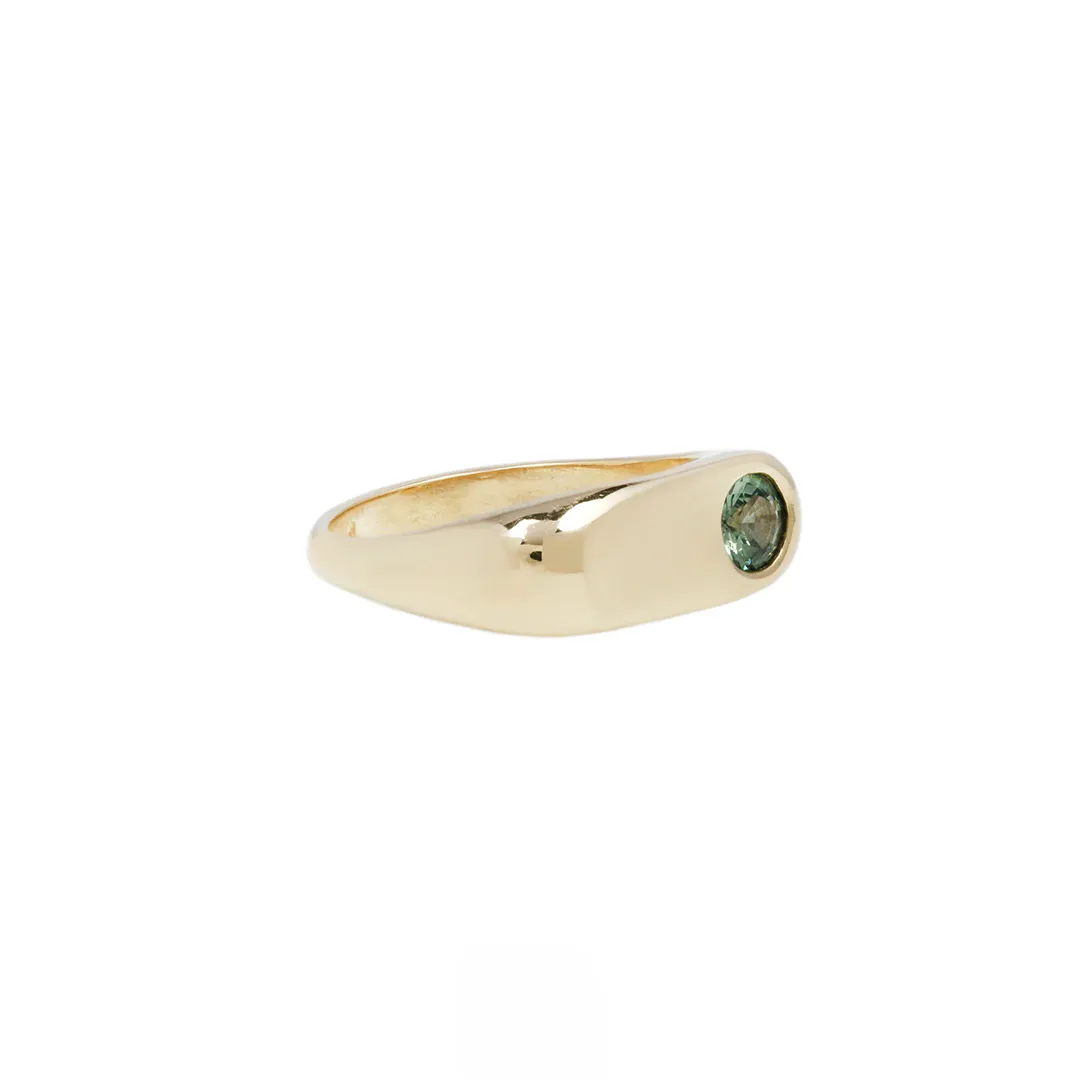
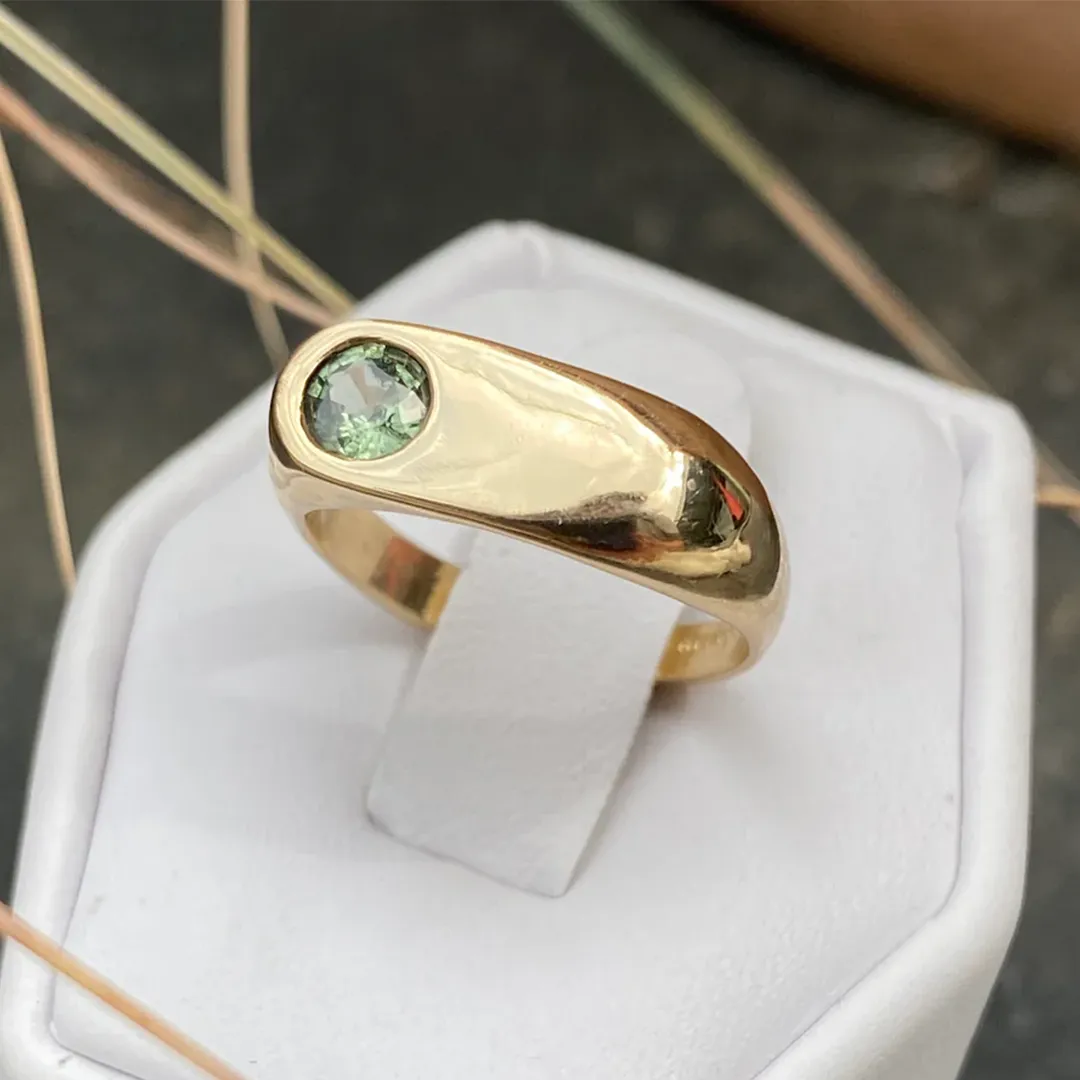
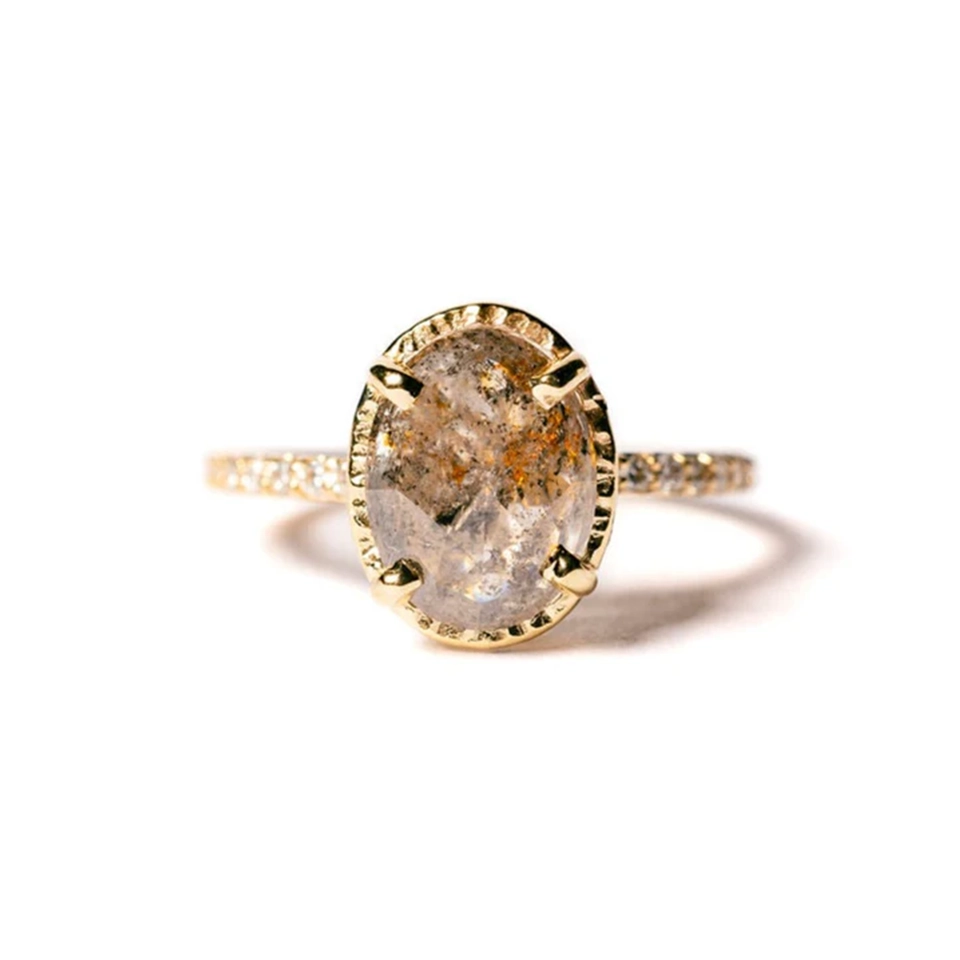
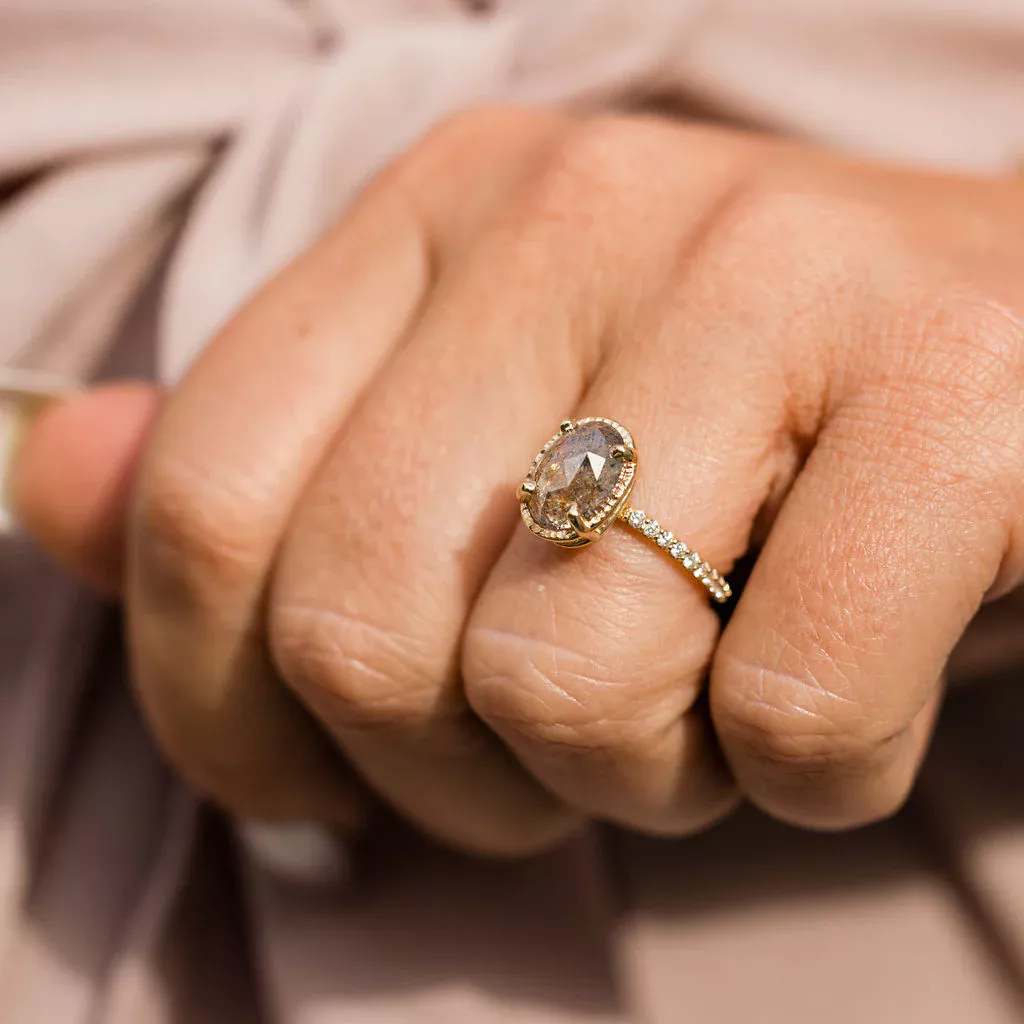
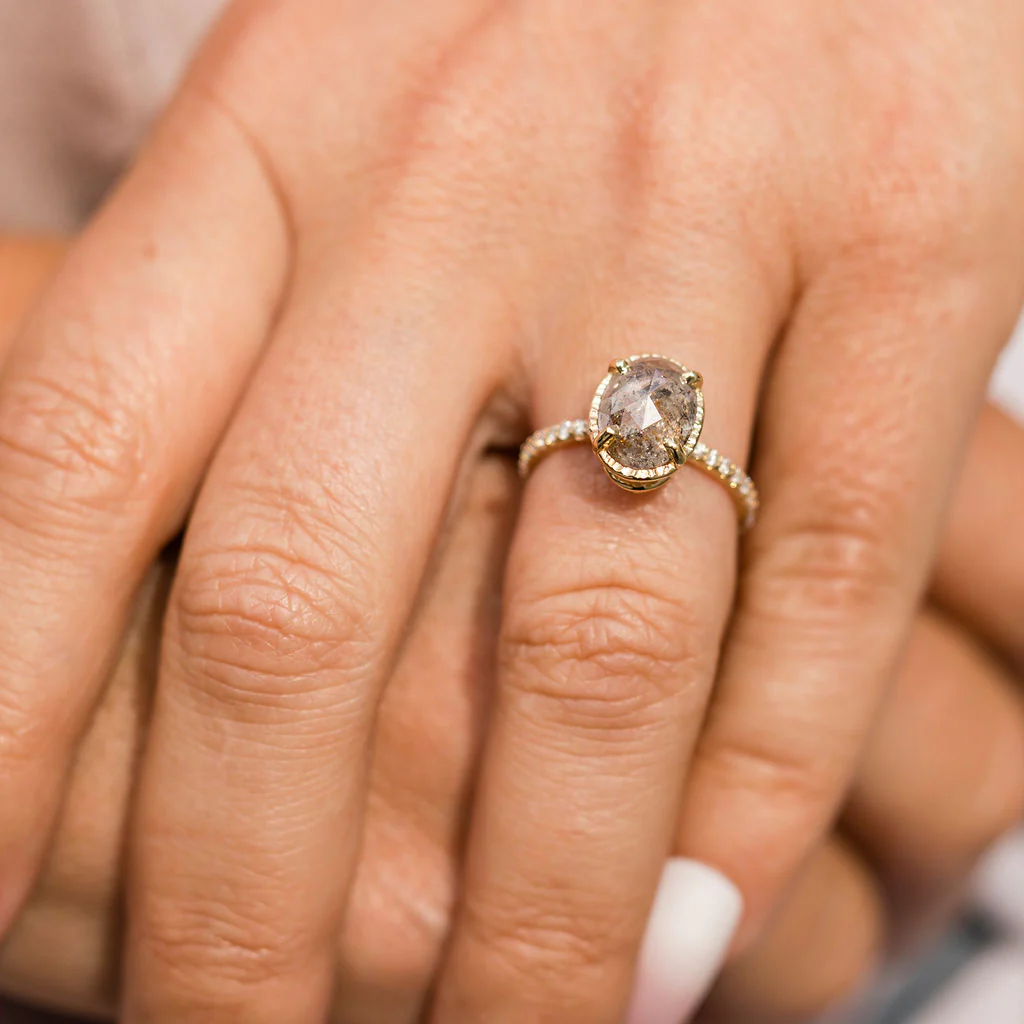
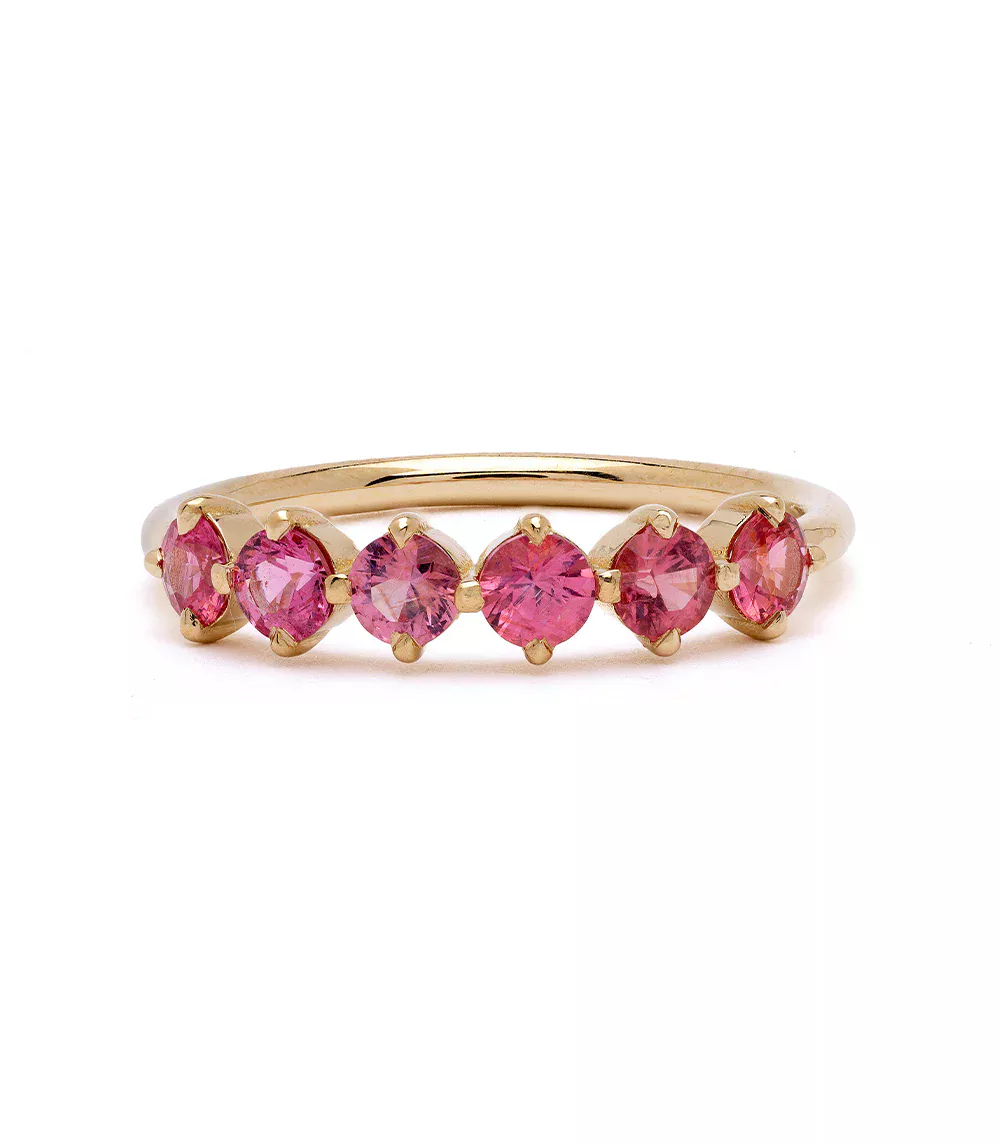
A bezel or low four-prong solitaire under 4mm — sits close to the finger, no exposed edges to catch on keyboards or equipment, round and oval stones preferred for fewer friction points.
02
Keyboard clearance — prongs and keycaps
Exposed prongs — especially on classic six-prong Tiffany-style settings — can catch on mechanical keycaps, particularly on keyboards with sculpted or high-profile key profiles. A bezel setting eliminates this entirely. A low four-prong setting with smooth, rounded prong tips is the next safest option. If she has a strong preference for a specific prong style, it’s worth trying the ring on and miming a typing motion before committing — most good jewellers will encourage this.
03
ESD and lab environments
IT specialists who work in hardware roles — server rooms, data centres, lab environments — sometimes work in electrostatic discharge (ESD) sensitive areas where metal jewellery is restricted. If this applies, the ring needs to come off and on quickly and comfortably throughout the day. A slim, low-profile ring without intricate details is far easier to handle than a wide ornate band during a quick equipment change. Worth knowing before purchasing a ring with a complicated setting.
04
Material and durability — thinking long-term
Platinum is the most durable and scratch-resistant metal for daily keyboard and equipment use — it develops a natural patina rather than losing material, and holds stones more securely over time than gold alloys. 14k white or yellow gold is an excellent and more affordable alternative. Lab-grown diamonds are particularly popular among IT professionals — same hardness and optical properties as mined diamonds, with a supply chain that’s traceable and documented, at roughly 30–50% lower cost.
Common questions
FAQ — what people
actually ask.
What is the best engagement ring for someone who types all day?
A low-profile bezel setting or a slim four-prong solitaire under 4mm in height. These sit close to the finger, don’t press into adjacent fingers during long typing sessions, and have no exposed edges to catch on keyboards or equipment. Round and oval stones work particularly well — their curved profiles create fewer friction points than square or rectangular cuts. If she uses a mechanical keyboard, check that prong tips are smooth and rounded before purchasing.
Is a minimalist ring less meaningful than an elaborate one?
Not at all — and for most IT specialists, the opposite tends to be true. A ring chosen for precision, quality of materials, and exact proportions carries a different kind of meaning than one chosen for visual complexity. Many people in technical fields feel more strongly connected to something that’s been genuinely thought through than something that’s simply decorative. A perfectly proportioned 0.8 carat round solitaire in a slim platinum bezel, bought because every specification was right, often means more than a larger ring bought because it looked impressive.
Are lab-grown diamonds a good choice for an IT specialist?
They’re one of the most popular choices among technically-minded buyers. Lab-grown diamonds are chemically and optically identical to mined diamonds — same hardness (10 on the Mohs scale), same refractive index, same brilliance. The difference is the supply chain: lab-grown diamonds are produced in controlled environments with fully traceable provenance, and cost roughly 30–50% less than mined equivalents of the same grade. For someone who evaluates decisions based on specifications and evidence rather than tradition, lab-grown is often the straightforward conclusion.
Can a simple ring still feel special and unique?
Definitely — and simplicity done well is harder to achieve than complexity. The most memorable minimalist rings are ones where every detail has been considered: the exact width of the band, the height of the setting, the quality of the stone, the finish on the metal. When someone who notices details wears a ring designed with that same attention, it shows. A ring that’s elegant because of its proportions and stone quality is almost always more distinctive than an elaborate ring from a standard catalogue.