Profession matters · 2026 guide
Engagement rings
for managers.
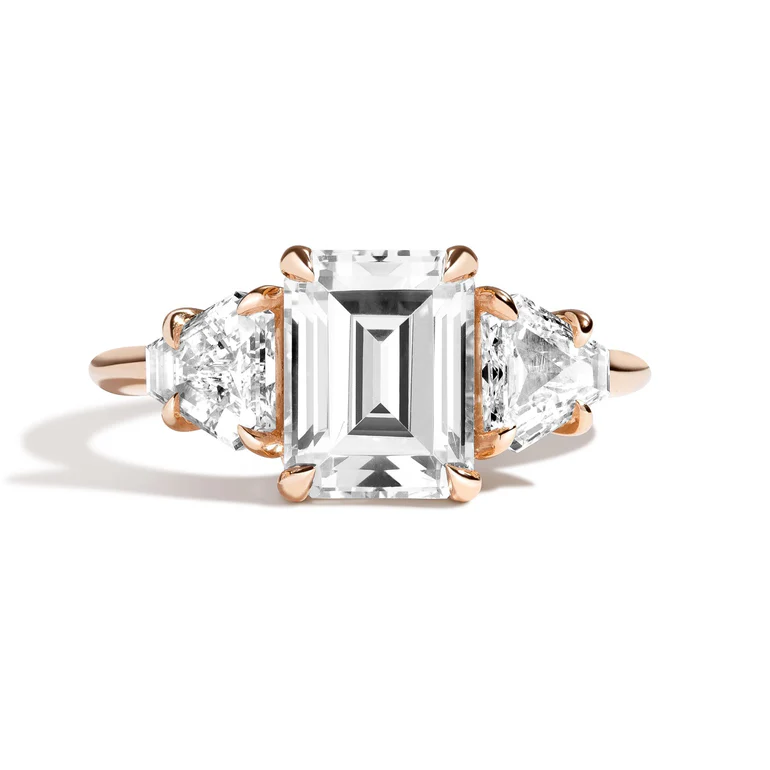
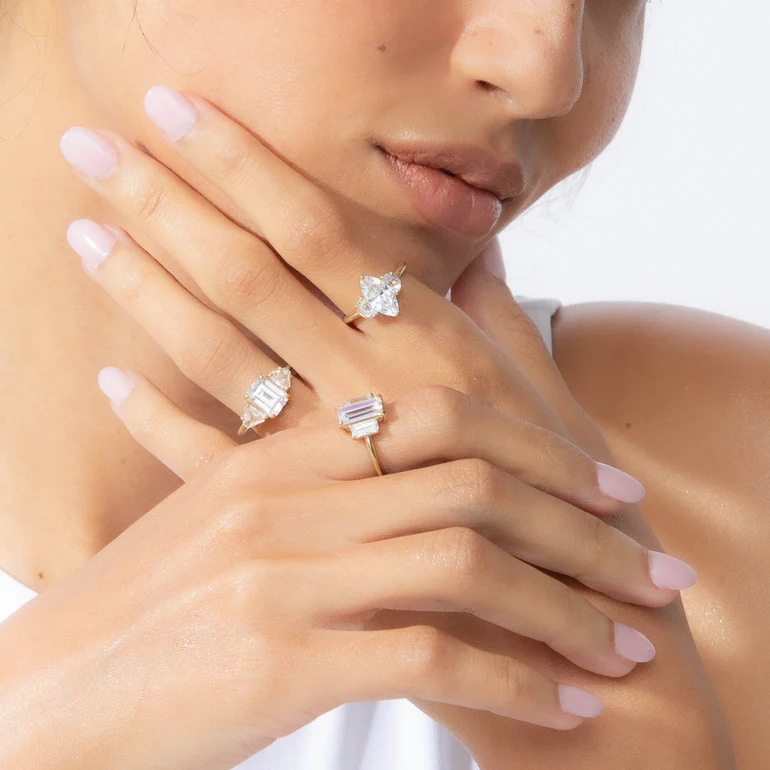
She thinks in systems and applies that same rigour to everything she chooses. For a manager, a ring is a leadership signal whether she intends it to be or not — visible in every meeting, across every table, during every difficult conversation and every team celebration.
See the collection ↓
Why profession matters
Not the most impressive.
The most right.
A ring that’s too ostentatious can undercut the approachability that good managers cultivate. One that’s too plain can read as an afterthought from someone who clearly doesn’t do afterthoughts. The sweet spot — and she’ll know it immediately when she sees it — is a ring that communicates exactly what she does: quiet confidence, precise taste, nothing wasted.
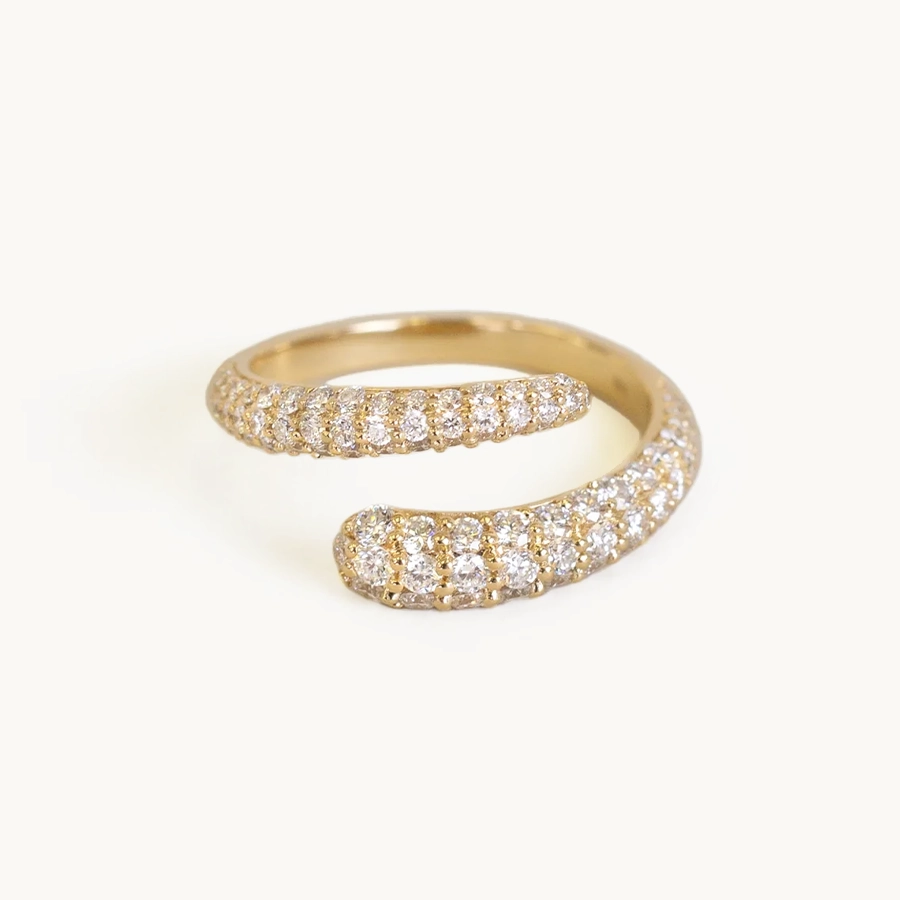
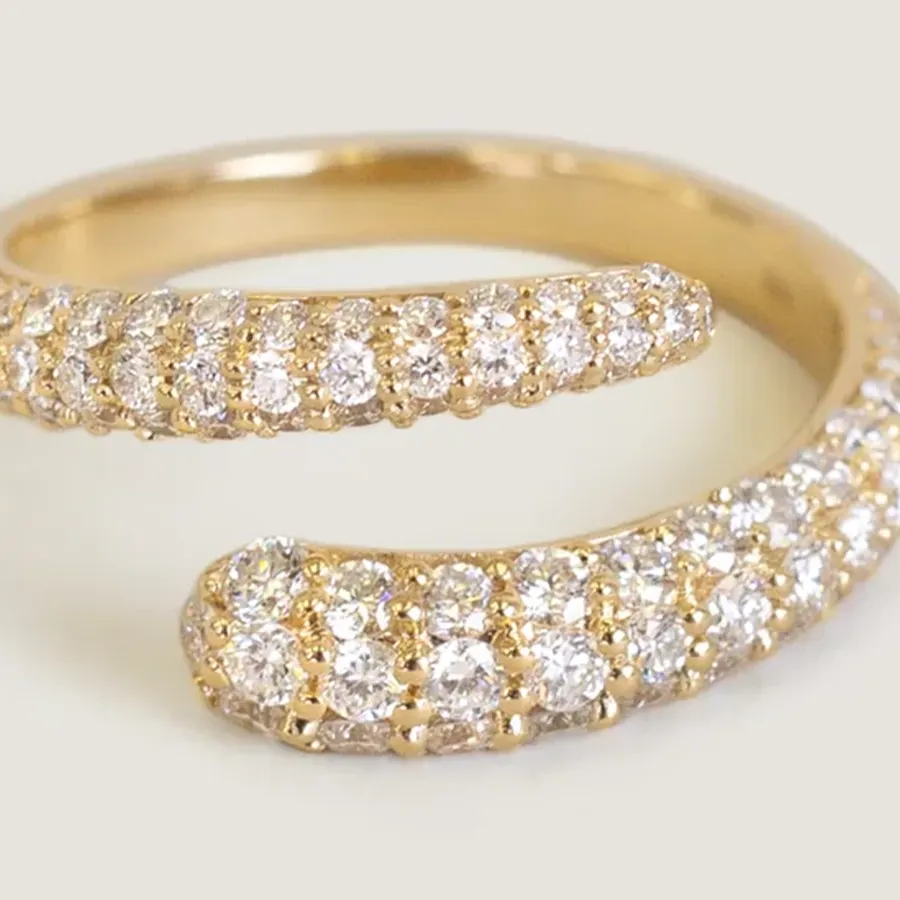
Her style is minimalist yet impactful. Clean lines, intentional craftsmanship, subtle details that reward close attention. A ring that doesn’t make noise in a room but is always the one people notice afterward.
The right ring for a manager isn’t the most impressive one. It’s the most right one — and she’ll know the difference immediately.
Every ring in this collection is personally chosen with that standard in mind.
What to look for
Four things that matter
for leadership presence.
01
Leadership presence — the ring as a signal
People in leadership roles are evaluated on the coherence of their overall presentation. A ring that feels slightly off — too large, too trendy, too decorative for the context — registers subconsciously even when no one mentions it. The most effective rings for managers are ones that feel inevitable: as if there was never any other choice. Classic proportions, excellent stone quality, a setting that looks considered rather than selected. The goal is a ring that adds to the picture without becoming the picture.
The manager’s calculus
A well-cut 0.8 carat round brilliant in a slim platinum four-prong will catch light and hold attention across a conference table more effectively than a 1.5 carat stone in a mediocre setting.
02
Meeting rooms and gesture visibility
Managers gesture constantly — presenting at whiteboards, pointing at screens, gesturing across conference tables. A ring worn in these moments needs to look intentional from a distance of two to three metres, which means stone quality and setting precision matter more than size. Cut quality is the specification that most buyers undervalue and most managers — once they understand it — immediately prioritise. A well-cut smaller stone will consistently outperform a larger mediocre one in every real-world setting.
03
Cross-context versatility
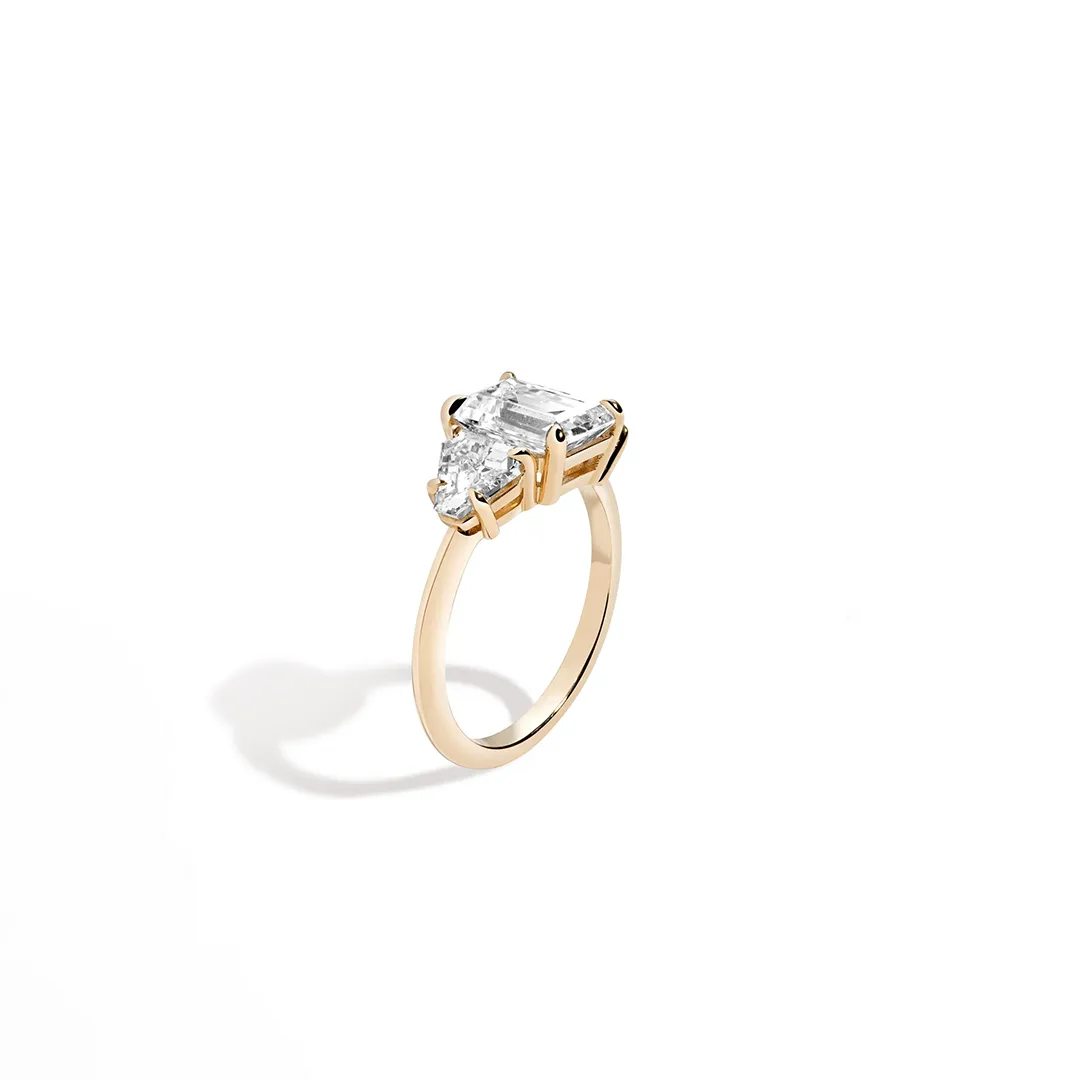
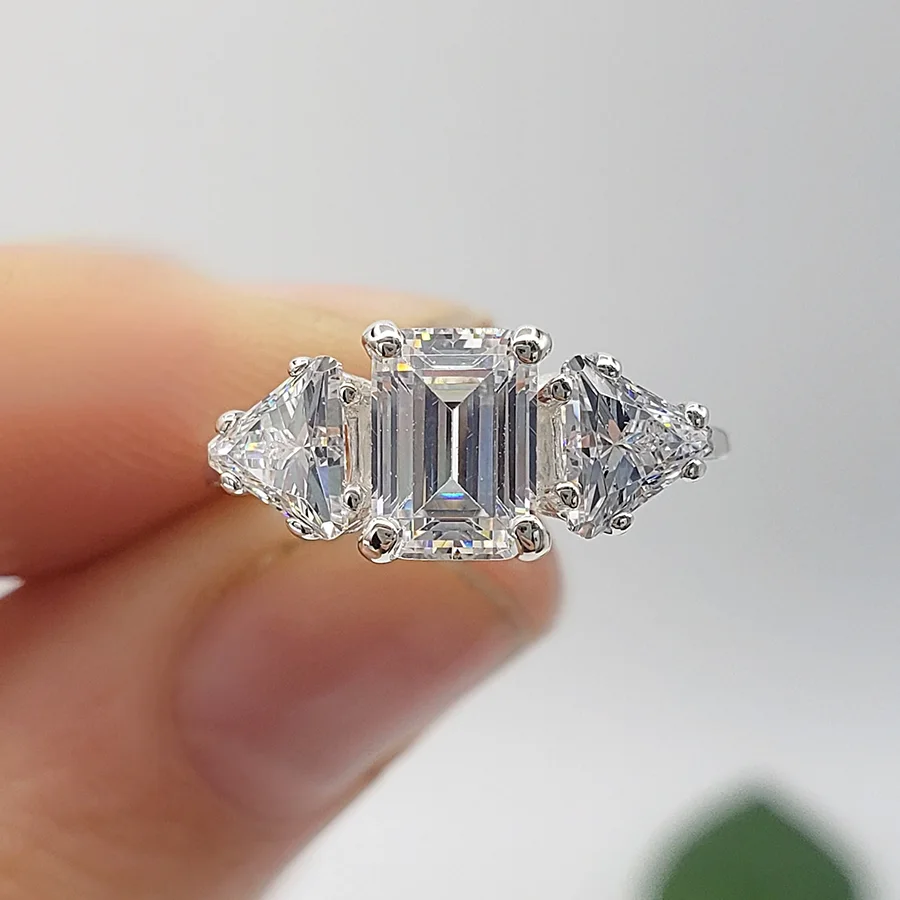
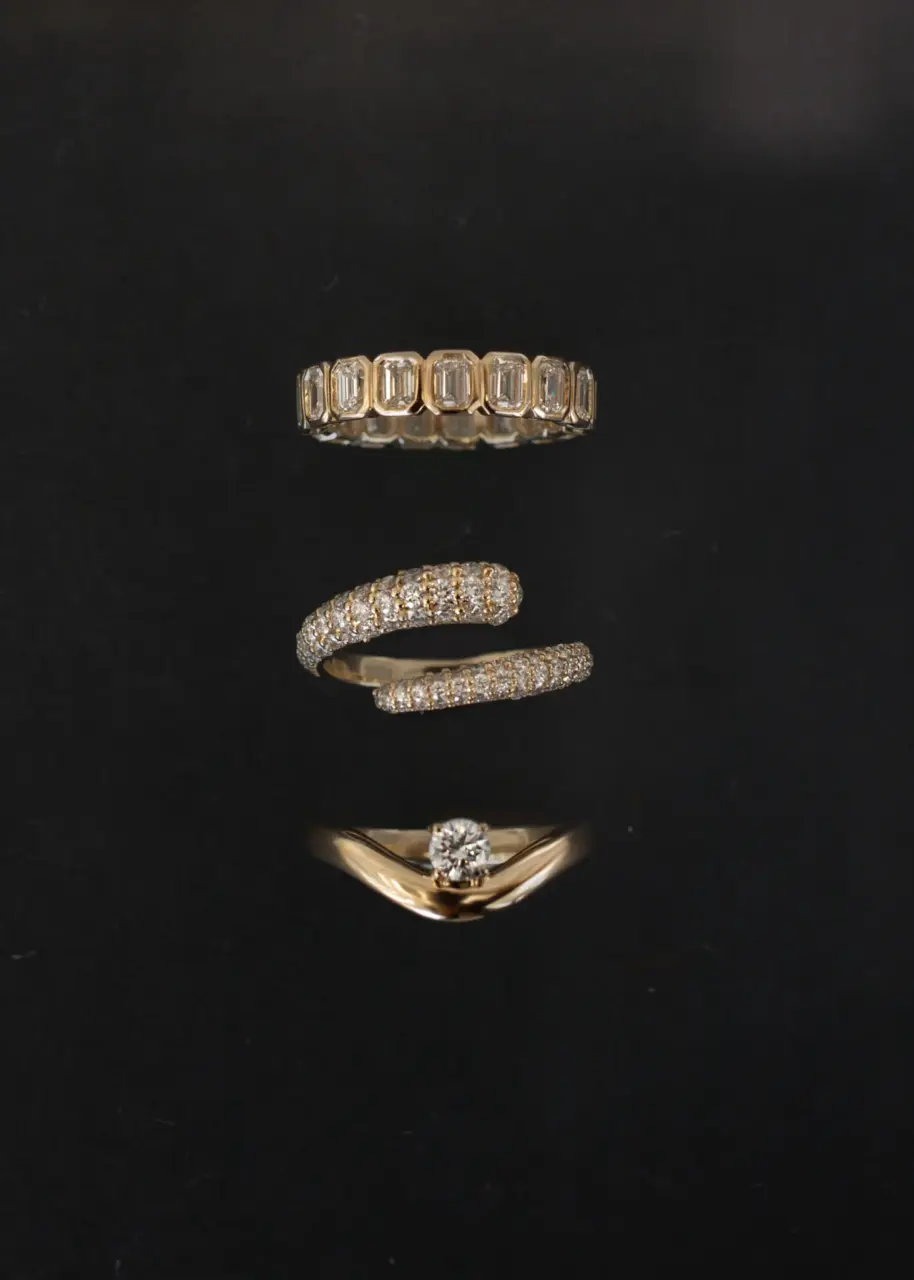
Managers move between more contexts in a single day than almost any other professional — a 9am standup, a noon client lunch, a 3pm executive presentation, a 7pm team dinner. The ring wears all of those contexts simultaneously. Trend-forward styles that work beautifully in one setting can feel slightly wrong in another. The most versatile choices are round or oval solitaires in classic four-prong or bezel settings, three-stone rings with clean proportions, and emerald cuts in slim settings — all of which read as polished across the full range of professional environments.
04
Quality over size — the manager’s calculus
Most managers arrive at the same conclusion when they think carefully about this: a smaller stone with excellent cut, colour, and clarity will outperform a larger stone of mediocre quality in every real-world setting. A G colour, VS1 clarity, excellent cut round brilliant at 0.9 carats will look more impressive across a conference table than a 1.4 carat stone with poor cut. The budget goes further when it chases quality rather than size — and for someone who evaluates trade-offs professionally, that logic tends to land quickly.
Common questions
FAQ — what people
actually ask.
What engagement ring style works best for a manager?
Minimalist solitaires and emerald cuts are consistently the strongest choices for managers and other leadership professionals. Both styles communicate precision and intentionality — they look like decisions rather than defaults. A round brilliant solitaire in a slim four-prong platinum setting is the most versatile option. An emerald cut in a simple bezel or east-west setting reads as more architectural — a strong choice for managers who lead in more formal or corporate environments. Either way, cut quality matters far more than carat weight for how the ring performs in a professional setting.
Should a manager choose a bold ring or a subtle one?
Subtle strength almost always serves better than obvious size for someone in a leadership role. Subtle doesn’t mean small or timid — it means that the ring’s quality and intentionality speak louder than its dimensions. A ring that makes people ask “where did you get that?” after a meeting is more effective than one that’s noticed immediately and forgotten just as fast. Managers who choose rings on this basis tend to wear them with more confidence too — which is ultimately what makes any ring look right.
Can a minimalist ring feel powerful?
More powerful than most elaborate ones, in the right hands. Simplicity done at a high level of quality communicates something that complexity can’t: that every detail was a considered choice, and nothing is there by accident. The most iconic rings worn by influential women throughout history are almost always clean, precise, and proportionally perfect rather than elaborate. For a manager who leads that way professionally, a ring that reflects the same philosophy tends to feel more true than anything ornate.
What makes a ring feel right for someone in a leadership role?
Alignment. The most common thing managers say when they find the right ring is that it feels like it was always theirs — not chosen from a display case but arrived at through a process of elimination until only the right one remained. That’s the same instinct that makes a good manager good: clarity about what matters, confidence to ignore what doesn’t, and the patience to wait for the right answer rather than settling for a convenient one.