Profession matters · 2026 guide
Engagement rings
for musicians.
She lives and breathes music. A ring that’s almost right isn’t right at all — she’ll know the difference. Every ring in this collection is personally chosen to balance creative individuality with the real demands of a musician’s hands.
See the collection ↓
Why profession matters
The instrument
changes everything.
What almost every ring guide misses about musicians: the instrument changes everything. A pianist needs a ring that doesn’t tap the keys or affect finger placement. A guitarist can’t have anything that buzzes against fret wire. A violinist needs a ring that doesn’t scratch the instrument body during shifts.
Her style is as unique and inspired as the music she creates. She’d appreciate a ring that stands out but remains elegant — something with a story, an original detail, a design as memorable as a melody that stays with you.
A ring that holds something private and significant, chosen with the same intentionality she brings to every performance.
Musicians are among the buyers most drawn to rings with personal symbolic meaning — a hidden engraving of a musical note, a stone in a colour associated with a significant piece, a vintage ring with history and provenance.
What to look for — by instrument
Four things that matter
for every musician.
01
Pianists and keyboard players
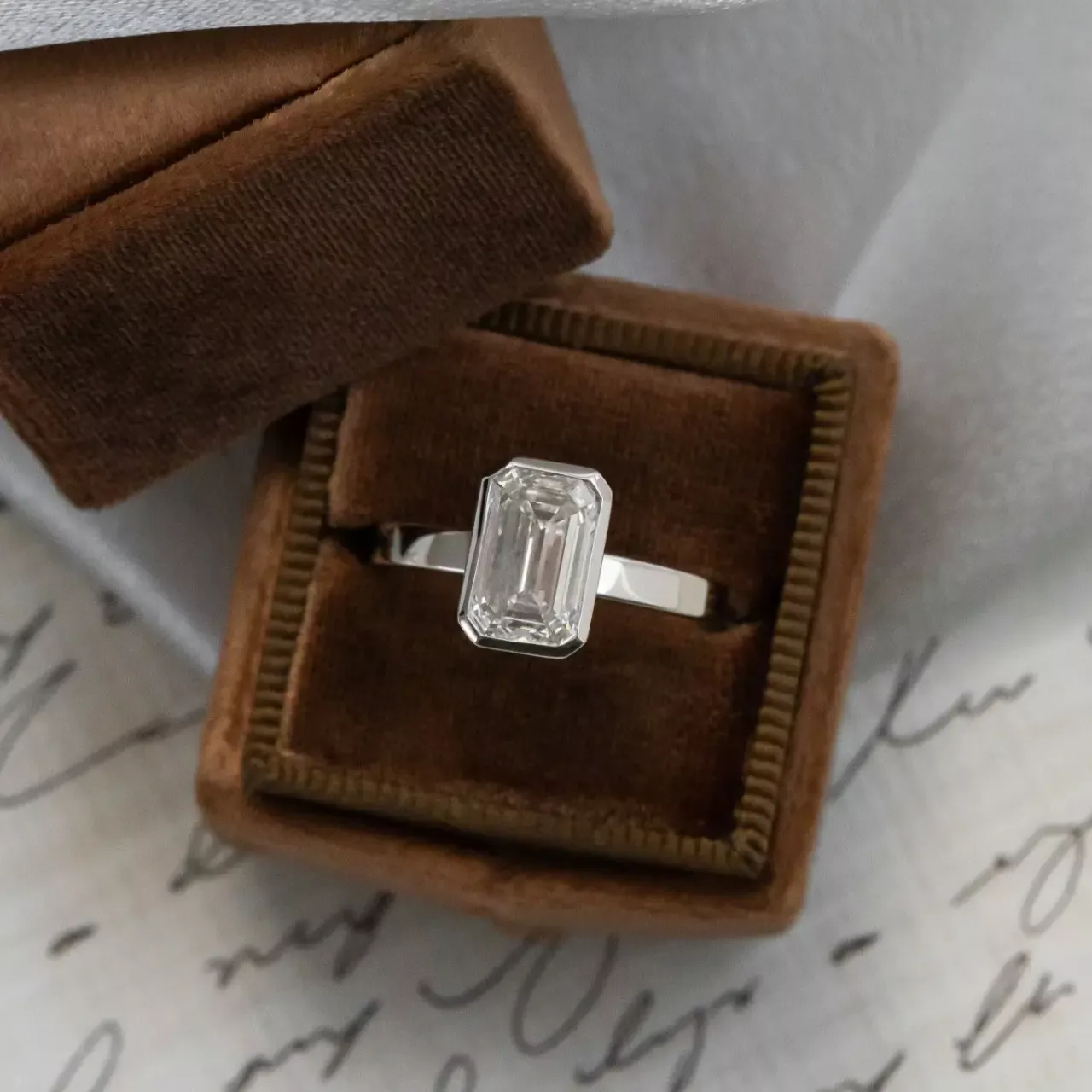
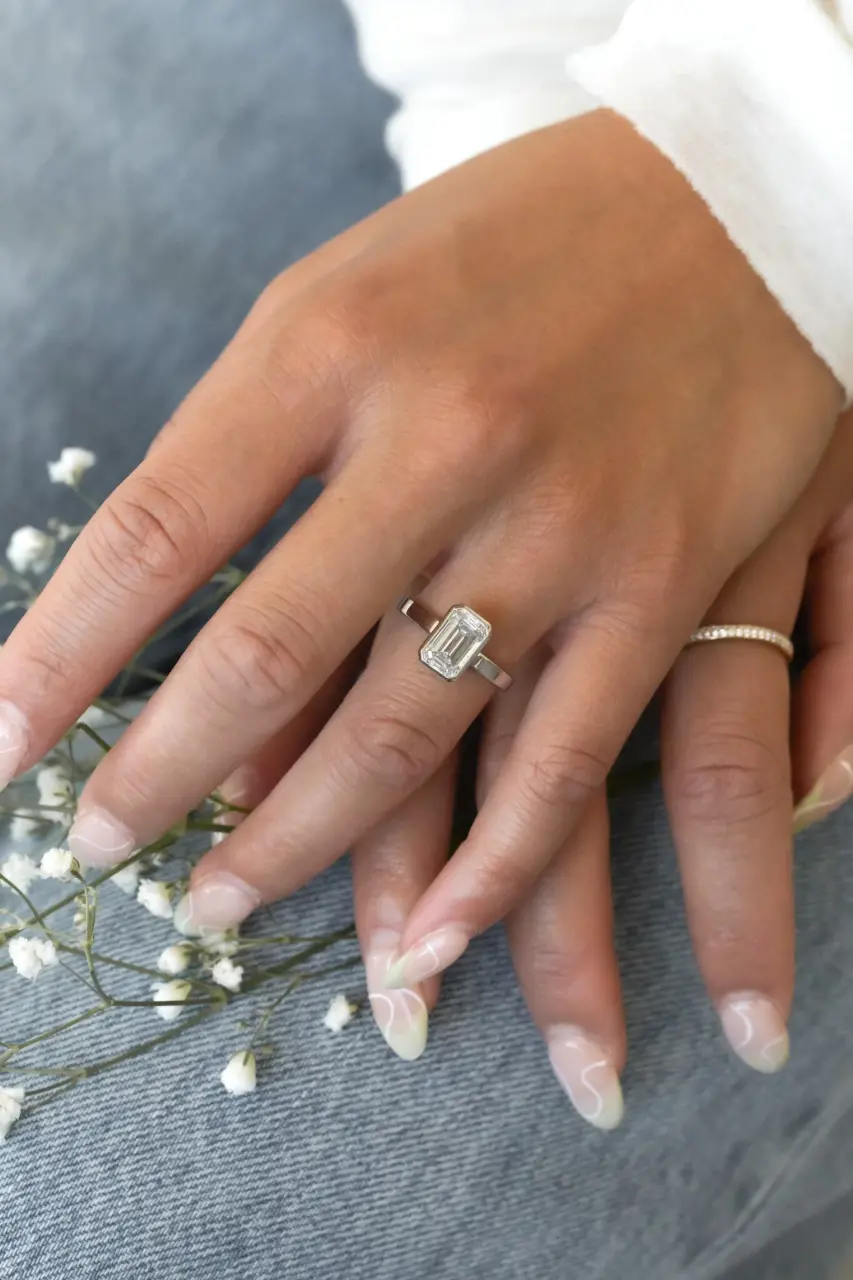
Piano is the most ring-demanding instrument. A ring on the right hand will contact the keys on every note — tapping, clicking, and potentially affecting touch sensitivity. Most professional pianists wear only a very slim flat band with a flush or bezel-set stone on the playing hand. The left hand has more flexibility. Many pianists have two rings: a slim practice band and their actual engagement ring for everything else — a ring that’s easy to remove is one that actually gets taken off.
The universal musician’s rule
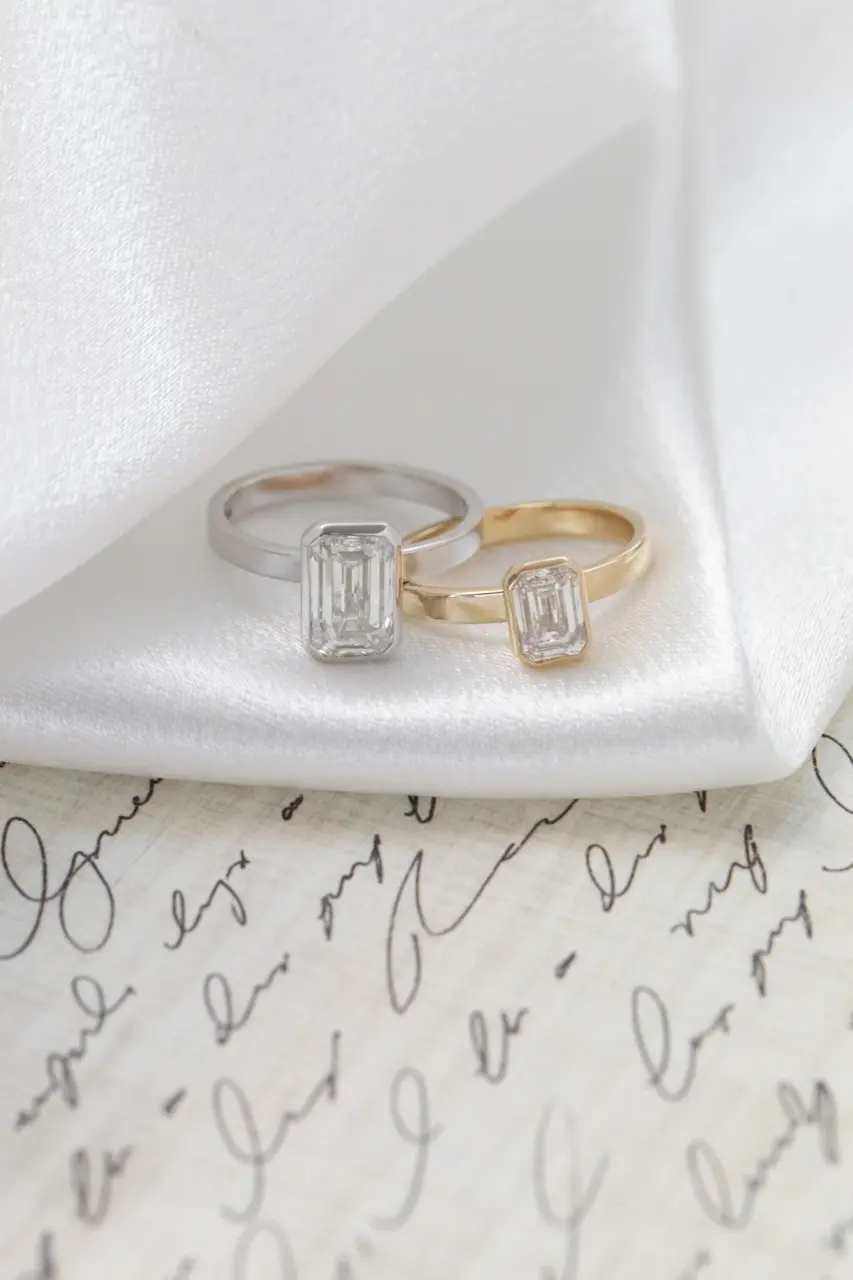
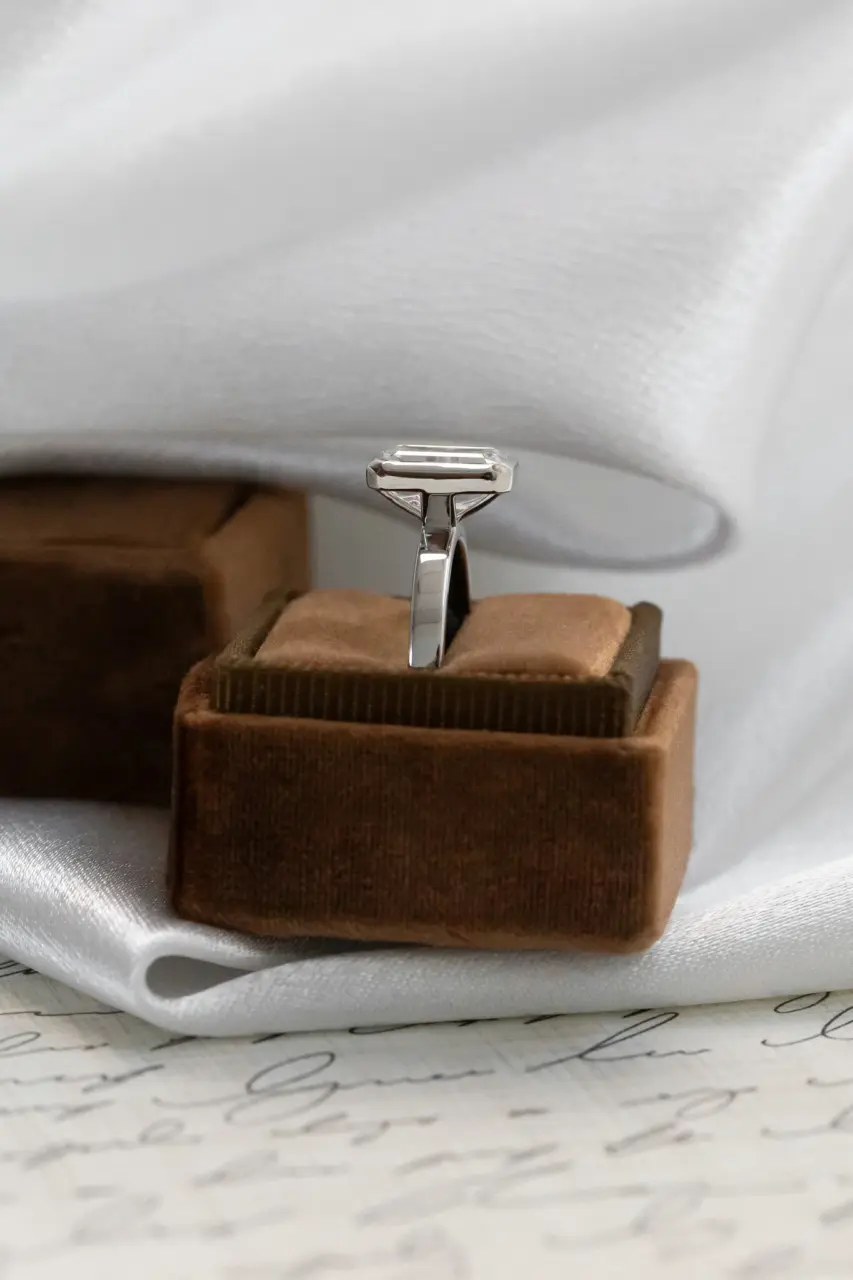
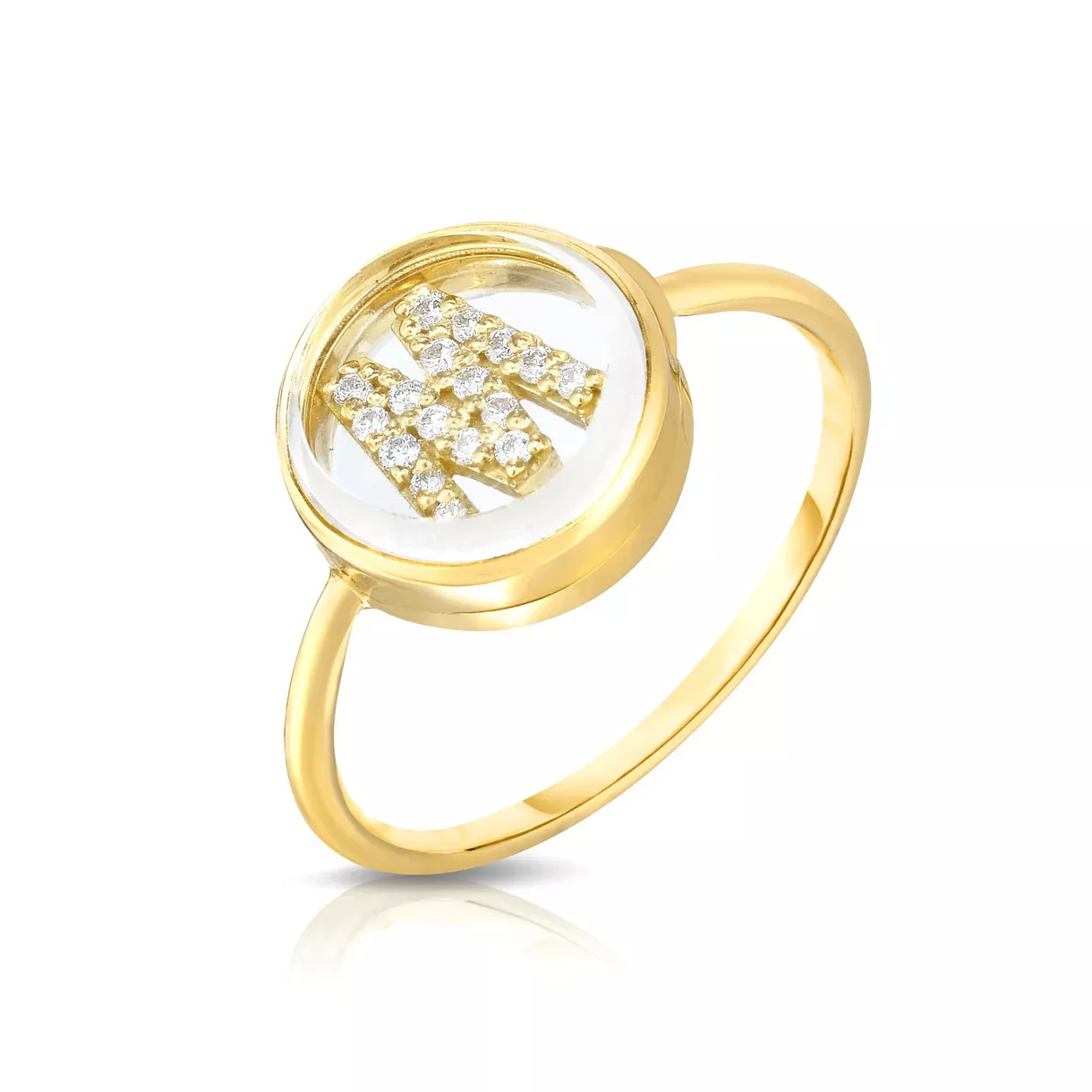
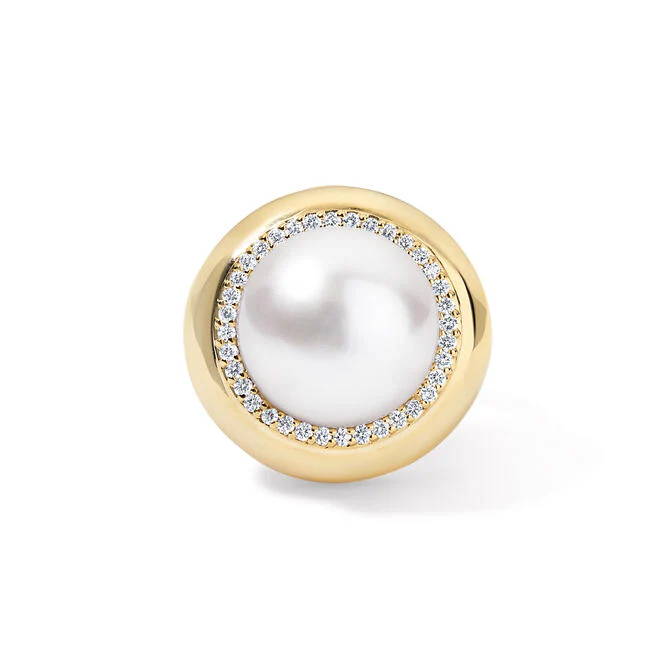
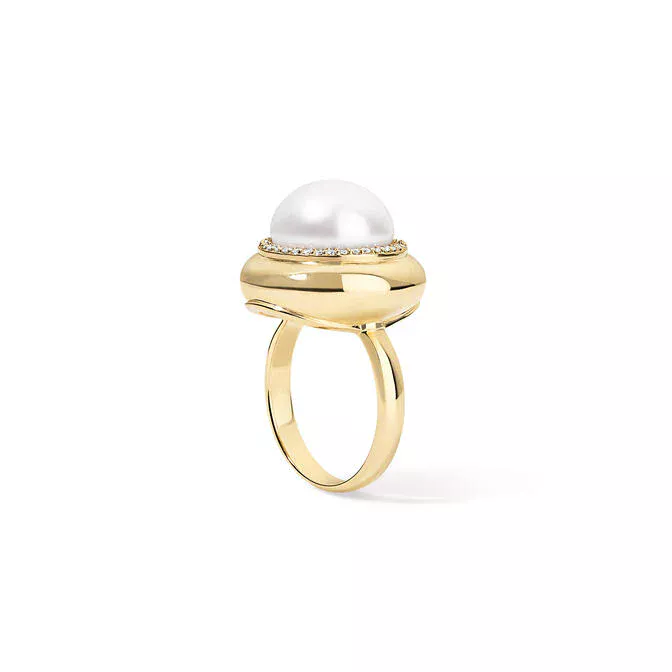
A bezel setting with no protruding edges — under 4mm height, smooth outer edges — minimises interference across every instrument without requiring the ring to come off for every session.
02
Guitarists and string players
Fingerpickers and classical guitarists are most affected — a ring on the picking hand can interfere with nail technique and finger placement. Electric and rhythm guitarists generally have more tolerance, but a ring that buzzes against fret wire during chord work is immediately noticeable. Violinists and cellists need to be careful about rings on the bow hand scratching the instrument during shifts. A slim low-profile ring — under 4mm height, smooth outer edges — minimises interference without requiring removal for every session.
03
Performers, singers, and conductors
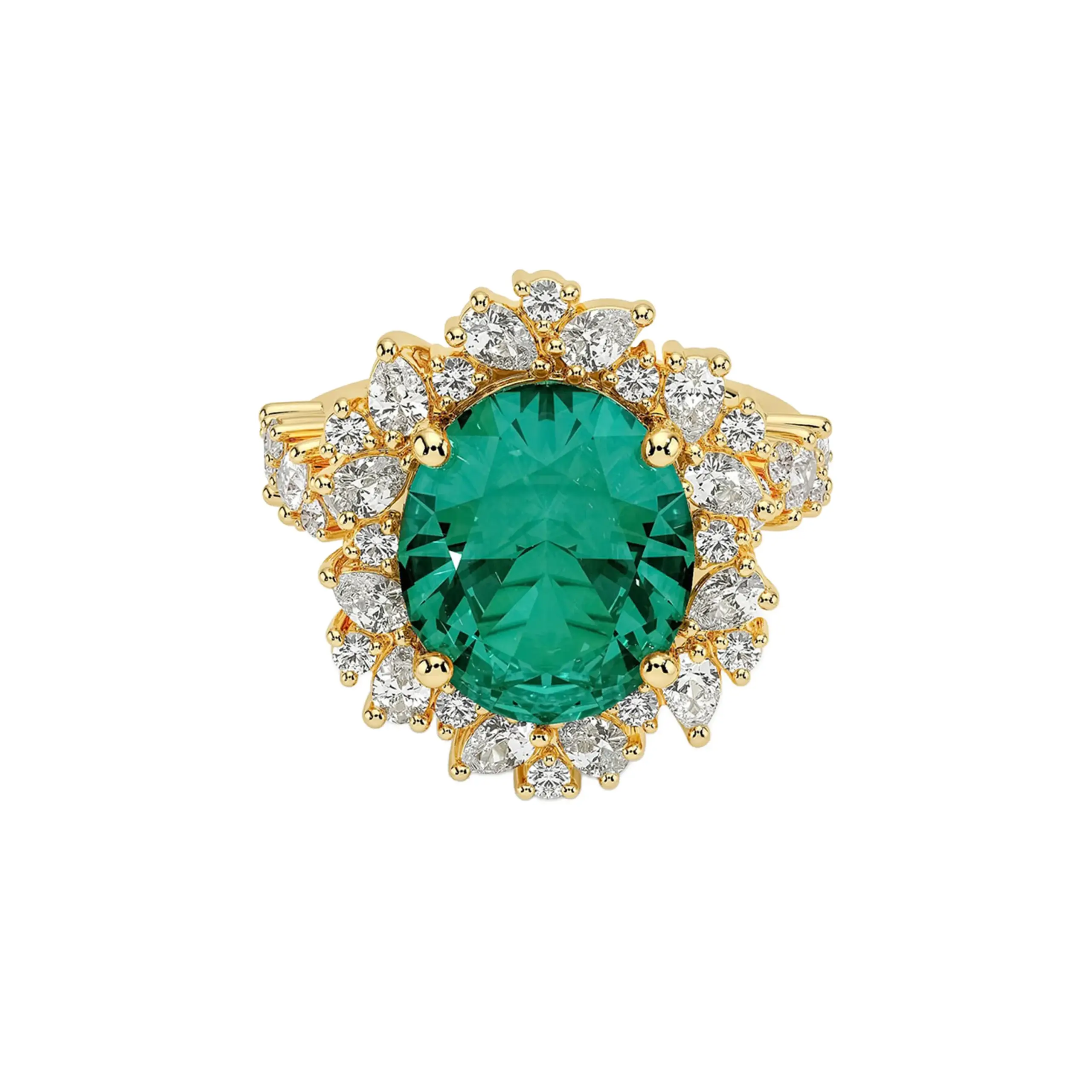
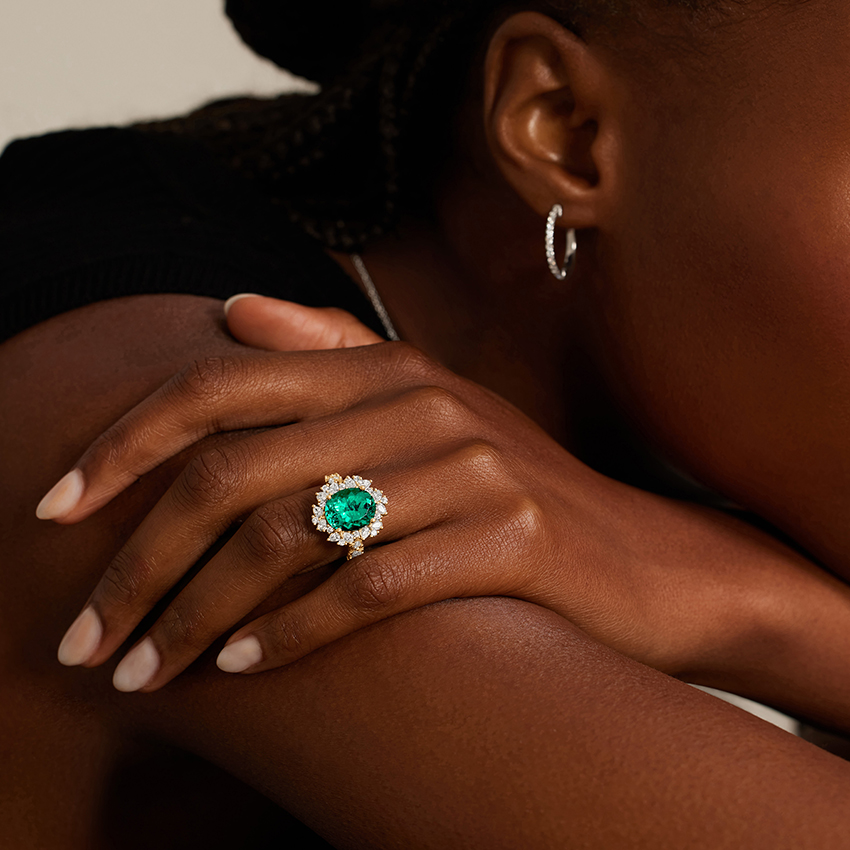
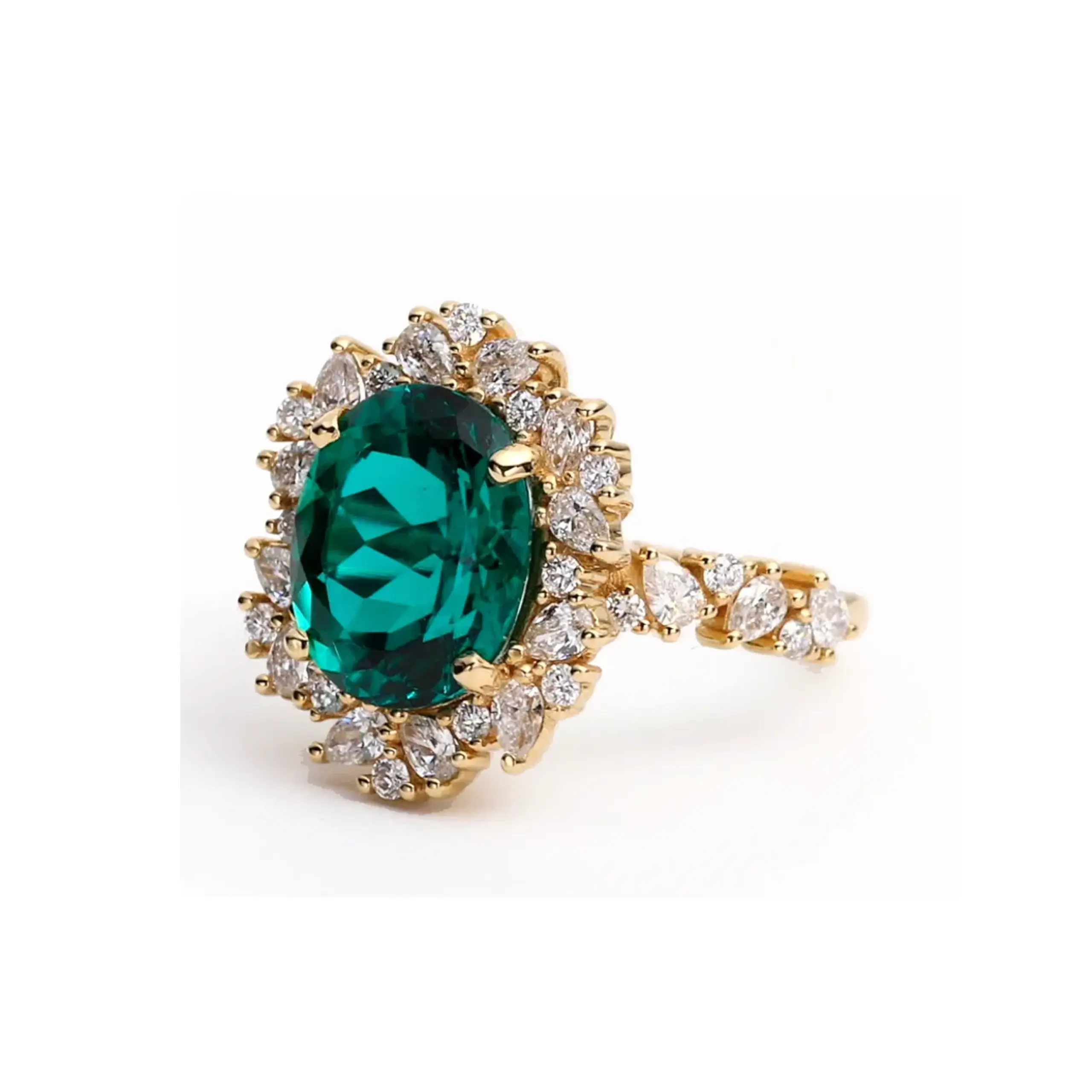
Singers, conductors, and performers have the most freedom — but performance context still matters. A ring worn on stage needs to look right under performance lighting, which is often harsh and directional. Round brilliants and ovals catch stage light beautifully and read from a distance. Coloured stones can be more visually striking under warm stage lights — a deep sapphire or vivid emerald can outperform a white diamond under performance conditions. Conductors gesture constantly in full view of an audience — a ring that looks intentional from ten metres away is a real consideration.
04
Meaningful design — music and symbolism
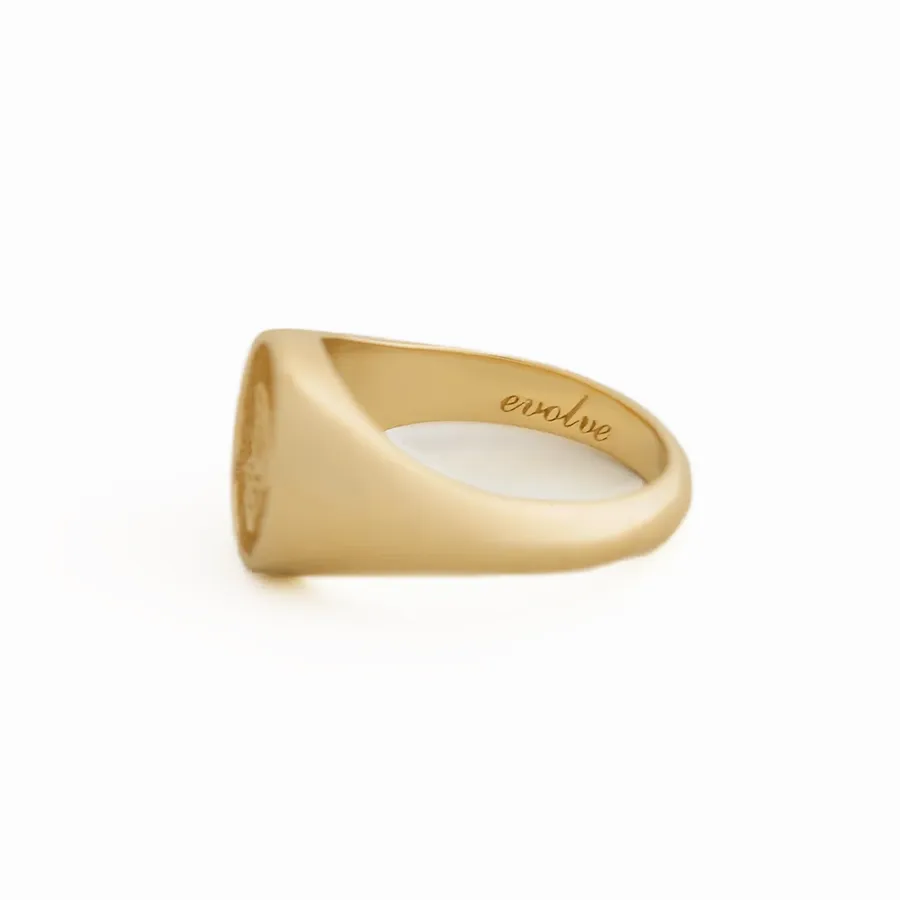
Musicians are among the buyers most drawn to rings with personal symbolic meaning. Some jewellers will engrave actual musical notation inside a band — a bar of a meaningful piece, a favourite chord. A stone in a colour associated with a significant memory. A vintage ring with history and provenance. These details don’t show from the outside but carry enormous personal weight for someone whose whole life is built around the meaning embedded in sound. Specificity always beats impressiveness for someone whose life is built on precise, intentional expression.
Common questions
FAQ — what people
actually ask.
What type of engagement ring is best for musicians?
It depends entirely on the instrument. For pianists: a slim flush-set or bezel band under 3mm for playing, with a more expressive ring for off-instrument wear. For guitarists and string players: a low-profile bezel or four-prong solitaire under 4mm with smooth outer edges. For singers and conductors: the most freedom — a ring that looks striking under performance lighting and feels comfortable through a two-hour show. Across all instruments: smooth outer edges and nothing protruding enough to contact the instrument.
Can a pianist wear an engagement ring while playing?
Most professional pianists don’t wear rings on the playing hand during serious practice or performance — even a slim band affects touch sensitivity at a high level of playing. The practical solution most pianists arrive at: a slim bezel or flush-set band for practice days, and their actual engagement ring for everything else. The ring doesn’t need to survive the piano — it needs to be easy enough to remove that it actually gets taken off rather than left on and tolerated.
Should a musician’s ring stand out or blend in?
That depends on her instrument and her personality — and for a musician, those two things are usually deeply connected. A performer who commands a stage naturally gravitates toward a ring that holds its own under lights. A composer or studio musician may prefer something more personal and understated — chosen for meaning rather than impact. The most resonant rings for musicians tend to feel like an expression of something specific rather than a general aesthetic choice.