Profession matters · 2026 guide
Engagement rings
for nurses.
She works 12-hour shifts, changes gloves constantly, scrubs her hands up to 40 times a day, and moves between patients without slowing down. Her ring is on through all of it — and it needs to be worthy of that.
See the collection ↓
Why profession matters
A ring that lasts
through every shift.
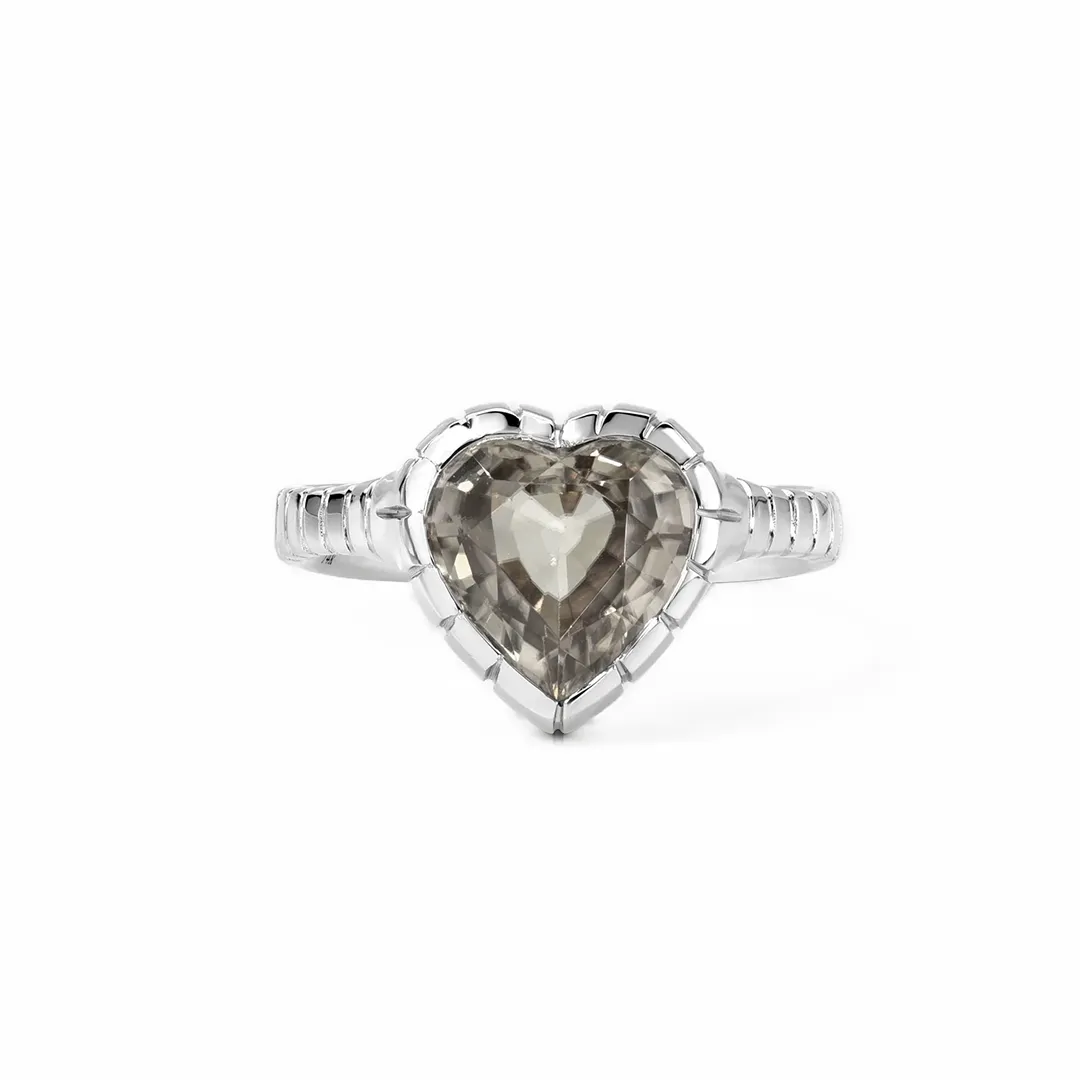
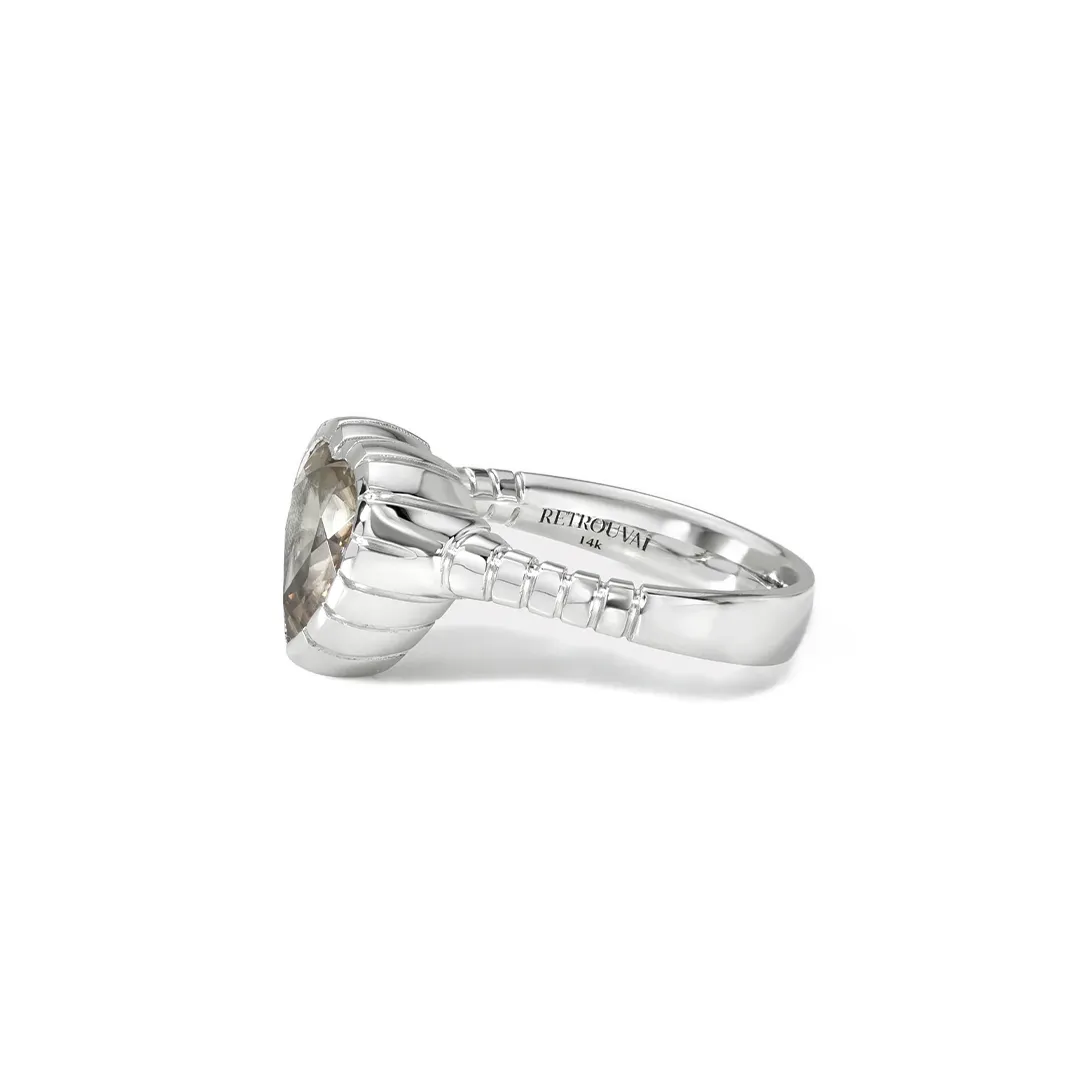
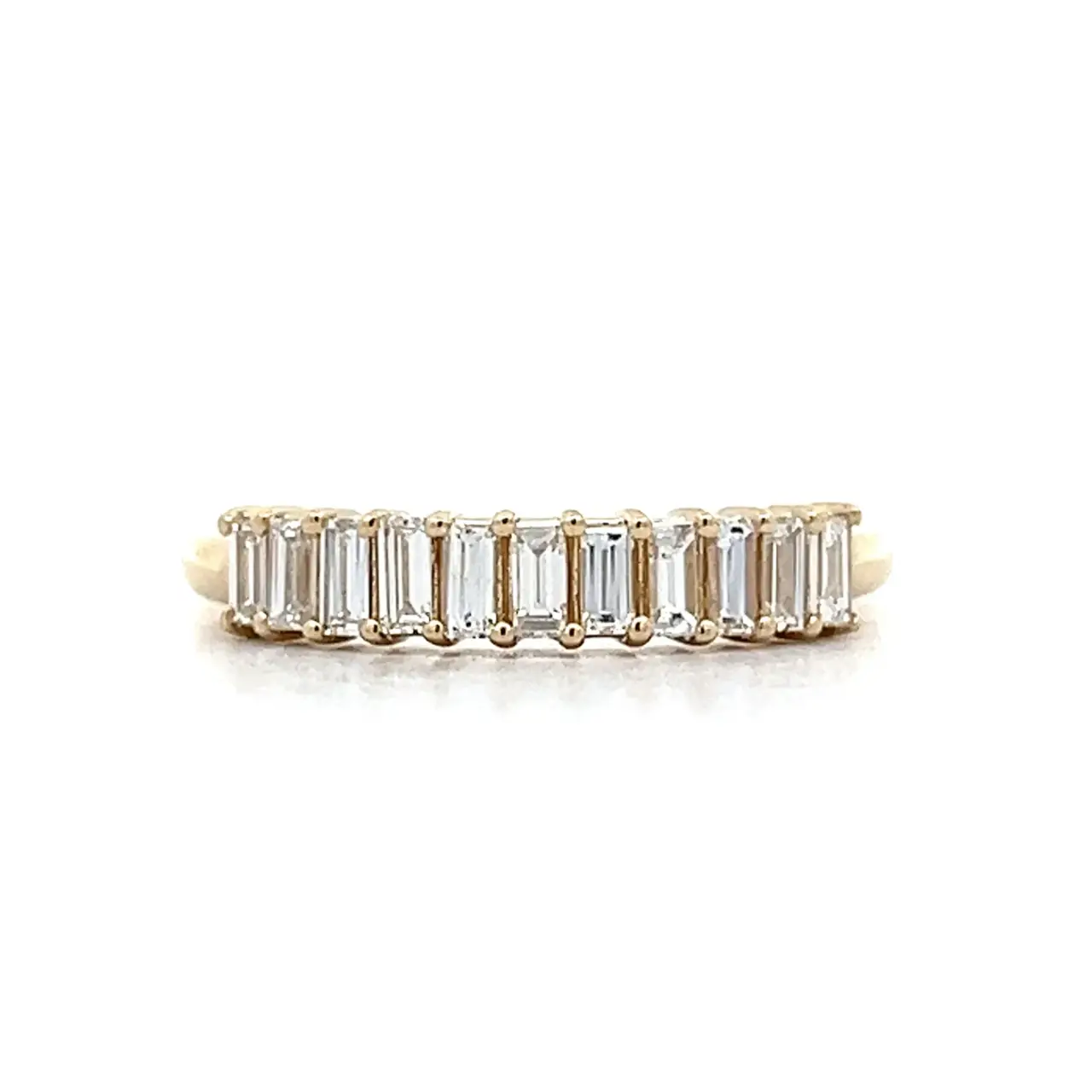
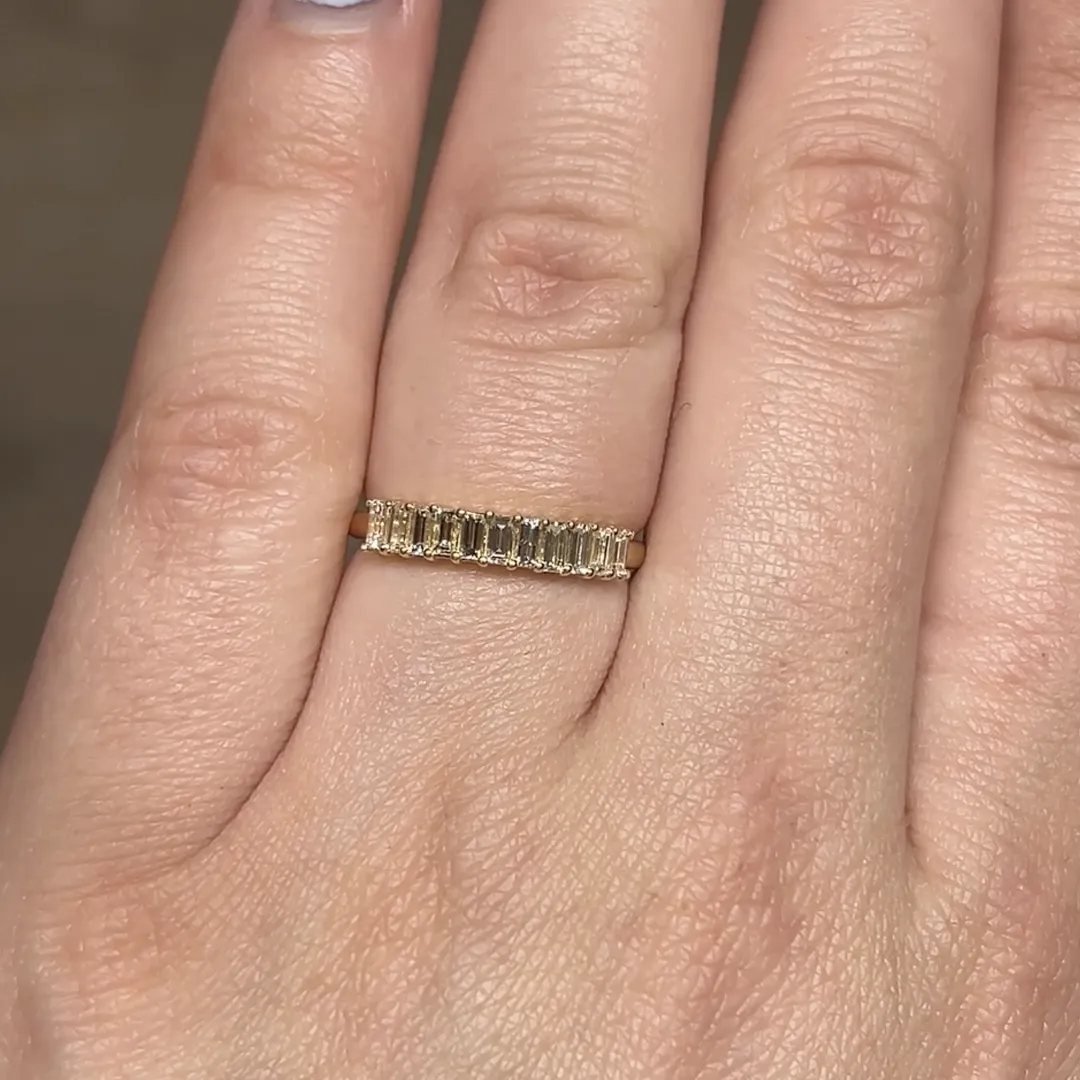
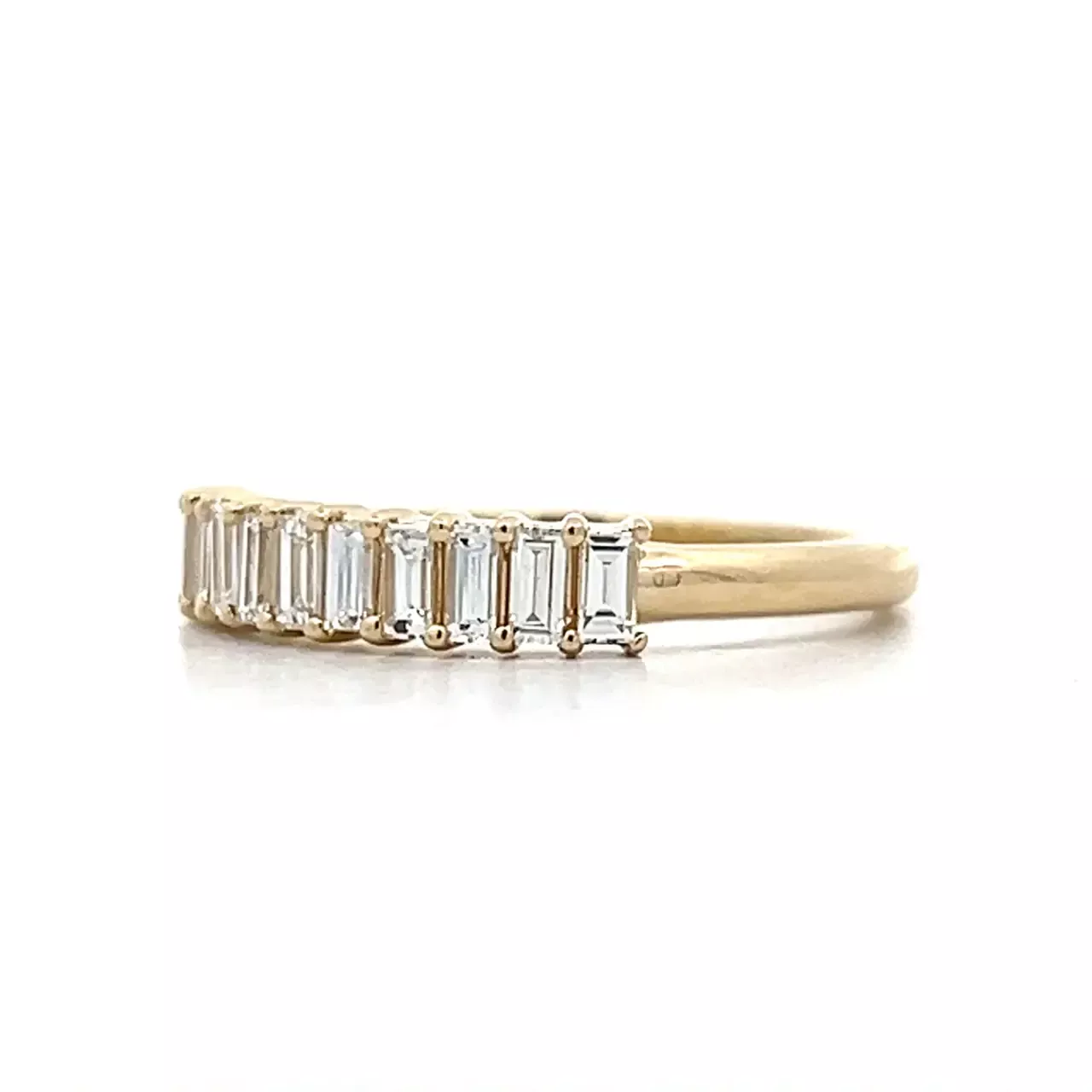
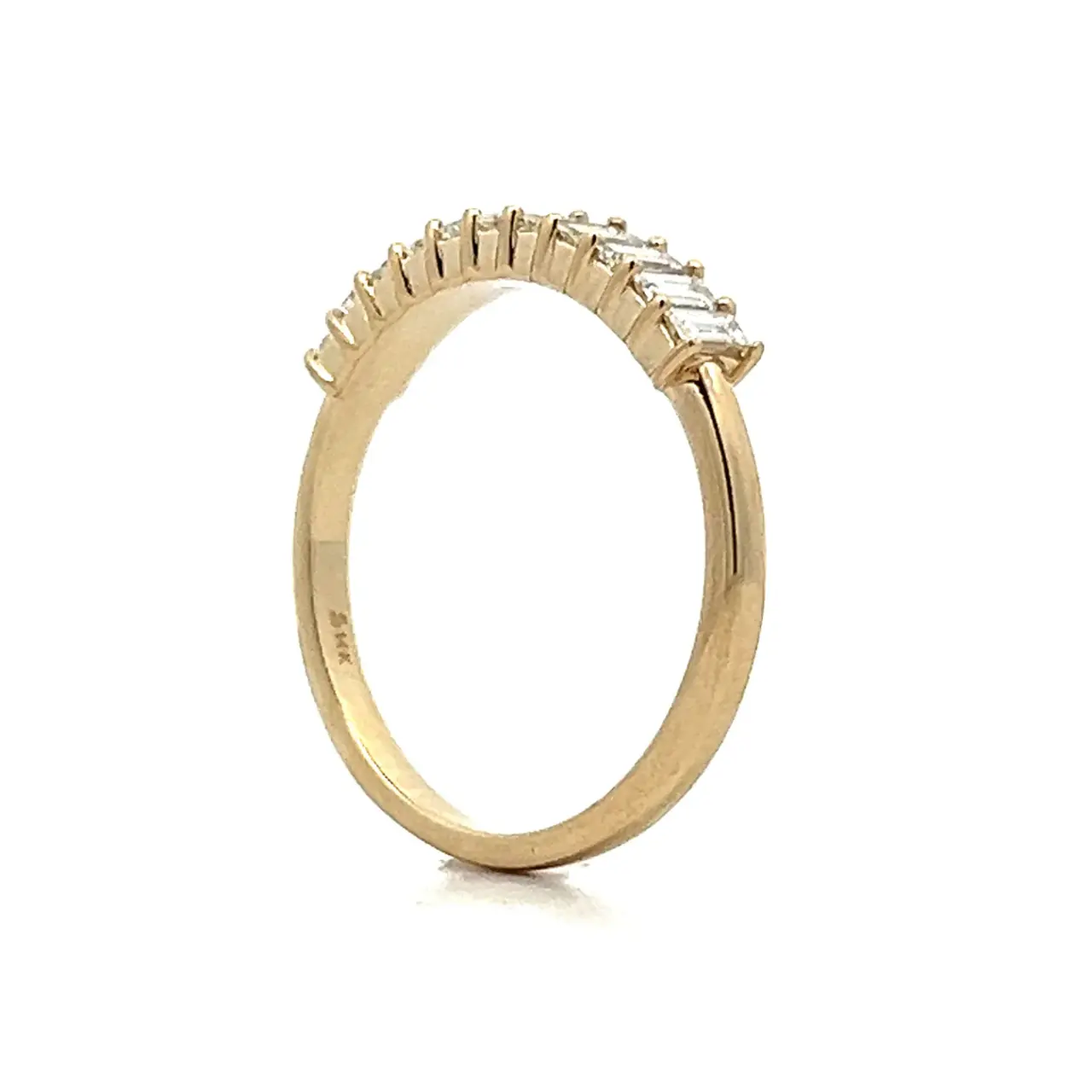
A ring with a tall setting snags on gloves and gets in the way during procedures. Intricate prong work traps bacteria and can’t be cleaned properly at a clinical sink. A band that’s too wide becomes uncomfortable by hour eight of a shift.
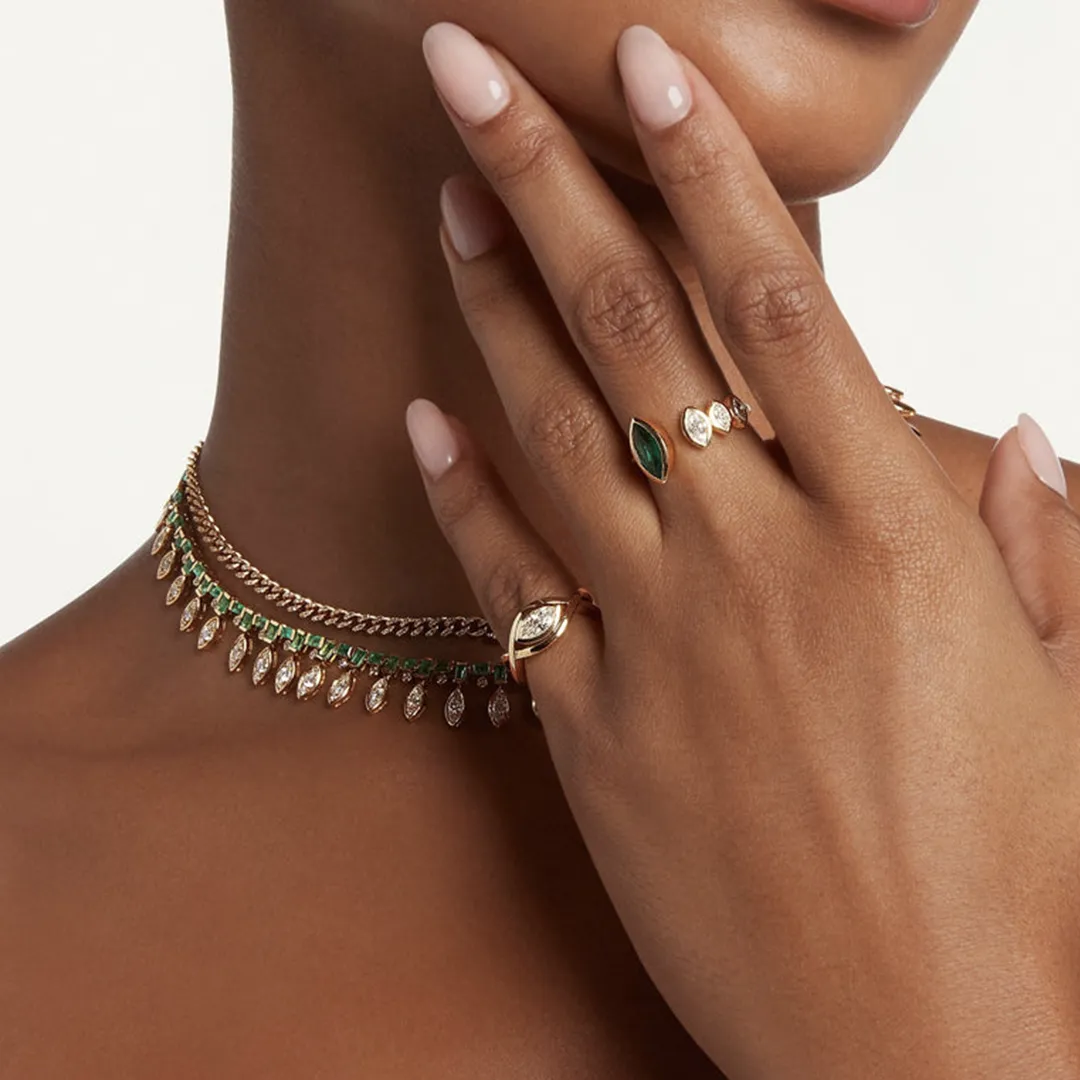
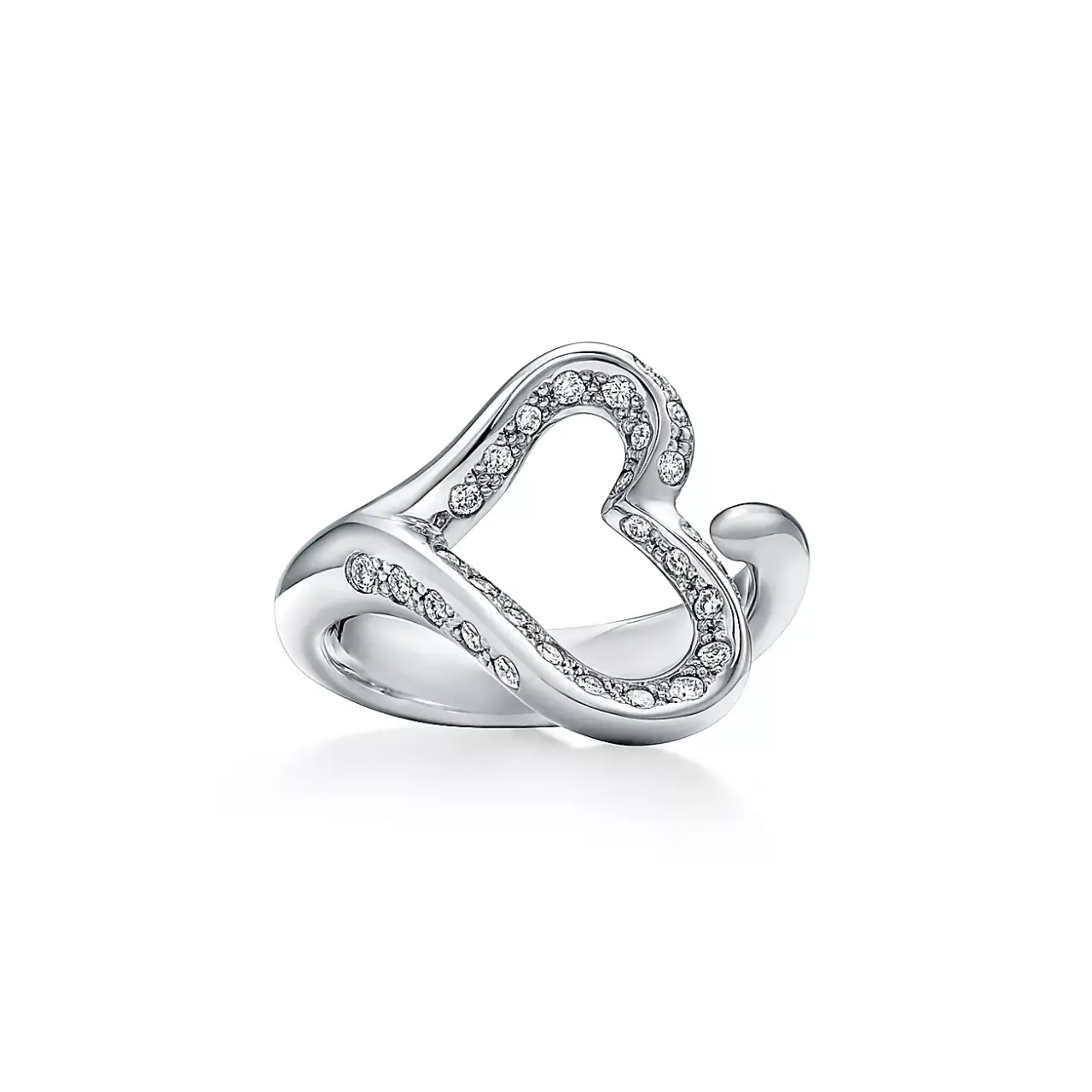
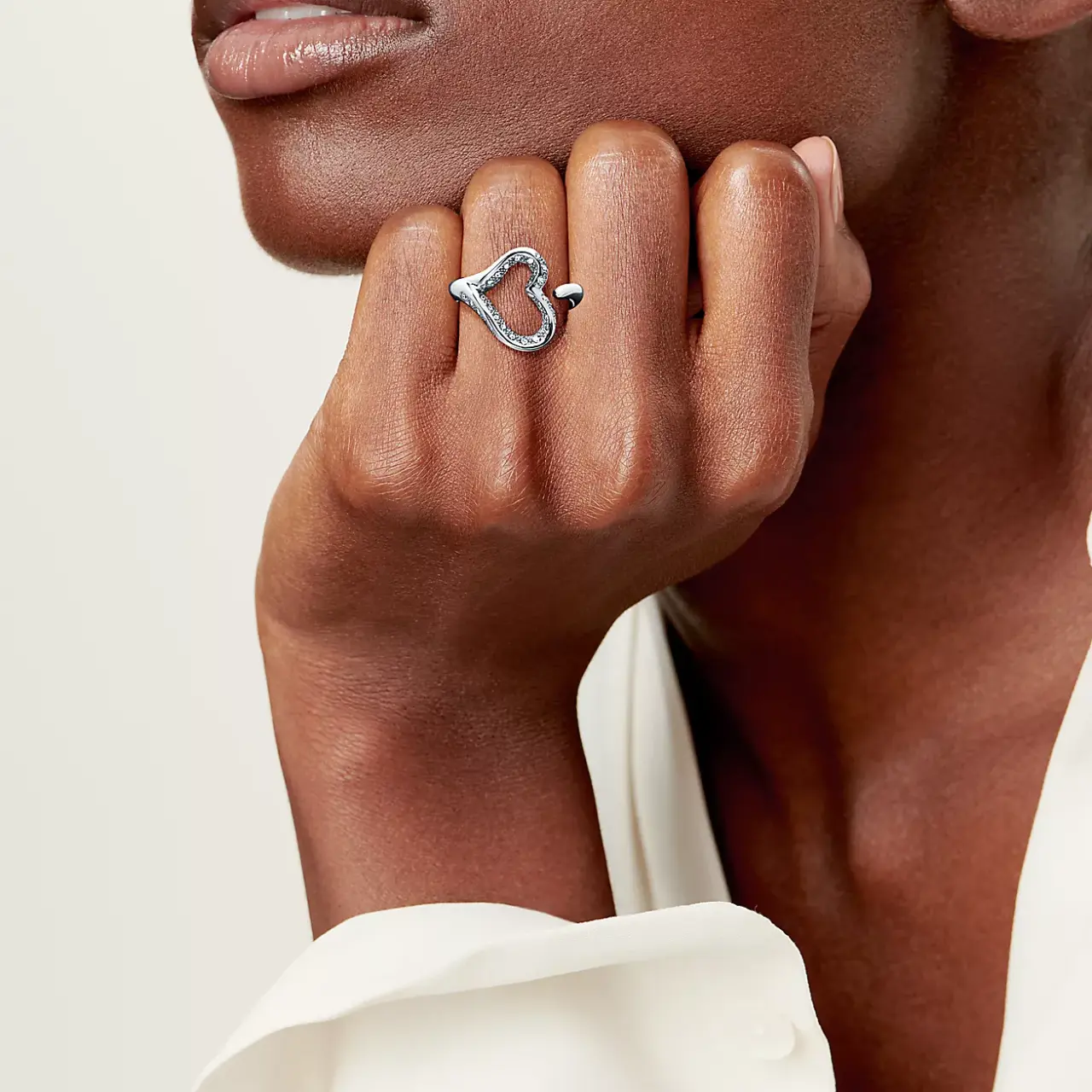
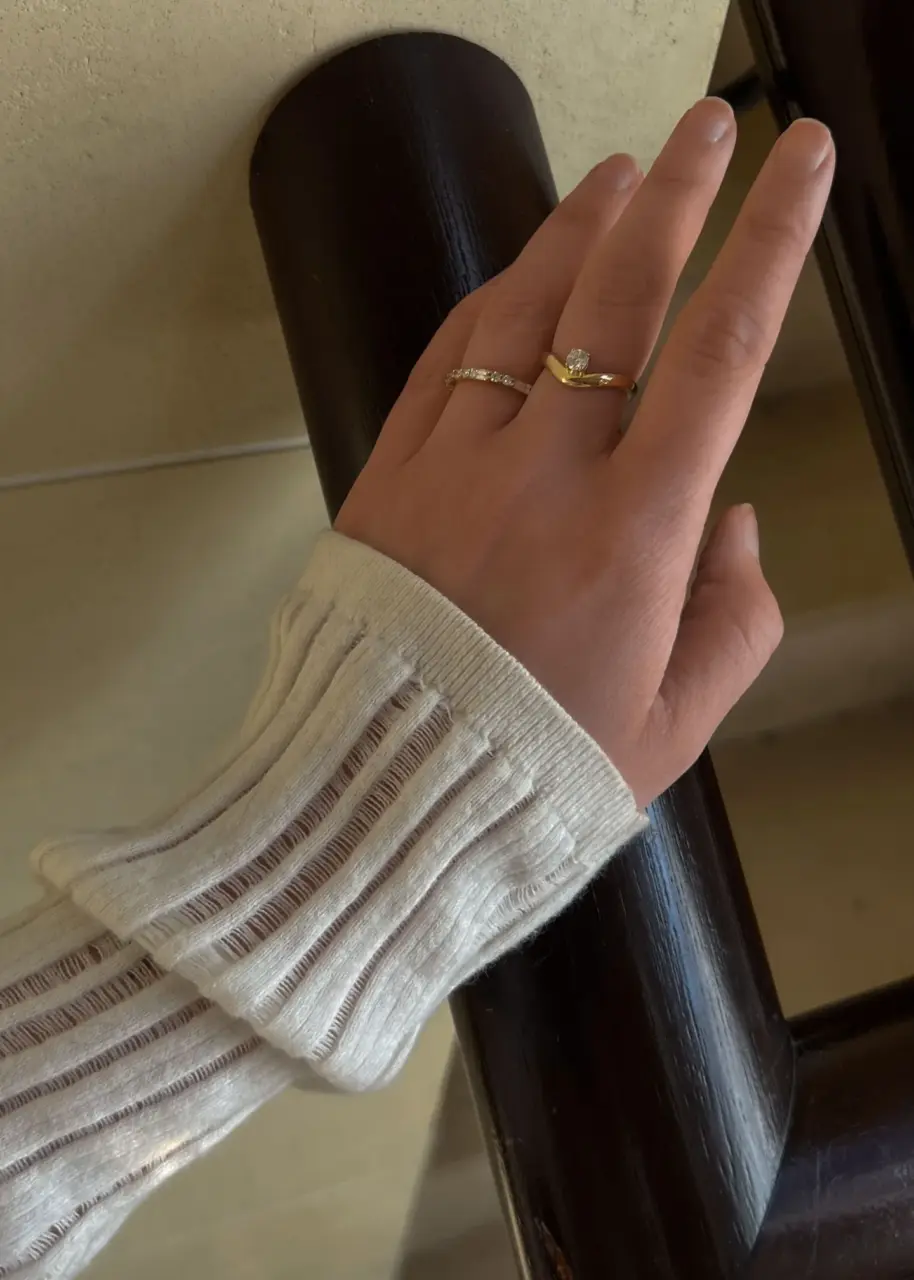
She would love a ring that reflects who she is — something timeless, graceful, and grounded. Not flashy, not fussy. A ring that doesn’t just sparkle — it speaks.
There’s something quietly powerful about a ring that lasts through long shifts, stays on through everything, and still looks beautiful at the end of it.
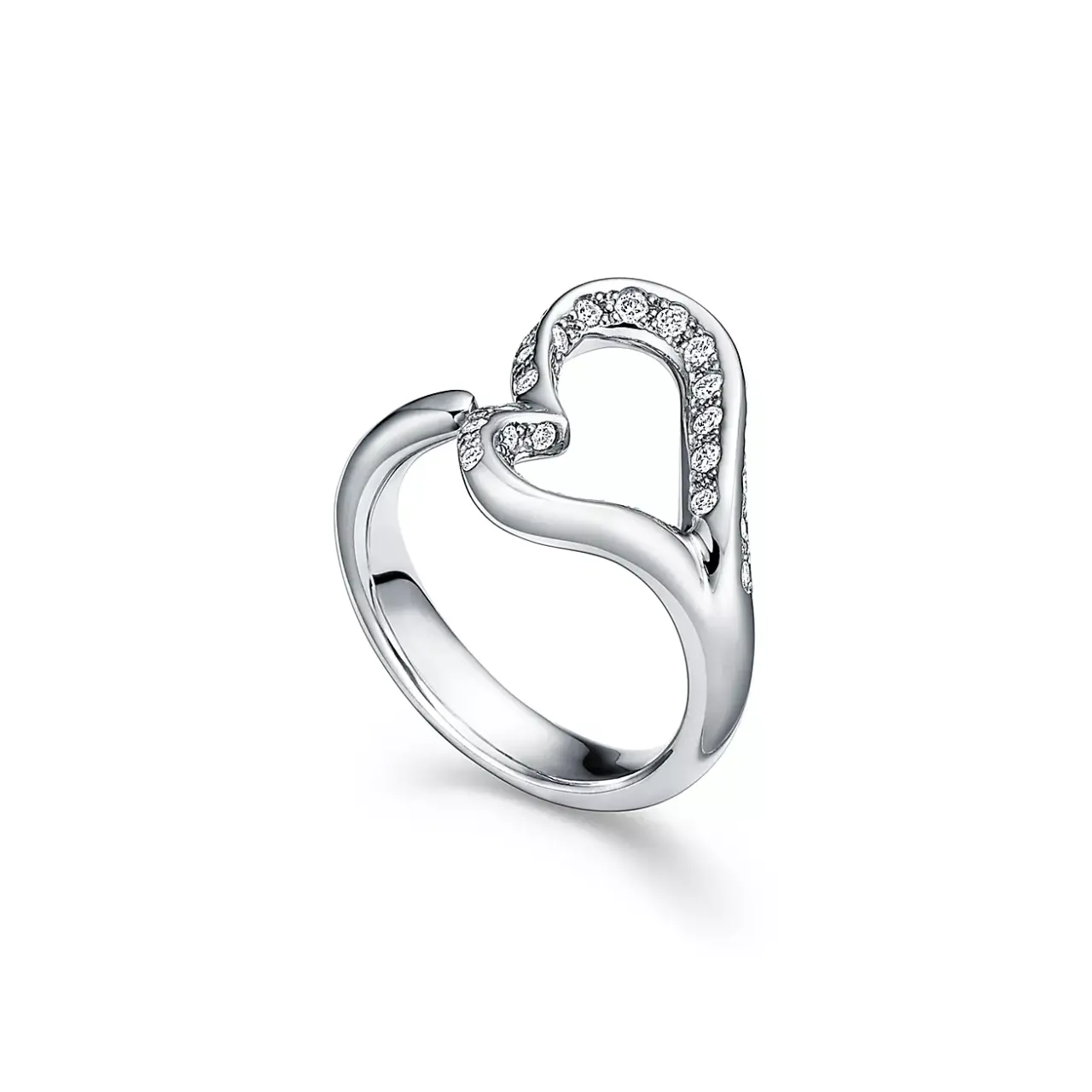
Every ring in this collection is personally chosen with her actual day in mind: low-profile, easy to clean, beautiful enough to mean something, and strong enough to last.
What to look for
Four things that matter
for clinical wear.
01
Setting height — the most important thing
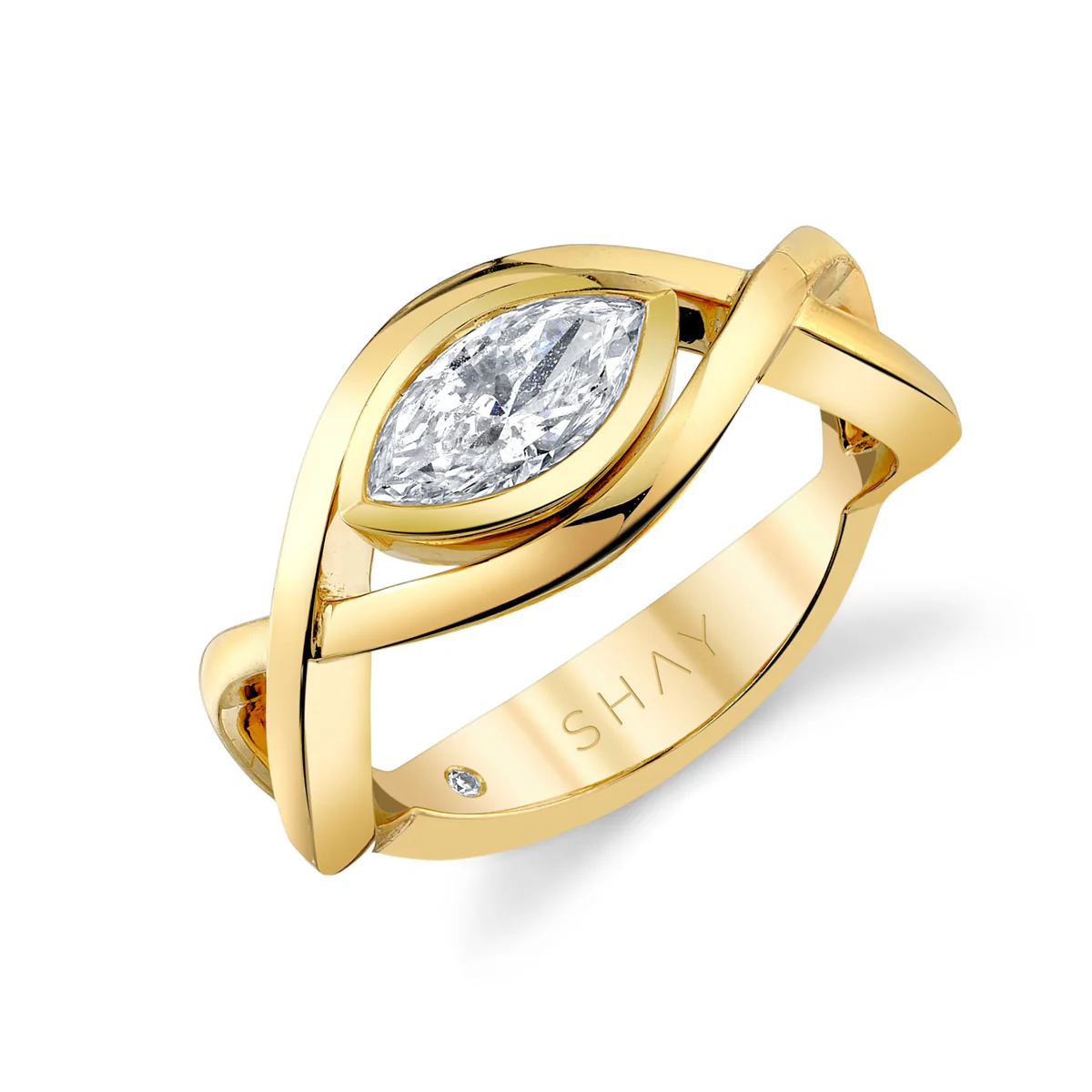
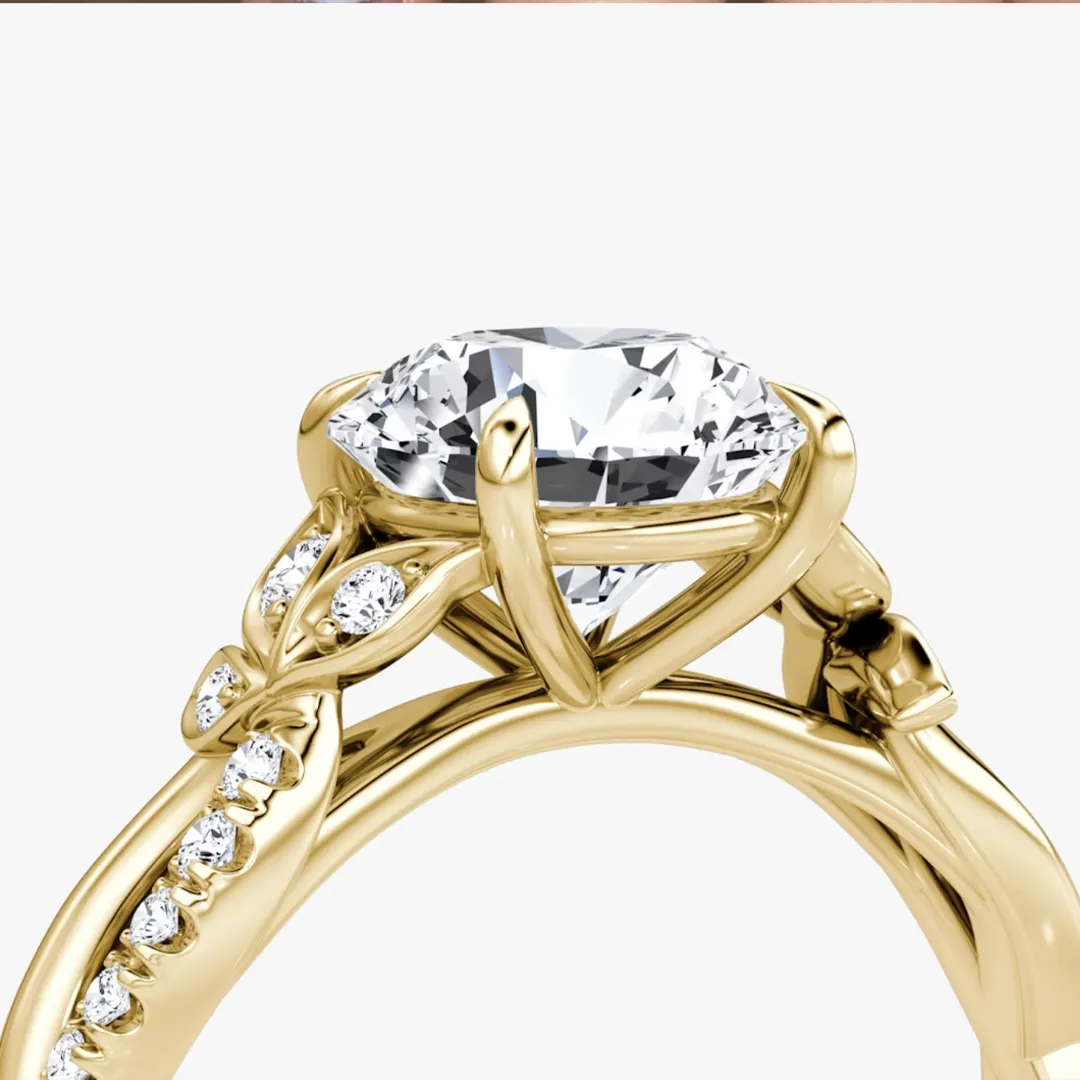
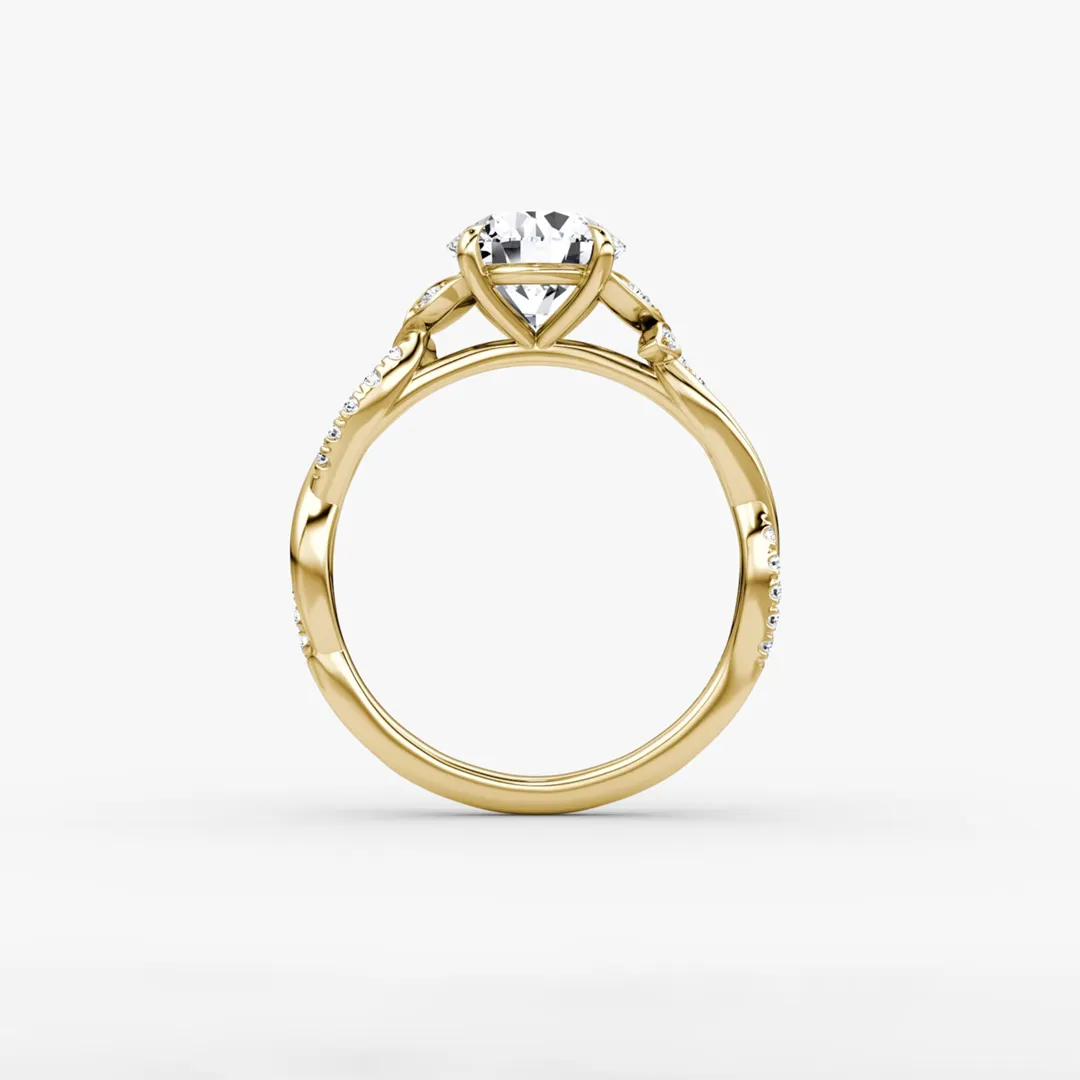
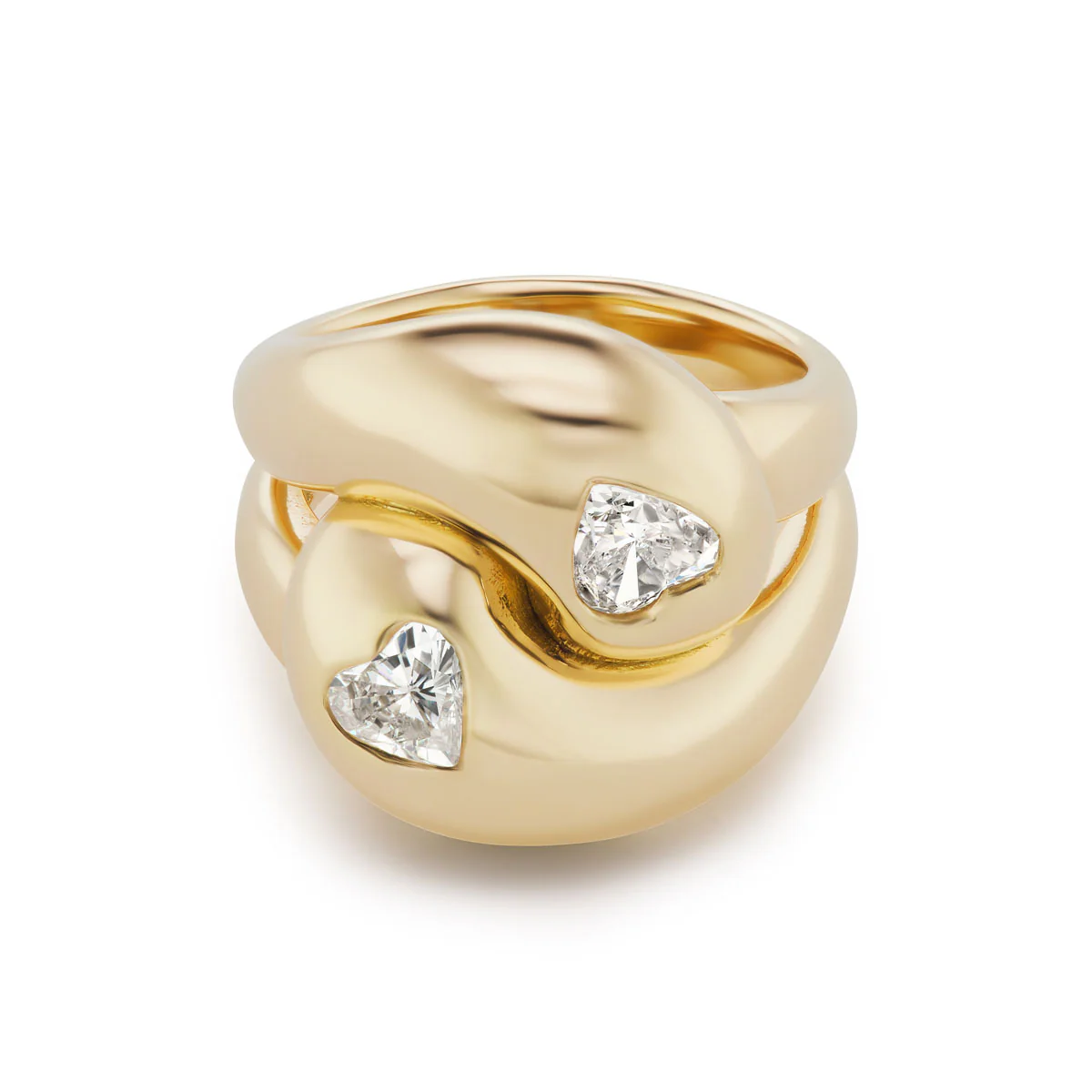
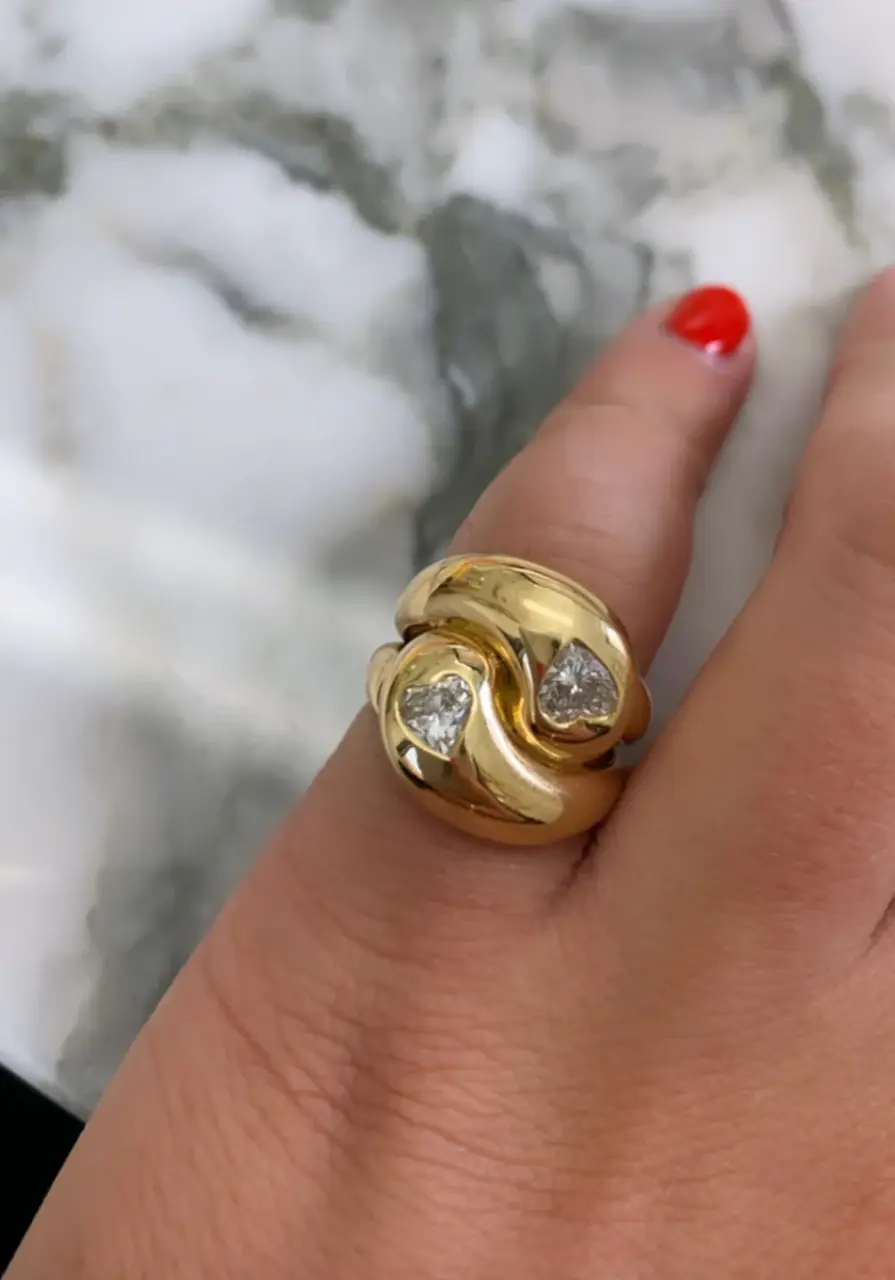
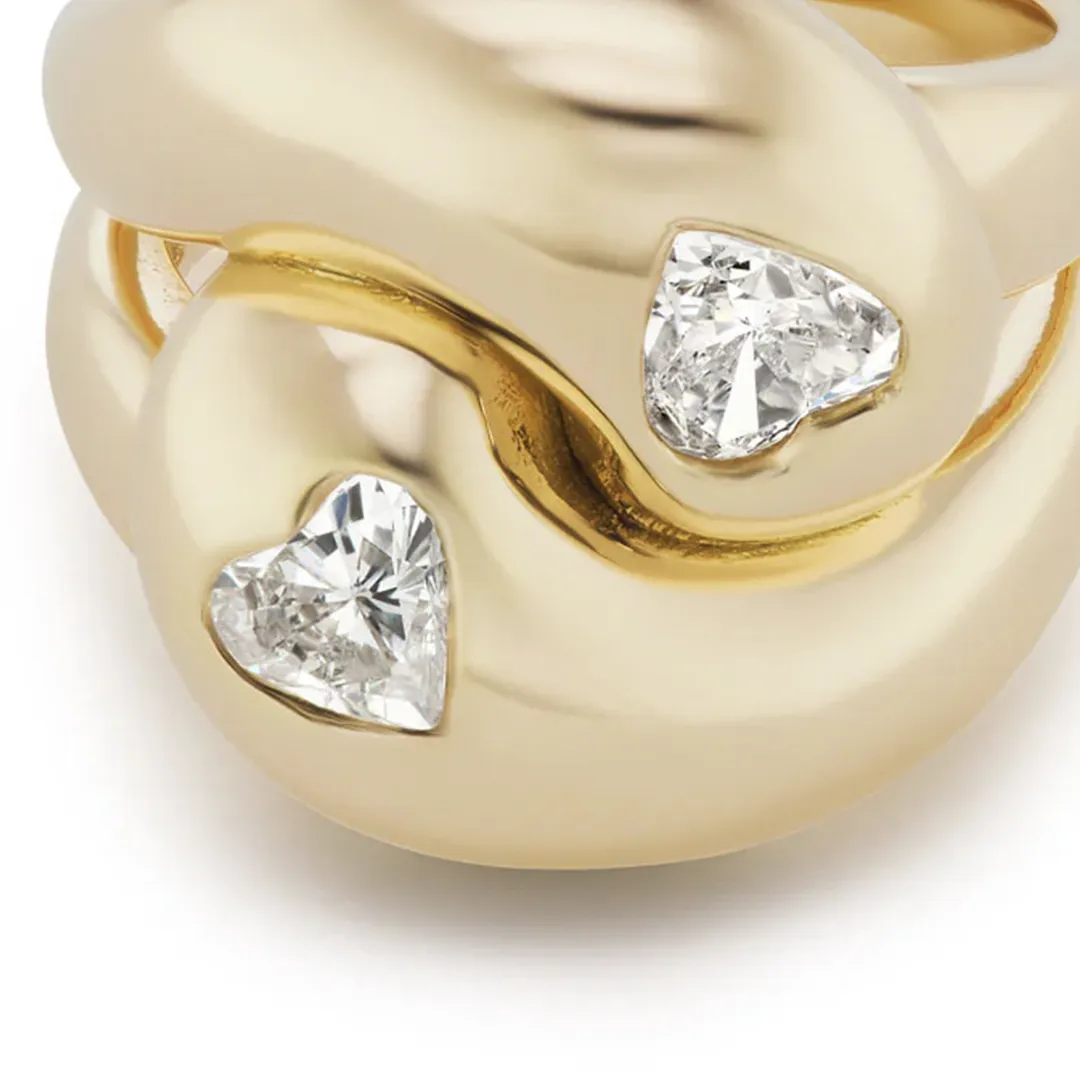
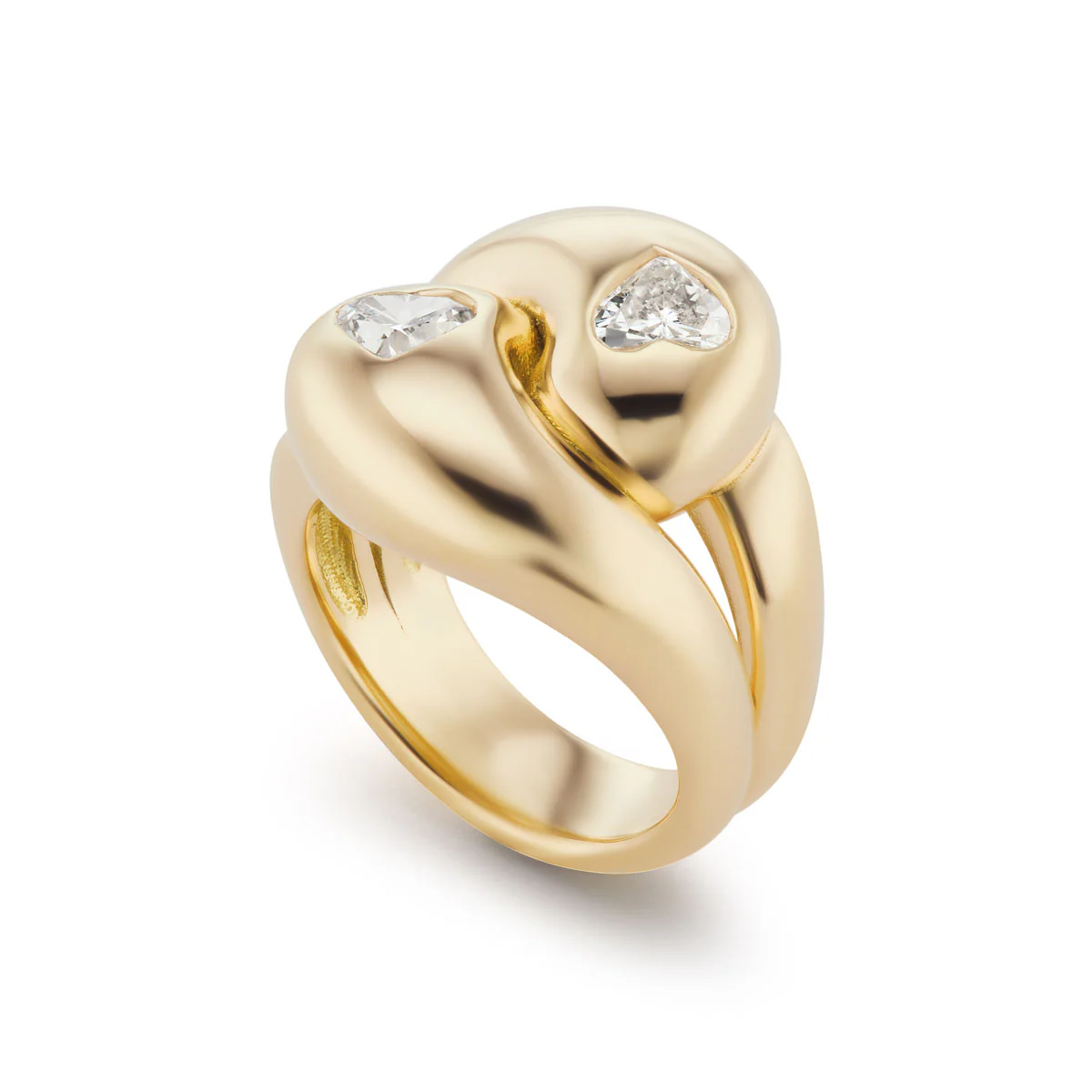
Nurses change gloves dozens of times per shift. A ring that sits higher than 4mm above the band will catch on gloves every single time — it’s not just annoying, it can compromise hygiene and damage the setting over time. Look for bezel settings, flat-set solitaires, or east-west styles where the stone sits horizontally along the finger. These profiles slide under gloves cleanly and stay comfortable through a full shift.
The clinical gold standard
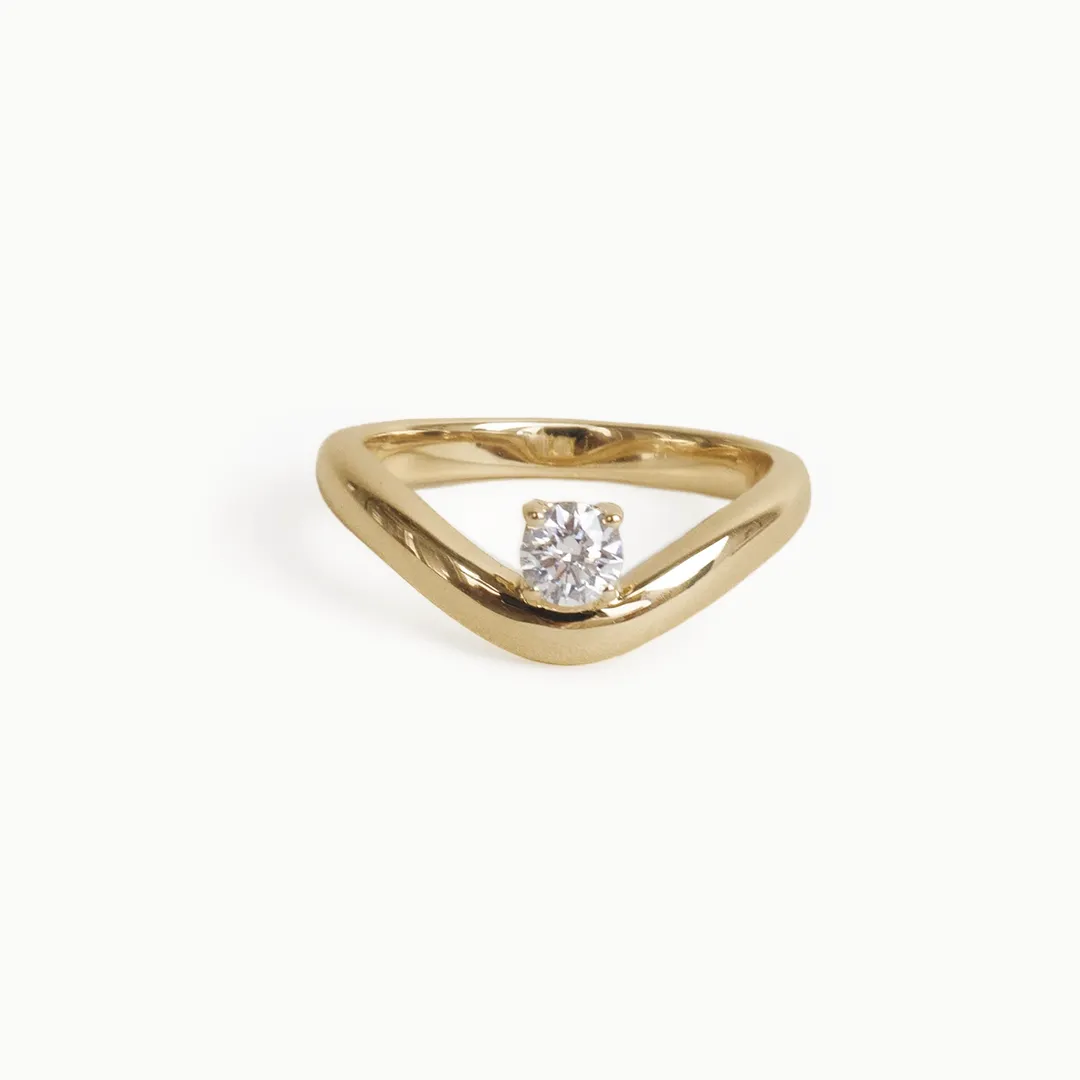
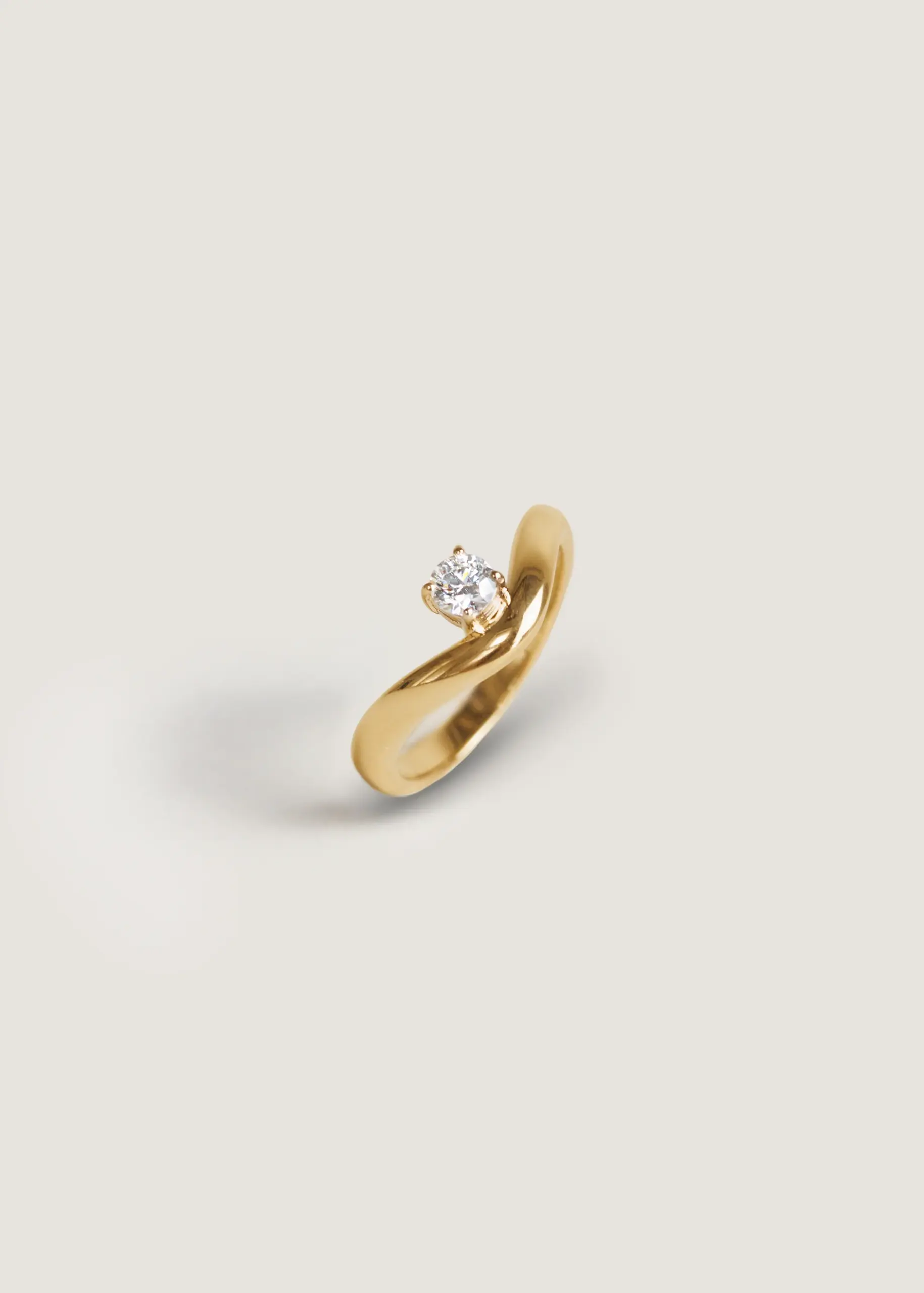
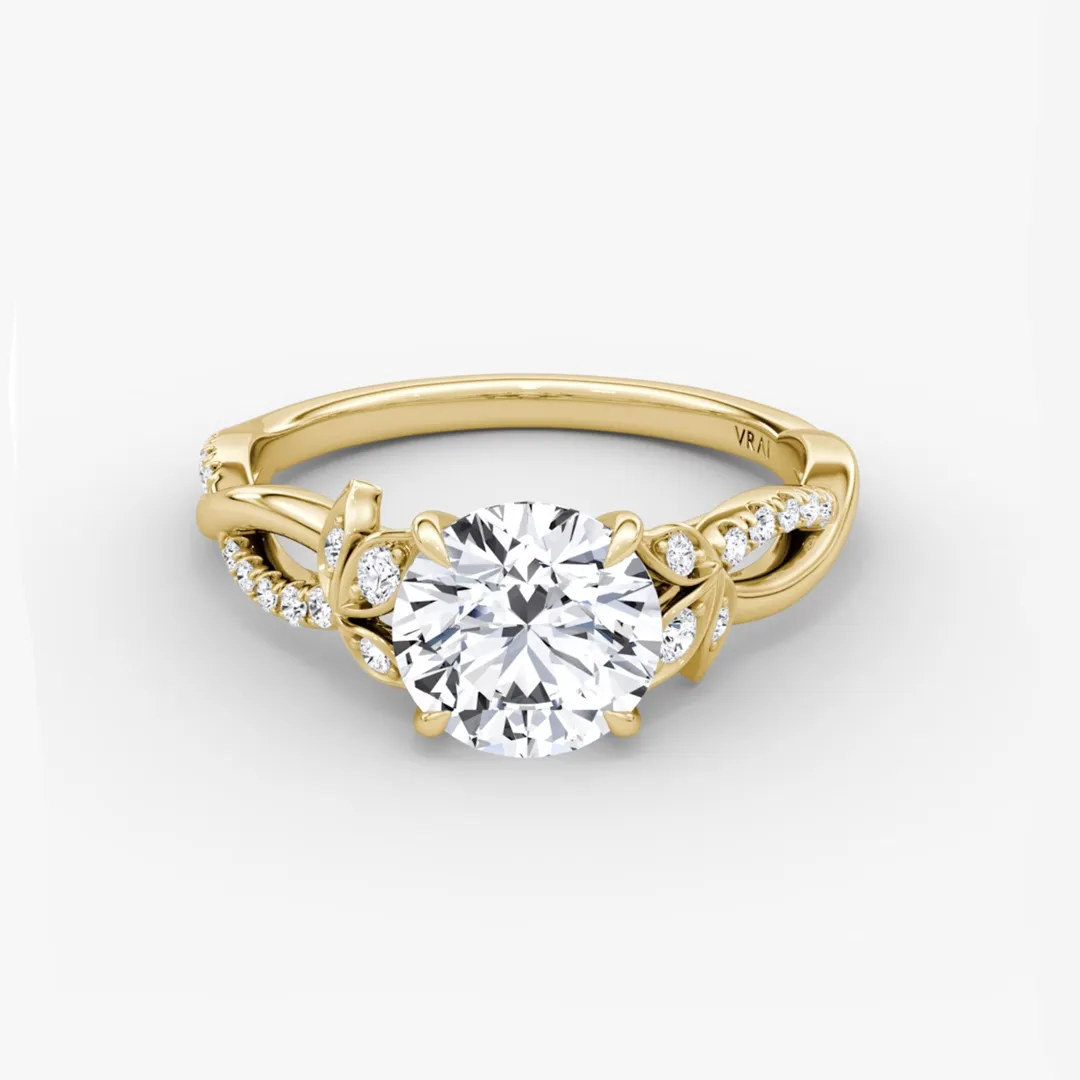
A smooth bezel or simple four-prong solitaire — cleans in seconds under running water, slides under gloves without catching, meets most hospital workplace guidelines.
02
Hand washing — 40 times a day
Hospital guidelines recommend removing rings before patient contact — but many nurses wear simple low-profile rings throughout their shift without issue. What matters is that the ring can actually be cleaned. Avoid pavé settings, vintage filigree, and multi-stone clusters — they trap moisture and debris and are genuinely difficult to sanitise. A smooth bezel or simple four-prong solitaire cleans completely in seconds under running water.
03
Comfort across a 12-hour shift
Fingers swell during long shifts, especially on busy wards. A ring that fits perfectly in the morning can feel tight by hour ten. Consider sizing up a half size if she runs warm or works in a physically demanding unit. Thinner bands — 1.5mm to 2mm — are more comfortable for long wear than wider statement bands, which can pinch when hands are active throughout a full shift.
04
Stone and metal durability
Diamond is the only sensible centre stone for a working nurse — it’s the hardest material on earth and won’t scratch or chip in clinical environments. Lab-grown diamonds offer identical hardness with a fully traceable ethical supply chain, often at 30–50% less than mined equivalents. For metal, platinum is the most durable and tarnish-resistant — it matters when a ring is exposed to hand sanitiser multiple times a day. Avoid silver or plated metals entirely — they degrade quickly under clinical conditions.
Common questions
FAQ — what people
actually ask.
Can nurses wear engagement rings at work?
It depends on the ward and hospital policy. Many nurses wear simple low-profile rings throughout their shift, particularly in outpatient, community, or administrative roles. In surgical, ICU, or maternity settings, most guidelines recommend removing rings before patient contact. The practical middle ground: a slim, low-profile ring worn between patients, removed during procedures. A ring that comes off and on easily — with no prongs catching on gloves — makes that routine effortless.
What is the best engagement ring setting for a nurse?
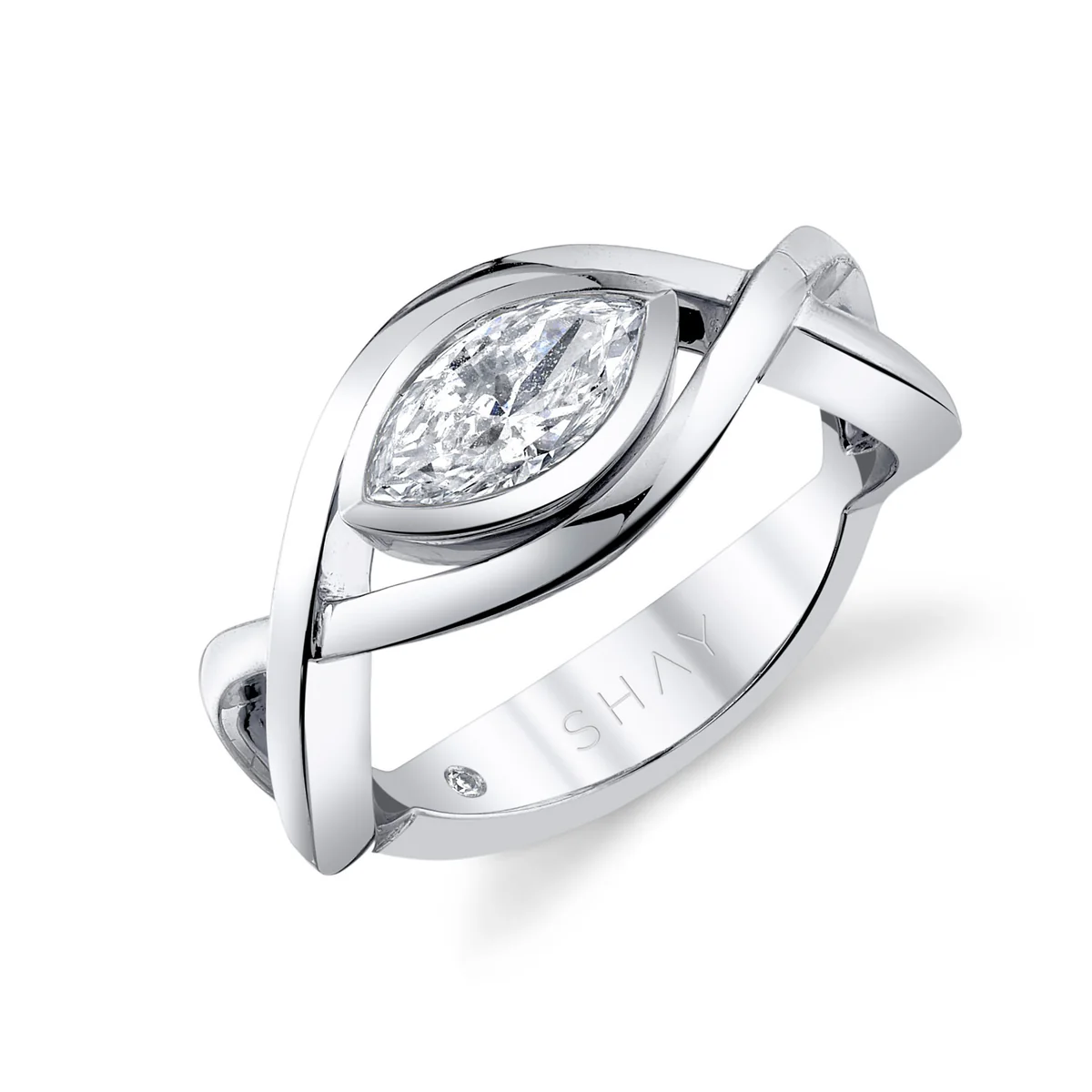
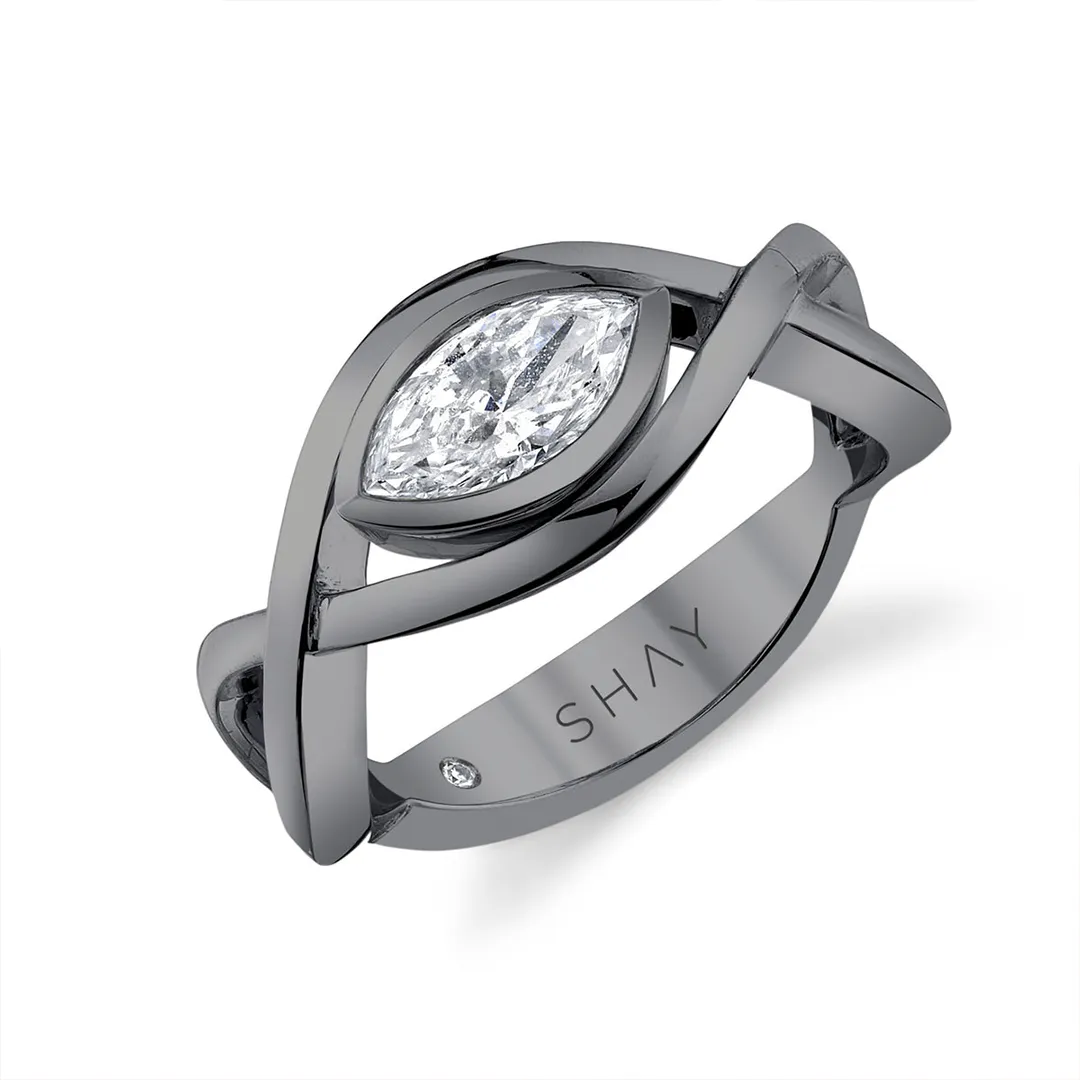
A bezel setting is the most recommended for nurses and other healthcare workers. The stone sits flush inside a metal border — no exposed prongs, no snagging, easy to clean. A low-profile four or six-prong solitaire under 4mm is a close second. East-west settings, where an oval or marquise stone sits horizontally along the finger, are also increasingly popular in healthcare — low-profile by design and distinctive without being impractical.
Does hand sanitiser damage engagement rings?
Over time, yes — but it depends on the metal. Alcohol-based sanitisers can gradually dull the finish on gold alloys. Platinum is the most resistant to sanitiser exposure. If she’s using sanitiser dozens of times a day, a platinum or 14k gold bezel setting will hold up significantly better than a delicate rose gold pavé ring. A jeweller’s annual clean and polish can restore shine lost to daily clinical exposure.
Can a ring be both practical and meaningful for a nurse?
Absolutely — and for many nurses, the most meaningful ring is precisely the one they can wear every day without worry. The rings in this collection aren’t compromises. They’re chosen because they’re genuinely worth wearing — both at work and everywhere else. A ring that lasts through every shift accumulates a kind of meaning that a more elaborate ring kept safe at home never quite achieves.