Profession matters · 2026 guide
Engagement rings
for nutritionists.
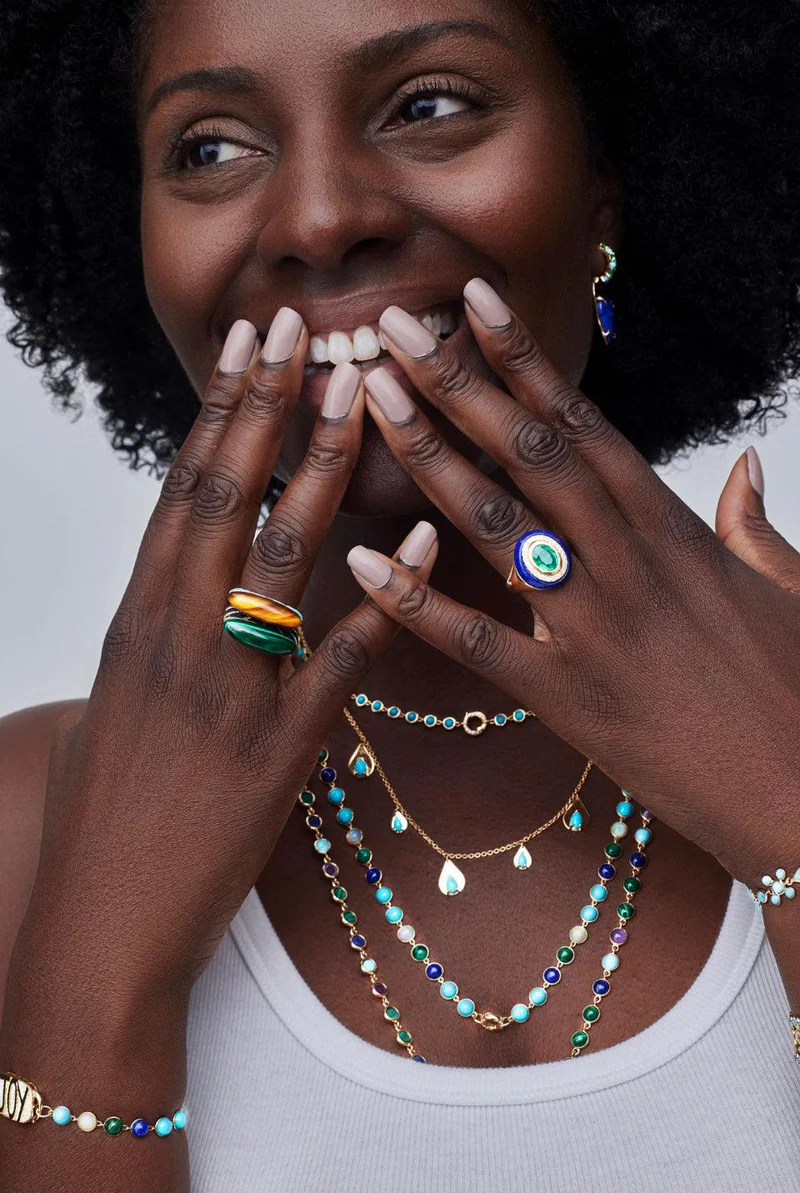
Her hands are always working — taking notes during a consultation, preparing food demonstrations, guiding clients through a meal plan. Her ring needs to keep up. And it needs to reflect the same intentionality she brings to everything else.
See the collection ↓
Why profession matters
Clean, considered —
and worn every day.
A nutritionist thinks carefully about what she puts in and on her body. Ethically sourced stones and recycled metals aren’t just nice-to-haves — for many nutritionists, they’re non-negotiable. She’d gravitate toward a ring that’s clean and considered rather than loud.
No high-set prongs catching on paper, no wide ornate bands making her uncomfortable during a 6-hour clinic day, and nothing that feels out of place in a healthcare setting.
She wants something that reflects the same intentionality she brings to her work — not something she has to think about wearing.
Every ring in this collection is personally chosen with that in mind: low-profile settings, thoughtful materials, and designs that are worn daily without compromise.
What to look for
Four things that matter
for clinical work.
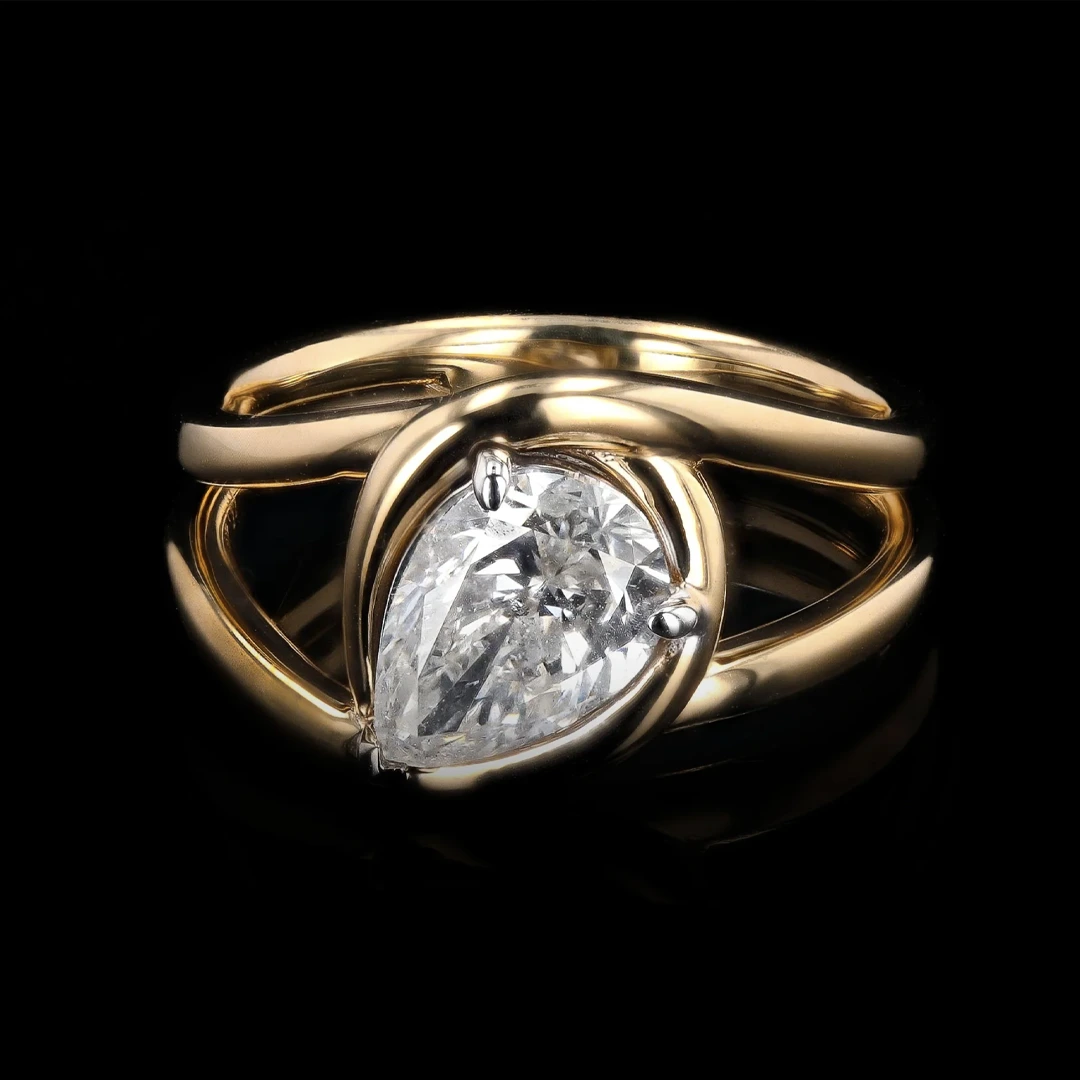
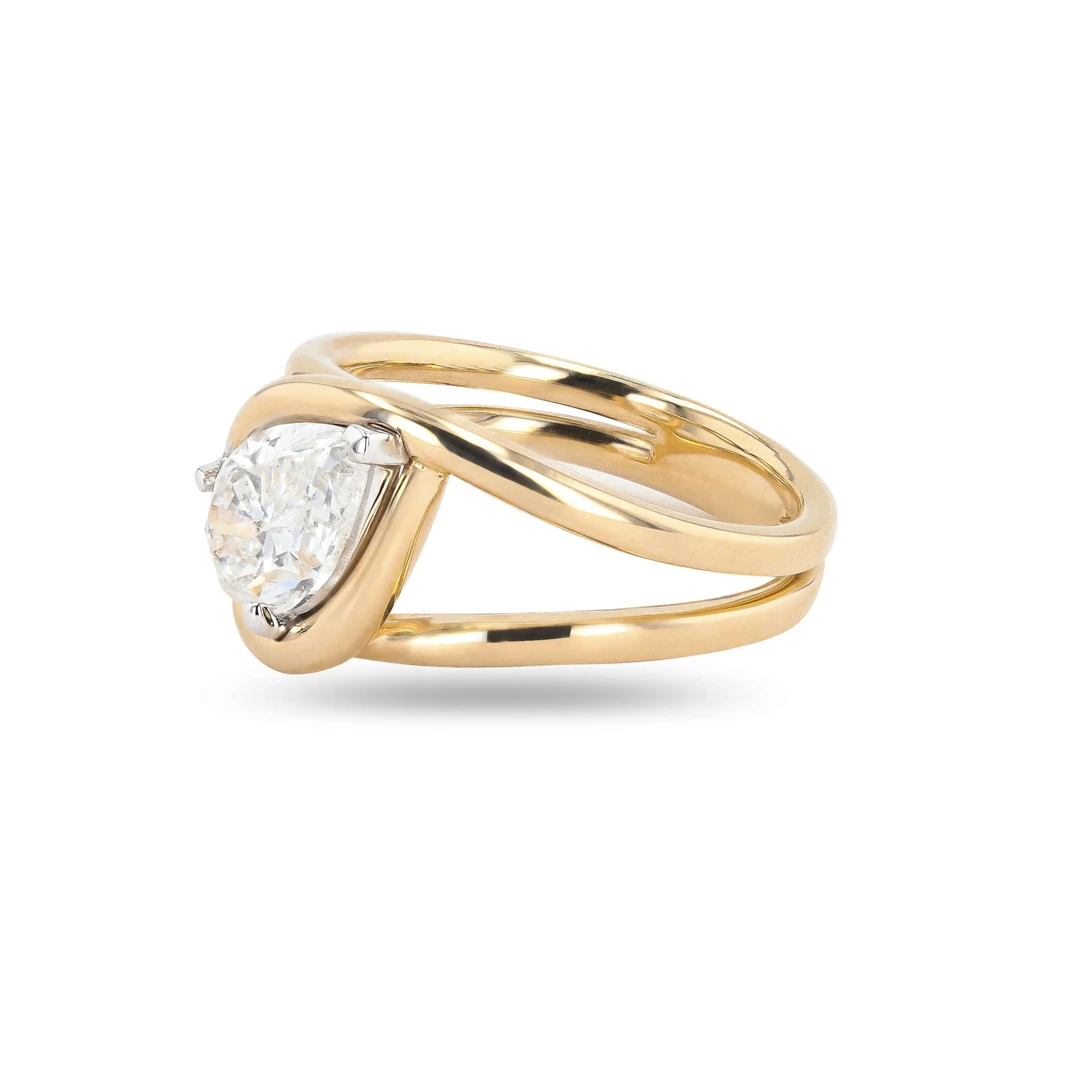
Look for settings under 4mm tall. Anything higher will catch on latex gloves, clipboards, and food packaging. Bezel settings and flush-set solitaires are the safest choices for daily clinical work — the stone sits level with or just below the band surface, with nothing to snag or scratch.
The safest clinical choice
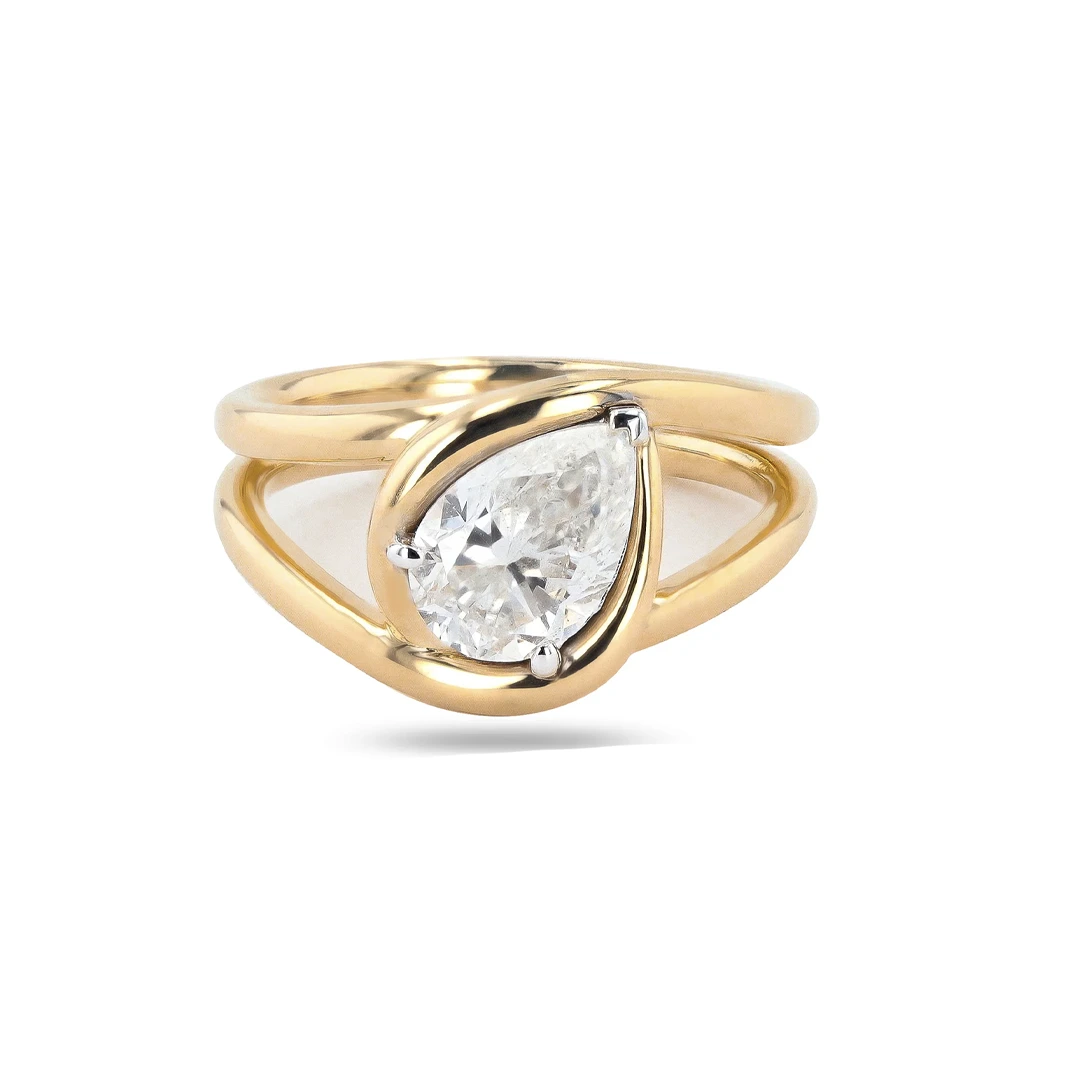
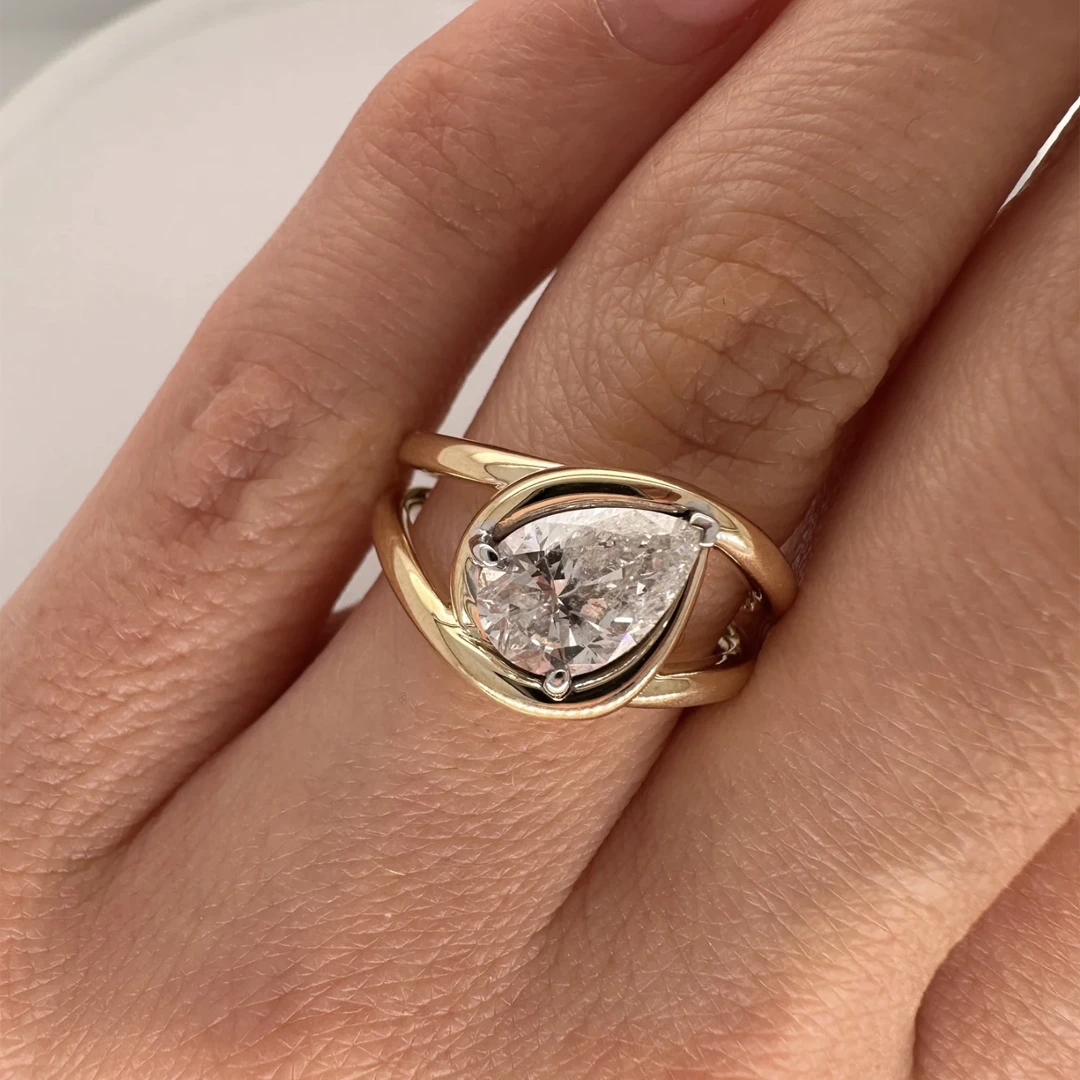
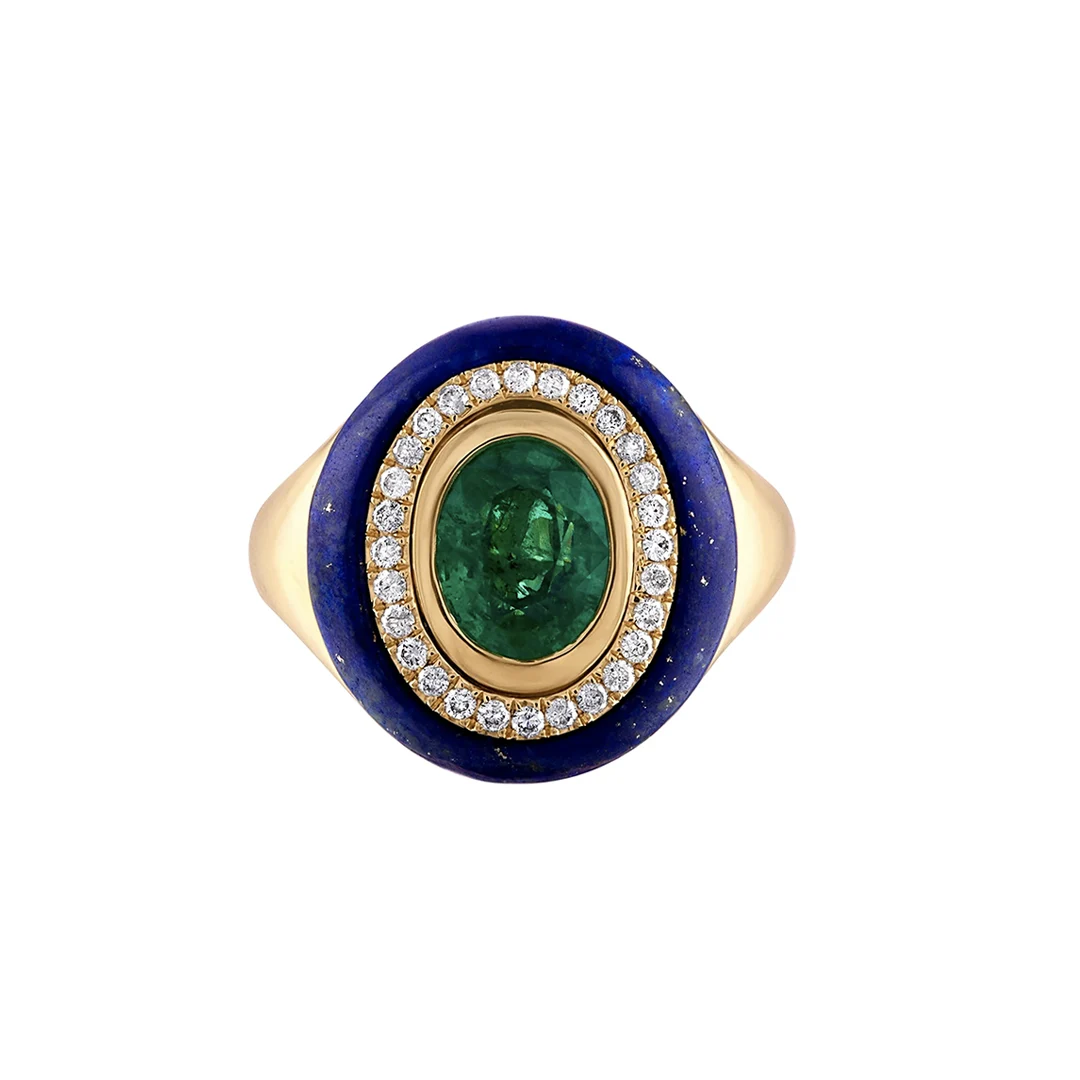
A bezel-set solitaire under 4mm — sits flush against the finger, stays comfortable under gloves, meets most healthcare workplace guidelines.
Lab-grown diamonds are increasingly popular among health-conscious buyers — same hardness as mined diamonds (10 on the Mohs scale), but with a traceable supply chain. Moissanite is another option at a lower price point with similar durability. Avoid softer stones like opal or pearl if the ring will be worn through hands-on sessions — they chip and scratch easily in active environments.
Platinum or 14k gold are both solid choices for daily wear. Platinum is denser and more scratch-resistant but heavier. 14k yellow or rose gold has become the preferred choice for many buyers who want warmth without sacrificing durability. Avoid sterling silver as a standalone band — it’s too soft for everyday use and tarnishes quickly in active environments.
Look for brands that specify recycled gold or platinum and can trace their diamond or gemstone supply chain. Brands like Brilliant Earth, Do Amore, and Vrai are transparent about sourcing. If this matters to her, it’s worth checking each jeweller’s sourcing page directly before purchasing — not all brands are equally transparent.
Common questions
FAQ — what people
actually ask.
Can a nutritionist wear a diamond ring at work?
Yes — the key is the setting. A high cathedral solitaire with exposed prongs isn’t ideal for clinical environments. But a bezel-set or low-profile solitaire under 4mm sits flush against the finger, stays comfortable under gloves, and meets most healthcare workplace guidelines. Many nutritionists in private practice wear their rings every day without issue.
What’s the most practical stone for a nutritionist’s lifestyle?
Diamond (mined or lab-grown) is the most practical choice — it’s the hardest natural material and won’t scratch or chip in day-to-day wear. If ethical sourcing is a priority, lab-grown diamonds offer the same durability with a fully traceable supply chain at roughly 30–50% lower cost than mined equivalents.
Are there engagement rings designed for healthcare professionals?
Not marketed that way, but bezel settings, low-dome bands, and flush-set rings are broadly recommended for anyone in hands-on work. Several brands in this collection — including Vrai, Brilliant Earth, and June Rings — make styles that work perfectly for clinical environments without looking clinical.
What budget should I expect for a practical, ethical nutritionist ring?
A solid lab-grown diamond solitaire in a low-profile bezel setting from a reputable brand typically starts around $1,200–$1,800. Natural diamond equivalents in the same style run $2,500–$4,500 depending on carat weight. The rings in this collection range from $755 to $9,000+ to cover different budgets.