Profession matters · 2026 guide
Engagement rings for
police officers.
She puts on her uniform every shift knowing her day could go in any direction — and she shows up anyway. Her ring is on through patrol shifts, foot pursuits, restraints, and equipment checks. It needs to be as resilient as she is.
See the collection ↓
Why profession matters
Strong, brave —
and deserves beautiful.
For a police officer, the ring question is more serious than it sounds. A high-set stone can snag on a duty belt, a suspect’s clothing, or tactical gloves. A fragile setting can crack in a physical altercation. Some departments have policies about jewellery that limit what can be worn on duty.
And yet — she deserves a ring as beautiful and meaningful as anyone else. More so, maybe.
A ring that’s still on her finger twenty years from now, having survived everything her career threw at it, is the most meaningful ring of all.
Every ring in this collection is personally chosen with her actual shift in mind: secure settings, durable metals, low-profile designs that won’t interfere with her work.
What to look for
Four things that matter
for law enforcement.
01
Department policy — check this first
Many police departments have written or informal policies about jewellery worn on duty. Some restrict rings entirely during active patrol. Others allow simple bands but not stones. Before choosing a ring, it’s worth checking what the department actually permits. Some officers end up with two rings: a silicone or plain metal band for on-duty wear and their actual engagement ring for off-duty. If that’s the plan, it’s worth knowing upfront so the engagement ring can be chosen for off-duty life rather than trying to compromise on both.
The safest on-duty choice
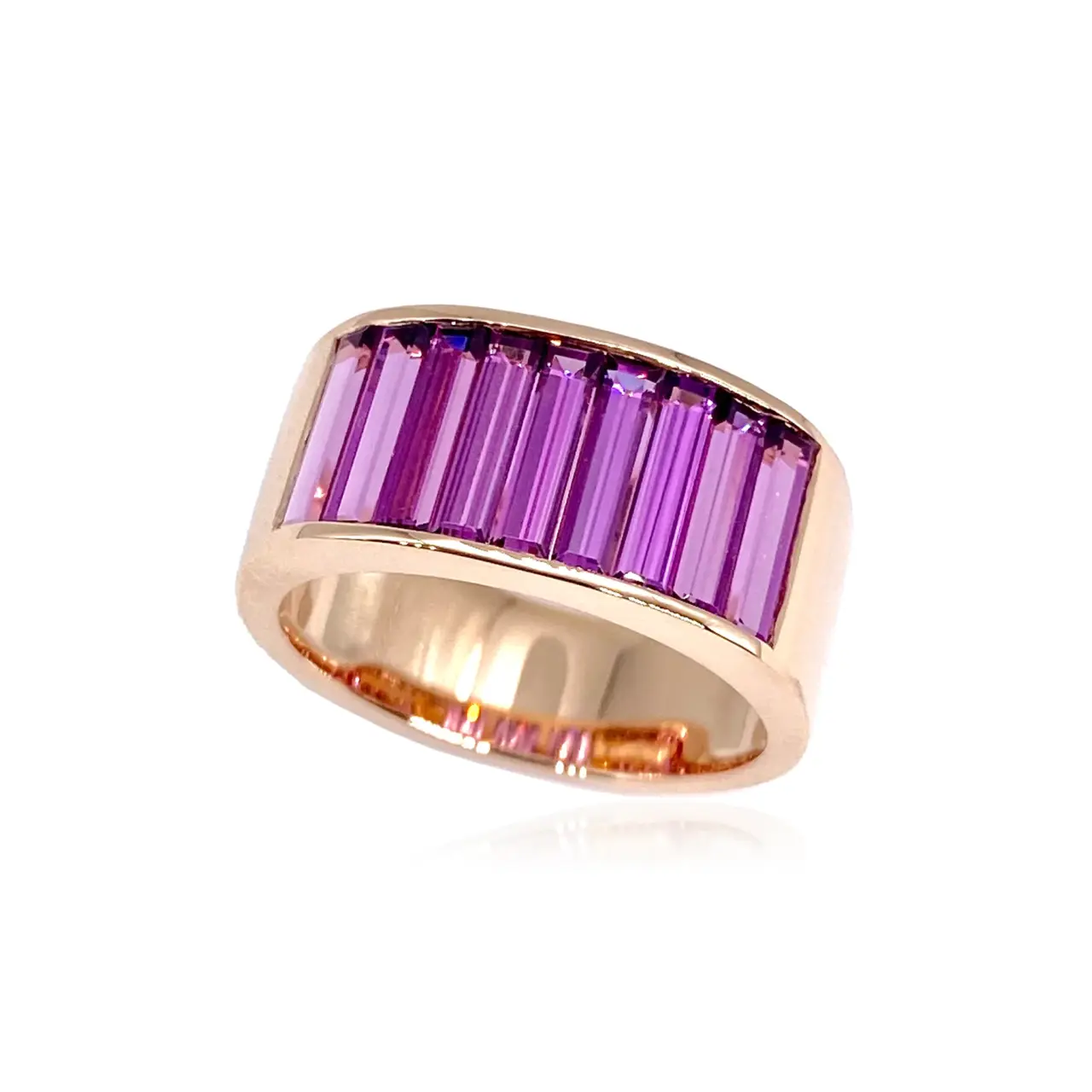
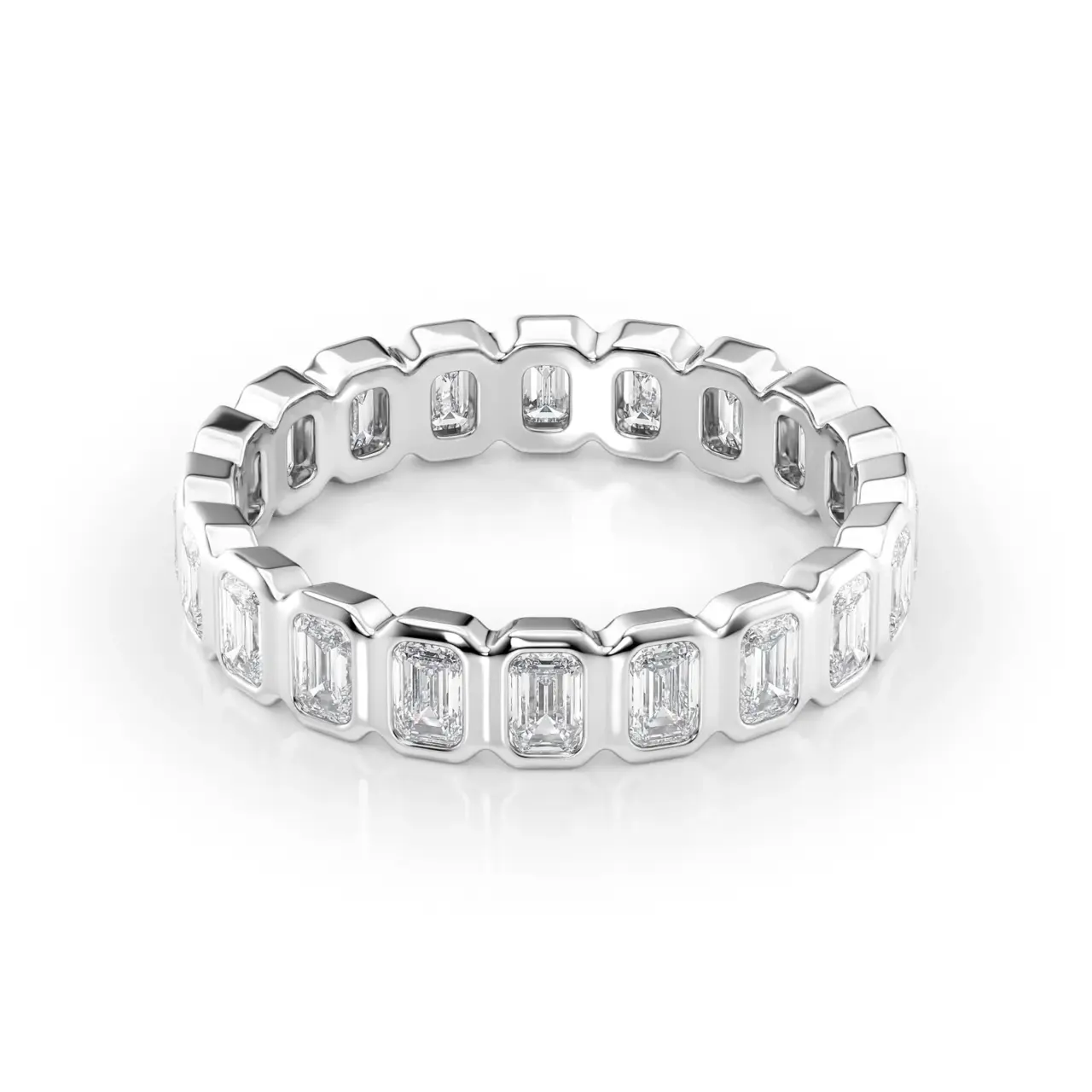
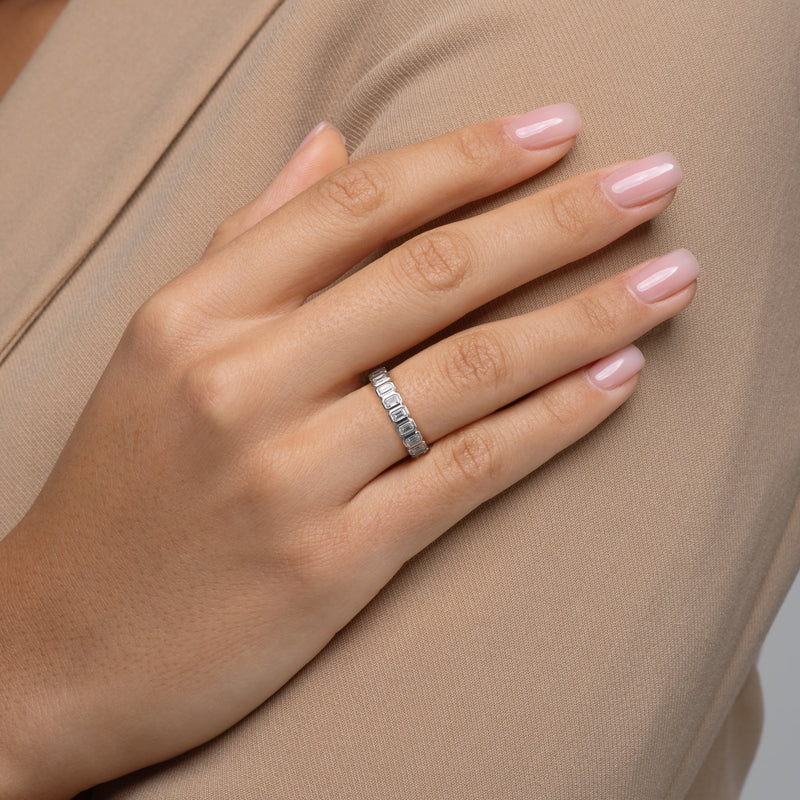
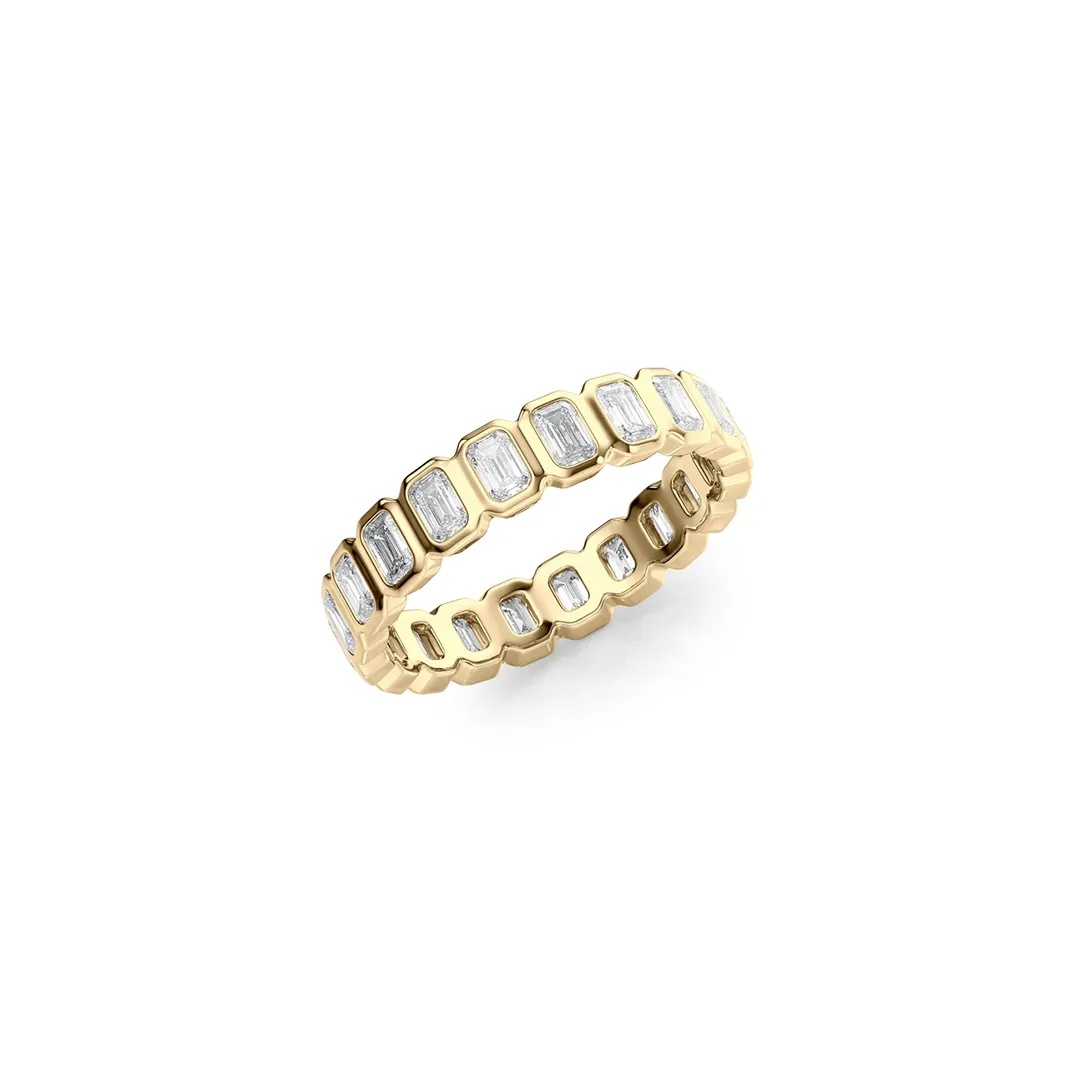
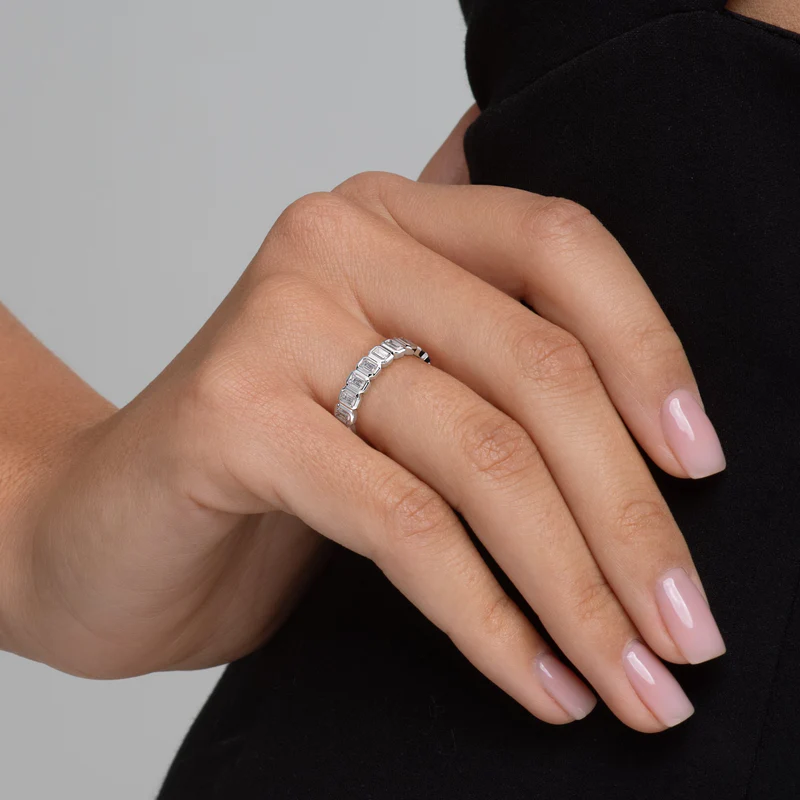
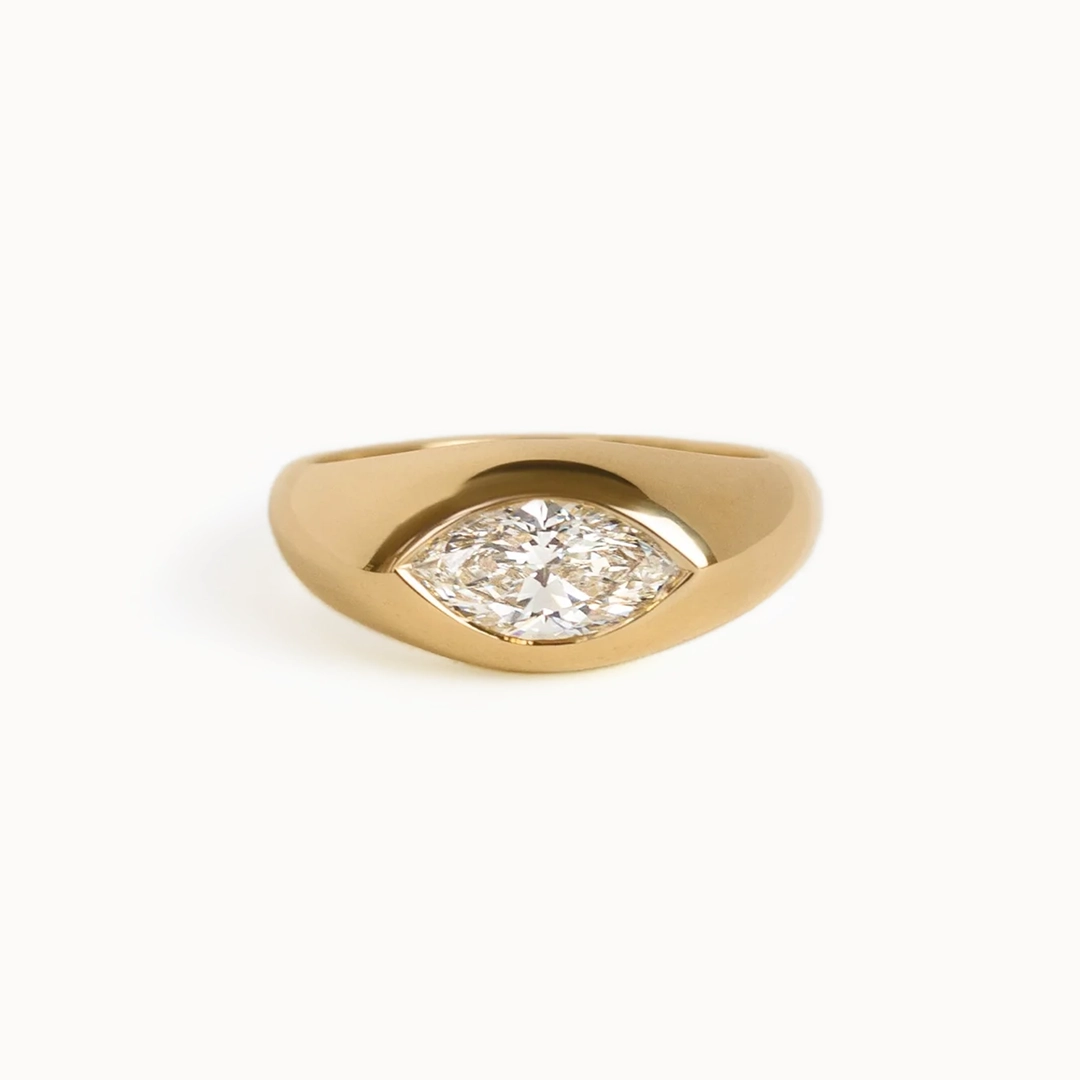
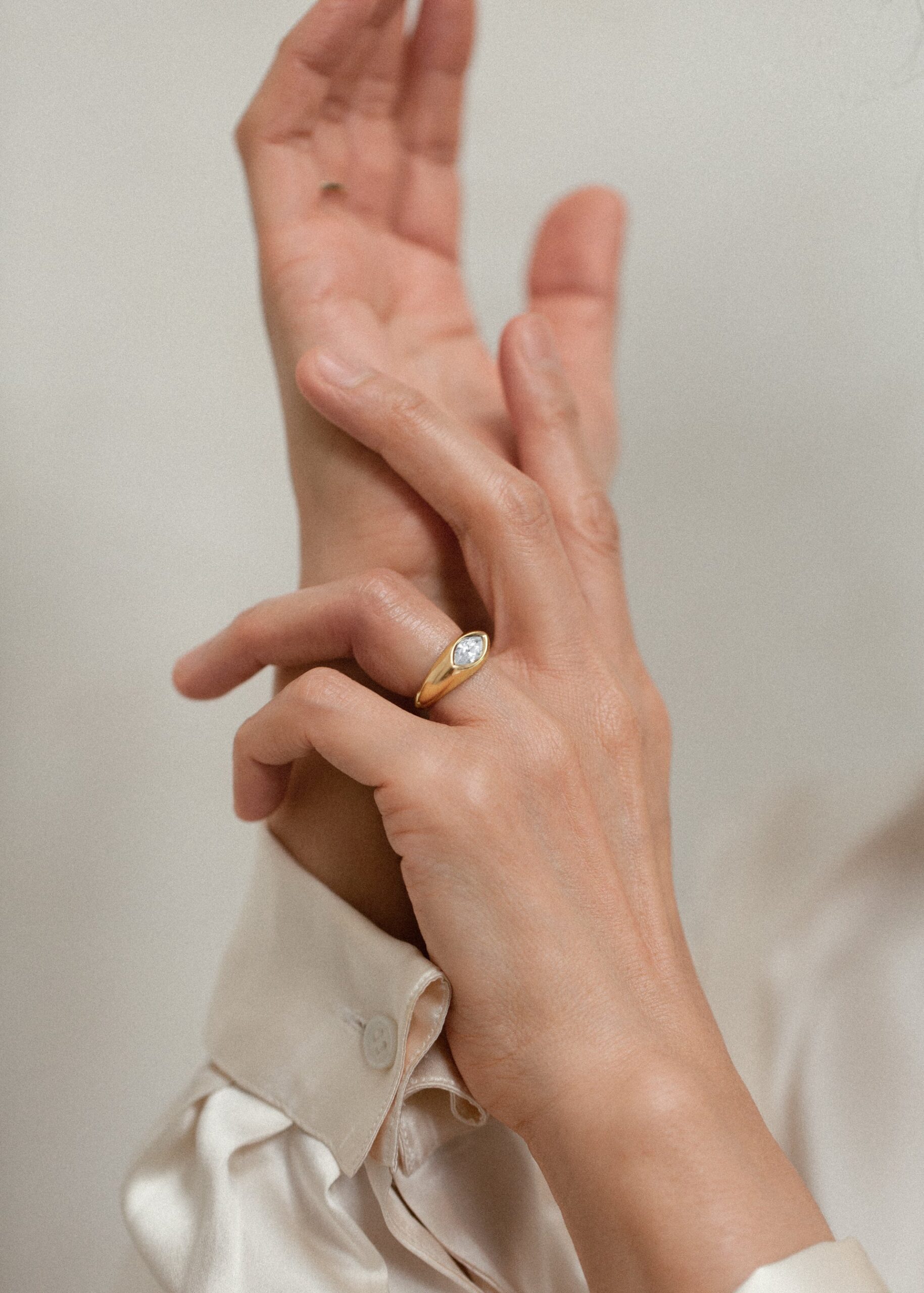
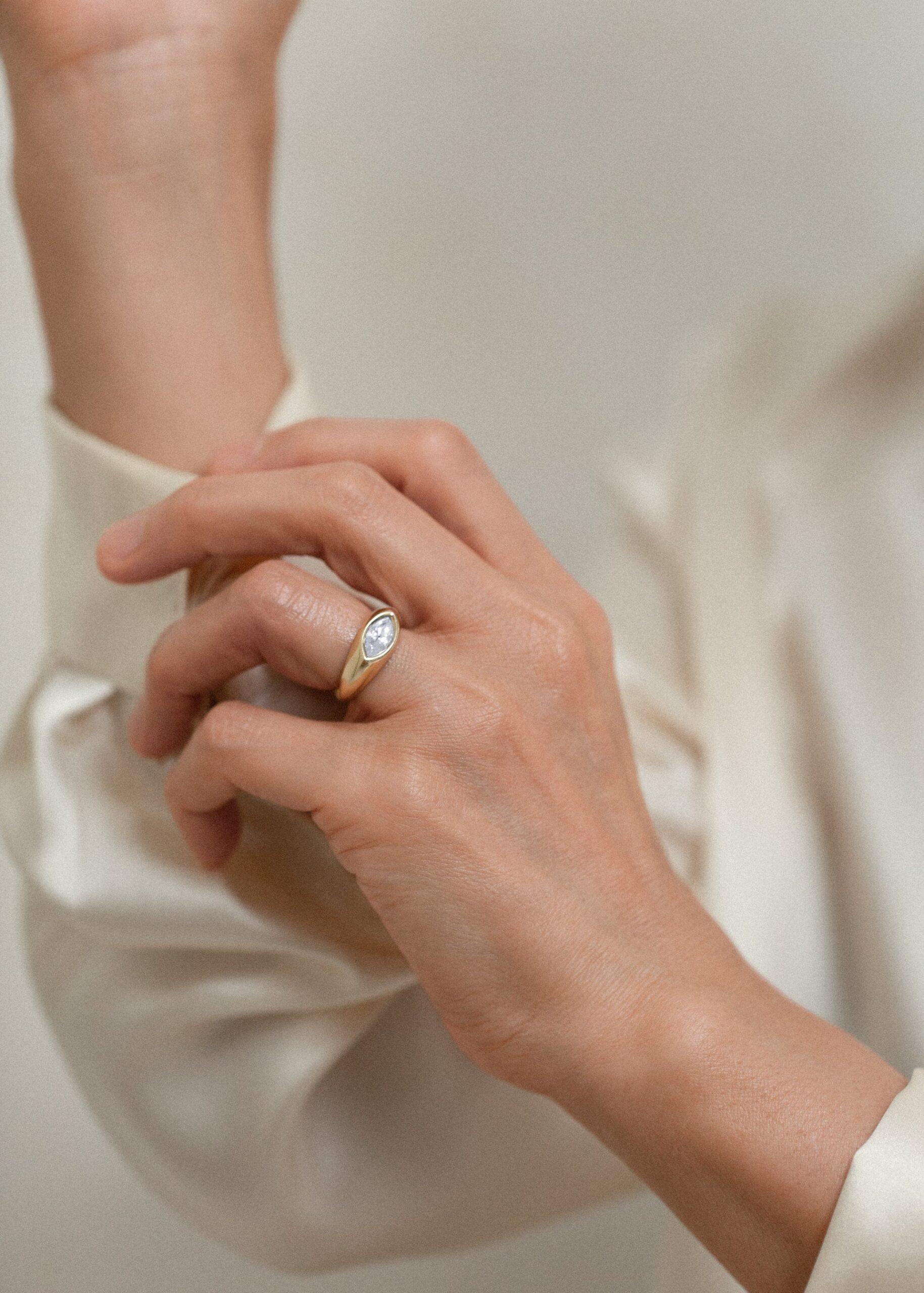
A slim, smooth bezel-set ring — stone fully enclosed in metal, no protruding edges, nothing to catch on equipment or clothing during physical contact.
02
Physical safety — this matters here more than anywhere
A ring worn during a physical altercation carries real risks. High prongs can tear skin during a struggle. A ring caught on a suspect’s clothing during a pursuit can cause serious injury if pulled with force. This is why many officers who wear rings on duty choose bezel settings specifically — the stone is fully enclosed in metal with no protruding edges. A slim, smooth bezel-set ring is the safest option for on-duty wear where physical contact is a regular possibility.
03
Tactical gloves and equipment
Police officers wear tactical gloves in many situations — during searches, arrests, evidence handling, and cold weather patrol. A ring that sits higher than 4mm will resist glove fitting and feel uncomfortable once the glove is on. Duty belts, handcuff cases, and weapon holsters also create contact points where a protruding setting will catch repeatedly throughout a shift. The most practical choice for on-duty wear is a setting under 4mm — bezel, flush-set, or a very low solitaire.
04
Metal durability under real pressure
Platinum is the most impact-resistant precious metal and holds stones most securely under physical stress — the best choice for a ring that may be worn during demanding physical work. 14k gold is a strong alternative. Titanium is worth mentioning — extremely lightweight and virtually indestructible — but it cannot be resized, which is a real limitation for a lifetime ring. For a proper engagement ring intended to last a lifetime, platinum or 14k gold in a bezel setting remains the most recommended combination.
Common questions
FAQ — what people
actually ask.
Can a police officer wear an engagement ring on duty?
It depends on the department and the role. Many officers settle on a practical solution: a silicone ring or plain metal band for on-duty wear, and their actual engagement ring off duty. Silicone rings have become genuinely popular in law enforcement for exactly this reason — they’re safe, comfortable, and cost very little. If the engagement ring is primarily for off-duty wear, it opens up far more options than trying to find something that survives both a shift and a formal dinner.
What is the safest engagement ring setting for a police officer?
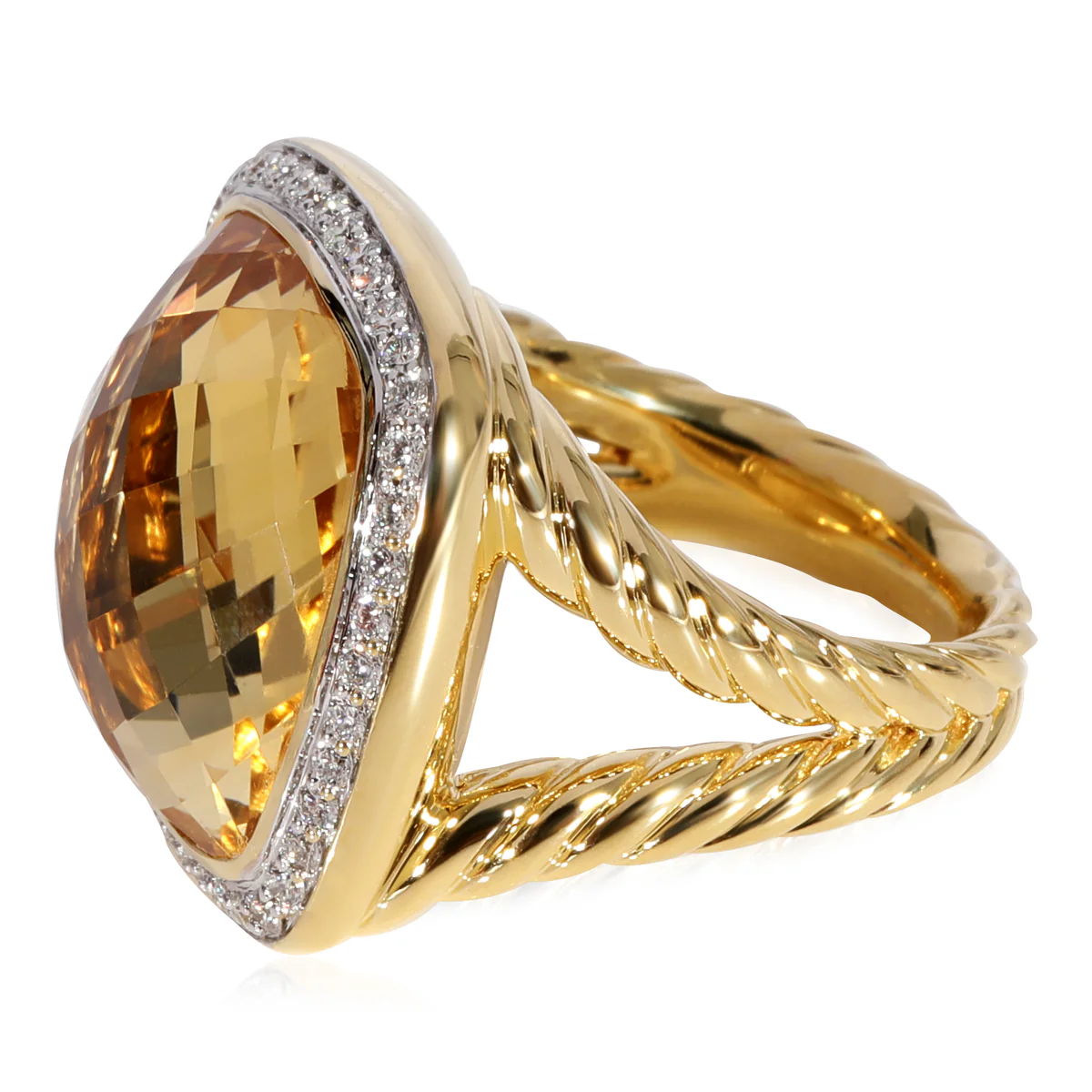
A bezel setting is the most consistently recommended option for law enforcement. The stone sits fully enclosed within a metal border — no exposed prongs, no sharp edges, nothing to catch on equipment or clothing during physical contact. For officers who want a more traditional look, a low four-prong solitaire under 4mm with smooth, rounded prong tips is the next safest option. Avoid tall cathedral settings, halo designs, and pavé bands for on-duty wear.
Is titanium or tungsten a good choice for a police officer’s ring?
Both are extremely durable and popular in active professions, but they come with a significant limitation: neither can be resized. For a wedding band or a secondary ring worn on duty, that’s a reasonable trade-off. For a primary engagement ring intended to last a lifetime, it’s worth thinking carefully — fingers change over time. A platinum or 14k gold ring can be resized by any jeweller. A titanium or tungsten ring generally cannot and must be replaced entirely if the fit changes.
What makes a ring truly meaningful for a police officer?
Something that represents who she actually is — not just what she does. A ring that’s been genuinely thought through — chosen for its durability, its practicality, its ability to last through everything her life involves — carries that same intentionality. It doesn’t need to be the biggest or the most elaborate. It needs to be right. A ring that’s still on her finger twenty years from now, having survived everything her career threw at it, is the most meaningful ring of all.