Profession matters · 2026 guide
Engagement rings for
fitness trainers.
She doesn’t slow down for anything — and her ring shouldn’t either. The right engagement ring for a fitness trainer isn’t the most impressive one. It’s the one she can wear through a 6am bootcamp and still love the look of at dinner.
See the collection ↓
Why profession matters
From 6am bootcamp
to dinner.
As a fitness trainer, her hands are constantly in motion: spotting clients, demonstrating form, adjusting equipment, and leading classes back to back. A ring that looks beautiful in a jeweller’s case needs to actually survive that day. Every day.
That changes what matters. For a fitness trainer, the right ring is low-profile, secure, and built to last — without feeling like a compromise.
Low-profile, secure, and built to last. Every ring in this collection is personally chosen with exactly that standard in mind.
Many fitness trainers extend their values around health and sustainability to what they wear — which is why ethical sourcing and lab-grown options are well represented in this collection.
What to look for
Four things that matter
for active lifestyles.
01
Setting height — the most important thing
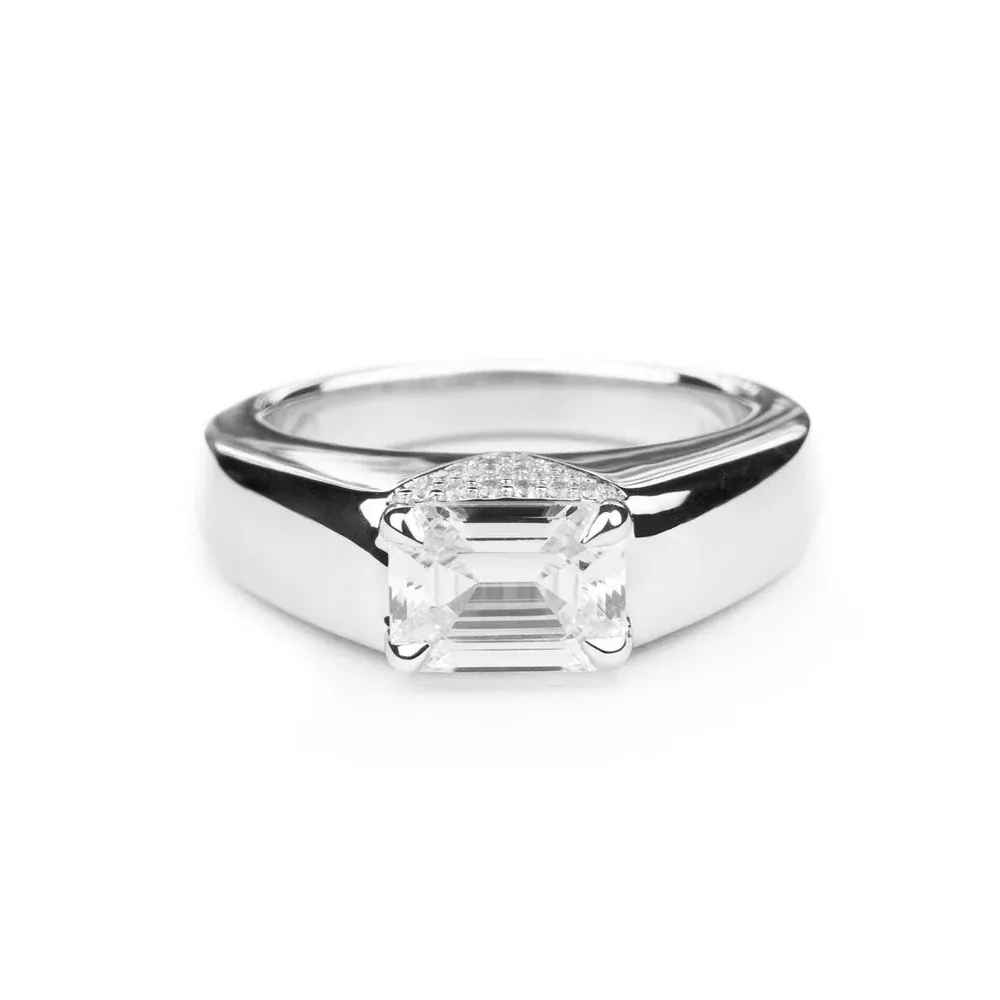
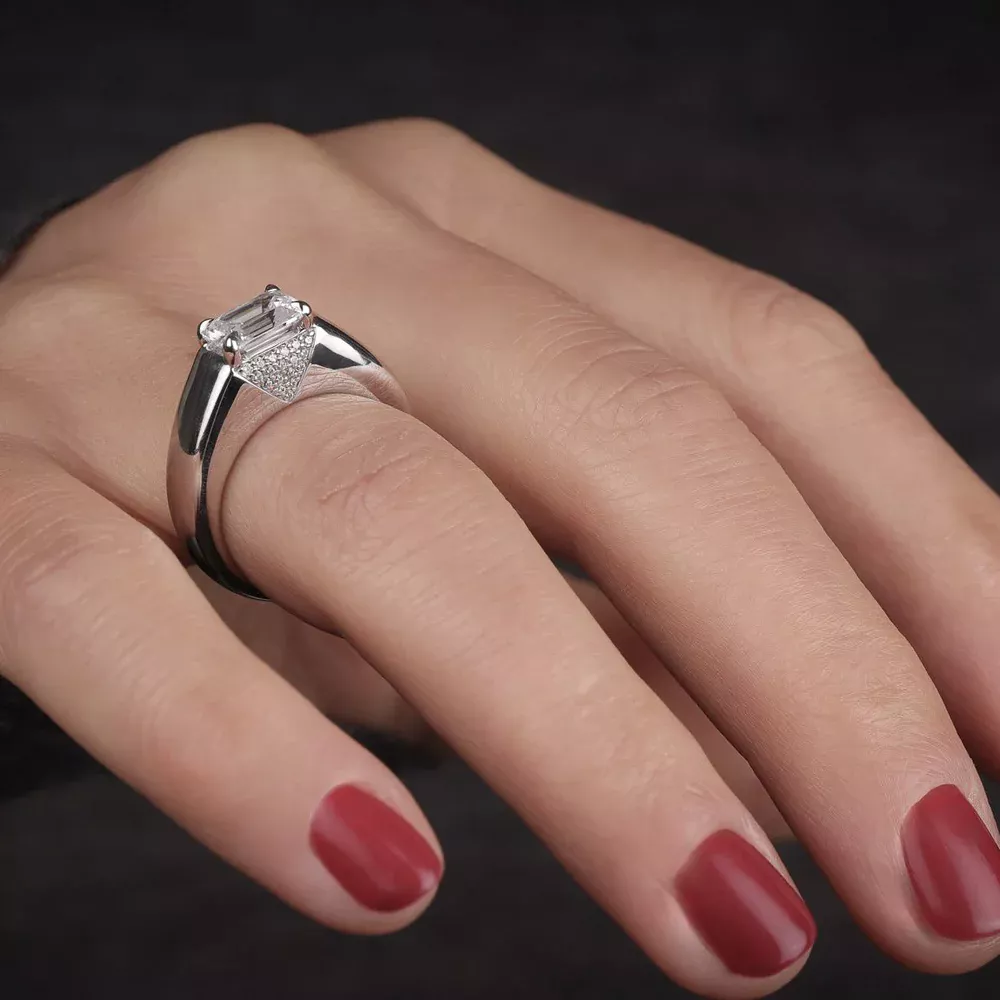
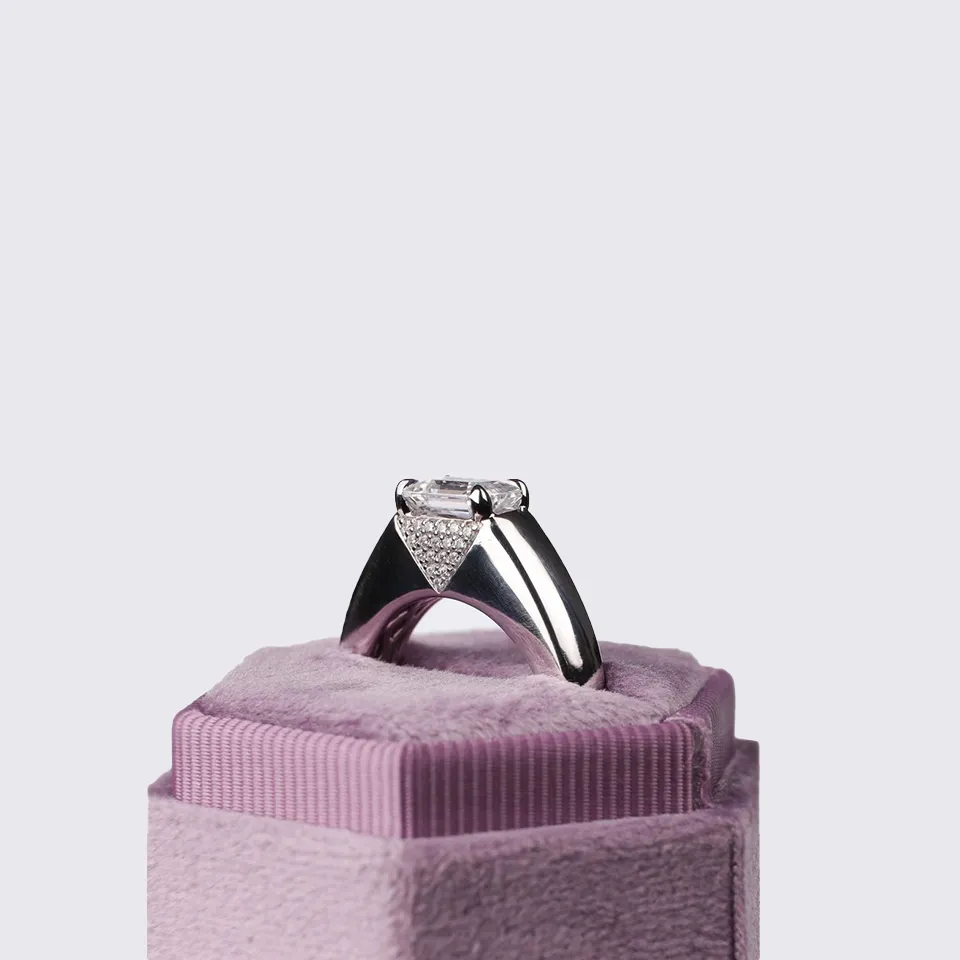
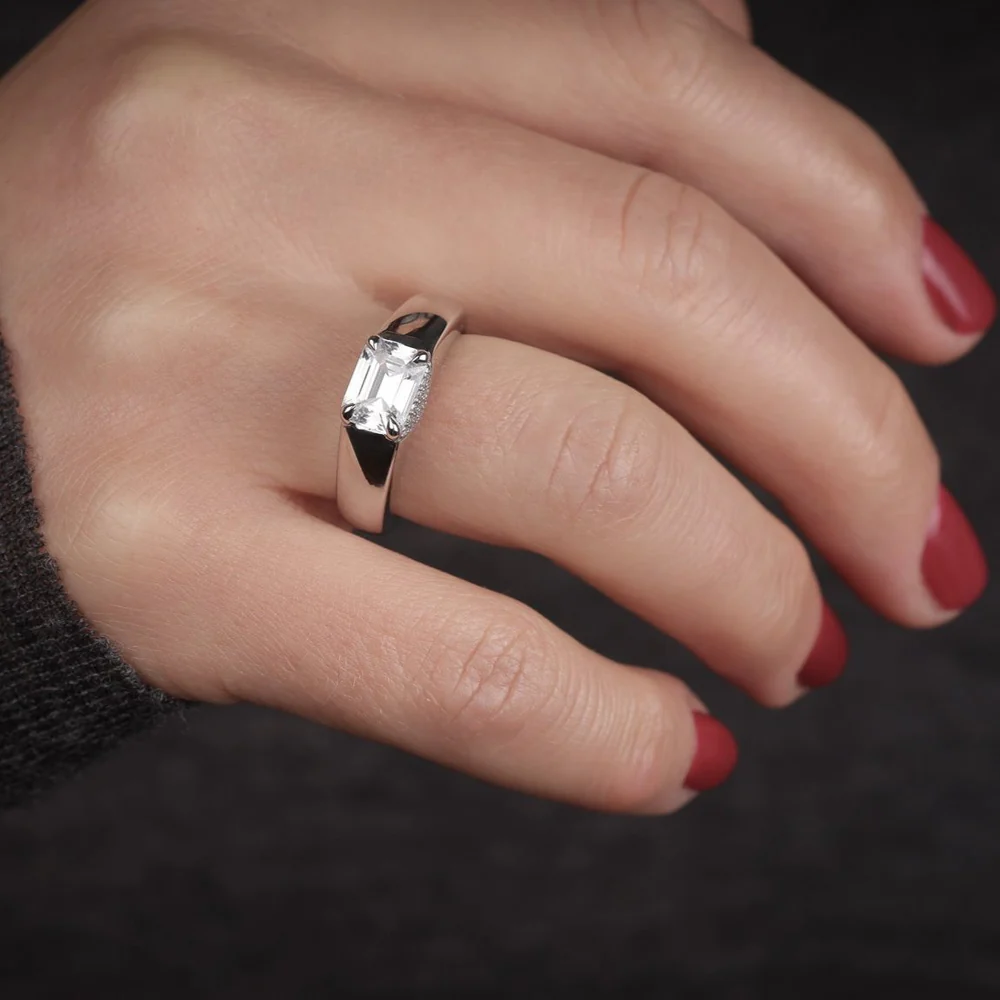
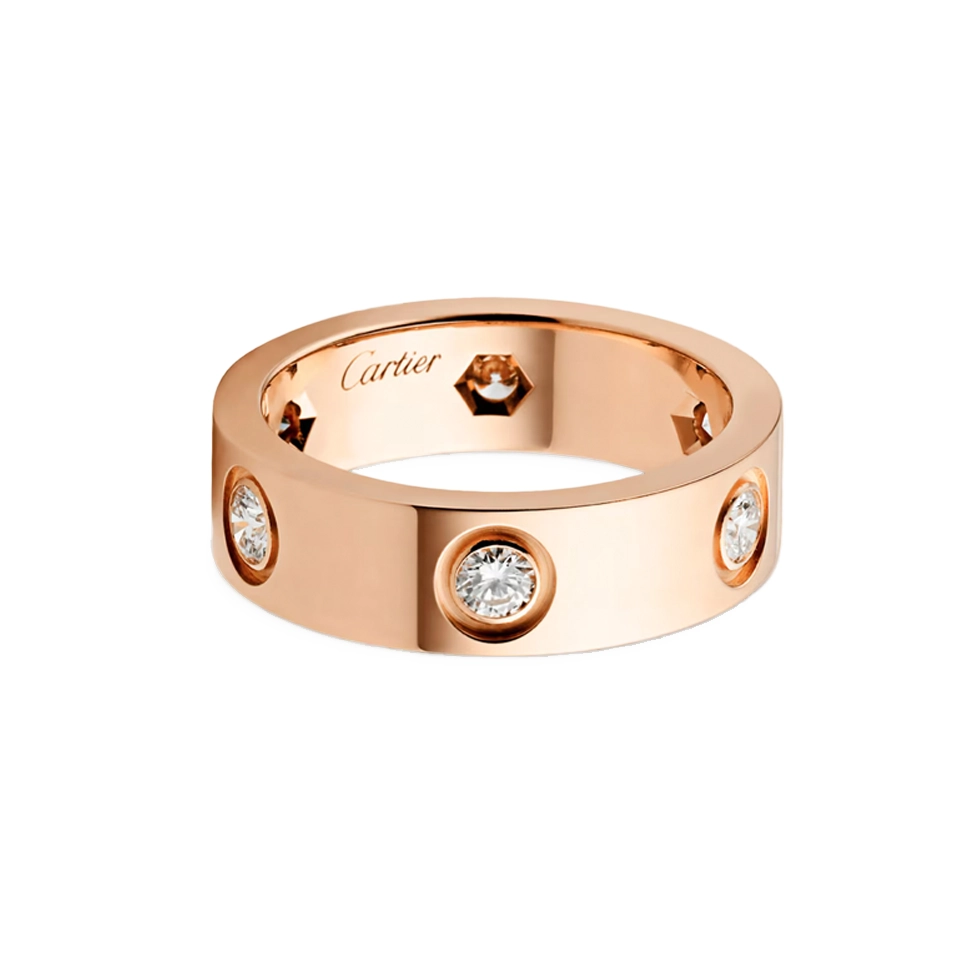
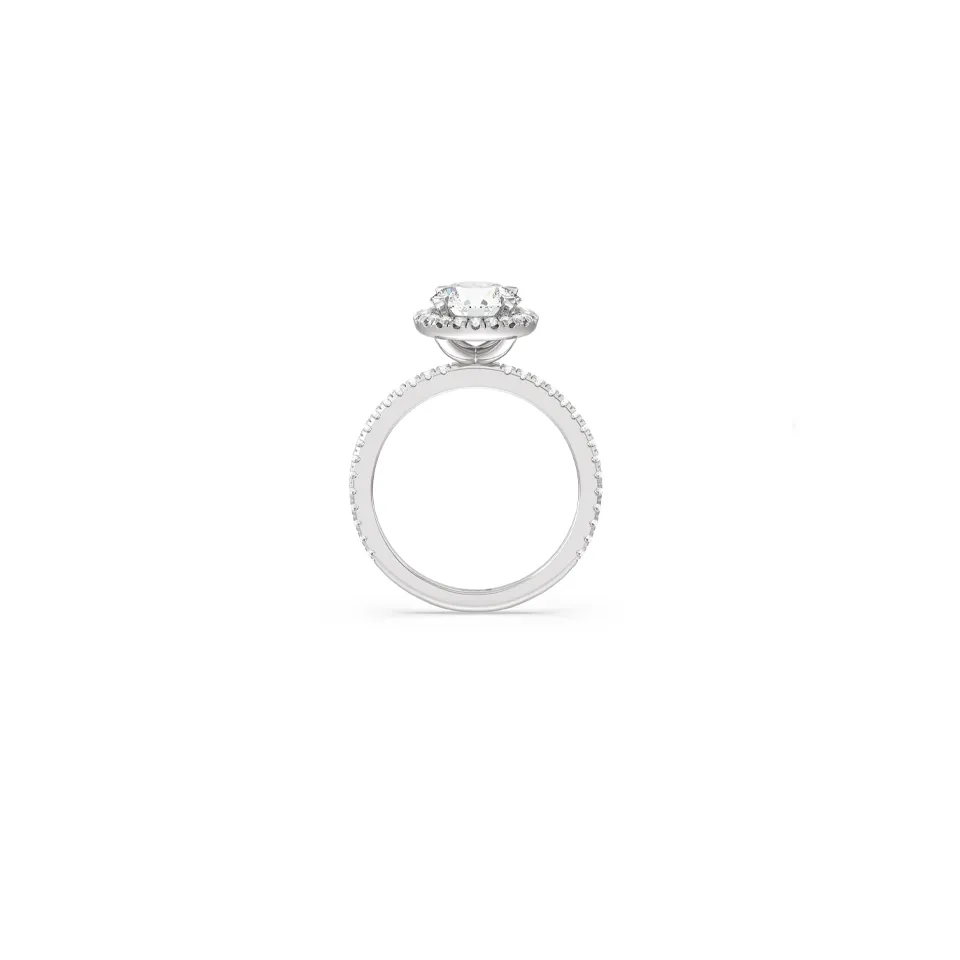
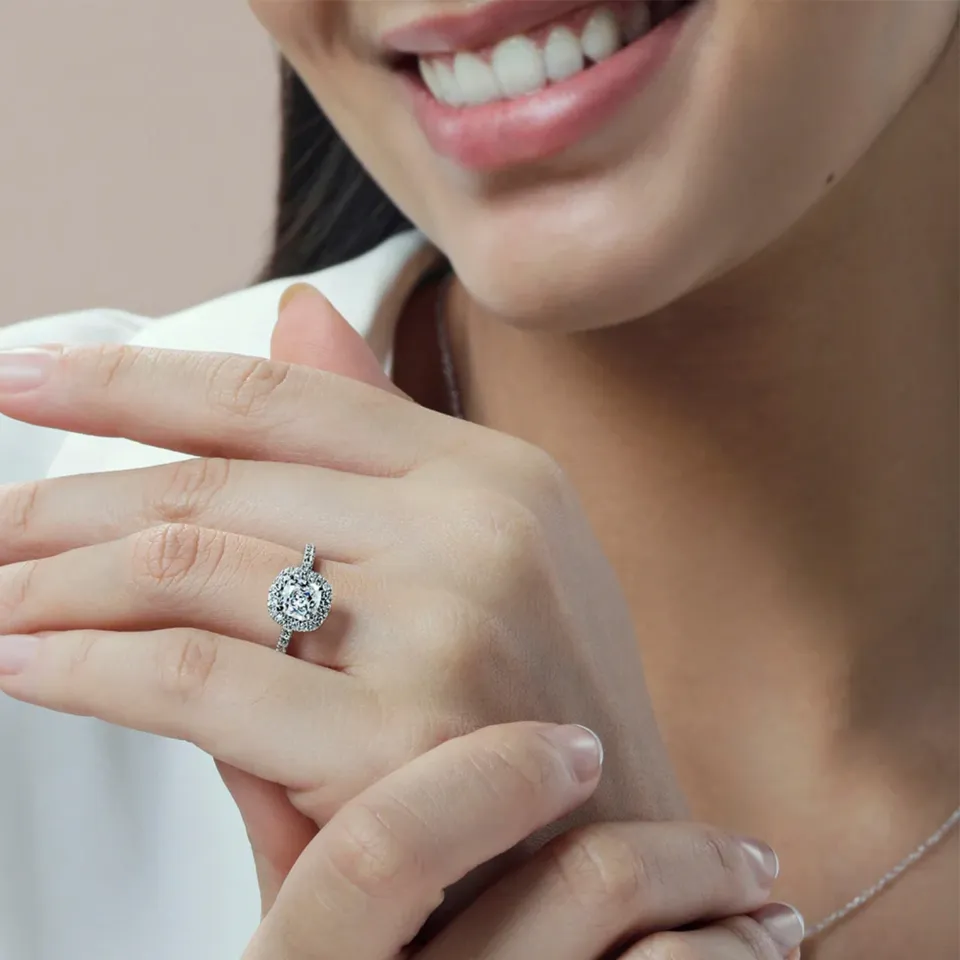
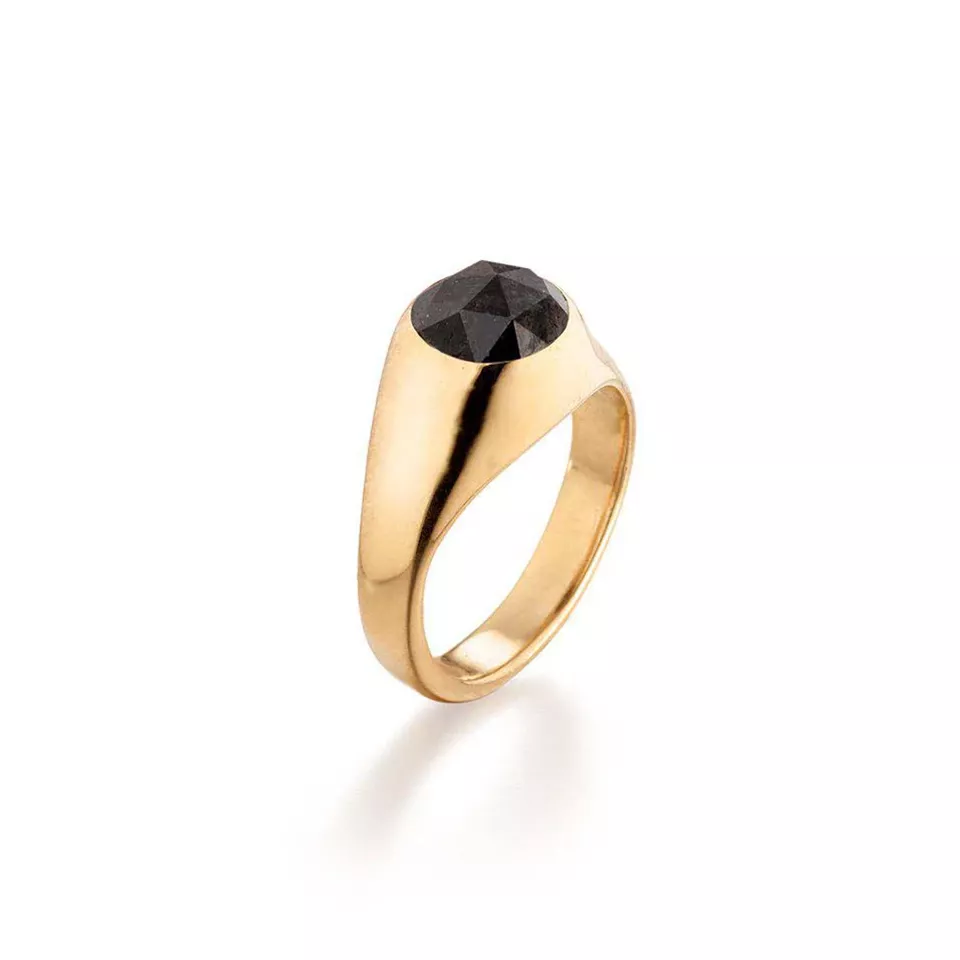
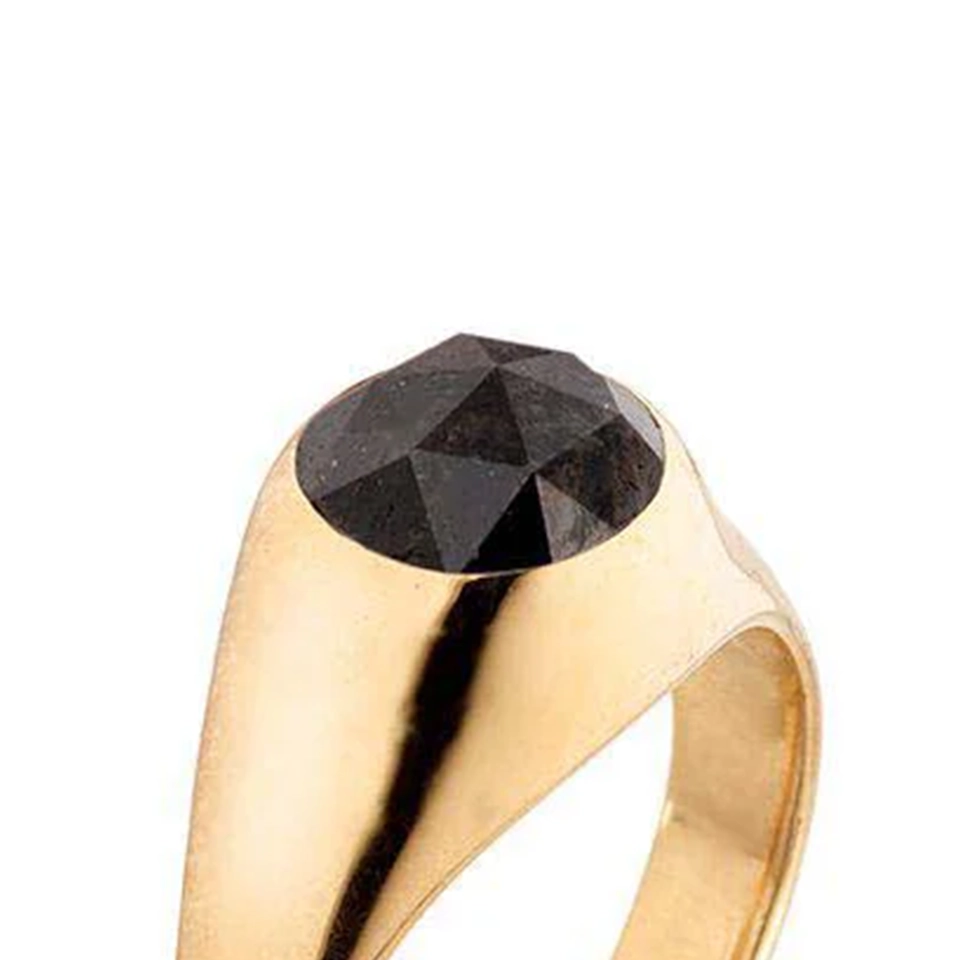
Fitness trainers grip equipment, wear gloves, and move their hands constantly. Any setting taller than 4mm will catch on resistance bands, bar padding, and gloves throughout the day. Look for bezel settings, flush-set solitaires, or tension settings — all sit close to the finger and won’t interfere with training. East-west oval settings are an increasingly popular choice for active women: low-profile by design, and distinctive without being impractical.
The trainer’s strongest choice
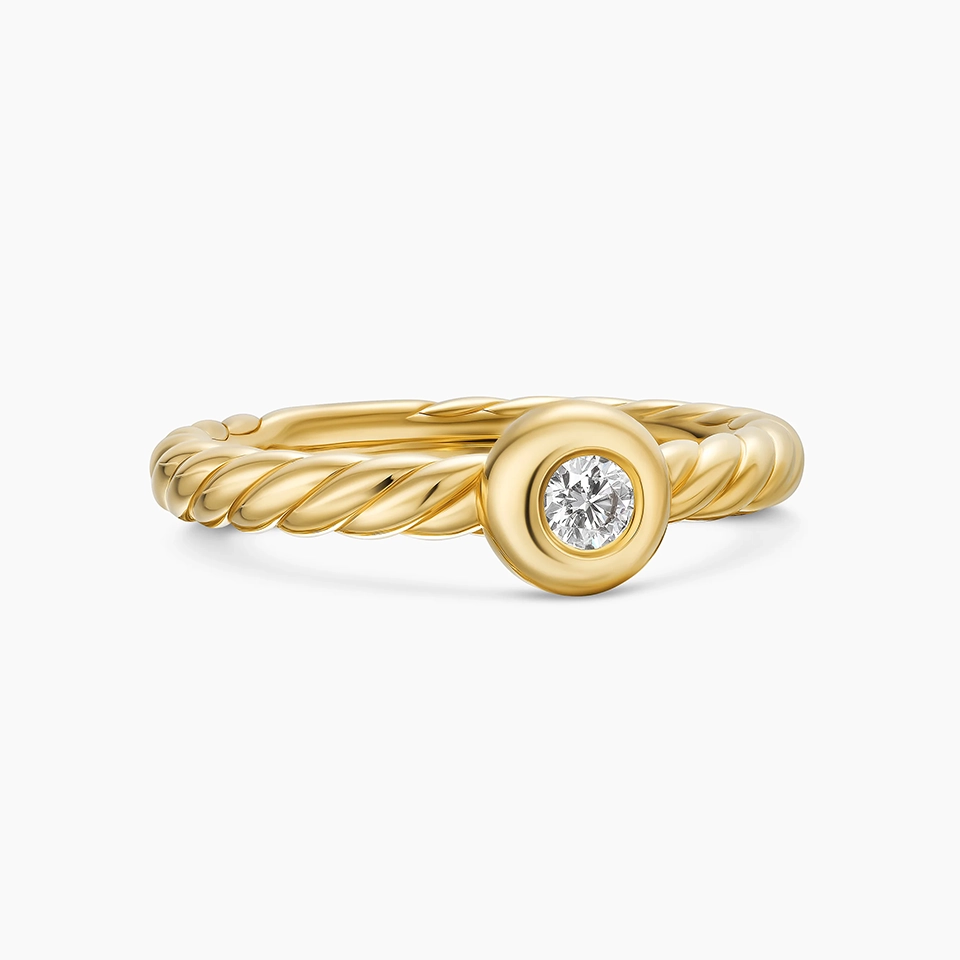
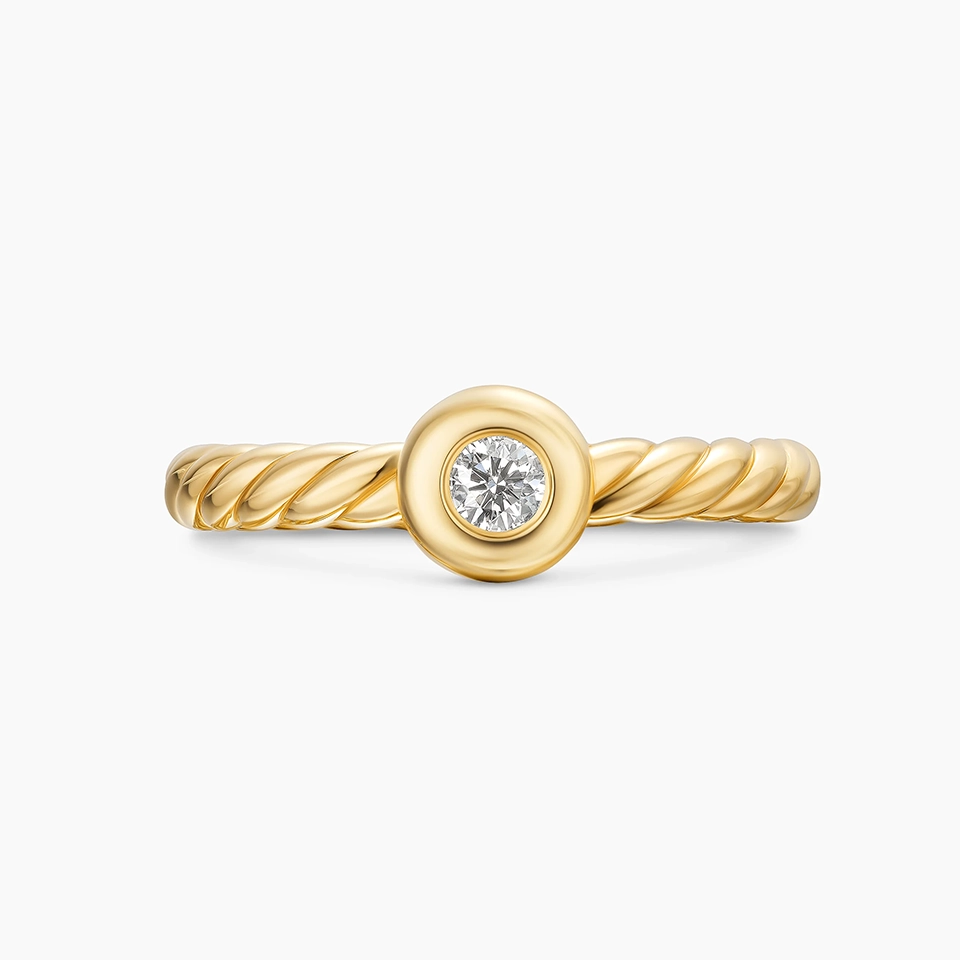
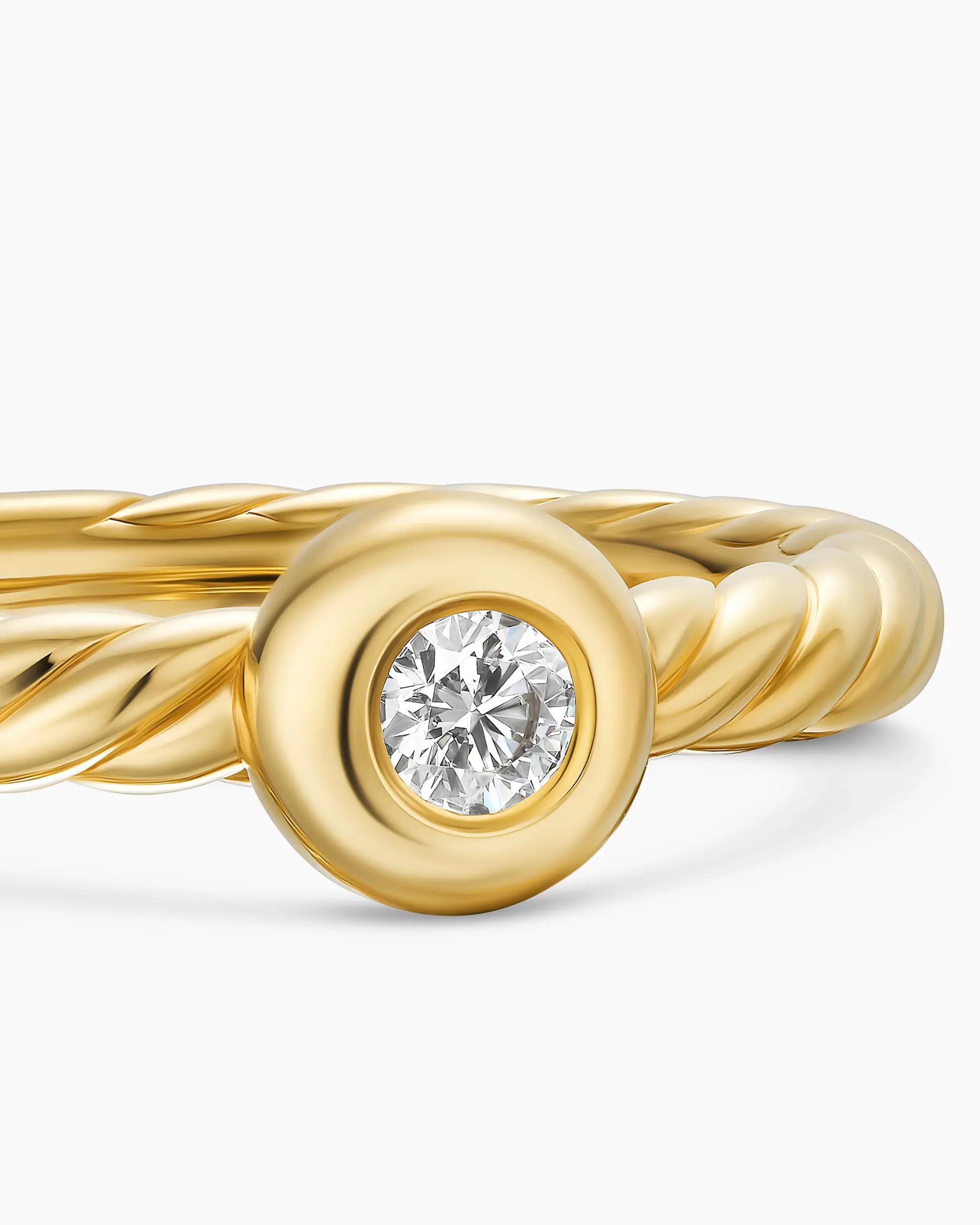
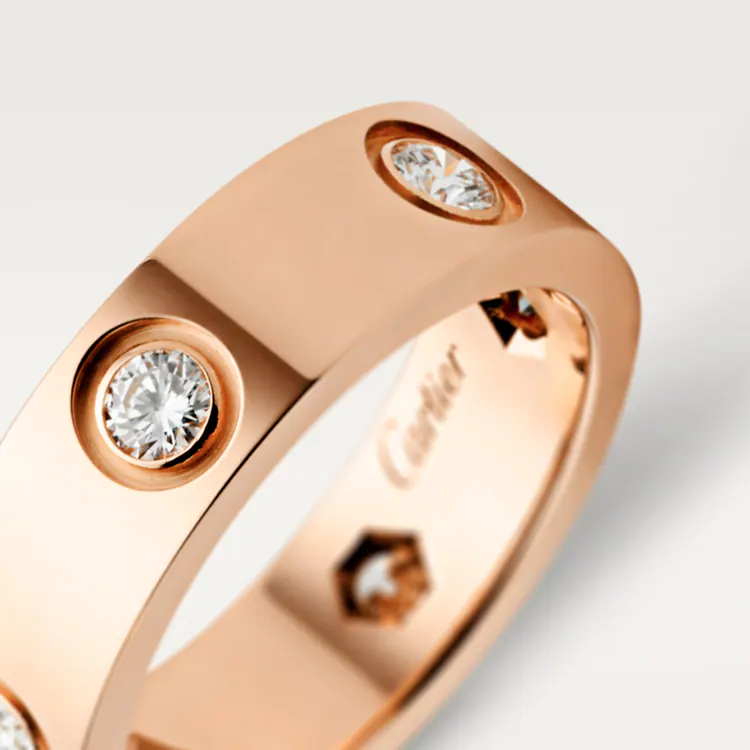
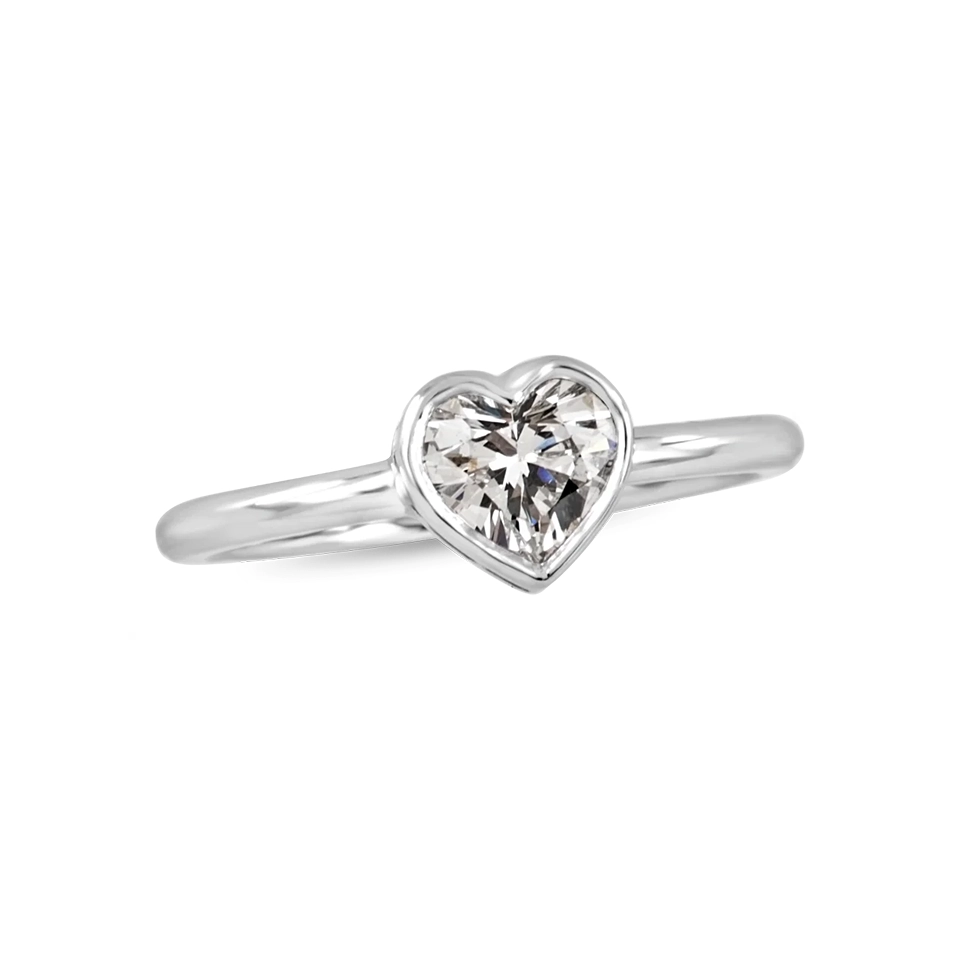
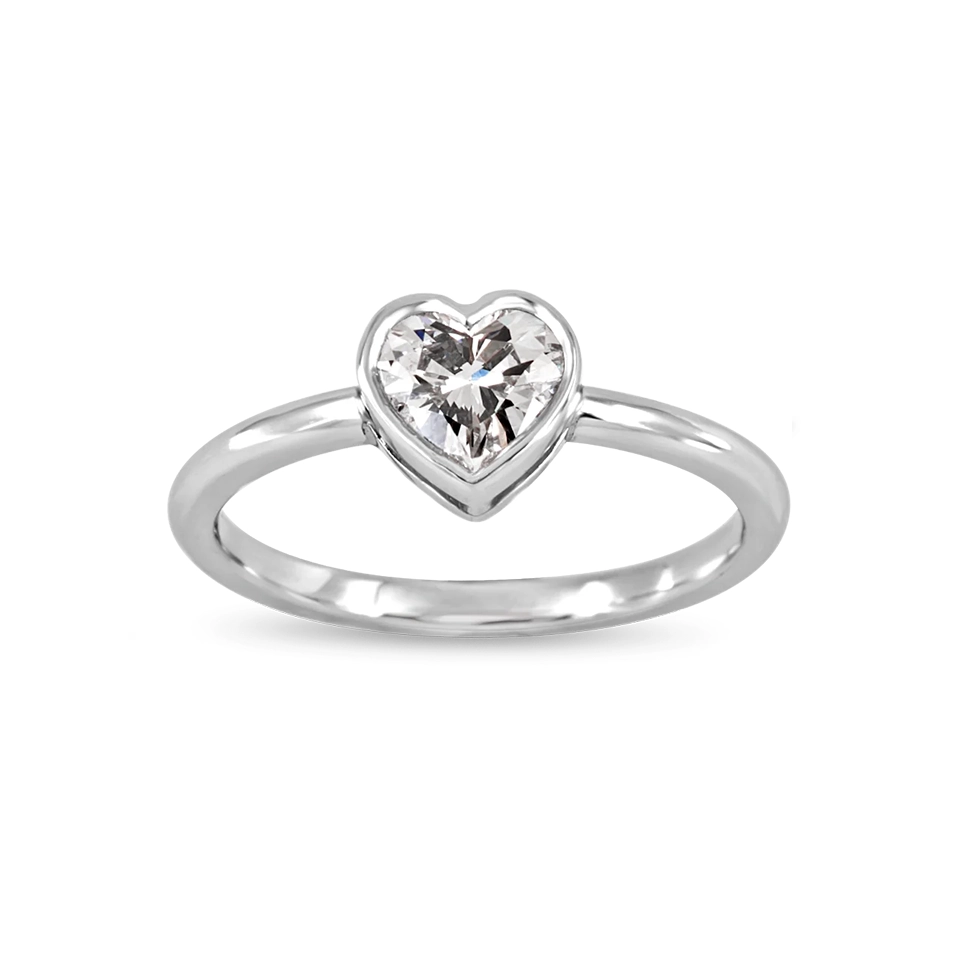
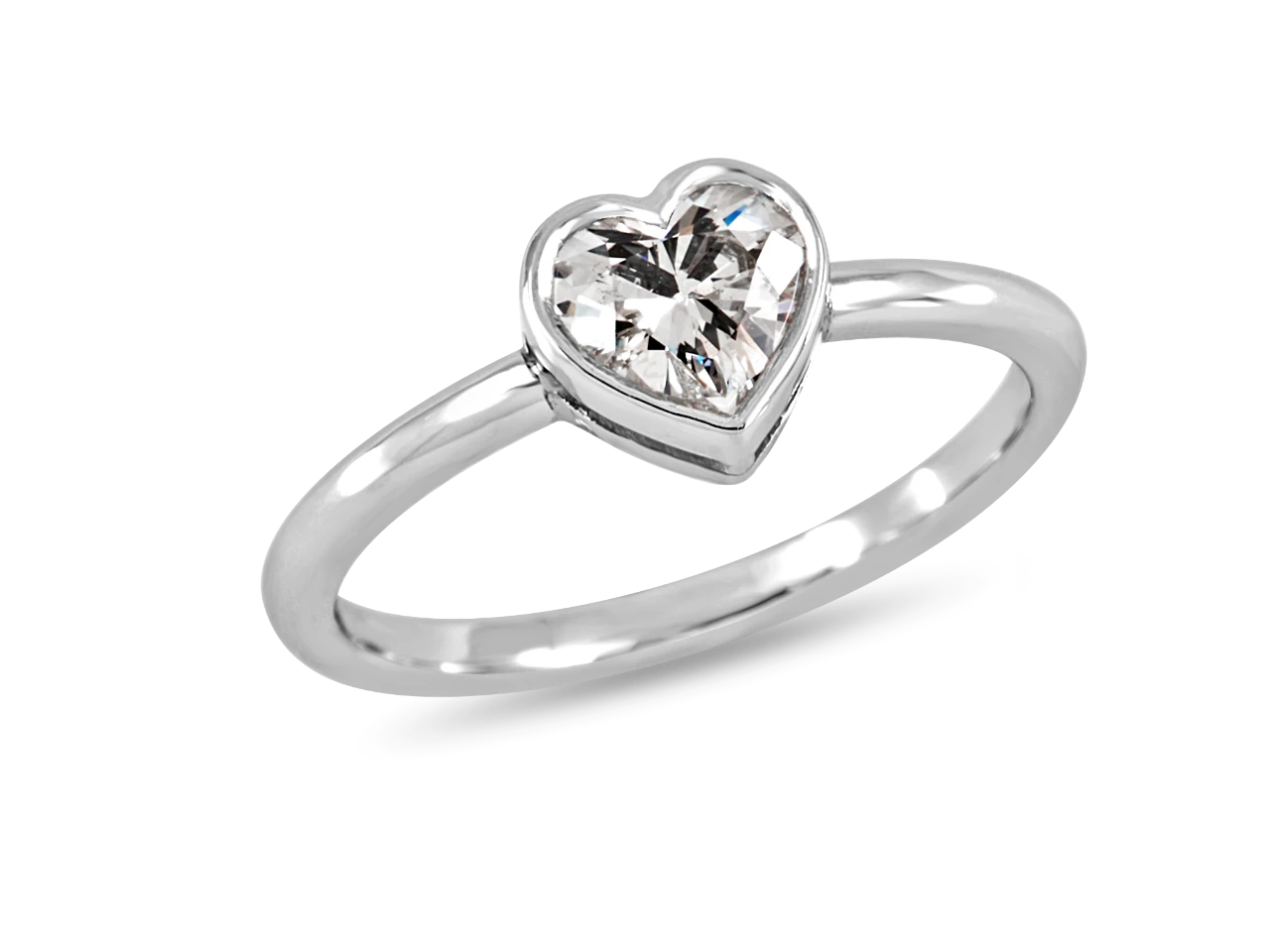
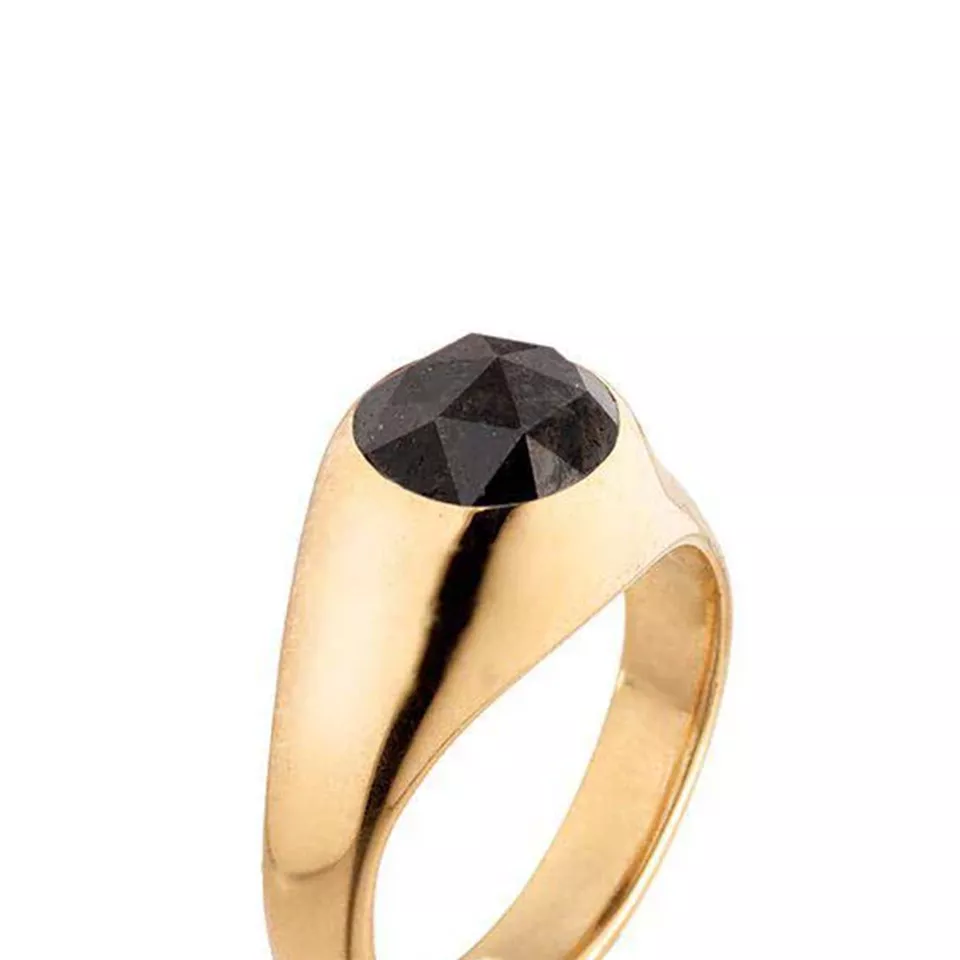
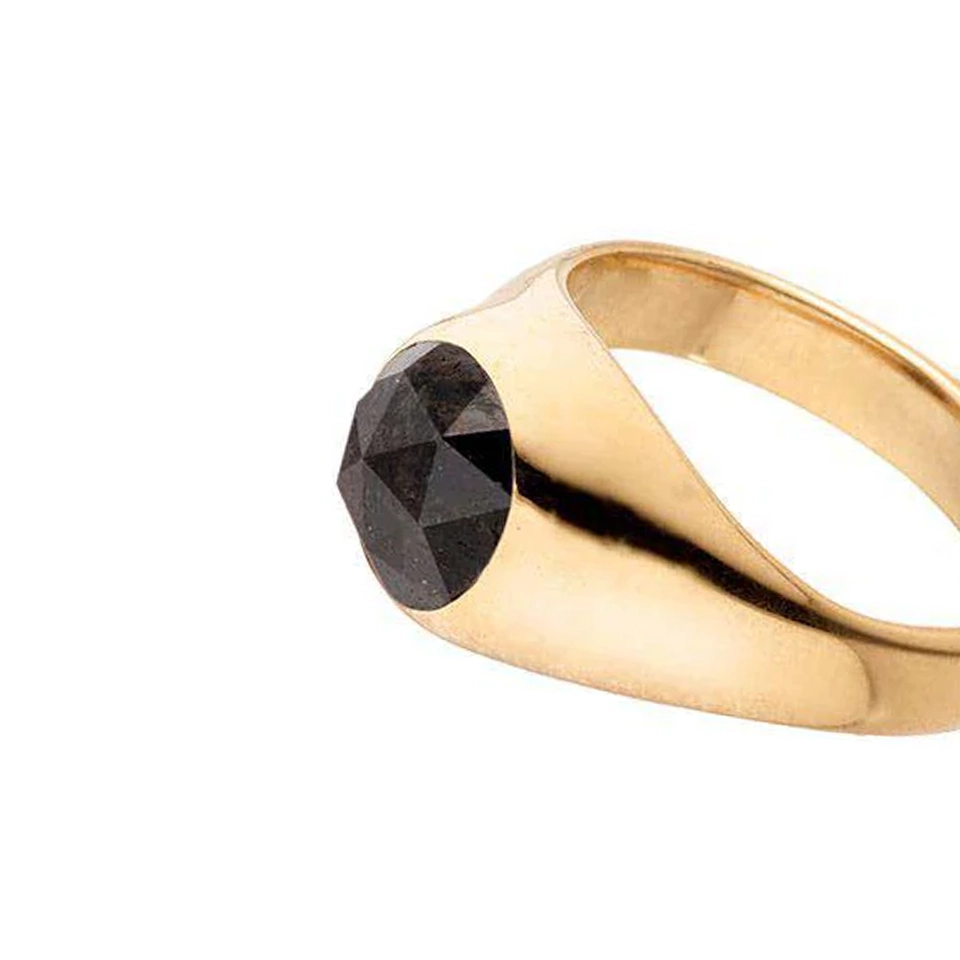
A bezel setting fully encases the stone in metal — no exposed prongs to loosen under impact. For trainers who won’t remove their ring at work, this is the safest setting style by a significant margin.
Platinum is the most durable choice for an active lifestyle — it’s dense, scratch-resistant, and won’t thin over time the way gold can with daily impact. 14k gold is a solid second choice, particularly yellow or rose gold, which are alloyed for hardness. Avoid 18k gold if she trains daily — the higher gold content makes it softer and more prone to scratching. Sterling silver is not suitable for this lifestyle under any circumstances.
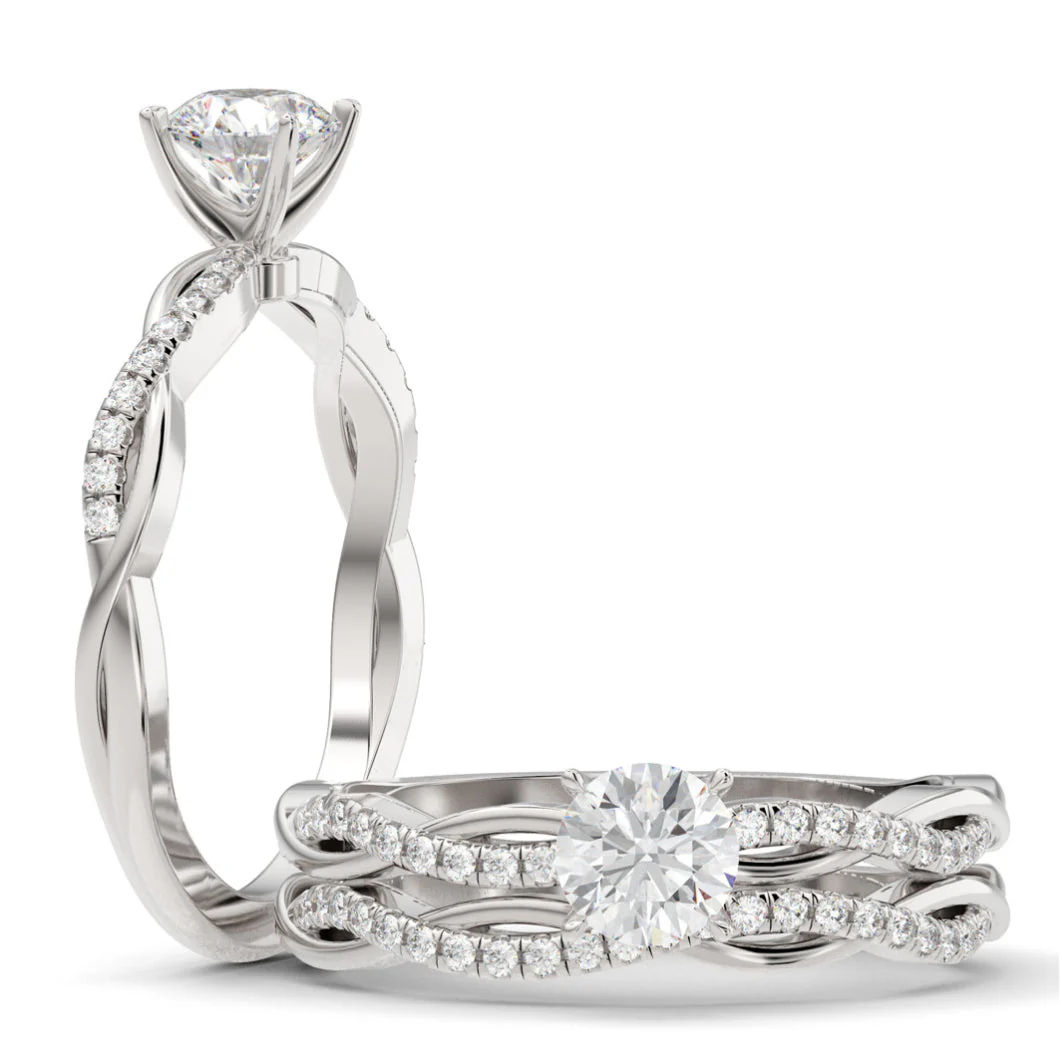
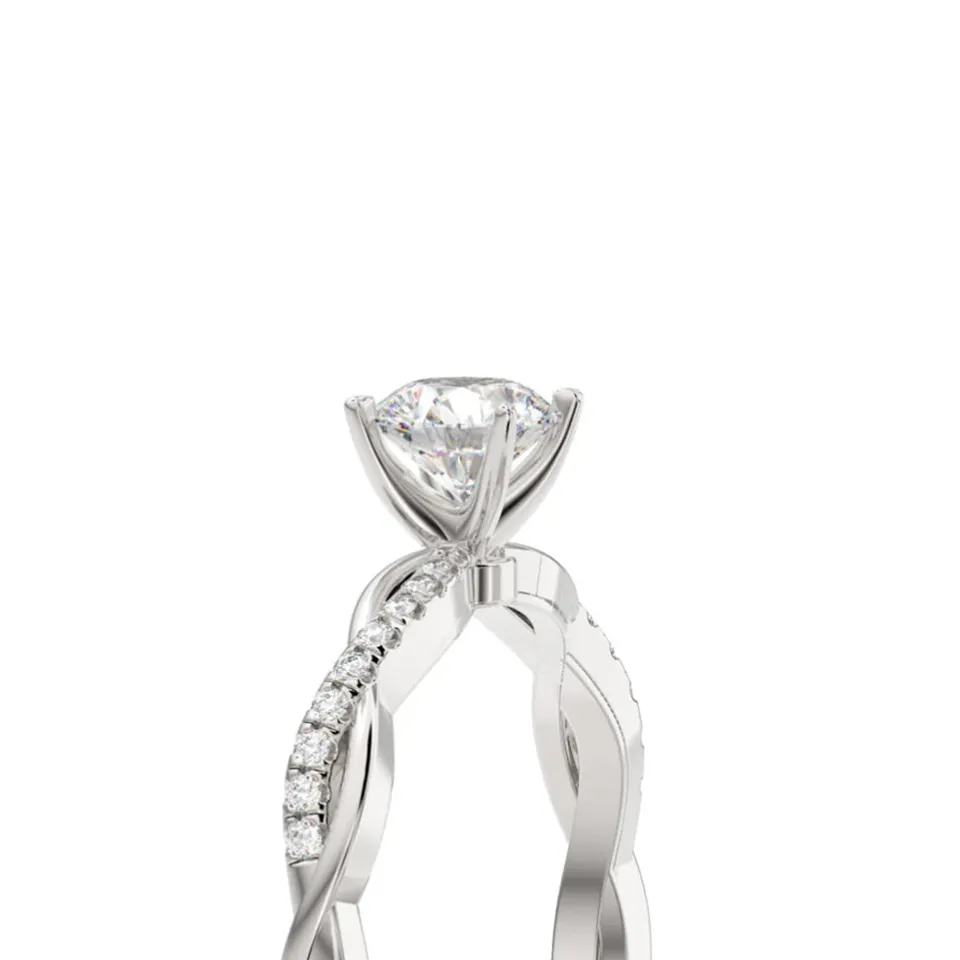
A bezel setting fully encases the stone in metal — no exposed prongs to loosen under impact. For trainers who won’t remove their ring at work, this is the safest setting style by a significant margin. A four-prong solitaire is a reasonable second choice if she prefers a more traditional look, but six-prong and pavé settings are higher risk in a hands-on environment — repeated impact loosens prongs faster than most people realise.
Many fitness trainers extend their values around health and sustainability to what they wear. Lab-grown diamonds offer identical hardness to mined diamonds — a 10 on the Mohs scale — with a fully traceable ethical supply chain at 30–50% lower cost. Brands like Vrai, Brilliant Earth, and Do Amore are transparent about sourcing and are well represented in this collection. For someone whose whole life is built around intentional choices, a ring with a clean supply chain tends to matter.
Common questions
FAQ — what people
actually ask.
What is the best engagement ring setting for a fitness trainer?
A bezel setting is the strongest recommendation for fitness trainers and other active professionals. The stone sits fully enclosed in metal — no exposed prongs, no snagging, and significantly better protection against impact than any prong-based setting. A low four-prong solitaire under 4mm is a close second for trainers who prefer a more traditional look.
Can a fitness trainer wear an engagement ring while working out?
With the right ring, yes. A bezel-set or flush-set solitaire in platinum or 14k gold can handle daily training without damage to the ring or discomfort to the wearer. High cathedral settings, pavé bands, and rings with protruding prongs are not suitable for gym environments — they catch on equipment and can loosen stones over time.
What metal is best for an active lifestyle?
Platinum is the most durable metal for daily wear under physical stress — it’s denser than gold and more resistant to scratching and deformation. 14k gold in yellow or rose is a strong alternative. Avoid sterling silver entirely — it’s too soft for the daily demands of a training environment and will show wear within months.
Does an engagement ring need to be removed during workouts?
Ideally yes for heavy lifting or grip-intensive training — even the most durable ring benefits from being removed during deadlifts or pull-ups. A simple solution many trainers use: a silicone ring for training, and the real ring for everything else. Several brands now make beautifully designed silicone bands specifically for this purpose — it’s become a genuinely practical and popular approach in the fitness community.