Style matters · 2026 guide
Architectural
engagement rings.
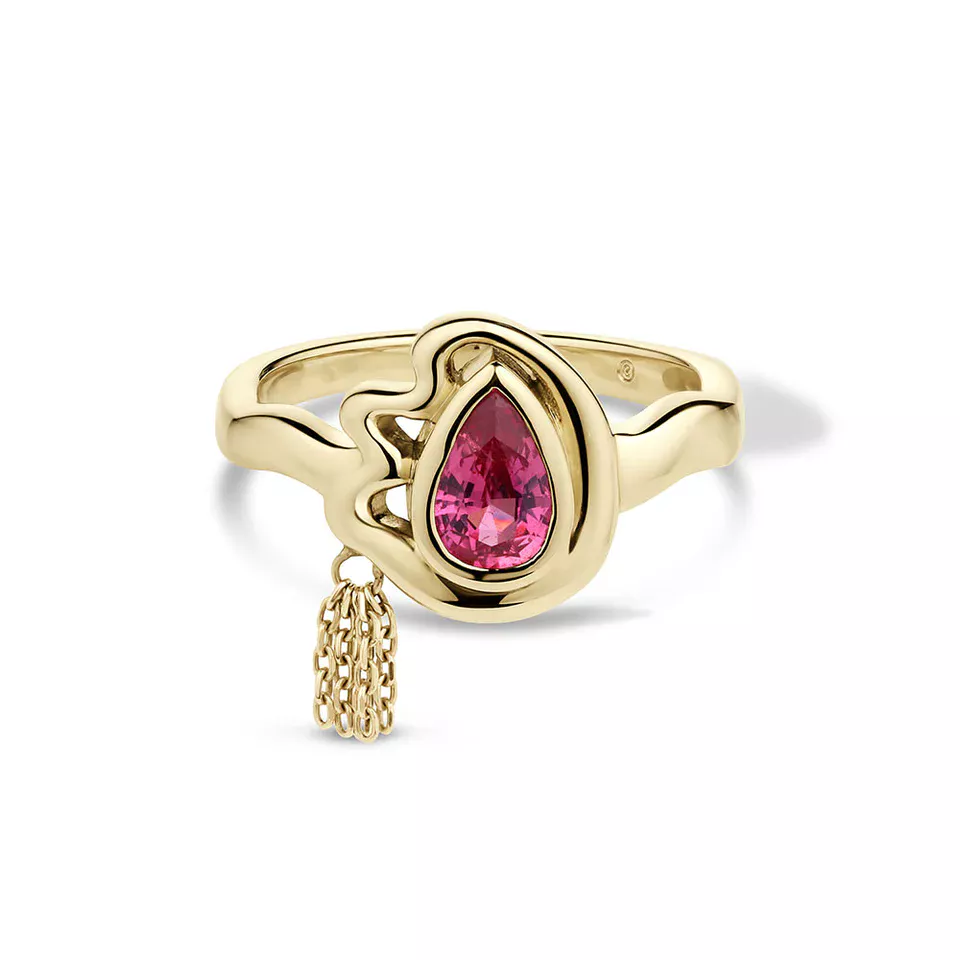
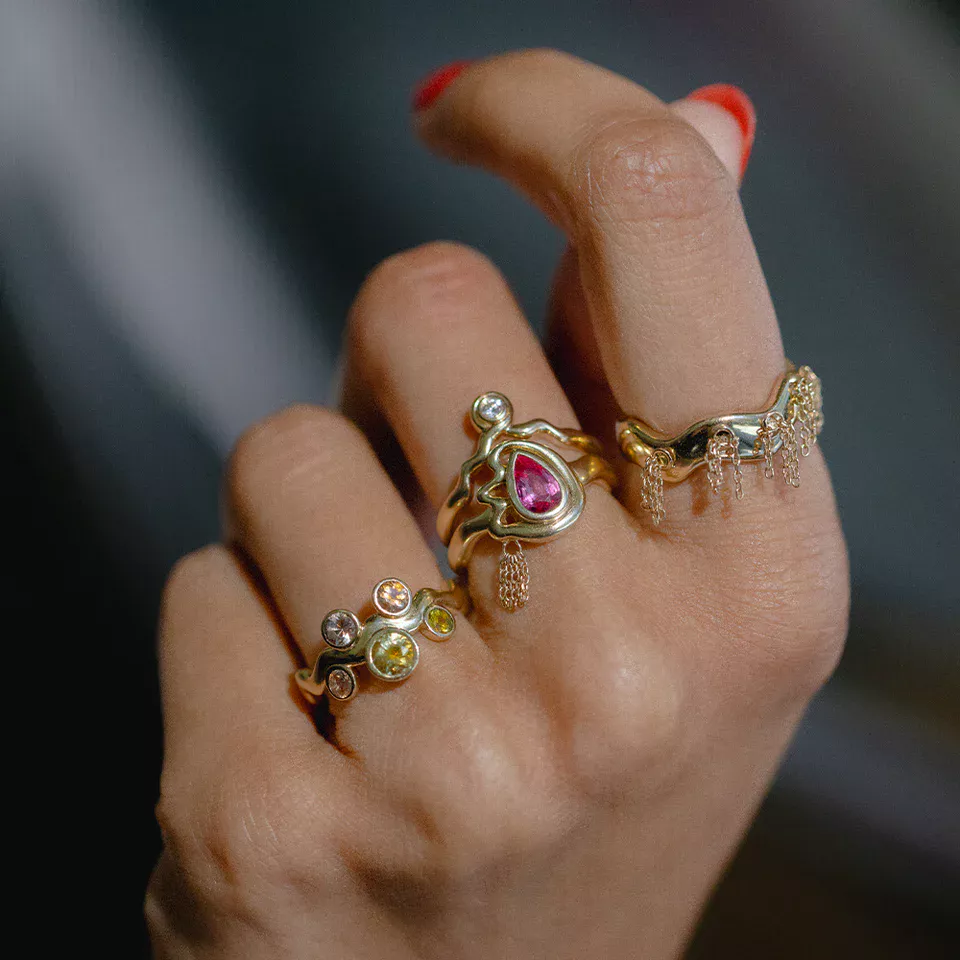
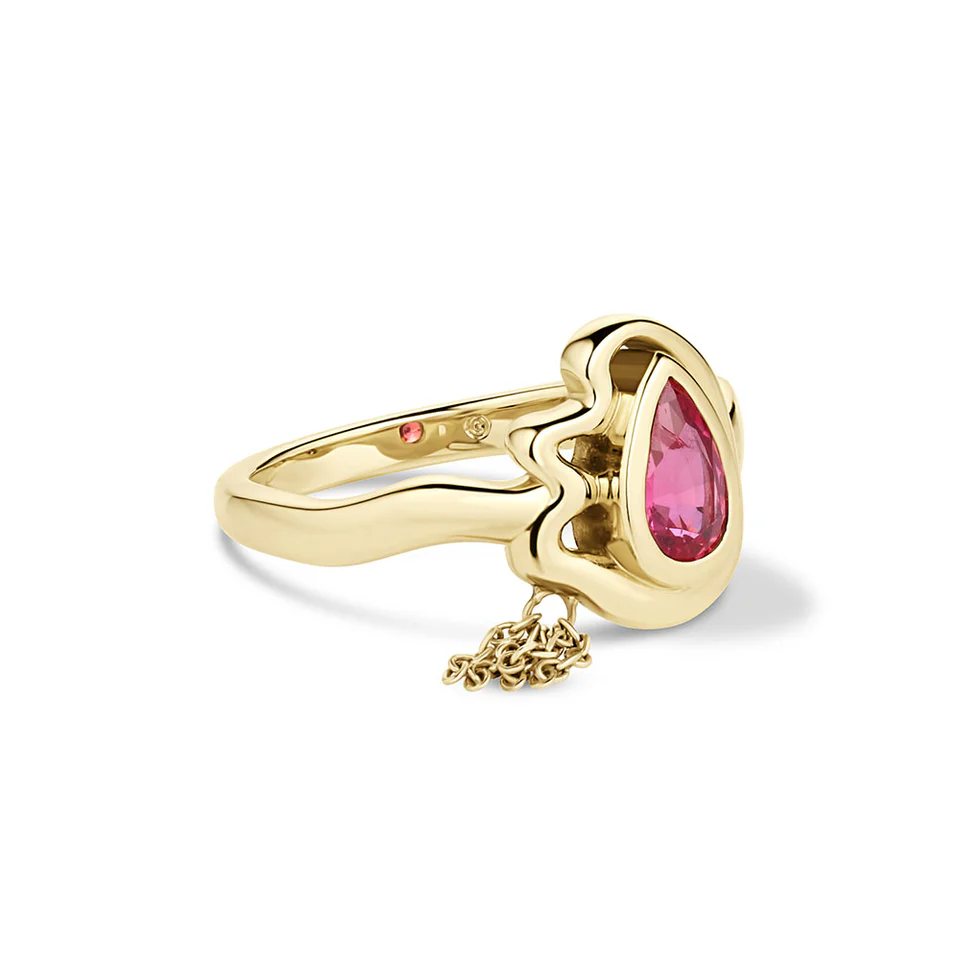
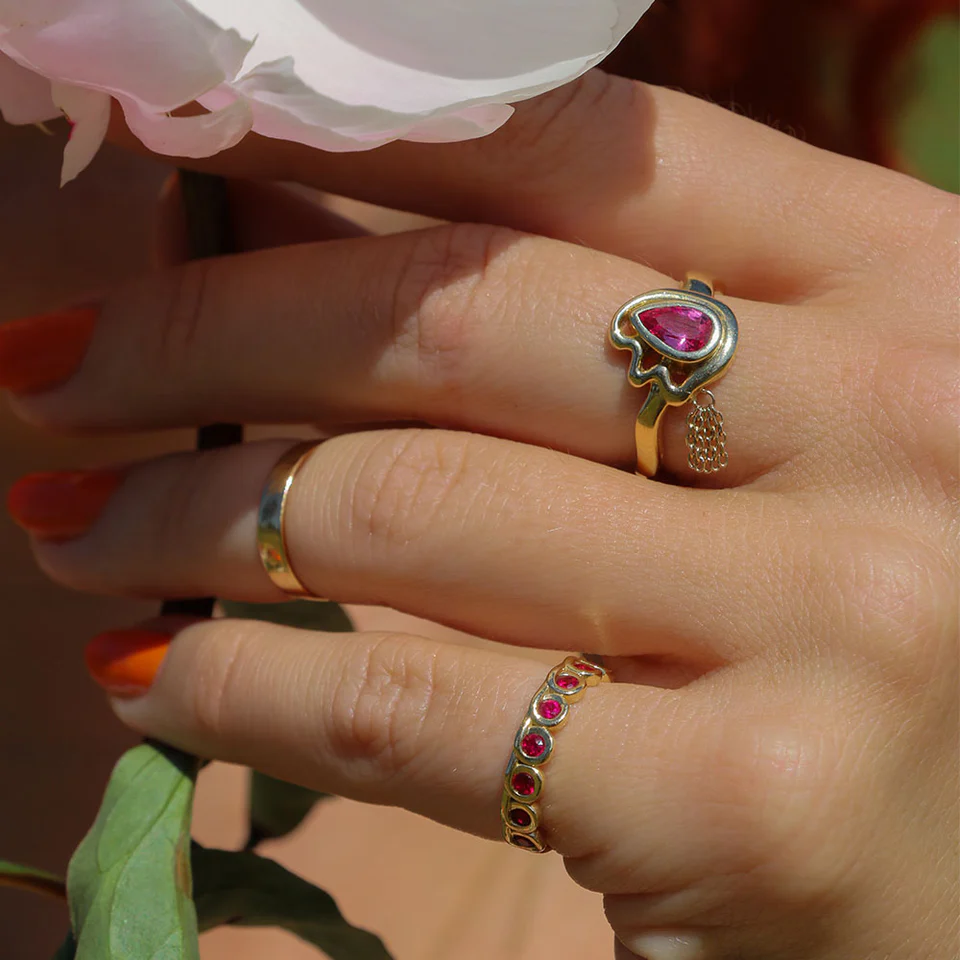
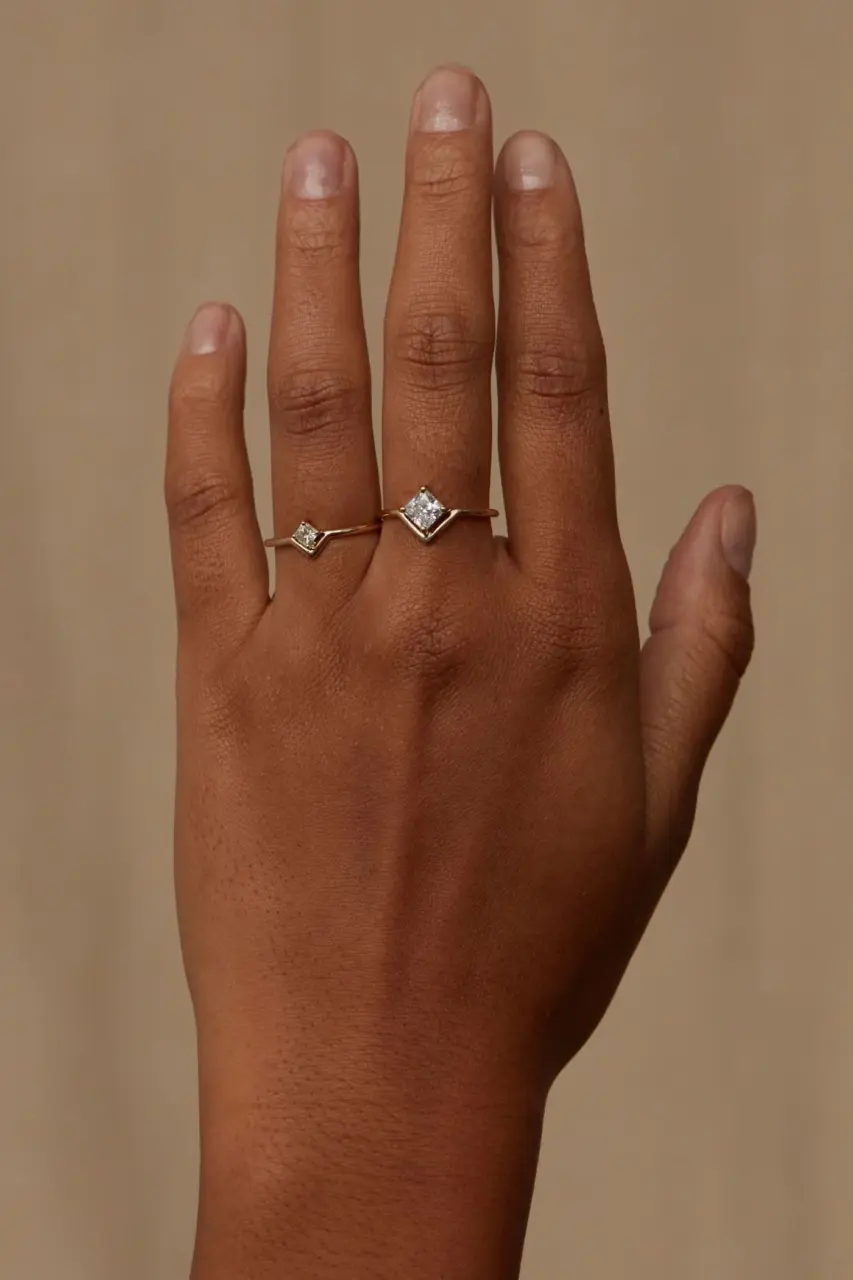
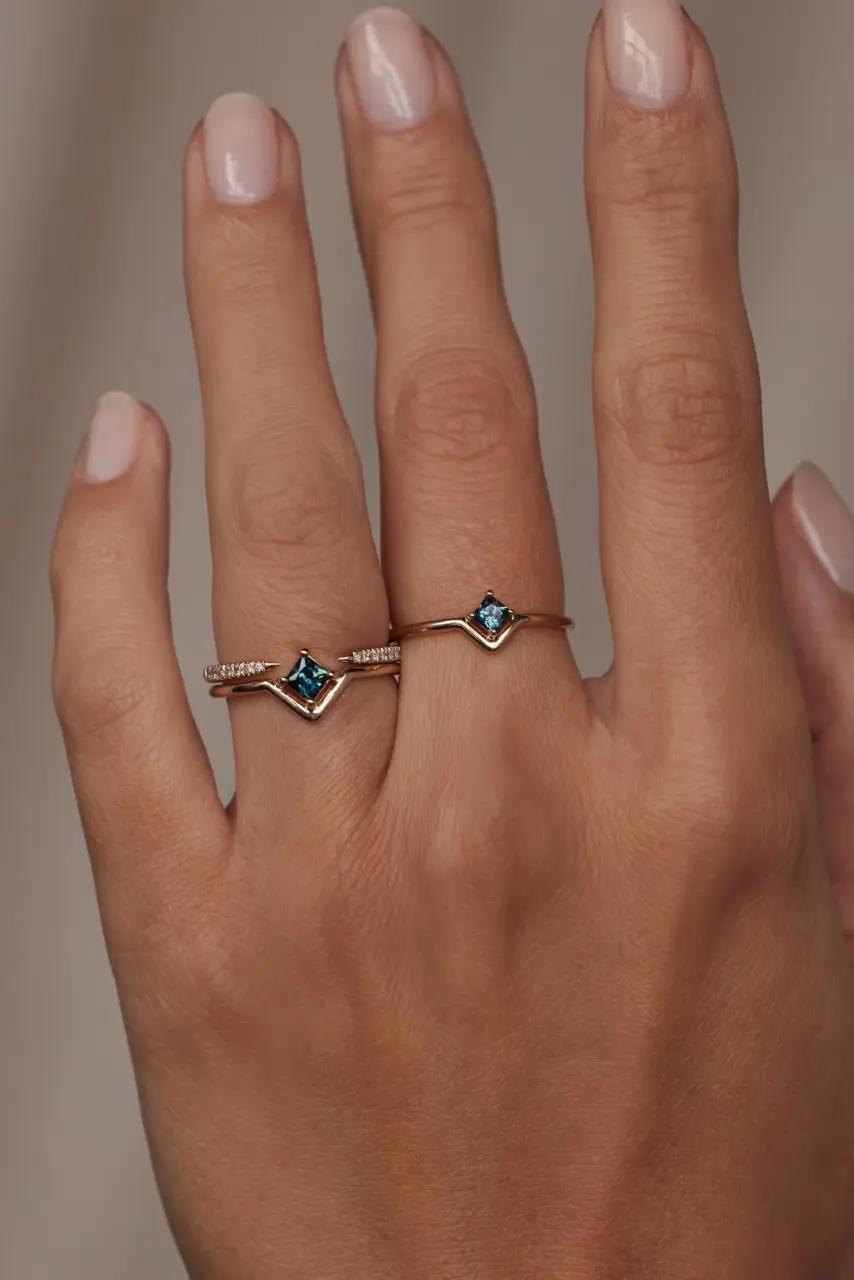
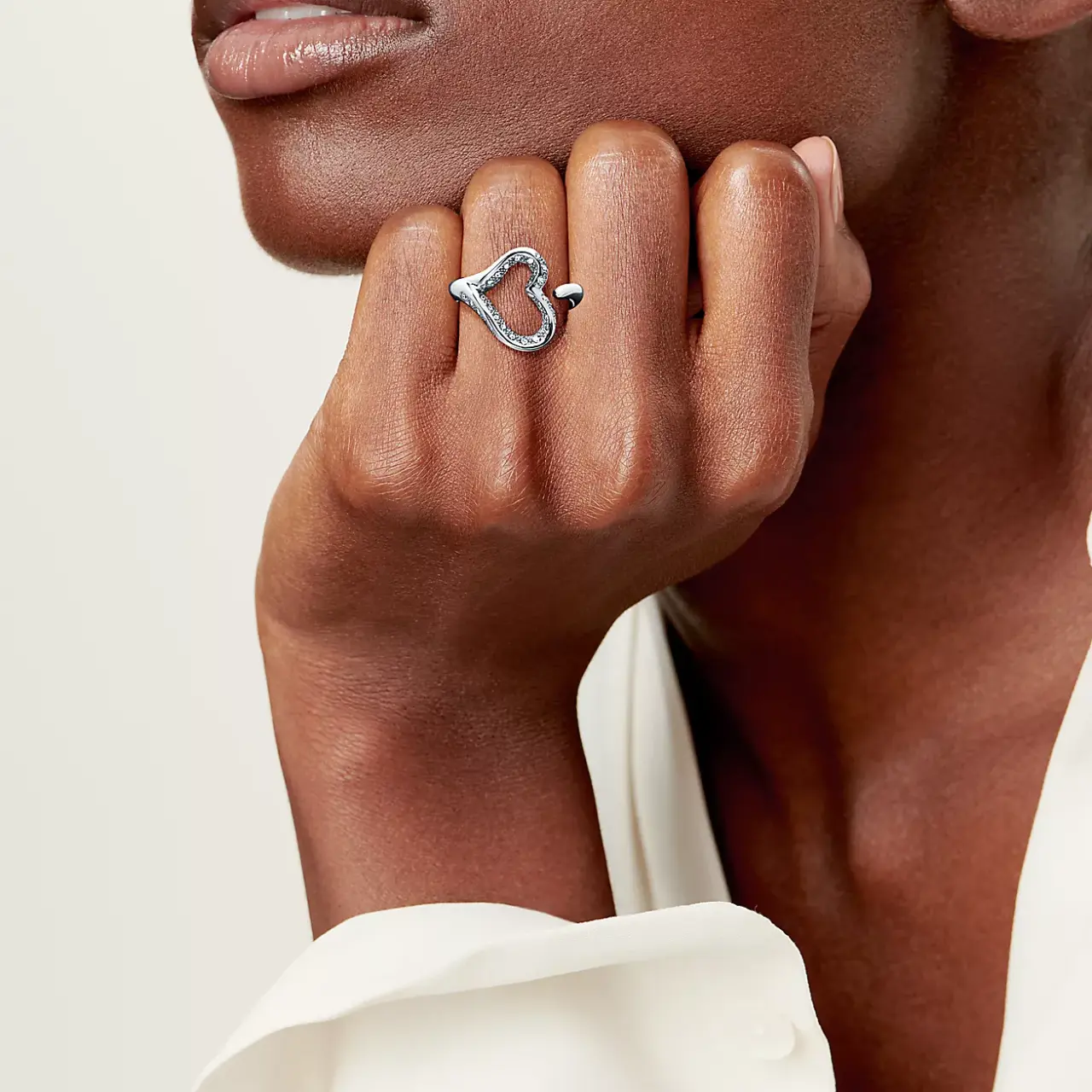
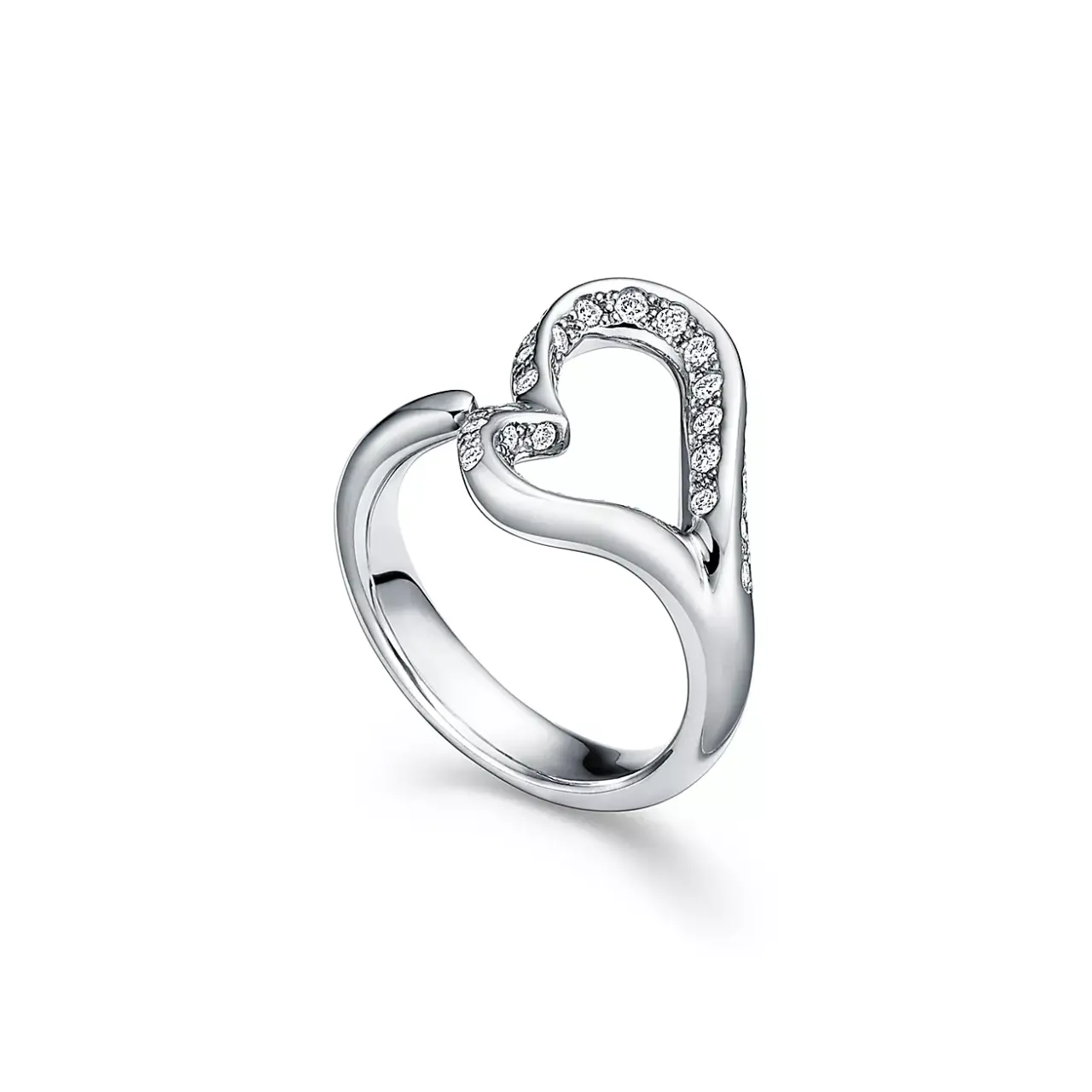
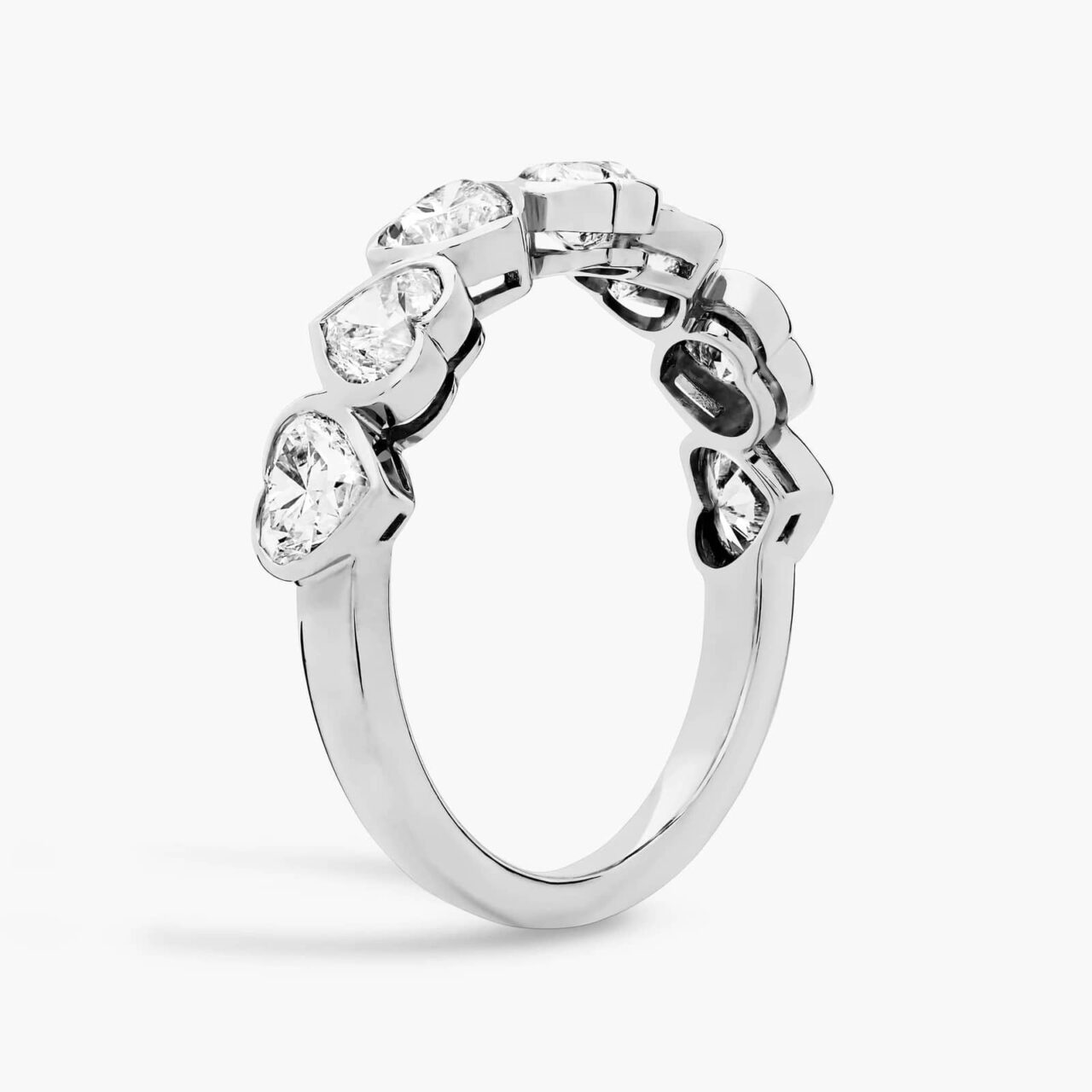
Some rings are jewellery. These are closer to wearable architecture — clean lines, deliberate geometry, and structure that feels intentional rather than decorative. Drawn from modern architecture and contemporary art, they play with negative space, balance, and form in ways most jewellery stores never attempt.
See the collection ↓
Why this style matters
Designed with intention.
Not by accident.
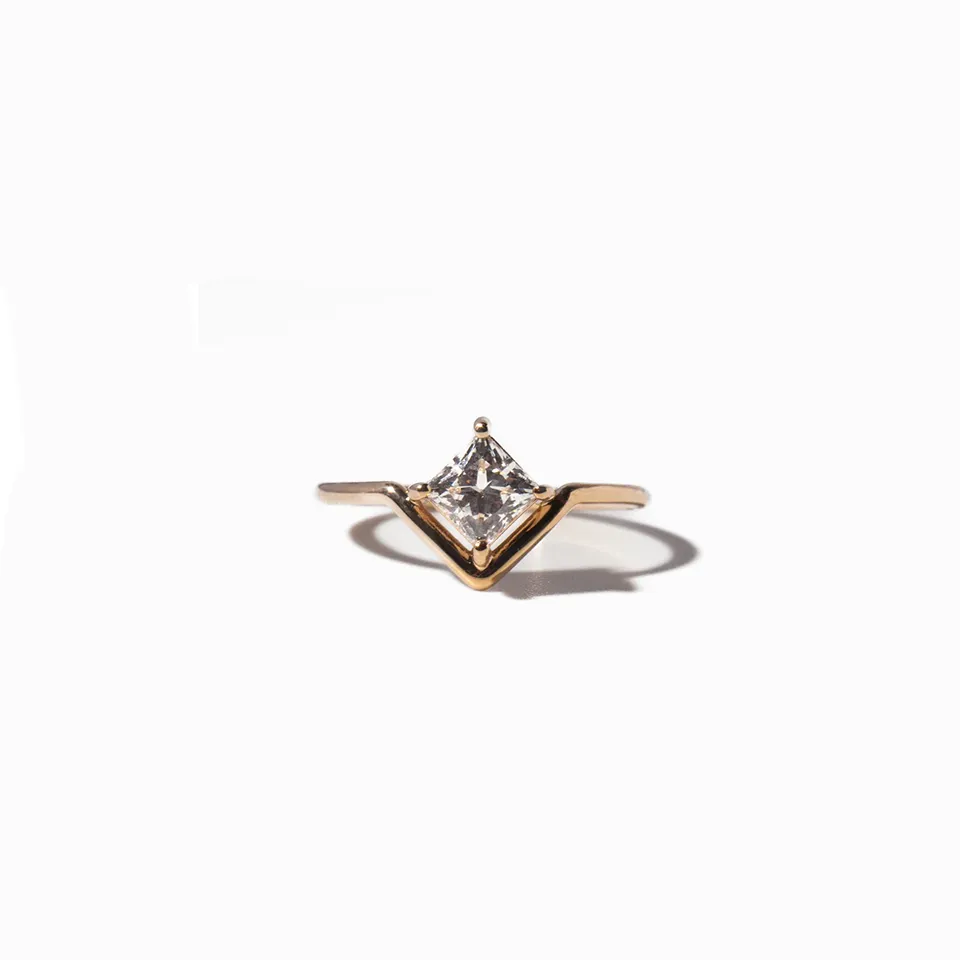
Sharp angular settings. Open geometric compositions. Stones that appear to float. Bands that twist and taper like something a sculptor made rather than a jeweller. These aren’t rings that ended up geometric by chance — they were conceived that way from the start.
Every ring in this collection comes from an independent US designer who approaches jewellery with a design-first mindset. Hexagonal settings, tension-set diamonds, asymmetric compositions, abstract gold bands. Each one was chosen because it stopped me mid-scroll and made me look twice.
These are rings for people who see beauty in structure and meaning in form.
If you’re drawn to rings that feel modern and quietly unconventional — a design object, a conversation piece, and a love token all at once — you’re in the right place.
What makes a ring architectural
Five design choices that
define the style.
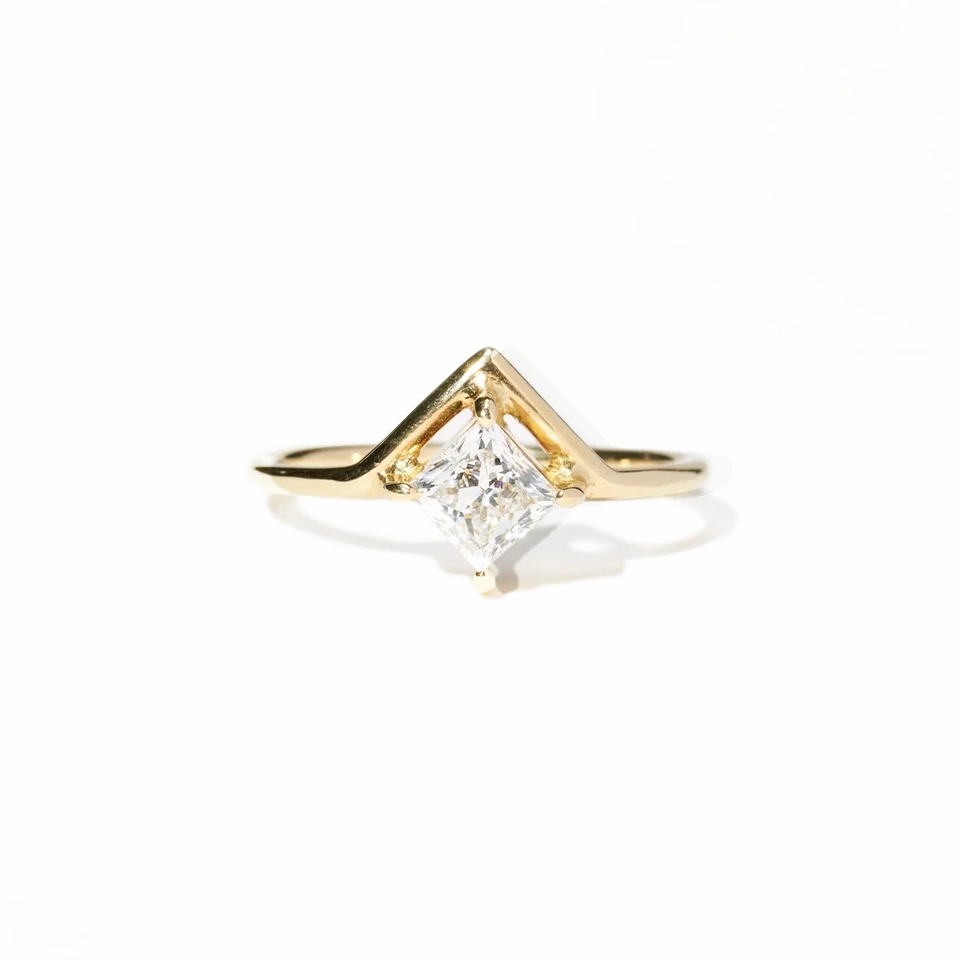
Geometric settings treat the stone as one element in a larger composition. Hexagonal, triangular, and angular frames that feel bold and considered rather than traditional. The setting isn’t there to disappear behind the stone — it’s part of the design, contributing as much to the overall form as the diamond it holds.
The architectural first choice
A tension-set stone that appears to float — one of the most visually dramatic choices in contemporary jewellery, and one of the most distinctive across any style.
One of the most visually dramatic choices in contemporary jewellery. The stone appears to float, suspended between two ends of the band and held in place by pressure alone. Nothing else looks quite like it. Worth noting: tension settings are more difficult to resize and repair, so they suit someone who values the effect enough to plan around it.
03
Negative space designs
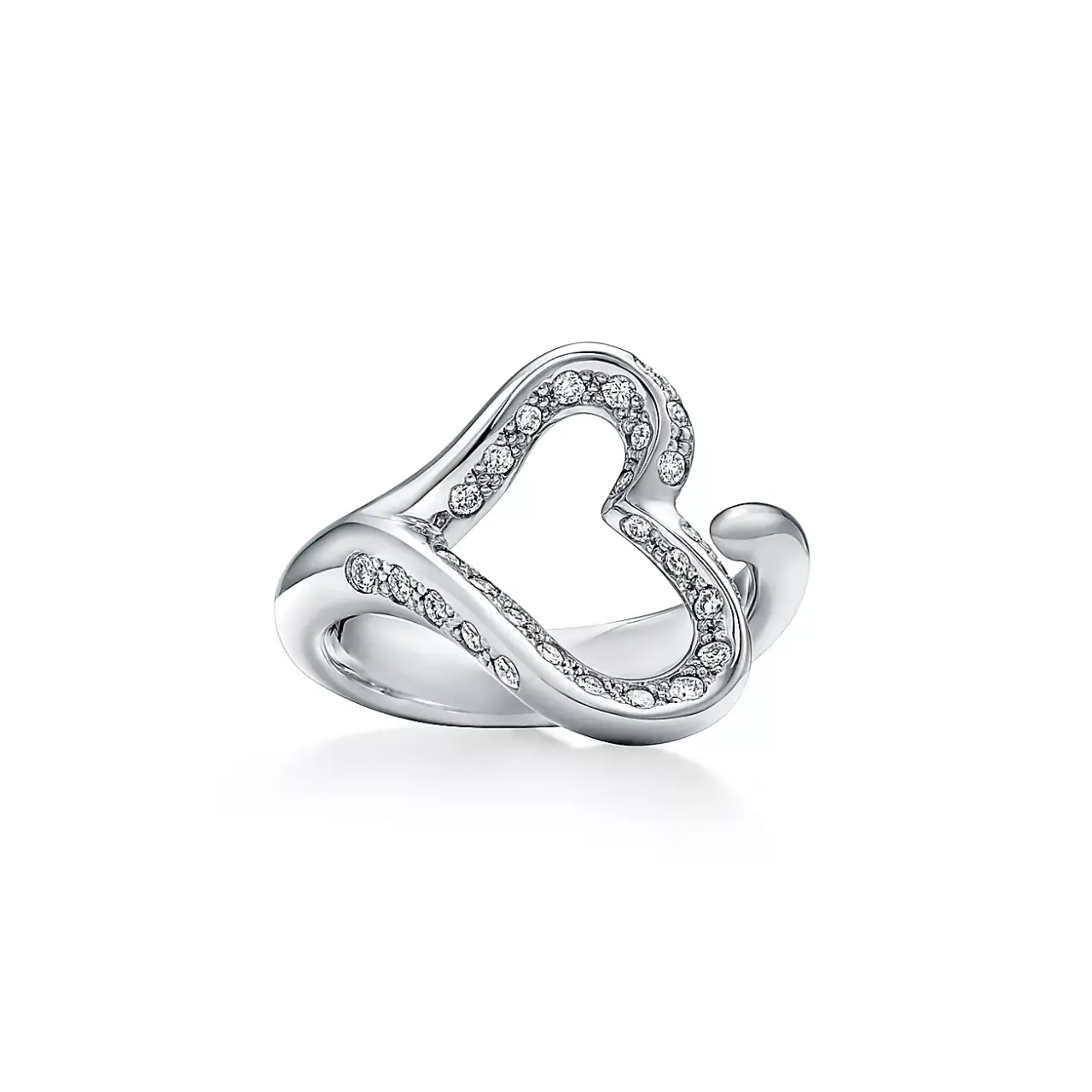
Defined by what isn’t there as much as what is. Open, airy structures where the absence of metal is as intentional as its presence. Light passes through in ways that feel completely different from a conventional setting — the empty space becomes part of the composition rather than something to fill.
The band itself becomes the design statement. Twisting, folding, tapering — these are bands that would be interesting even without a stone. Where a traditional ring treats the band as a support for the diamond, a sculptural band carries equal weight, sometimes more.
05
Asymmetric compositions
Deliberately unbalanced in a way that feels dynamic and artistic rather than accidental. Mass production can’t replicate this — which is exactly why independent designers lead this space. An asymmetric ring is the clearest signal that a real person made deliberate decisions about every element.
Common questions
FAQ — what people
actually ask.
What is an architectural engagement ring?
It takes its inspiration from design, sculpture, and modern art rather than traditional jewellery conventions. Instead of following established styles, architectural rings treat the ring itself as a design object — using geometry, structure, and negative space to create something that feels closer to wearable art than conventional jewellery.
Are architectural engagement rings practical for everyday wear?
Many are — especially tension settings and bezel-set geometric rings, which sit close to the finger and have no protruding prongs to catch on things. The key is the setting height and finish. A well-made architectural ring from an independent designer is built to be worn, not just admired. That said, some of the more sculptural open designs are better suited to occasional wear — it depends on her lifestyle.
Where do architectural engagement rings come from?
The best ones come from independent designers rather than large commercial brands — because architectural jewellery demands a design-first approach that factory production simply can’t replicate. Every ring in this collection is from an independent US studio where someone made deliberate decisions about every detail.
Not sure which ring
is right for her?
Tell me about her — her profession, her life, her taste. I’ll personally curate 5 rings chosen just for her, free, within 24 hours.
Get a personal curation →