Style matters · 2026 guide
Classic
engagement rings.
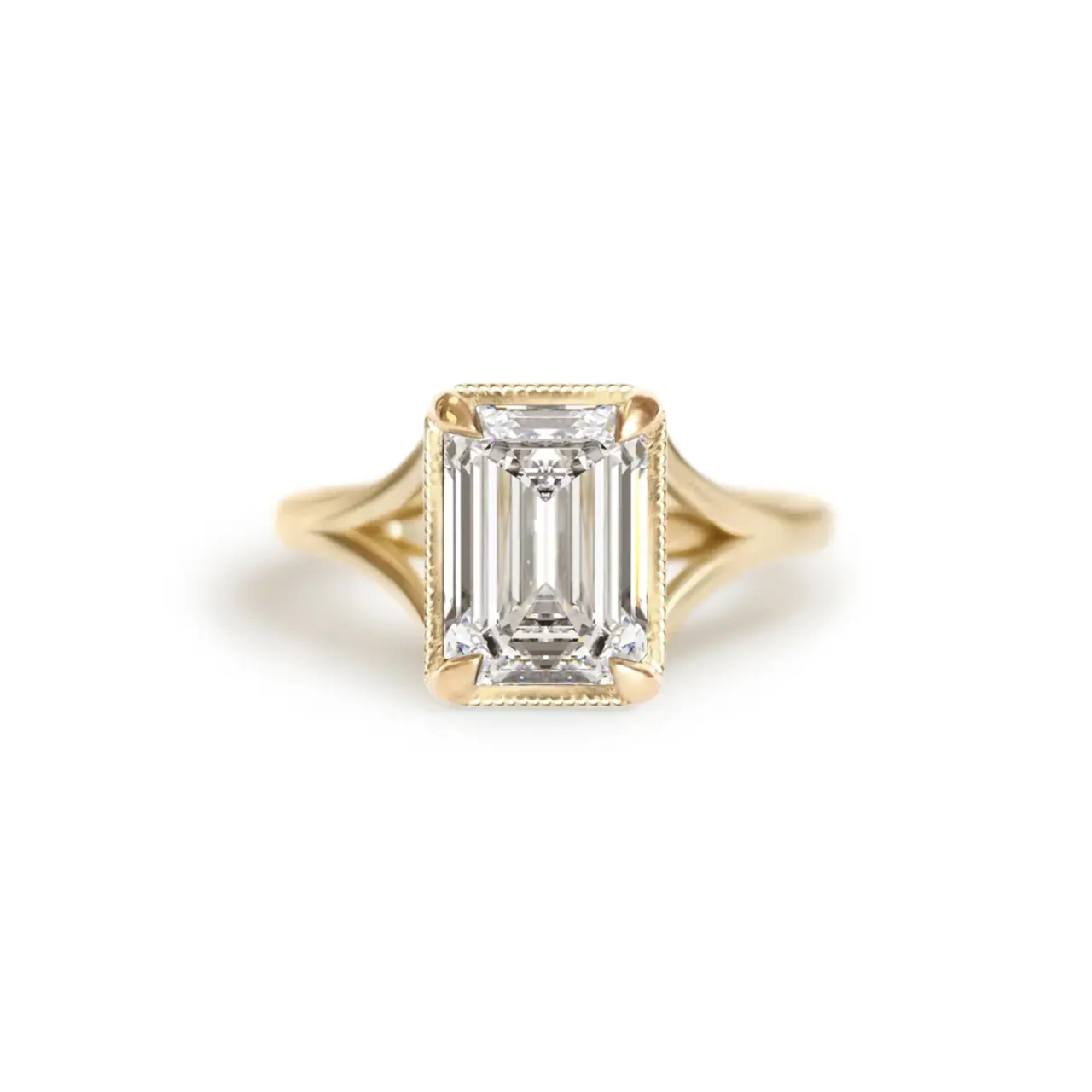
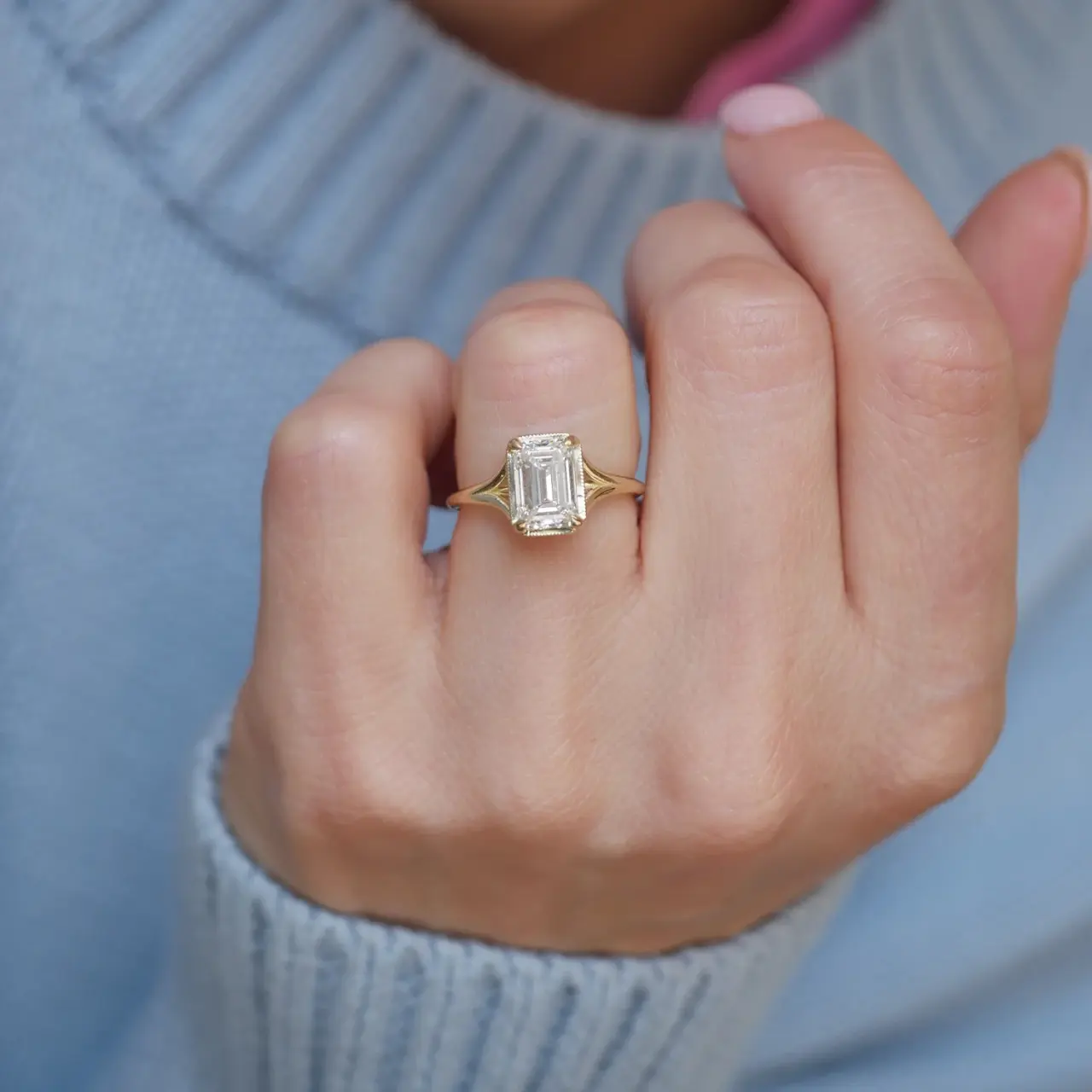
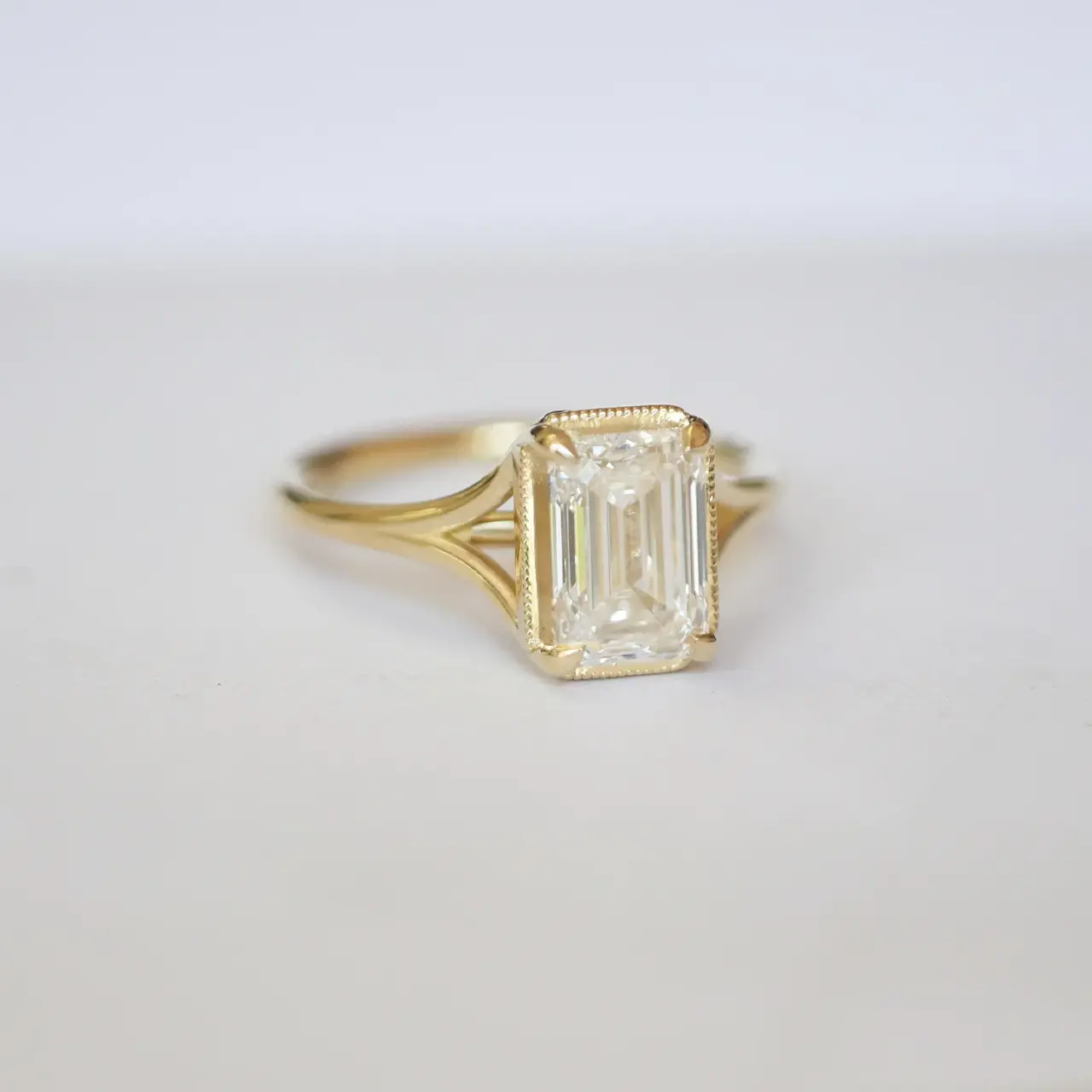
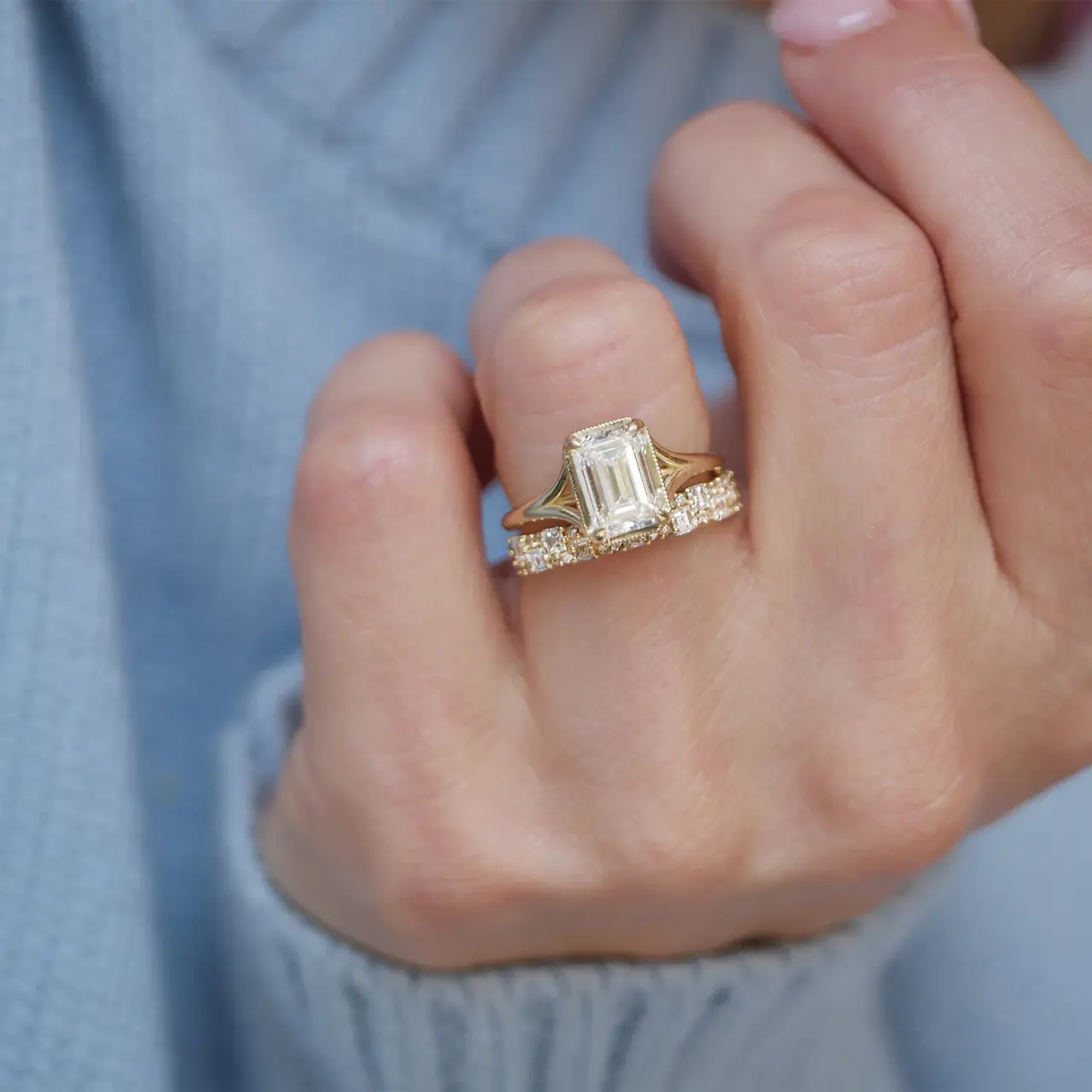
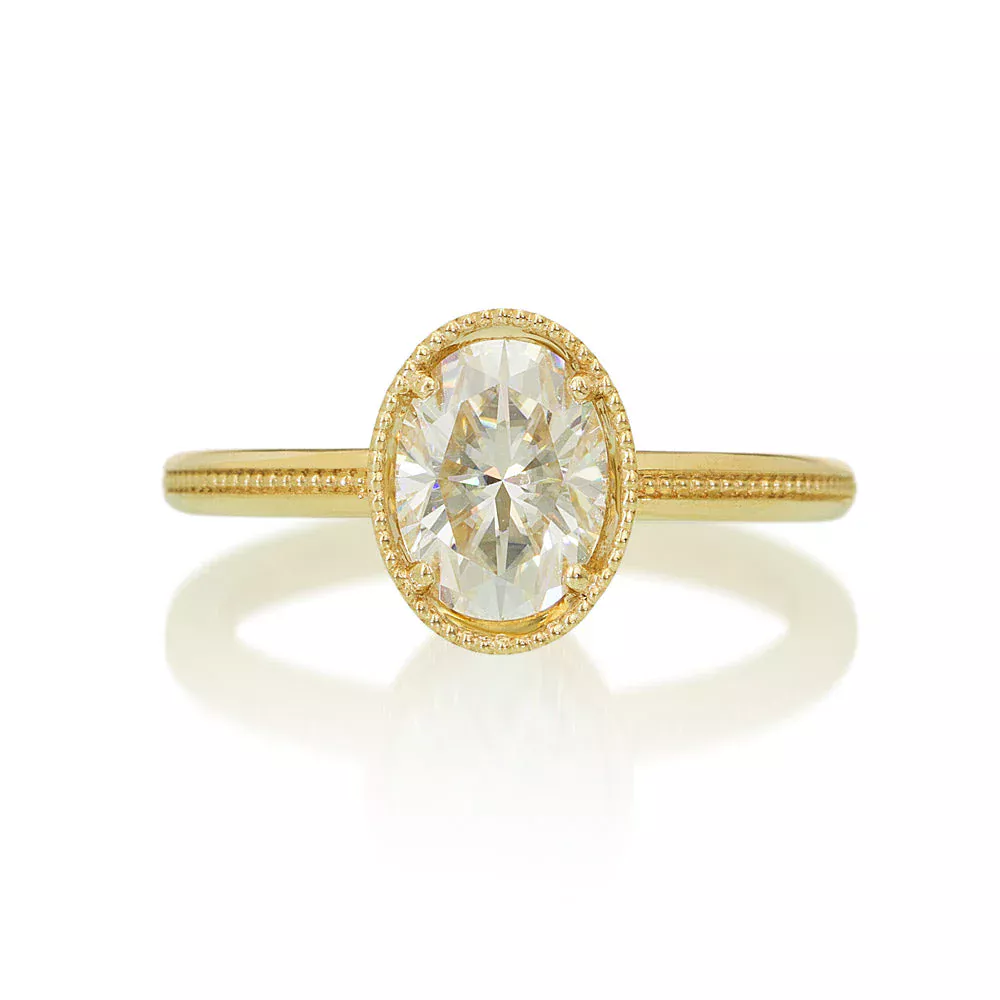
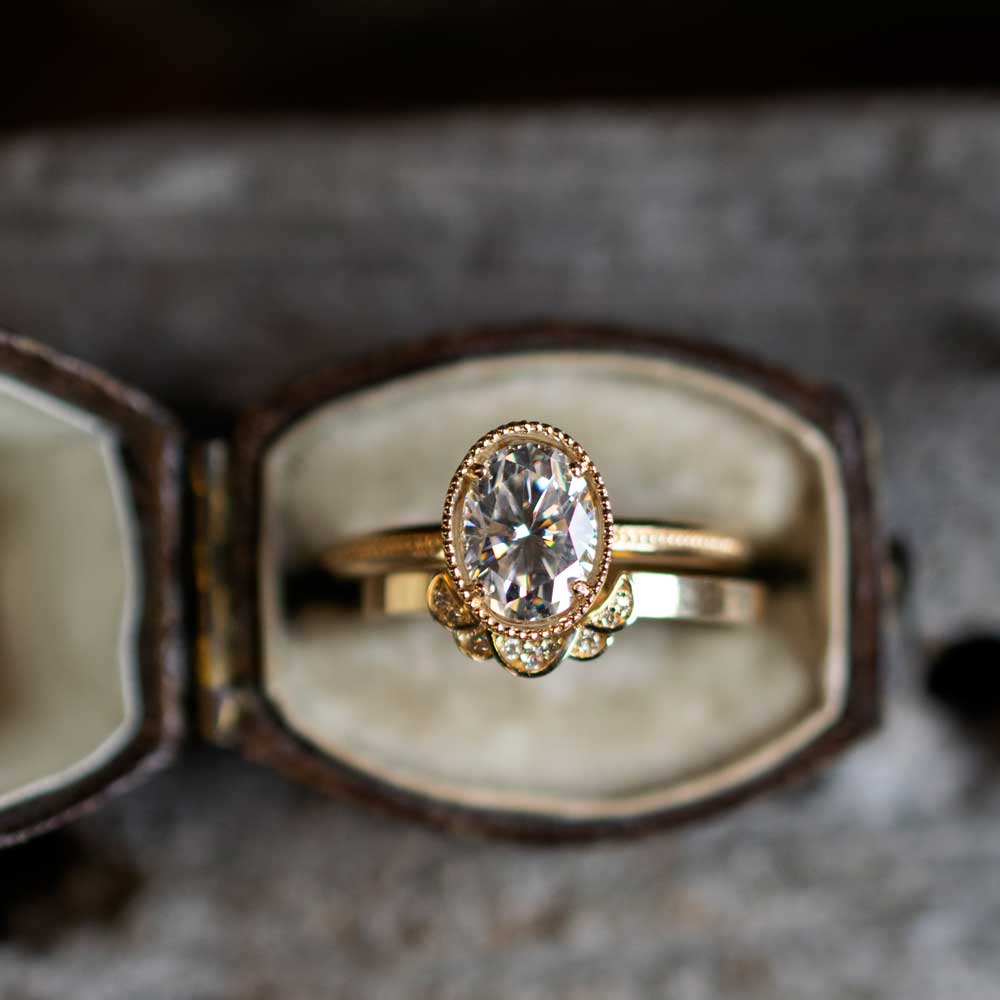
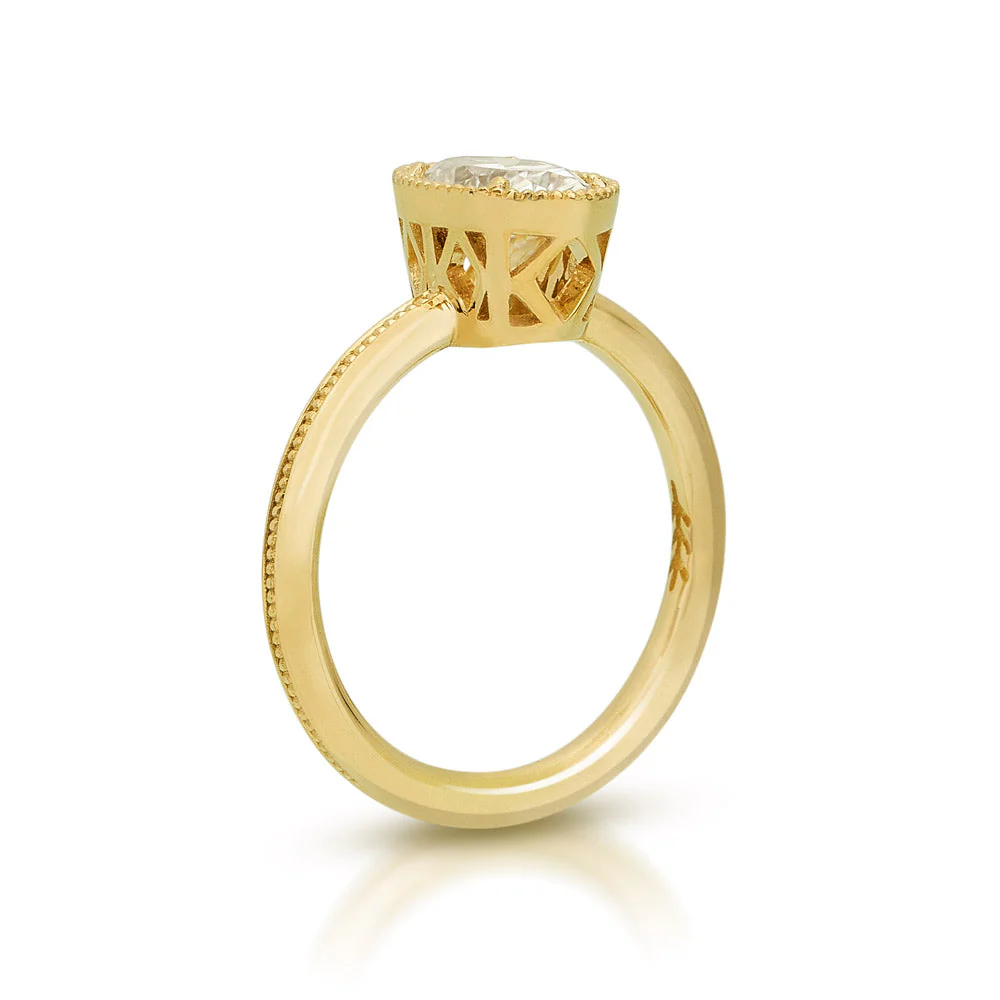
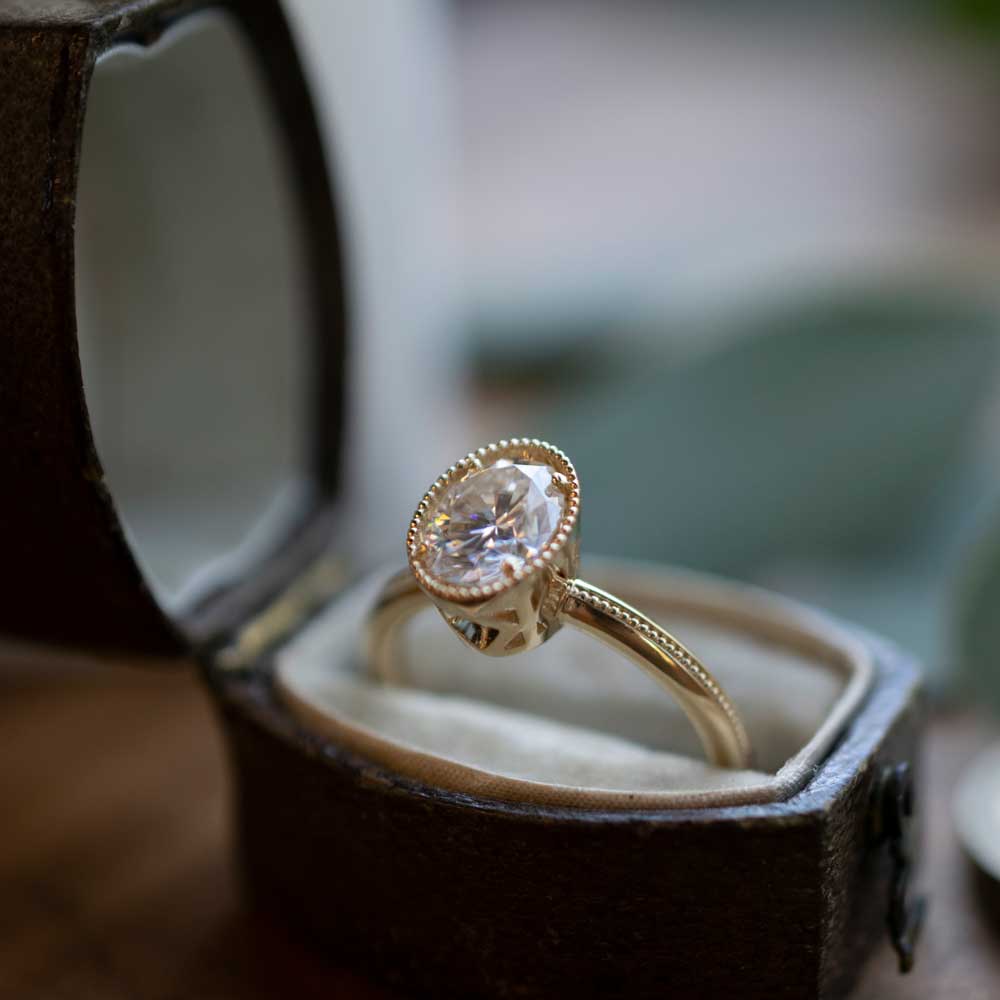
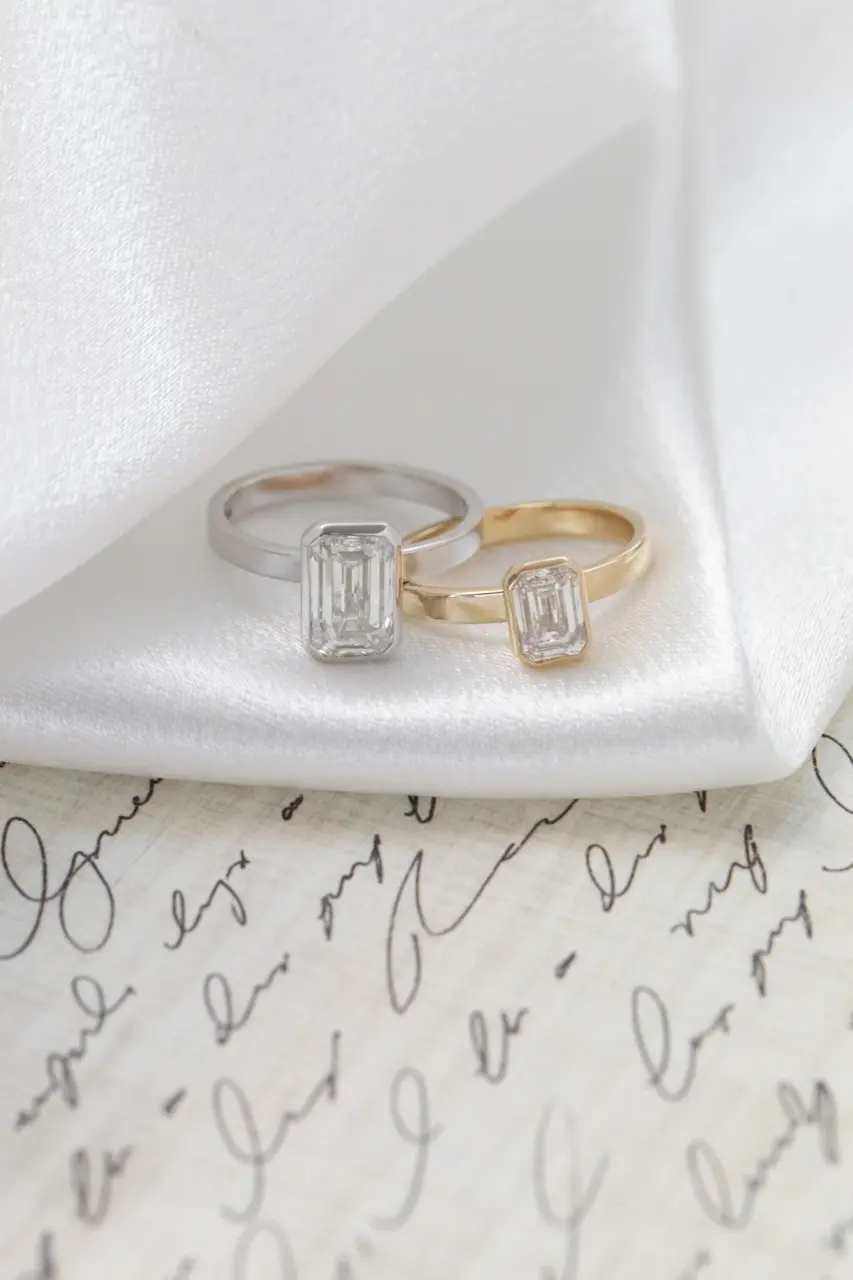
Timeless, curated designs that never go out of style. Some rings don’t need to be noticed — they just need to be right. Classic engagement rings look just as good in a photo from twenty years ago as they do today: no trends, no gimmicks, no second-guessing.
See the collection ↓
Why this style matters
A quiet, confident yes —
every single time.
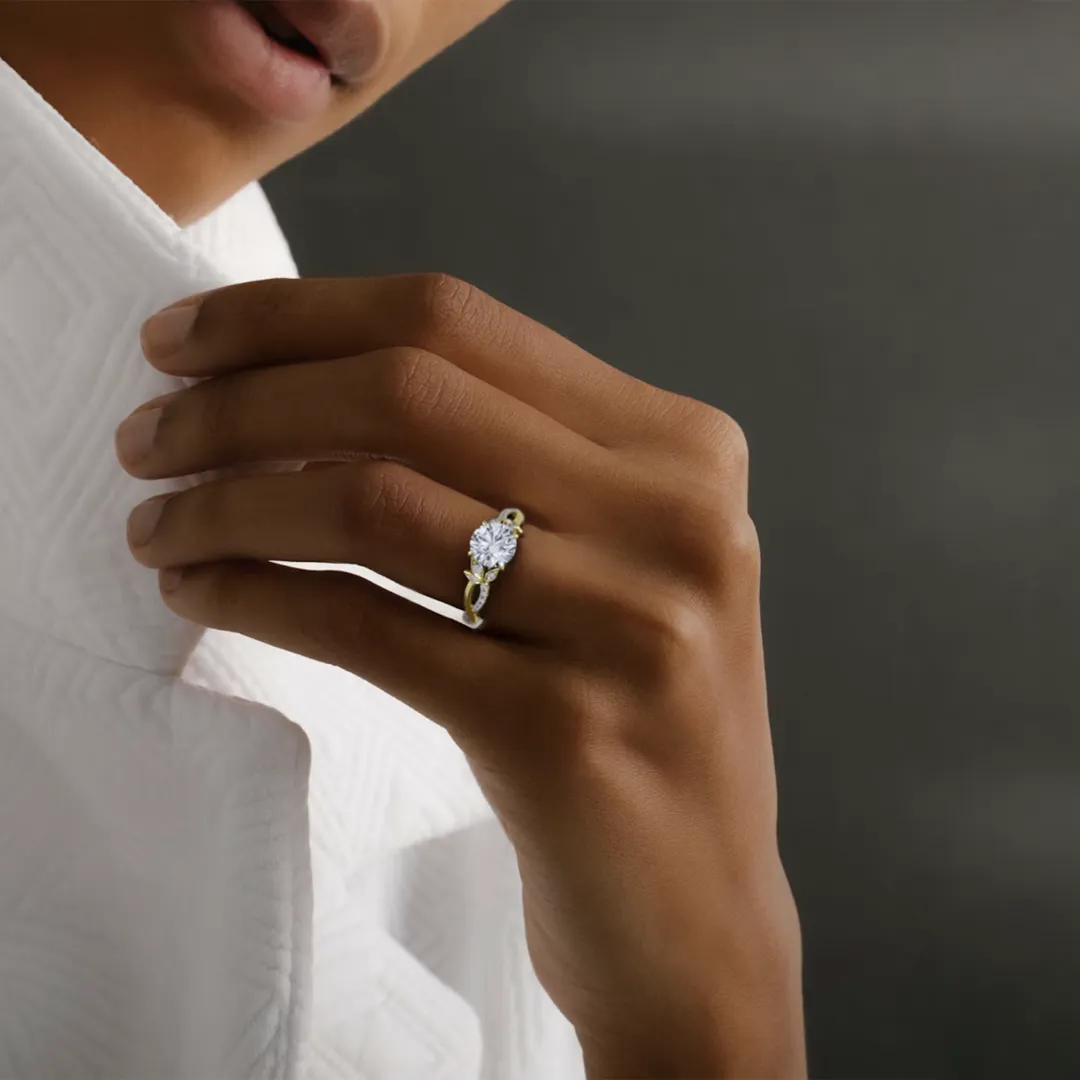
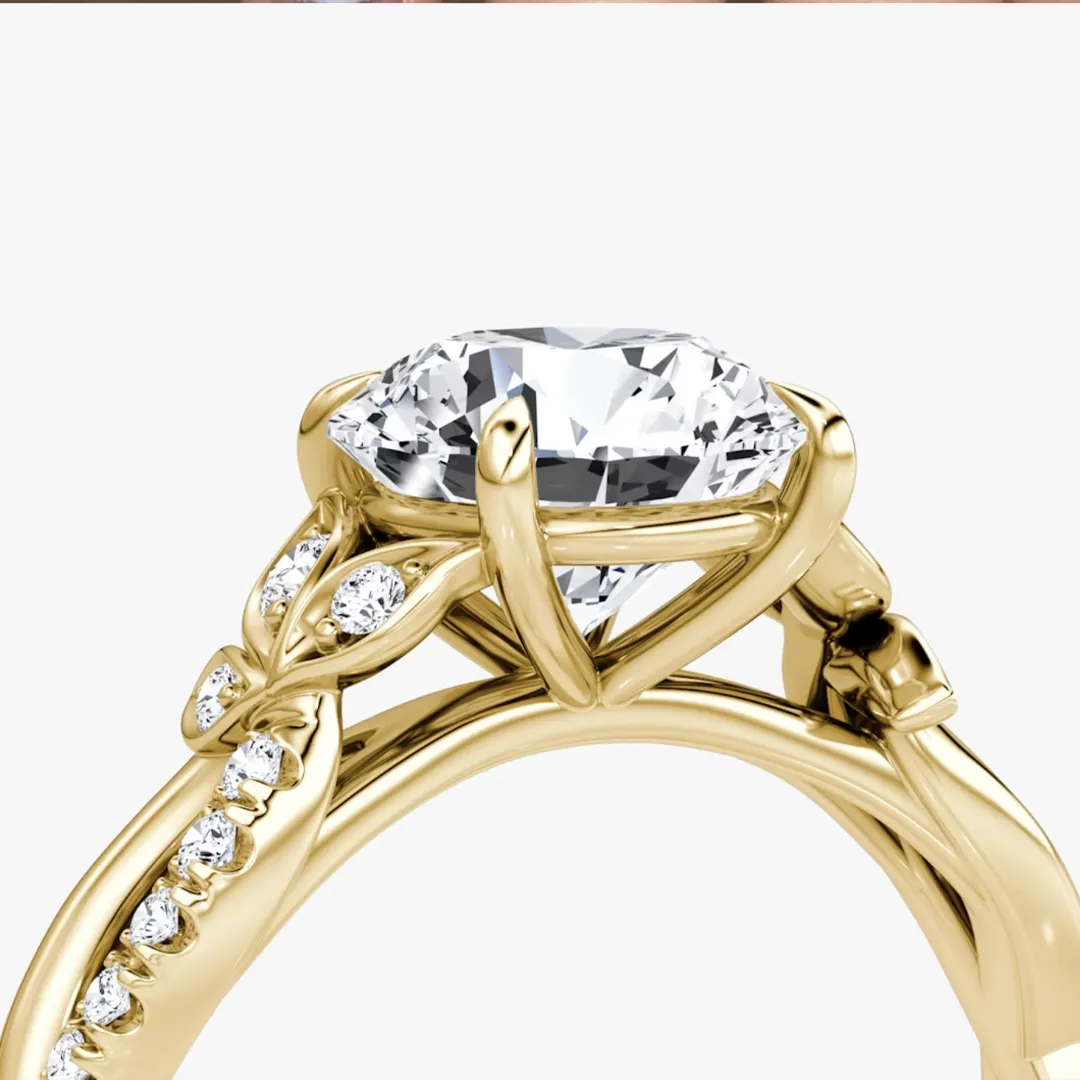
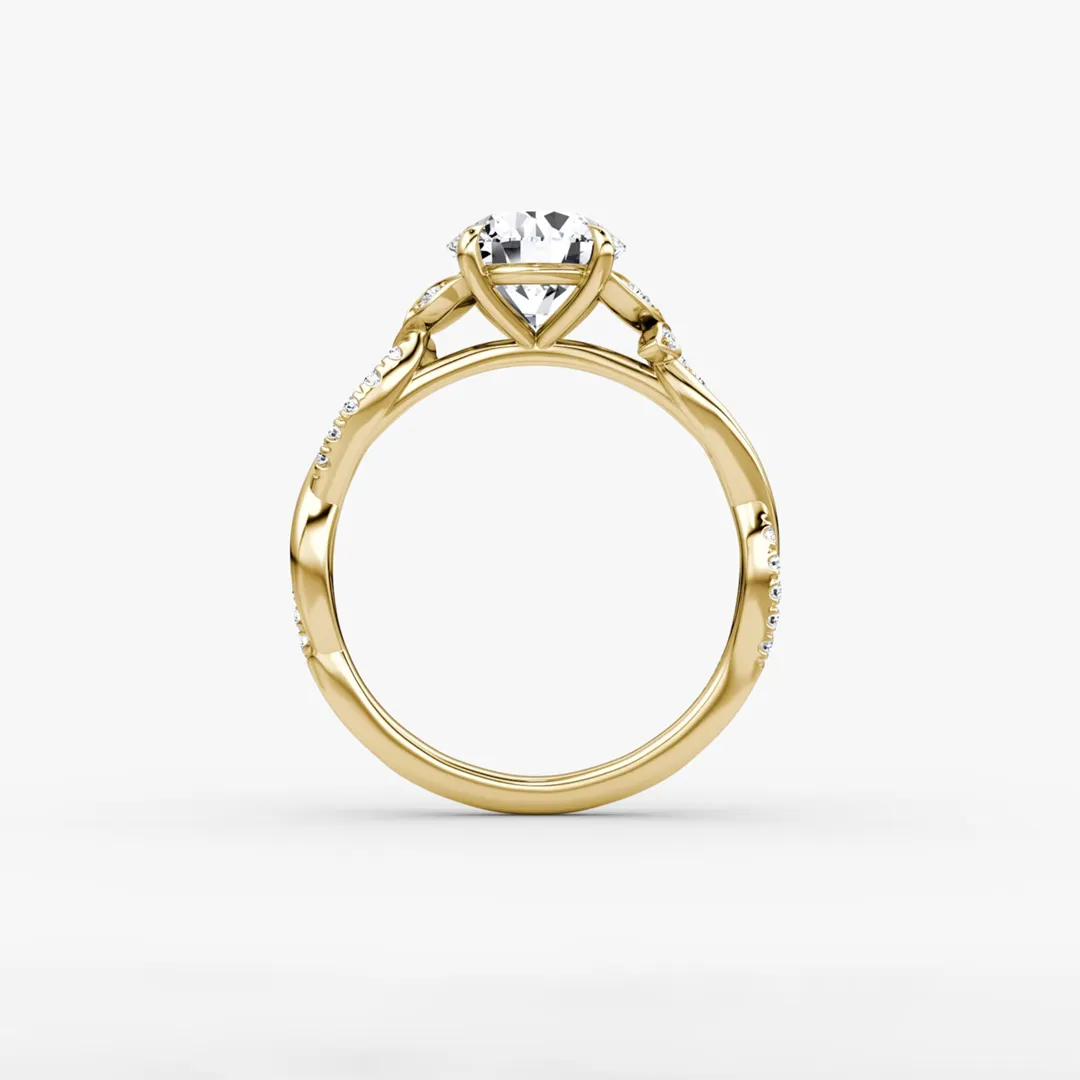
Clean silhouettes. Timeless settings. Proportions that feel balanced and considered without trying too hard. Whether it’s a round brilliant solitaire, a refined three stone ring, a delicate pavé band, or a cathedral setting that whispers sophistication — these are the rings that photograph beautifully at every age and suit every style without effort.
Every ring in this collection comes from an independent US designer who understands that true elegance never needs to shout. Classic doesn’t mean generic here — independent designers bring subtle handcrafted details and intentional proportions to familiar silhouettes, making something timeless feel completely personal at the same time.
Some rings don’t need to be noticed. They just need to be right.
Every ring here is personally chosen for that quality — the quiet confidence of a choice you’ll never second-guess.
What makes a ring truly classic
Four things that never
go out of style.
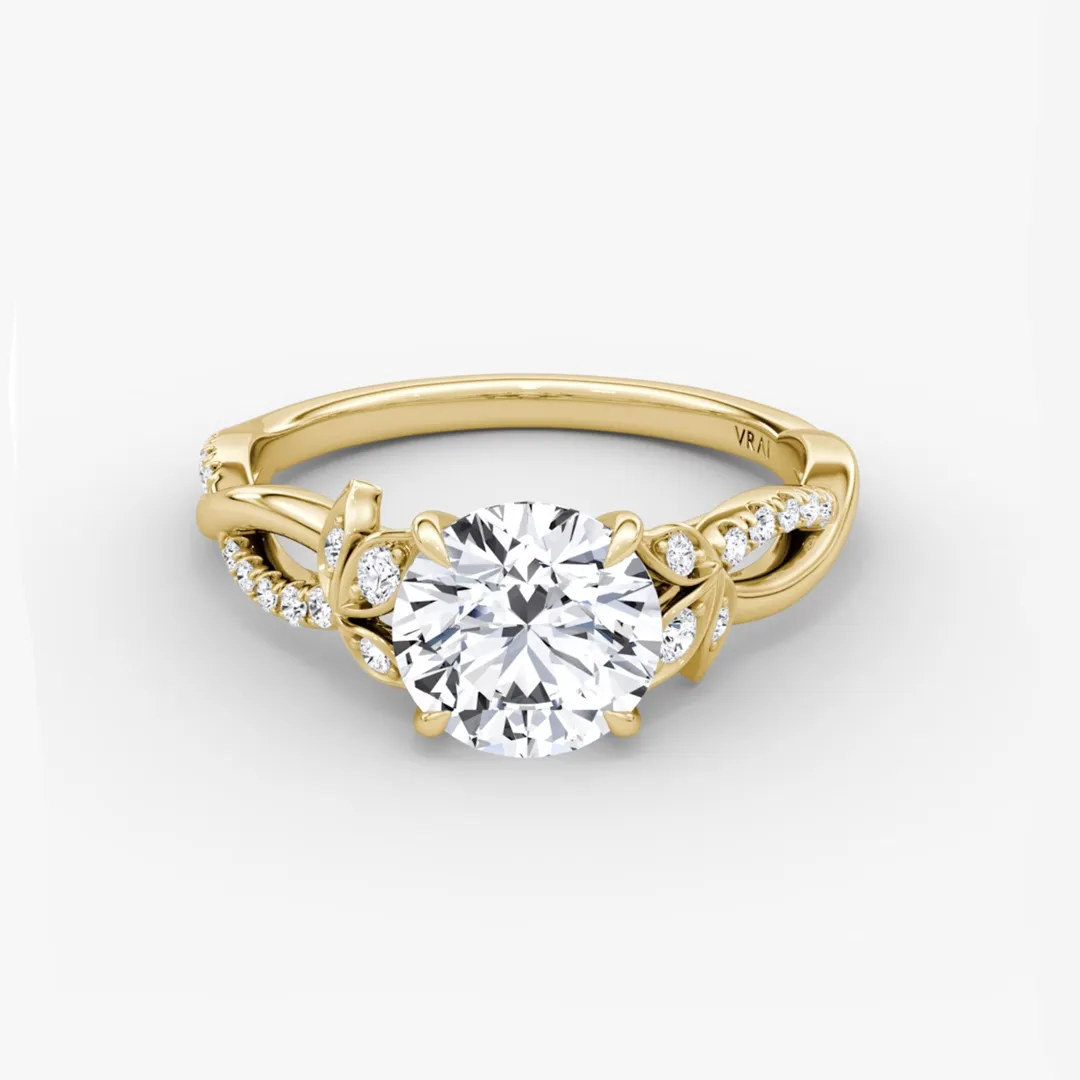
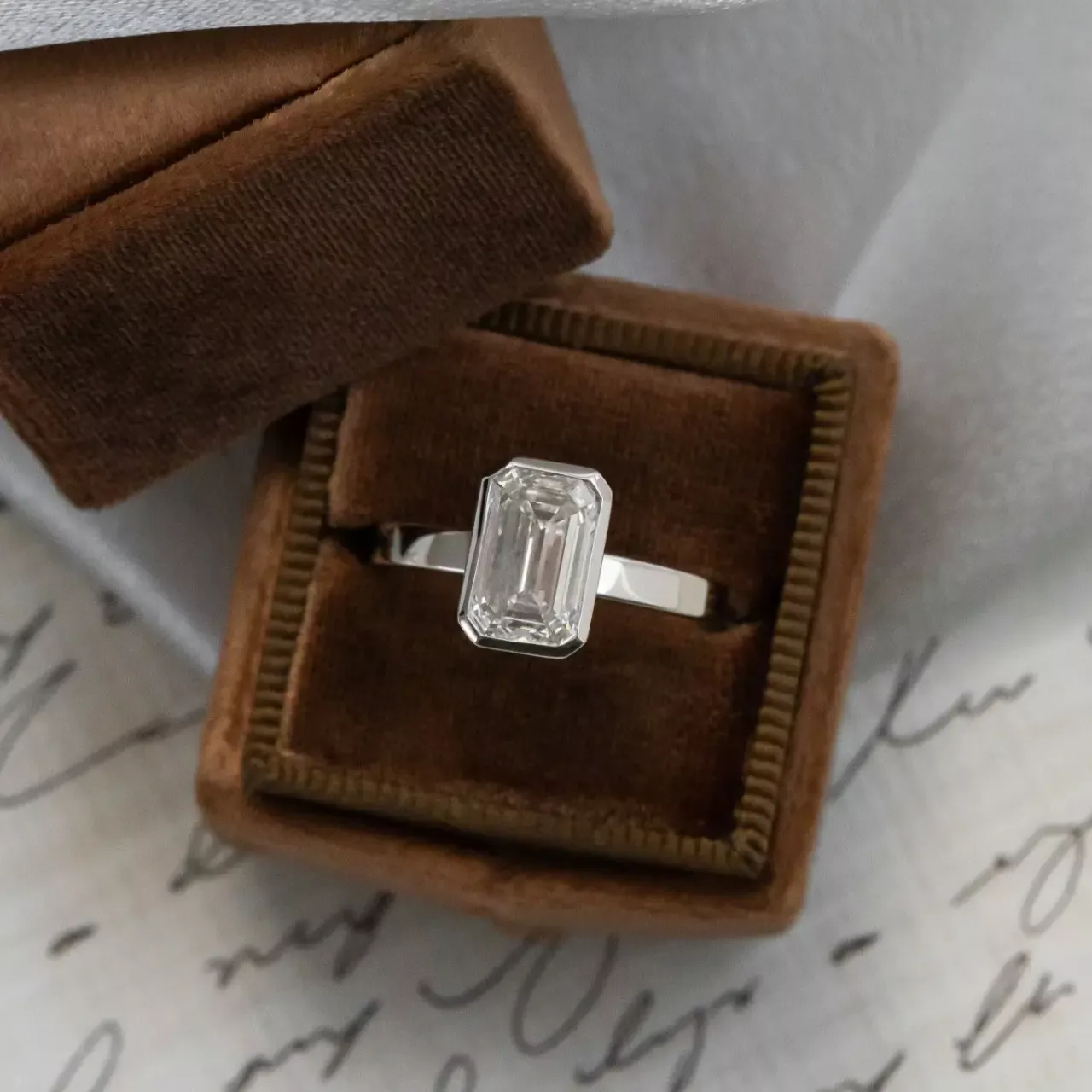
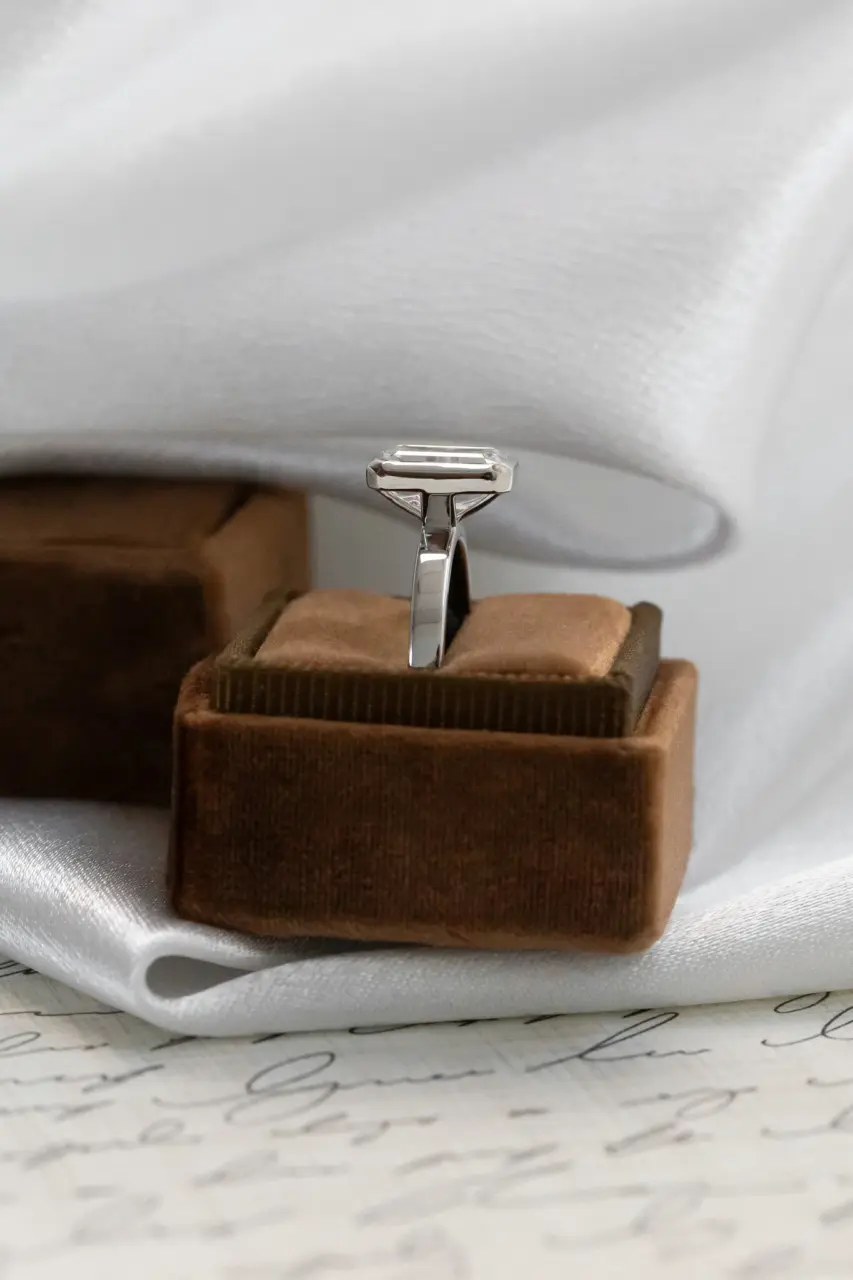
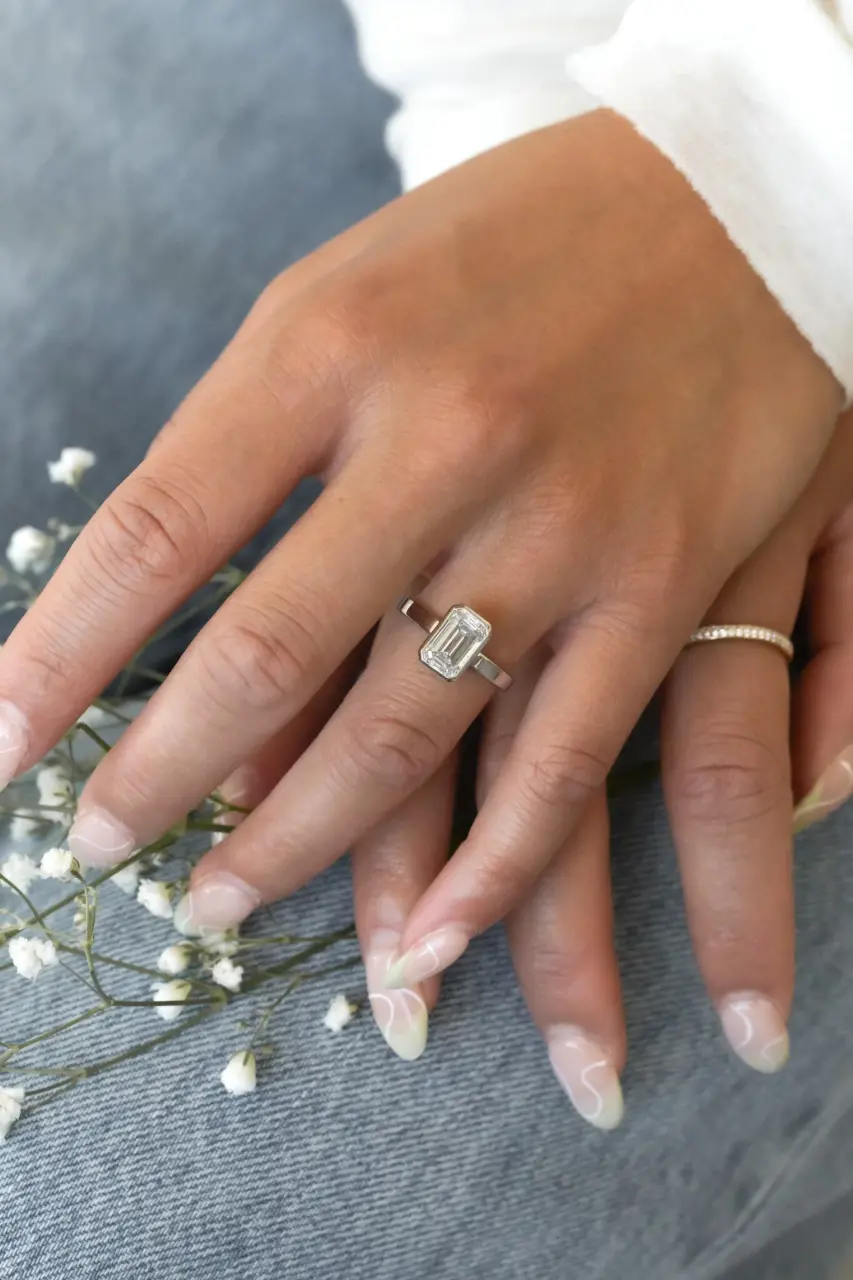
The solitaire is the purest expression of a classic engagement ring — a single diamond or gemstone in a clean prong or bezel setting. Nothing speaks timeless elegance more simply or more powerfully. It works on every hand, in every setting, at every age.
The classic first choice
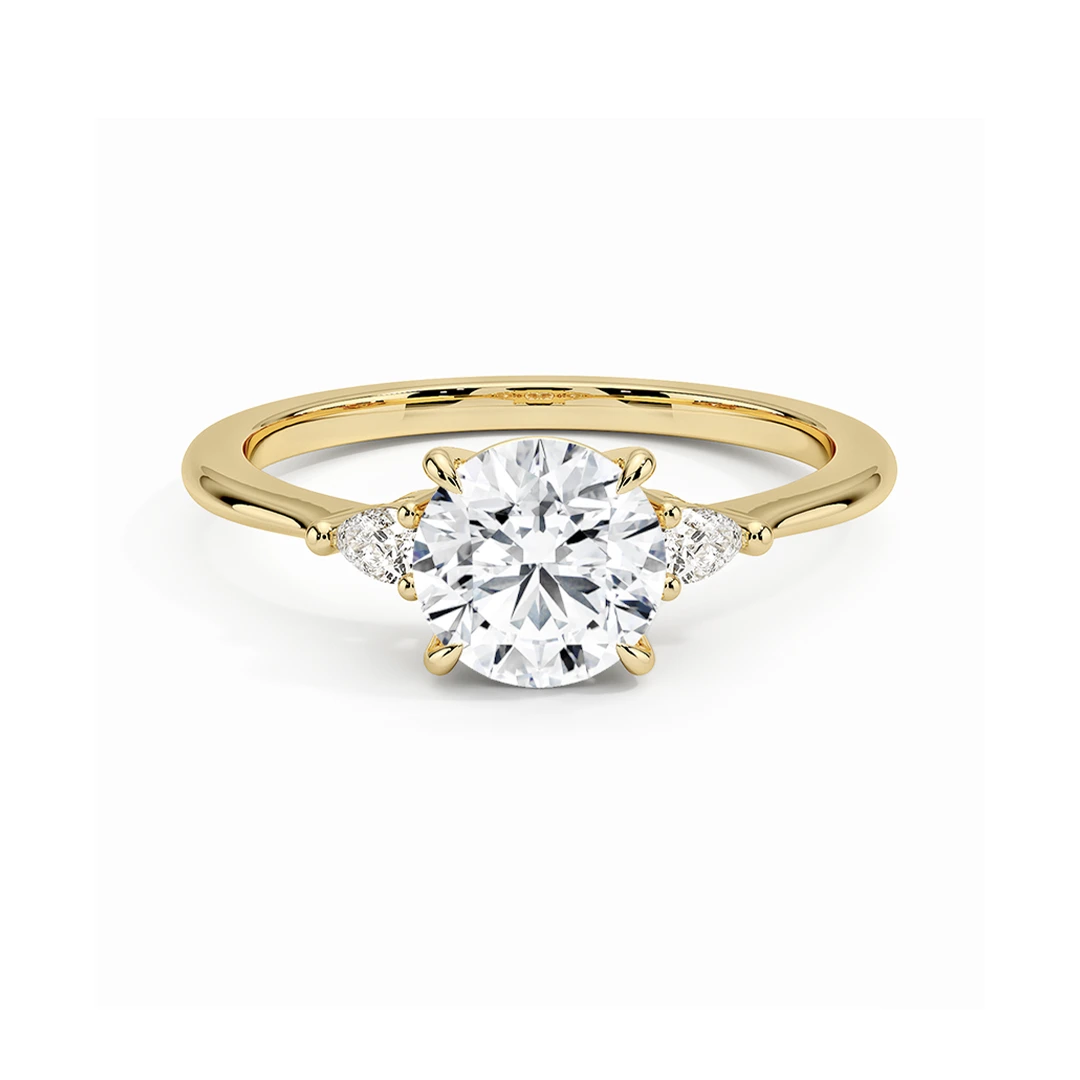
A round brilliant solitaire in a four or six-prong setting — the one style that has genuinely never gone out of fashion.
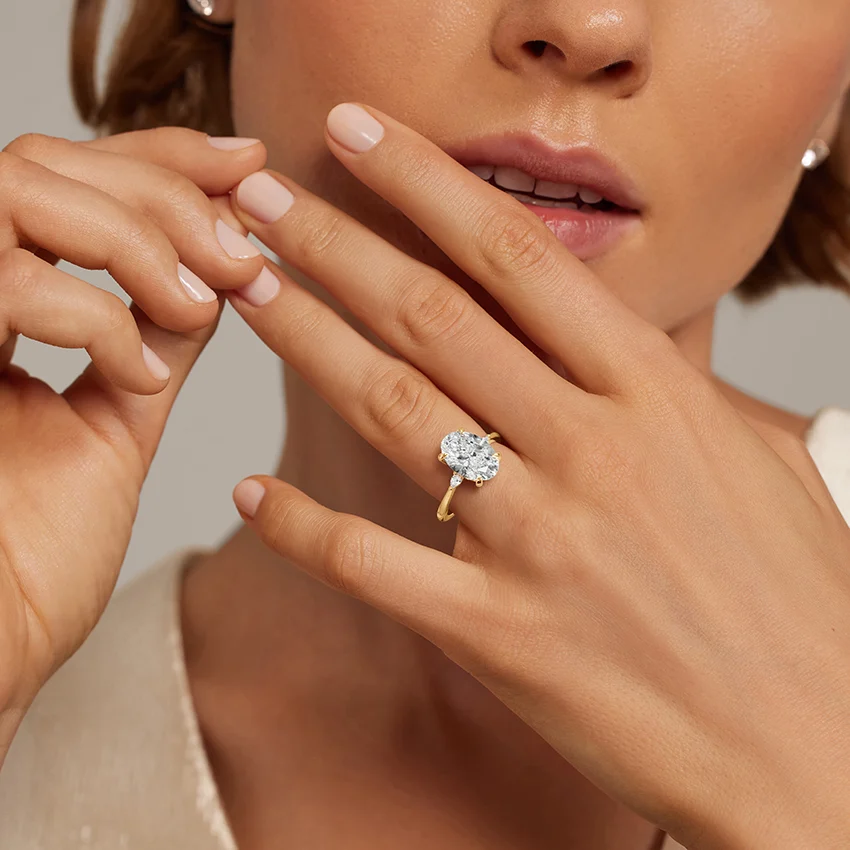
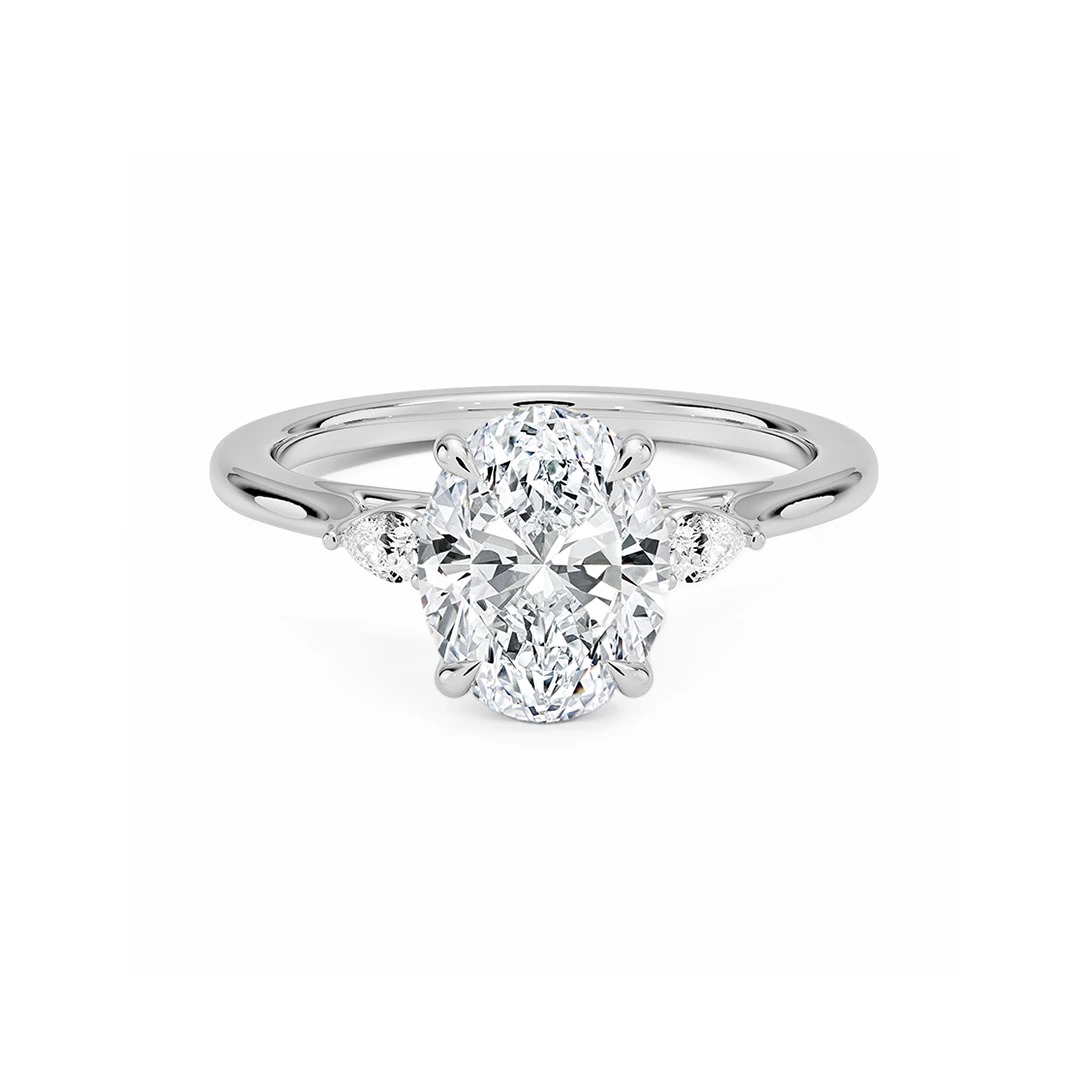
The three stone ring represents the past, present, and future of a relationship. One of the most meaningful and enduringly popular engagement ring styles in the USA — and one that never stops feeling right as a choice.
03
The pavé band & cathedral setting
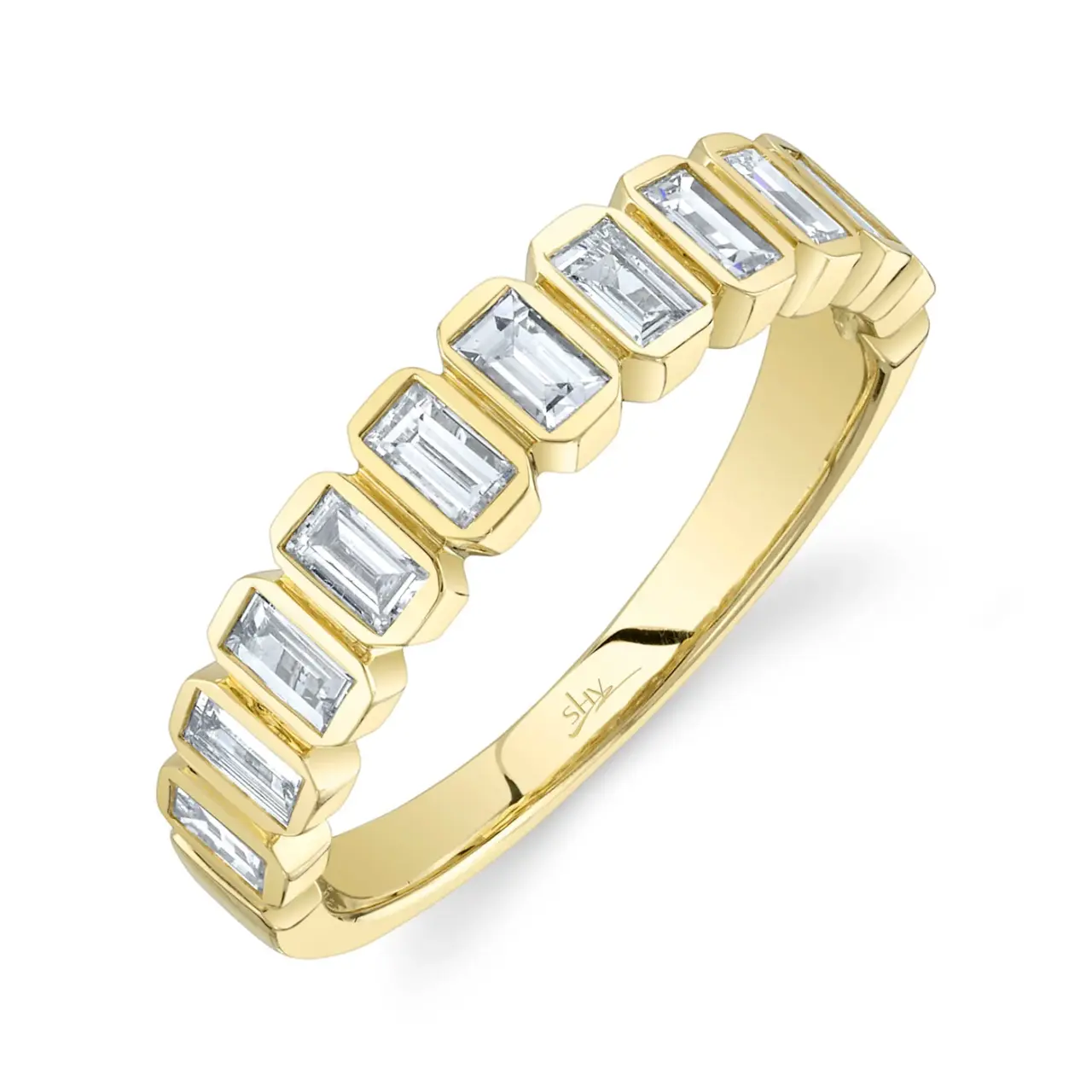
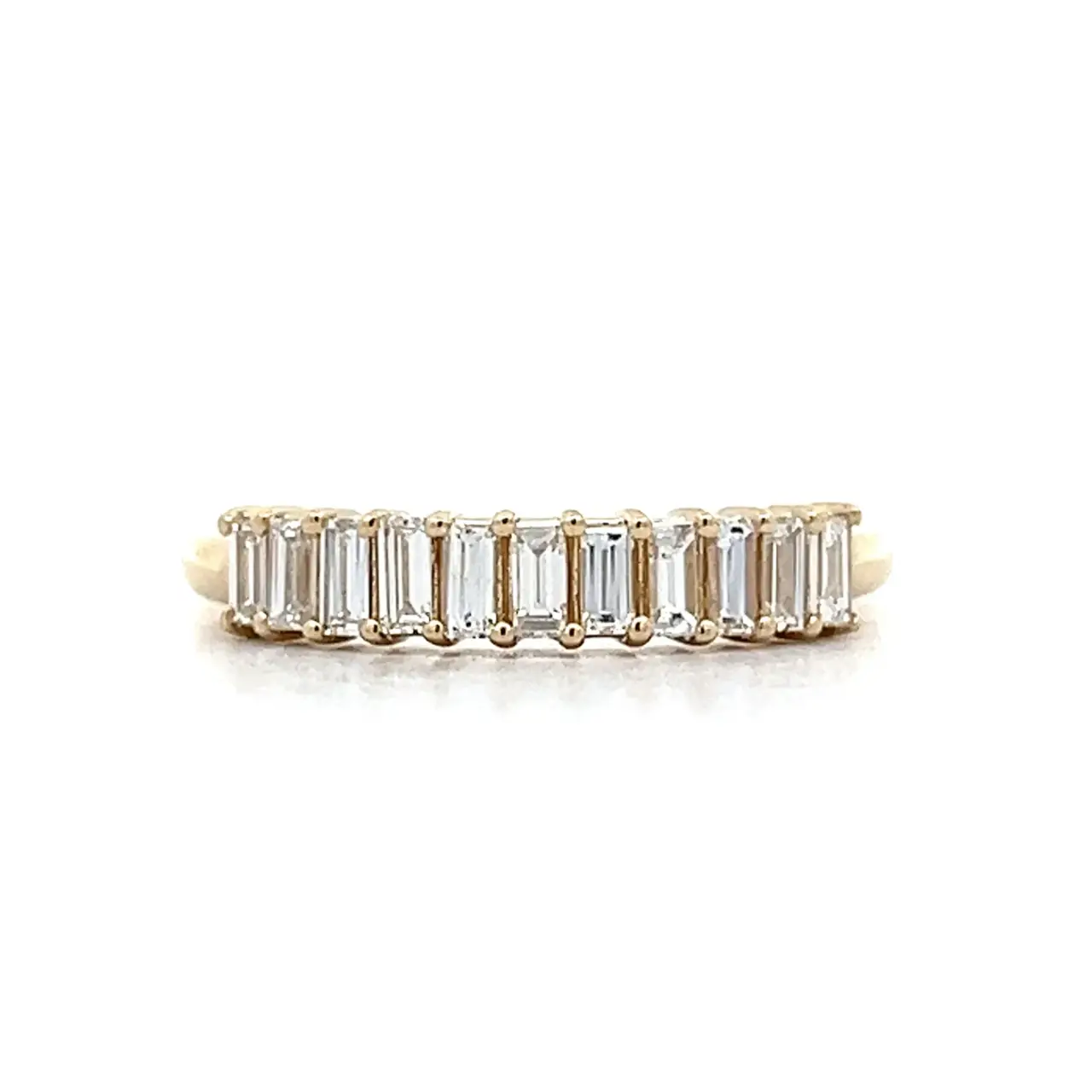
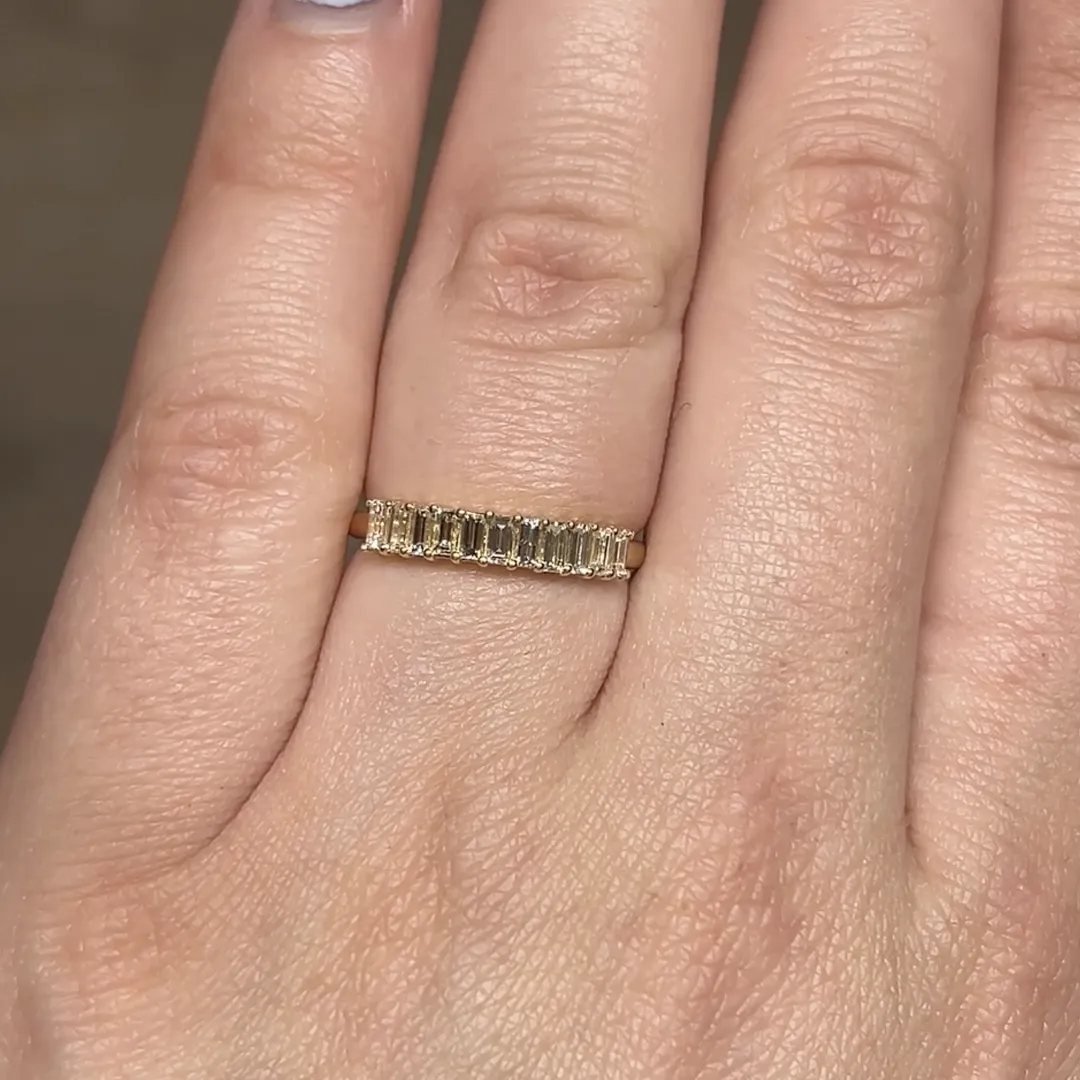
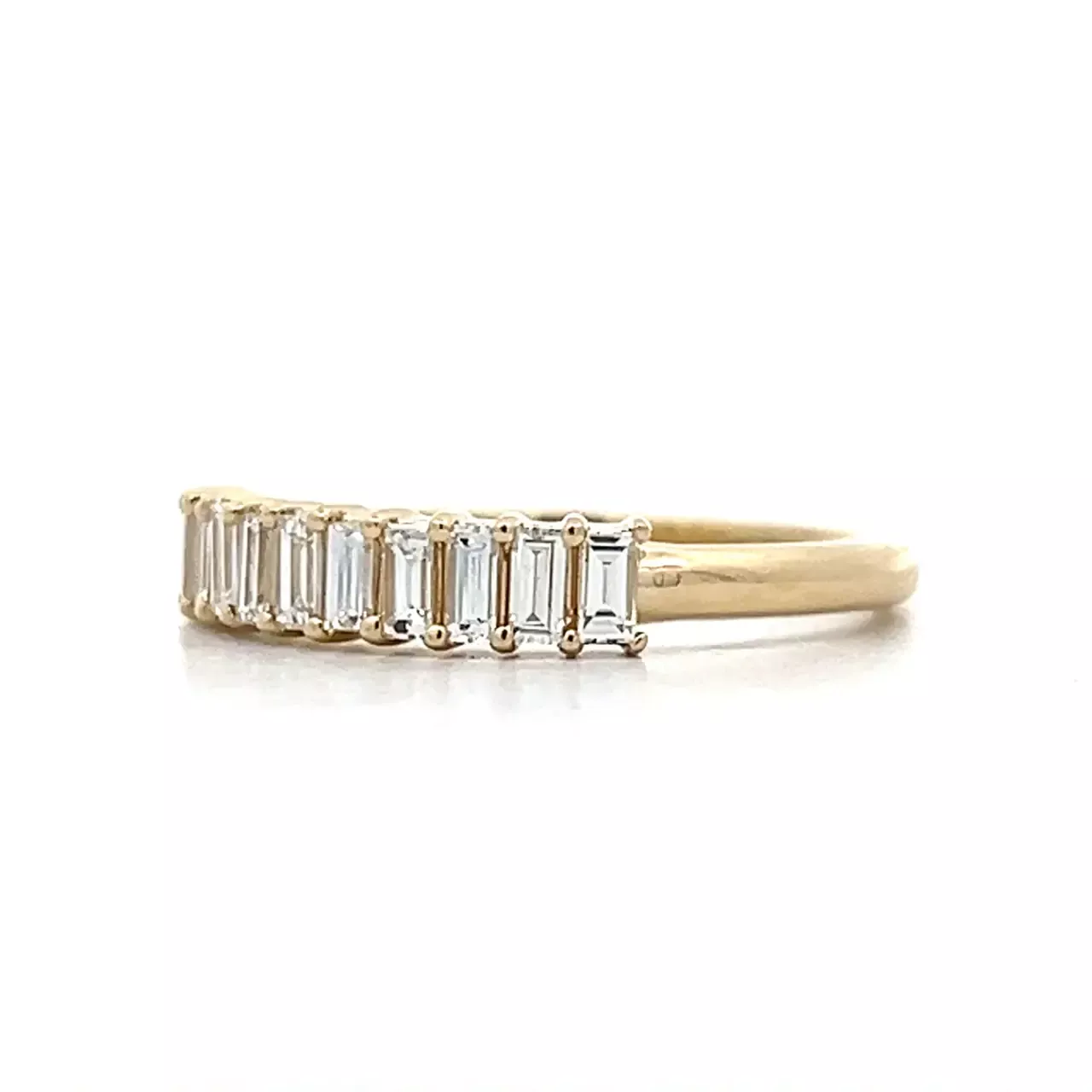
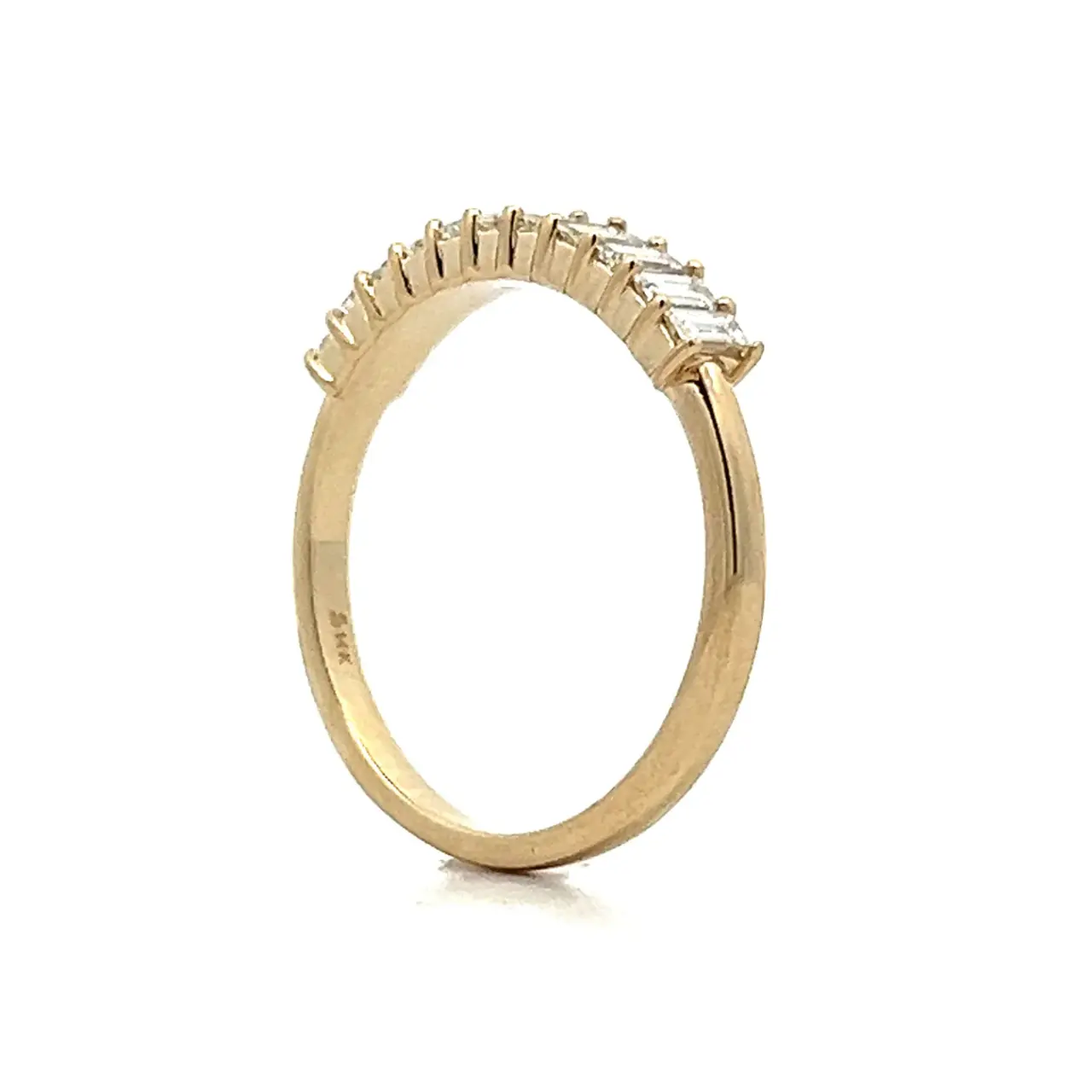
The pavé band adds delicate diamonds along the band for subtle sparkle without overpowering the centre stone — quietly luxurious and genuinely wearable every day. The cathedral setting arches the band upward to cradle the centre stone, adding height, elegance, and a sense of occasion that feels special without being over the top.
Platinum and gold are the metals classic rings were made for. Platinum gives a cool, modern finish that wears beautifully for decades without replating. Yellow gold brings warmth, tradition, and that unmistakable vintage quality that feels timeless rather than old-fashioned.
Common questions
FAQ — what people
actually ask.
What is the most classic engagement ring style?
The round brilliant solitaire in a four or six-prong setting is the most enduringly popular classic style — and for good reason. It lets the diamond do all the talking, suits every hand shape, and looks just as elegant in fifty years as it does today. If there’s one style that has genuinely never gone out of fashion, it’s this one.
Do classic engagement rings look boring?
Only if they’re poorly made. A classic ring from an independent designer — with considered proportions, a well-chosen stone, and intentional finishing — looks anything but boring. The difference between a generic solitaire and a beautifully crafted one is immediately visible. Classic is a design philosophy, not a shortcut.
Are classic engagement rings good value?
Classic styles hold their appeal longer than trend-driven designs — which means they also hold their emotional value better. A ring that still feels right on a thirtieth anniversary is worth more than something that felt exciting for a season. Practically, classic settings are also widely available across price points — from under $1,000 to well above $10,000 depending on stone quality and metal.
What’s the difference between classic and vintage engagement rings?
Classic rings draw on timeless design principles — clean lines, balanced proportions, enduring settings. Vintage rings reference a specific era, with period details like milgrain edging, filigree, or Art Deco geometry. Many classic rings have vintage-inspired elements but feel contemporary rather than period-specific. If she loves the idea of timeless but not old-fashioned, classic is usually the right category.
Not sure which ring
is right for her?
Tell me about her — her profession, her life, her taste. I’ll personally curate 5 rings chosen just for her, free, within 24 hours.
Get a personal curation →