Style matters · 2026 guide
Heart shaped
engagement rings.
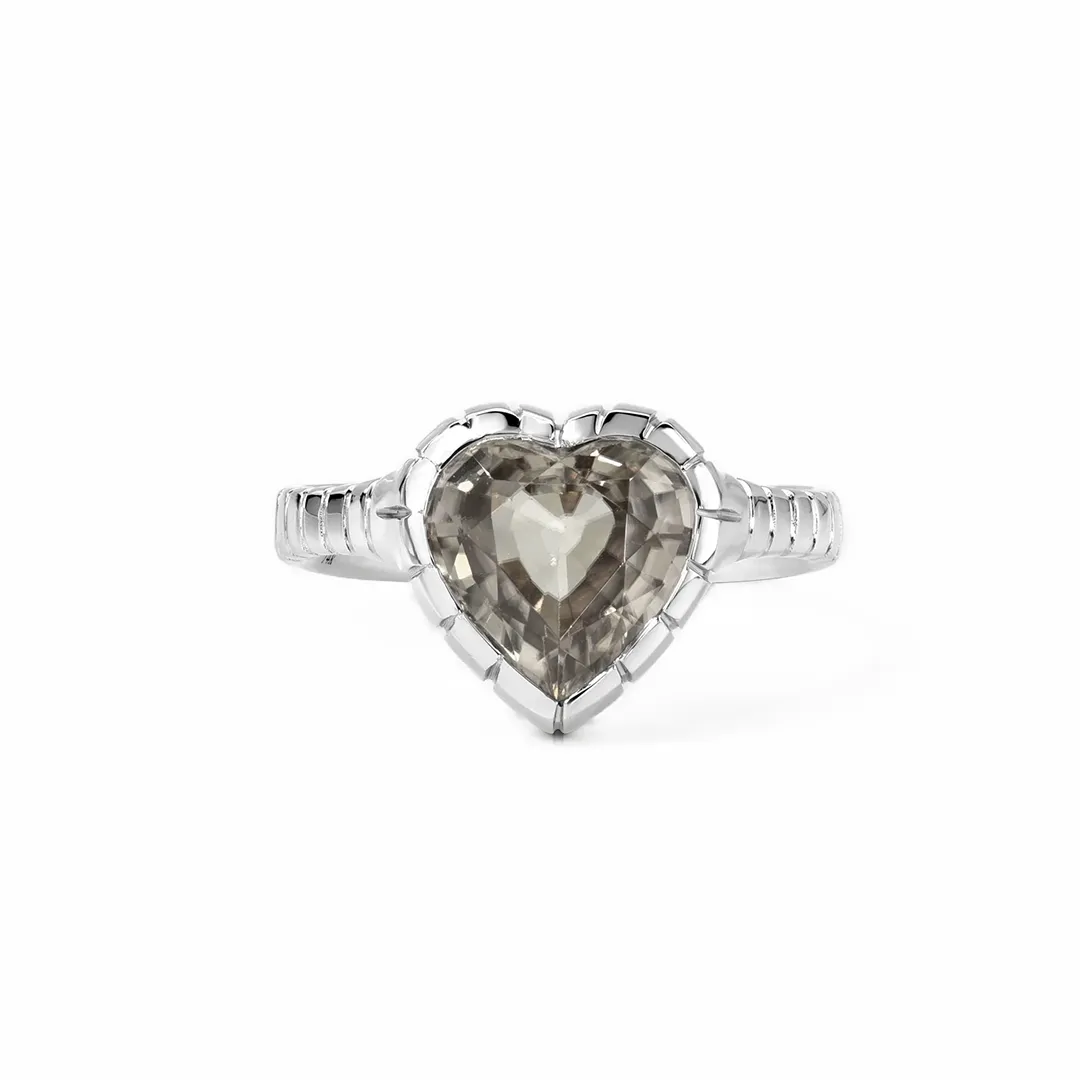
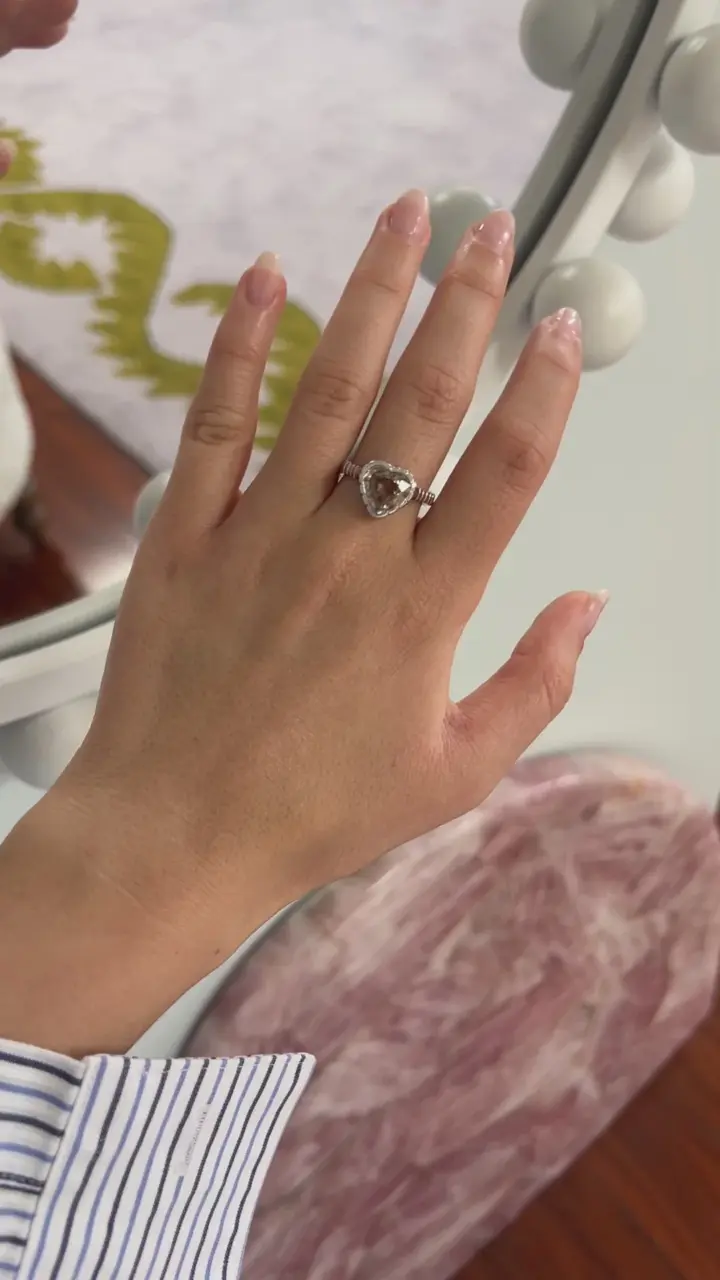
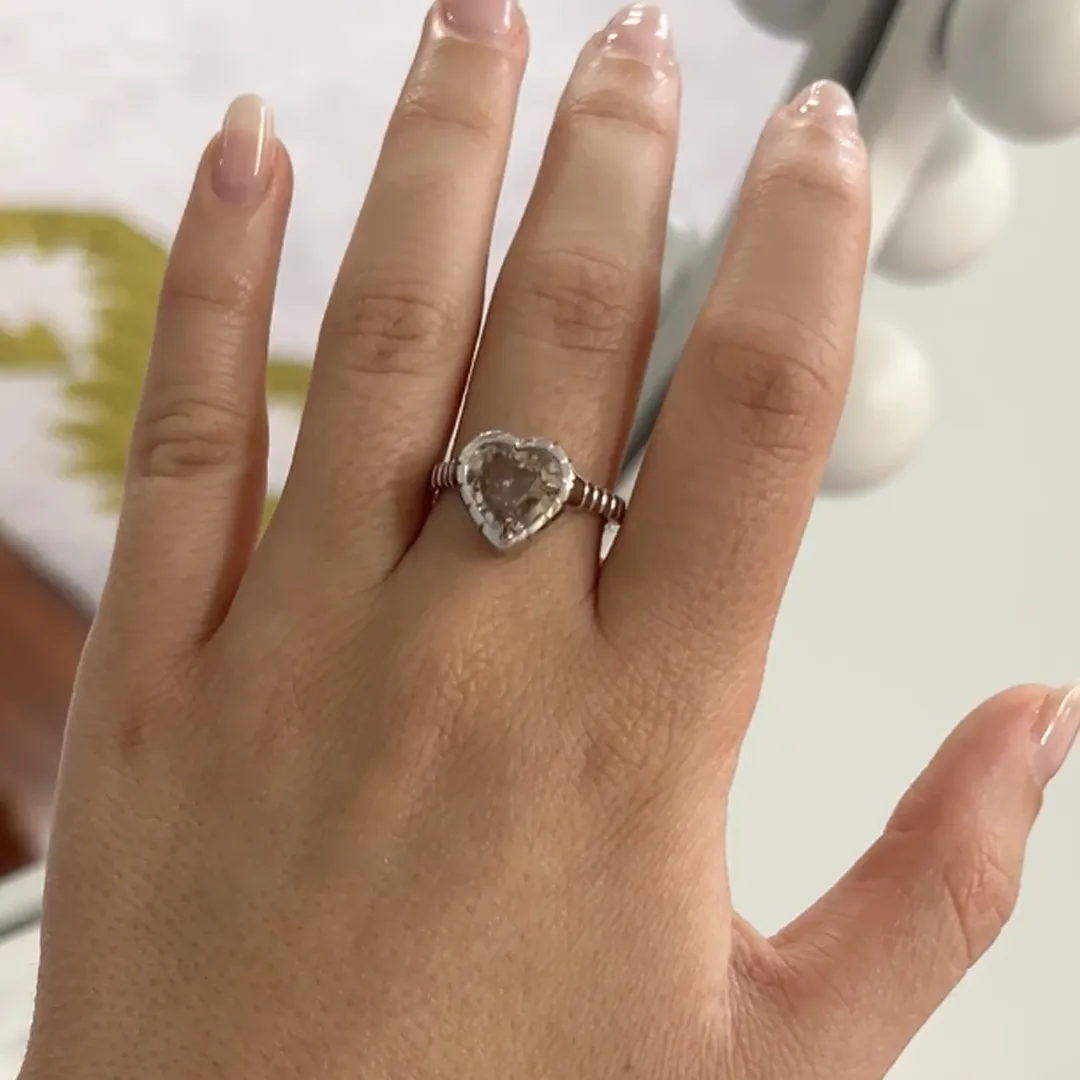
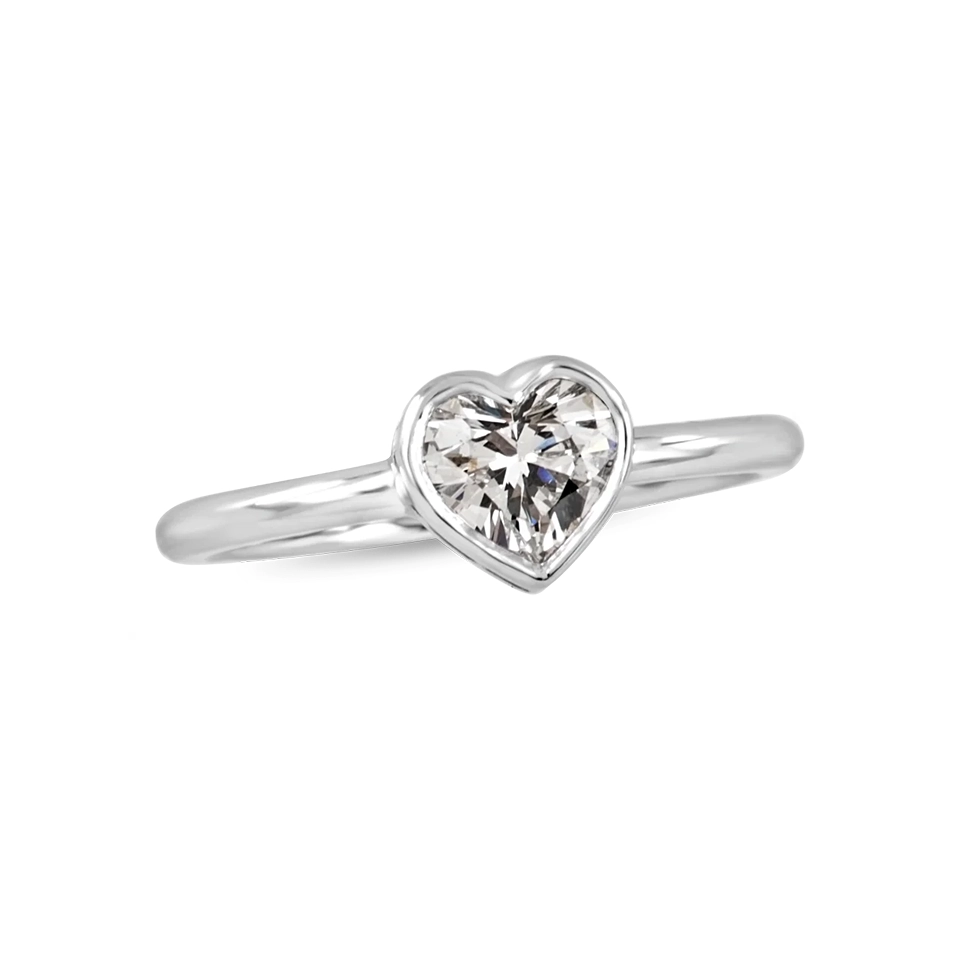
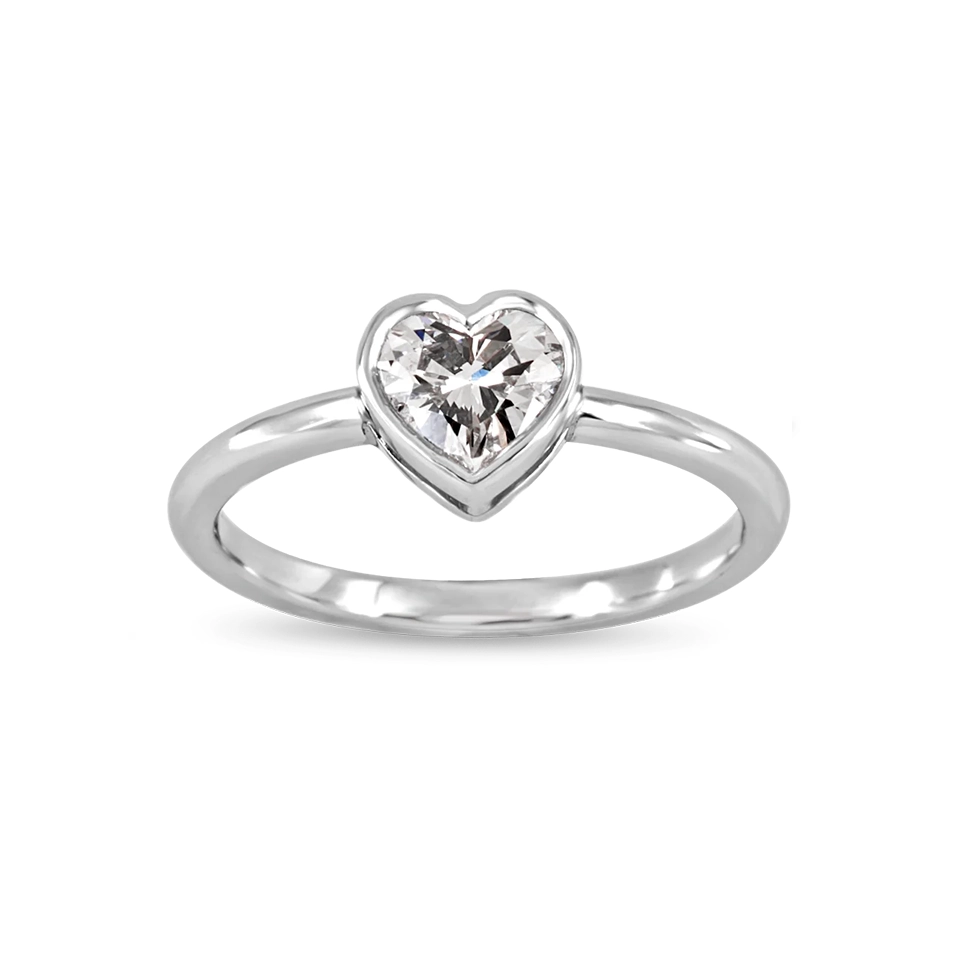
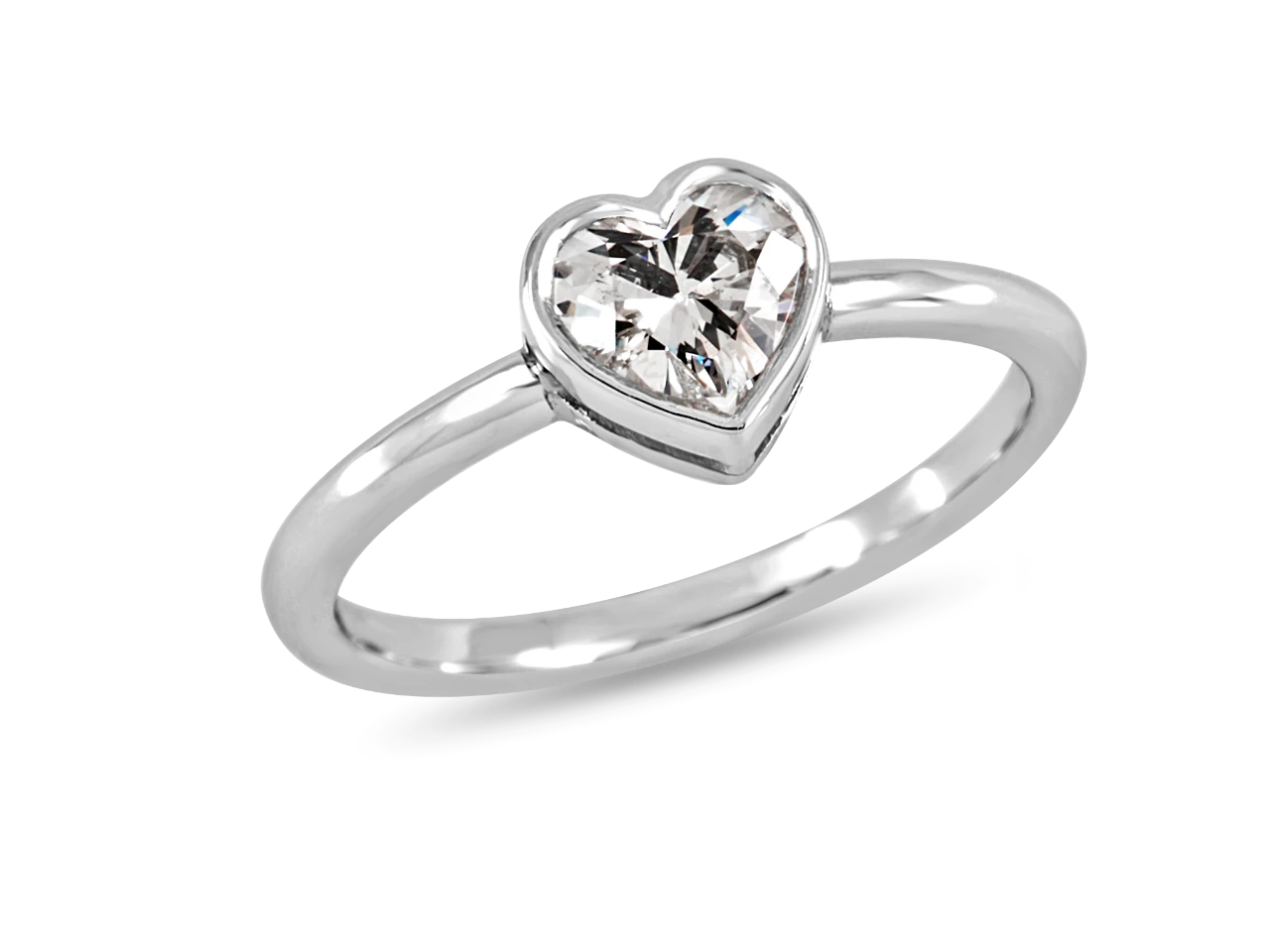
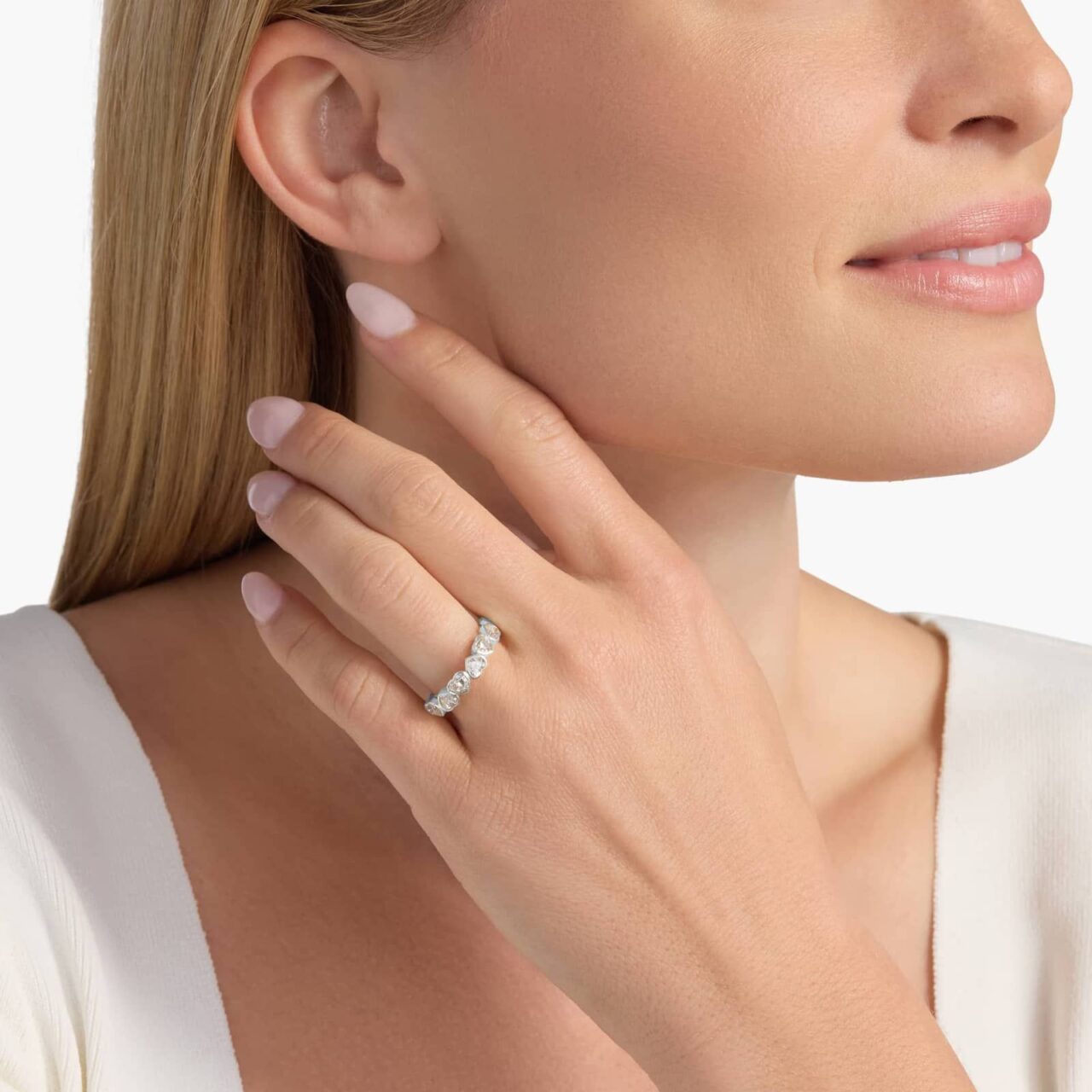
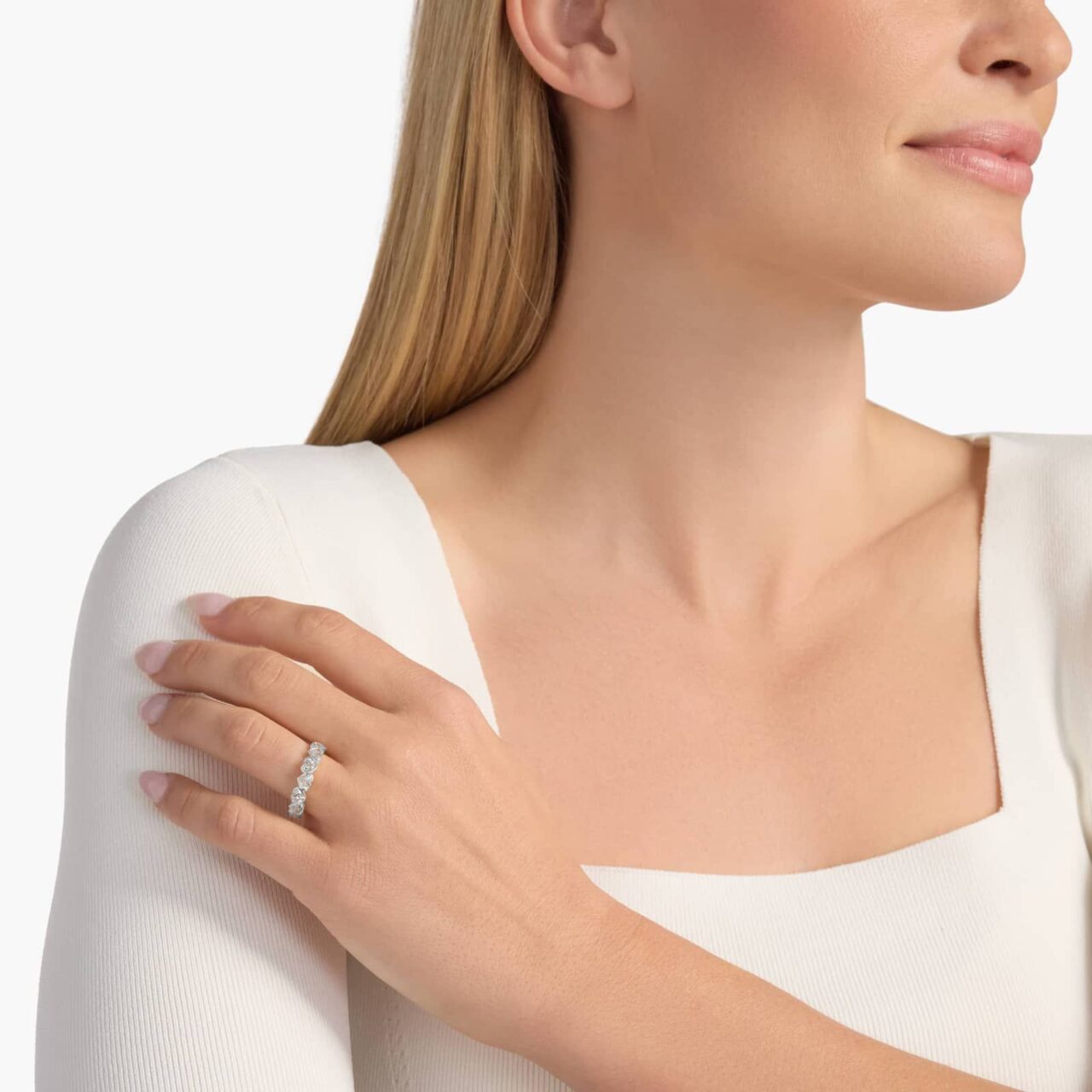
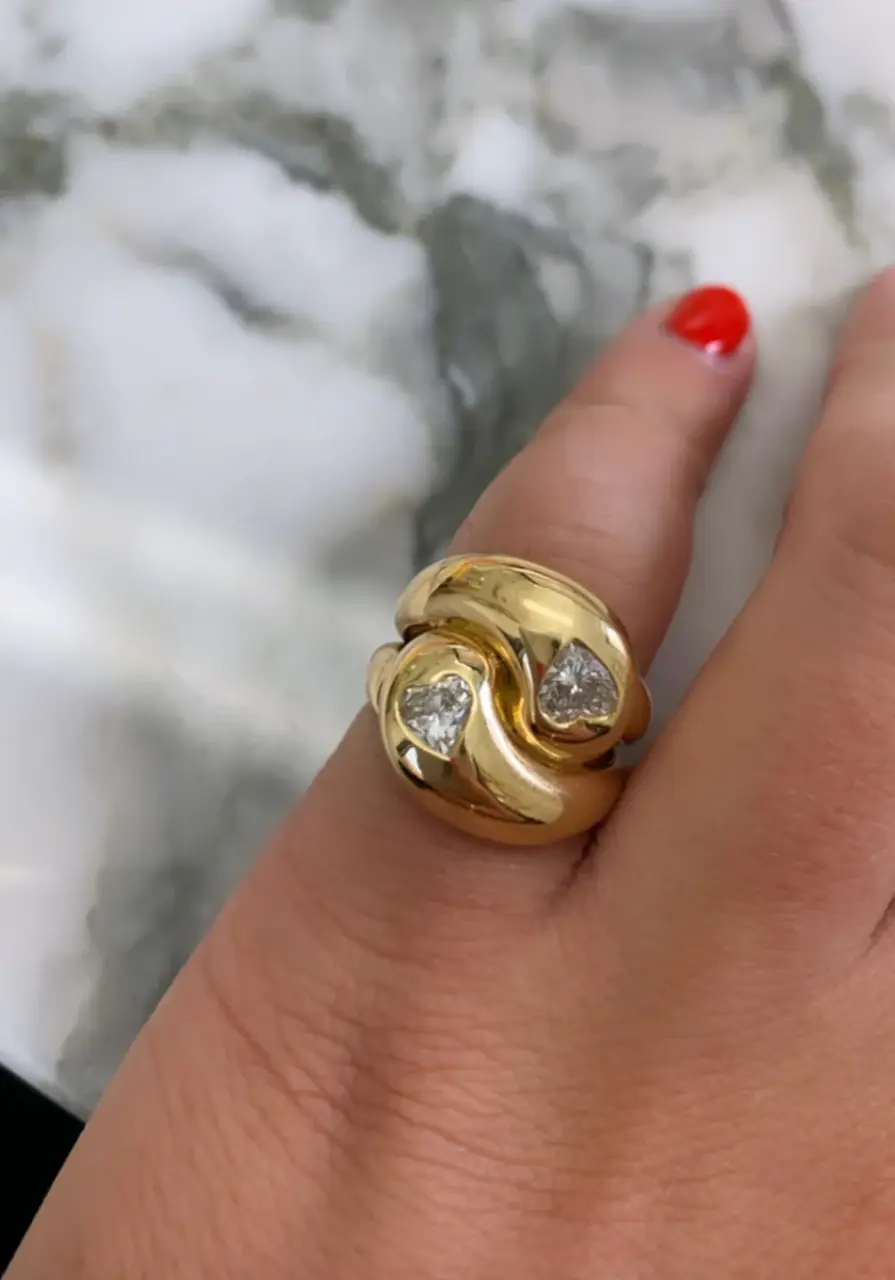
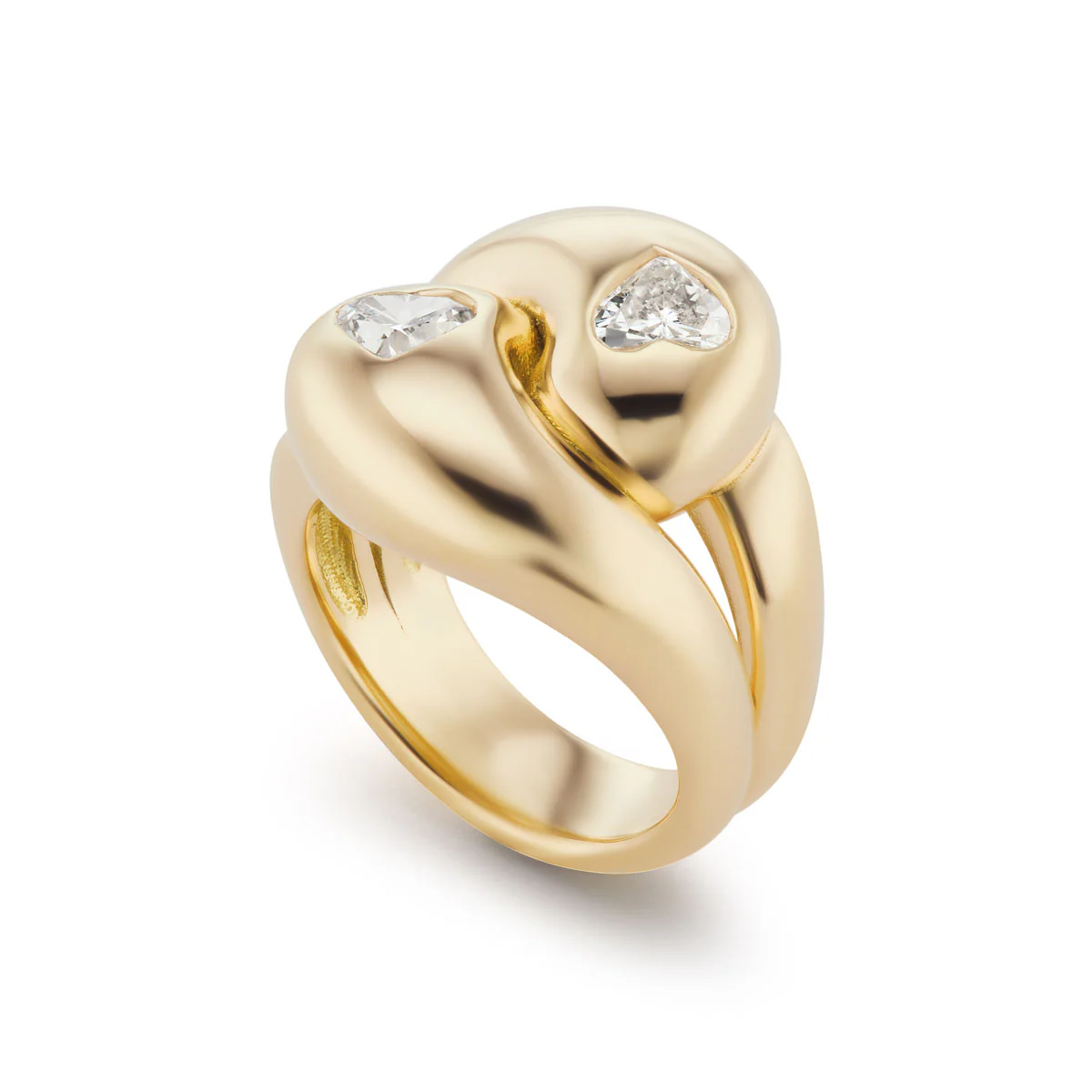
Playful, romantic, and curated designs that speak love. There’s something irresistible about a heart shaped engagement ring — it’s not just jewellery, it’s a little love note you wear on your finger.
See the collection ↓
Why this style matters
A shape that says
love — and means it.
Heart shaped engagement rings capture romance in every curve and sparkle, turning timeless emotion into designs that feel sweet, playful, and unmistakably personal. It’s the most literal way to wear your heart — quite literally — on your hand.
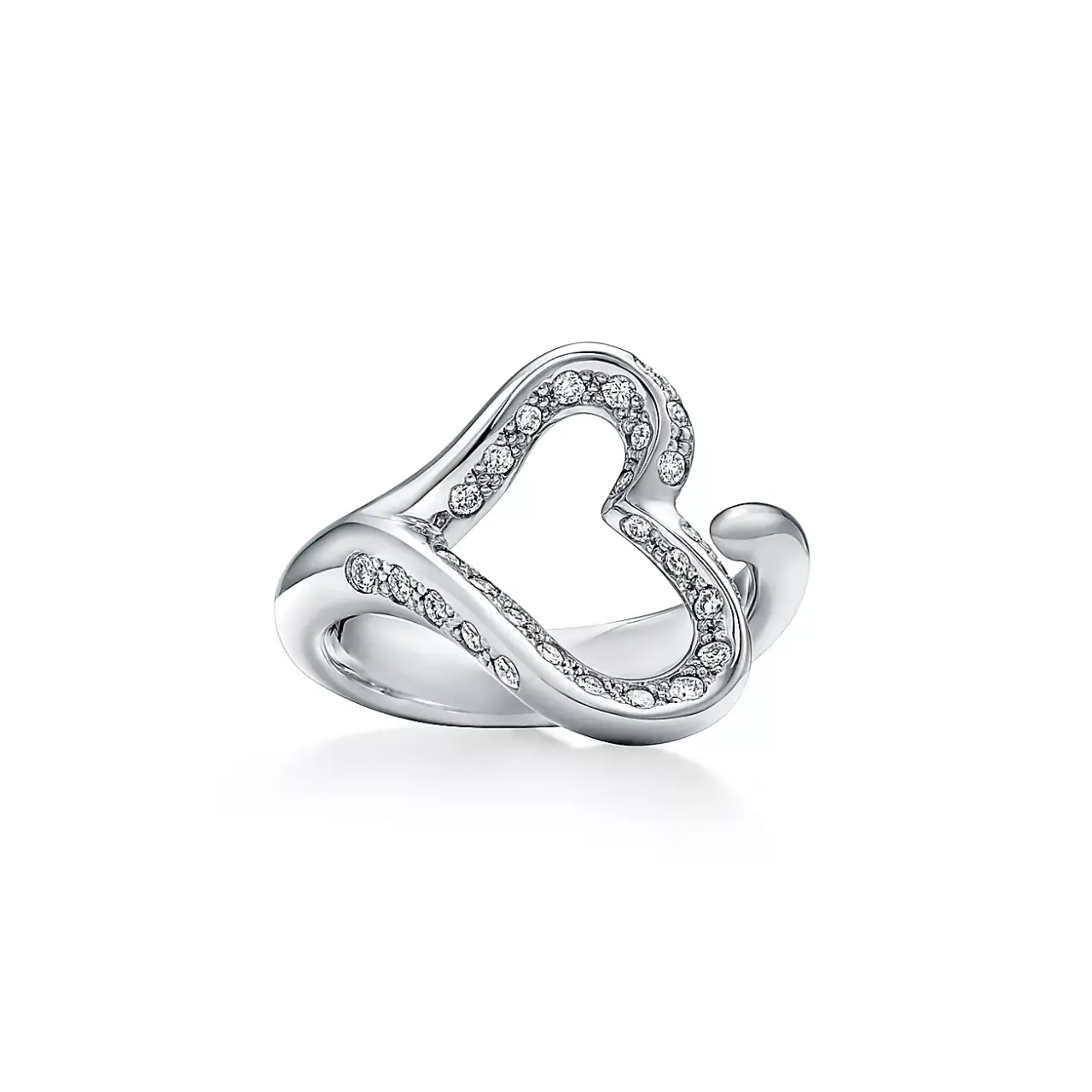
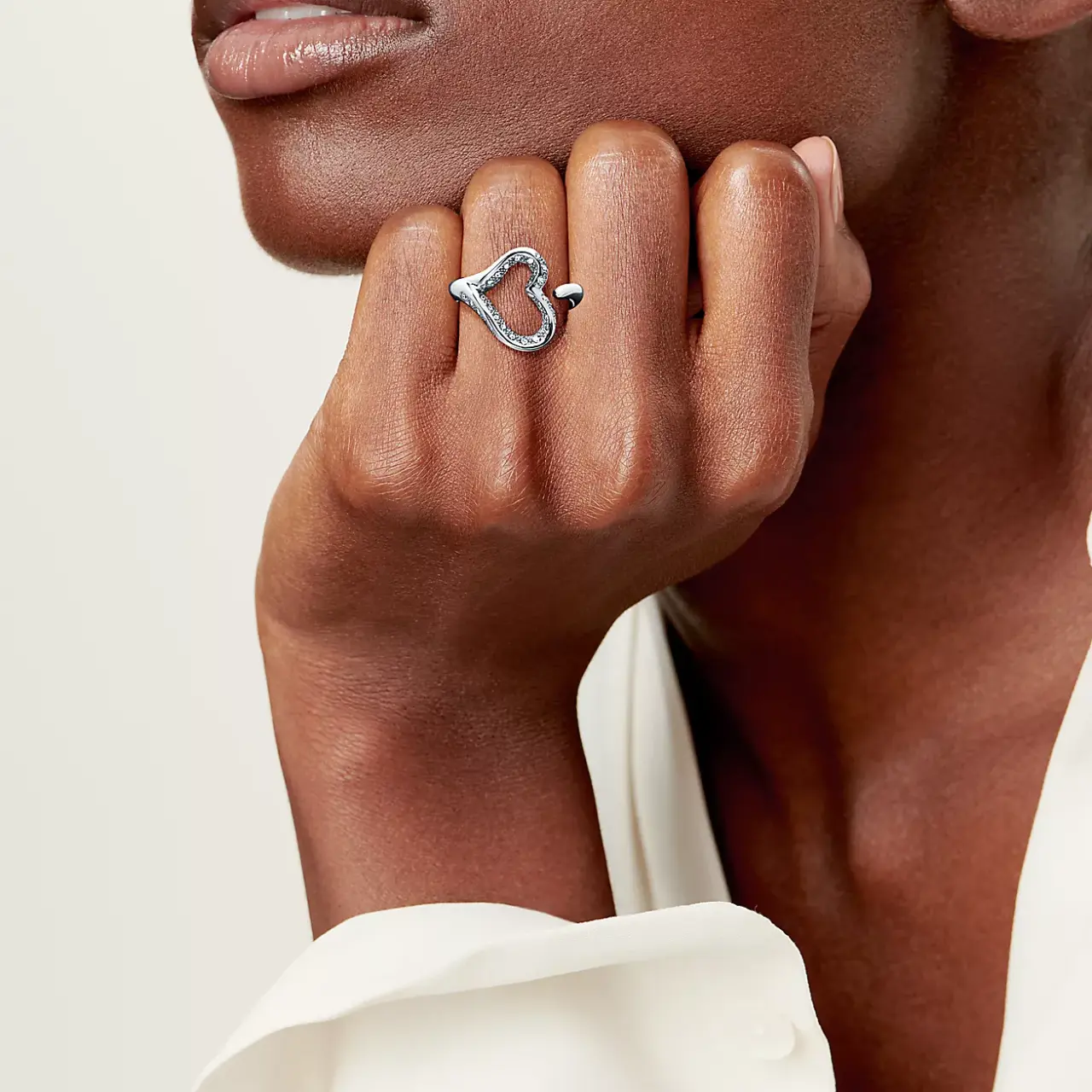
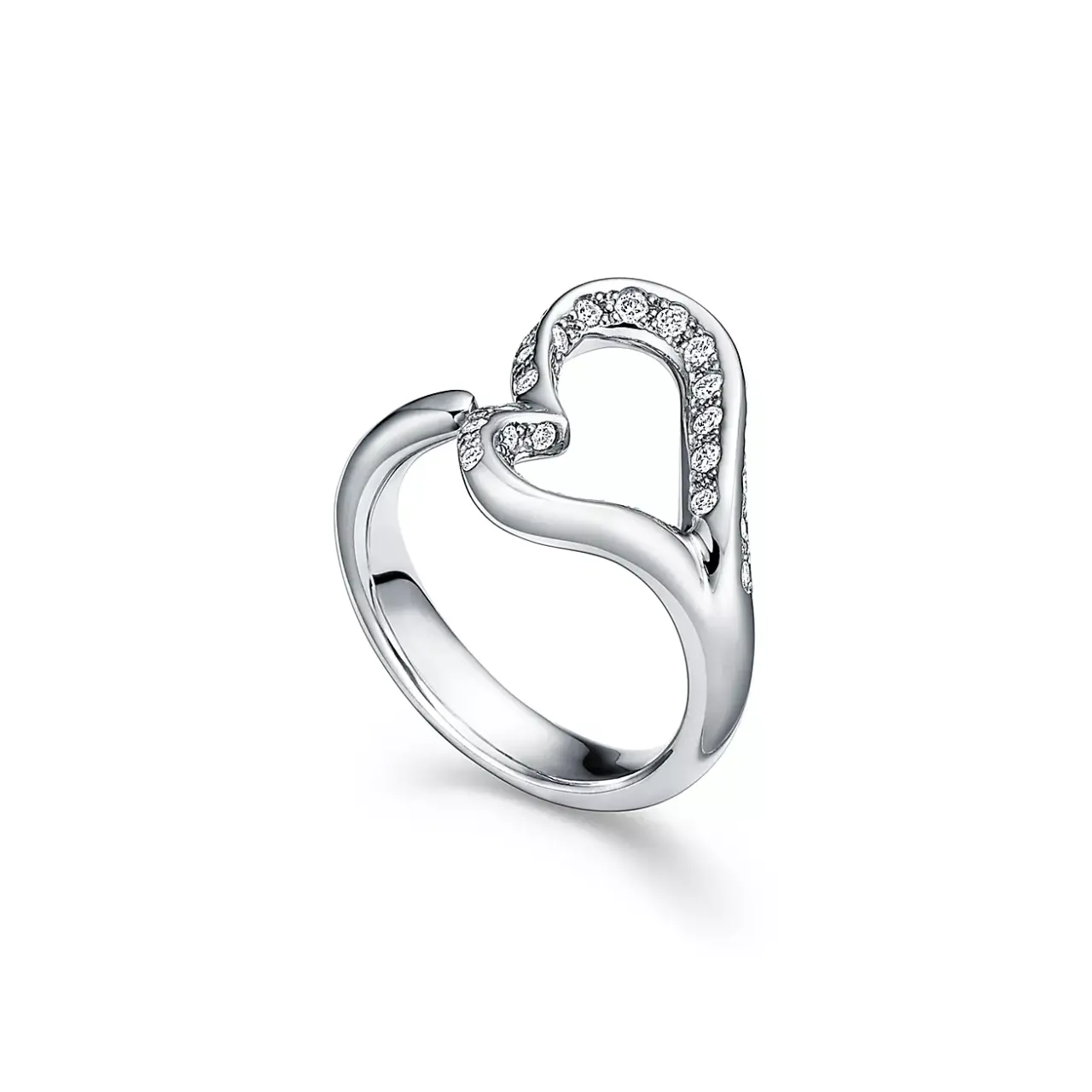
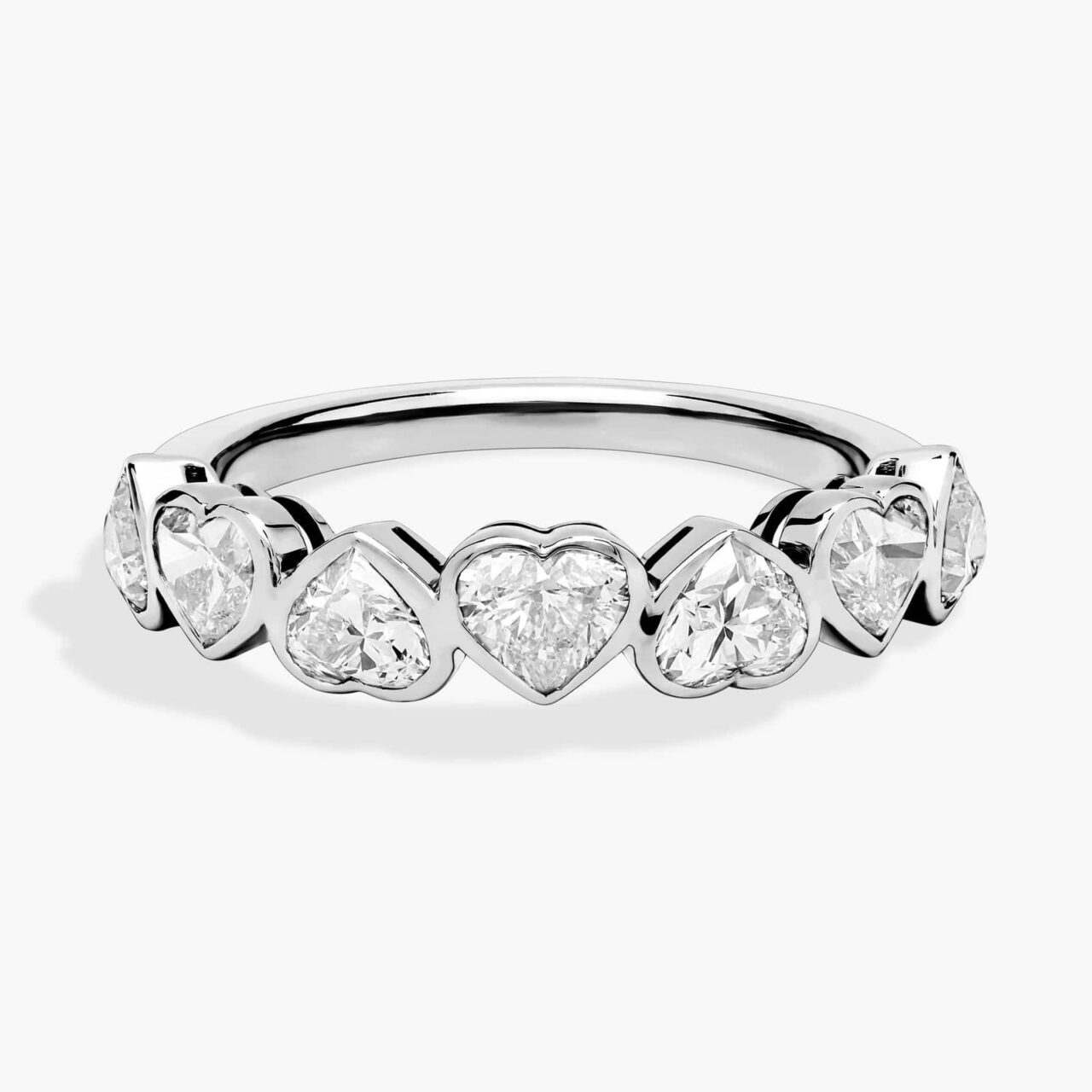
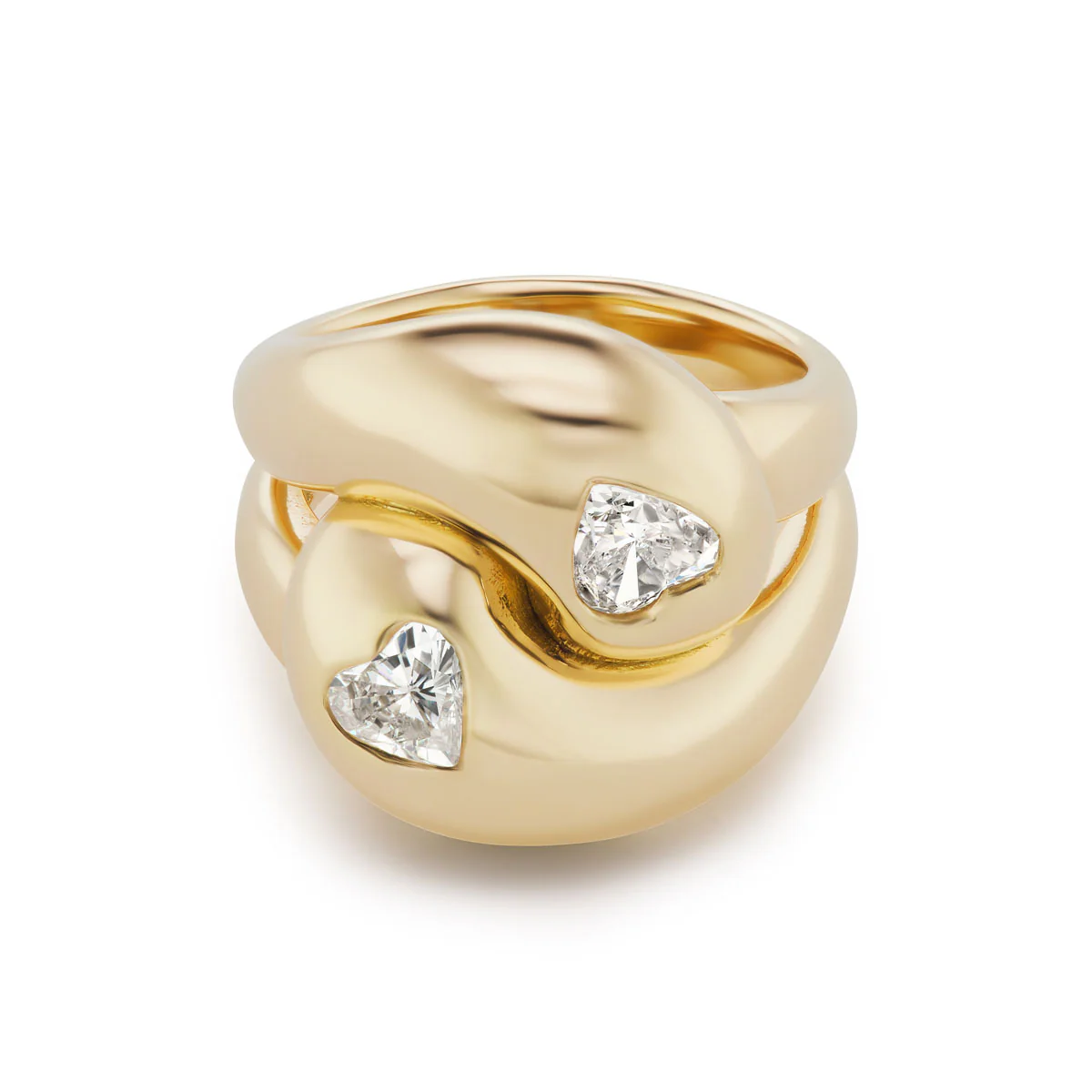
From delicate heart shaped diamond rings to sparkling diamond halos and bold gemstone centrepieces, this curated collection celebrates love in its most lovely form — handpicked from independent jewellery designers across the USA.
Not just jewellery — a little love note you wear on your finger.
Every ring in this collection is personally chosen for that feeling — scroll, swoon, and let your heart guide you.
What makes a heart shaped ring
Four things that make
the heart cut special.
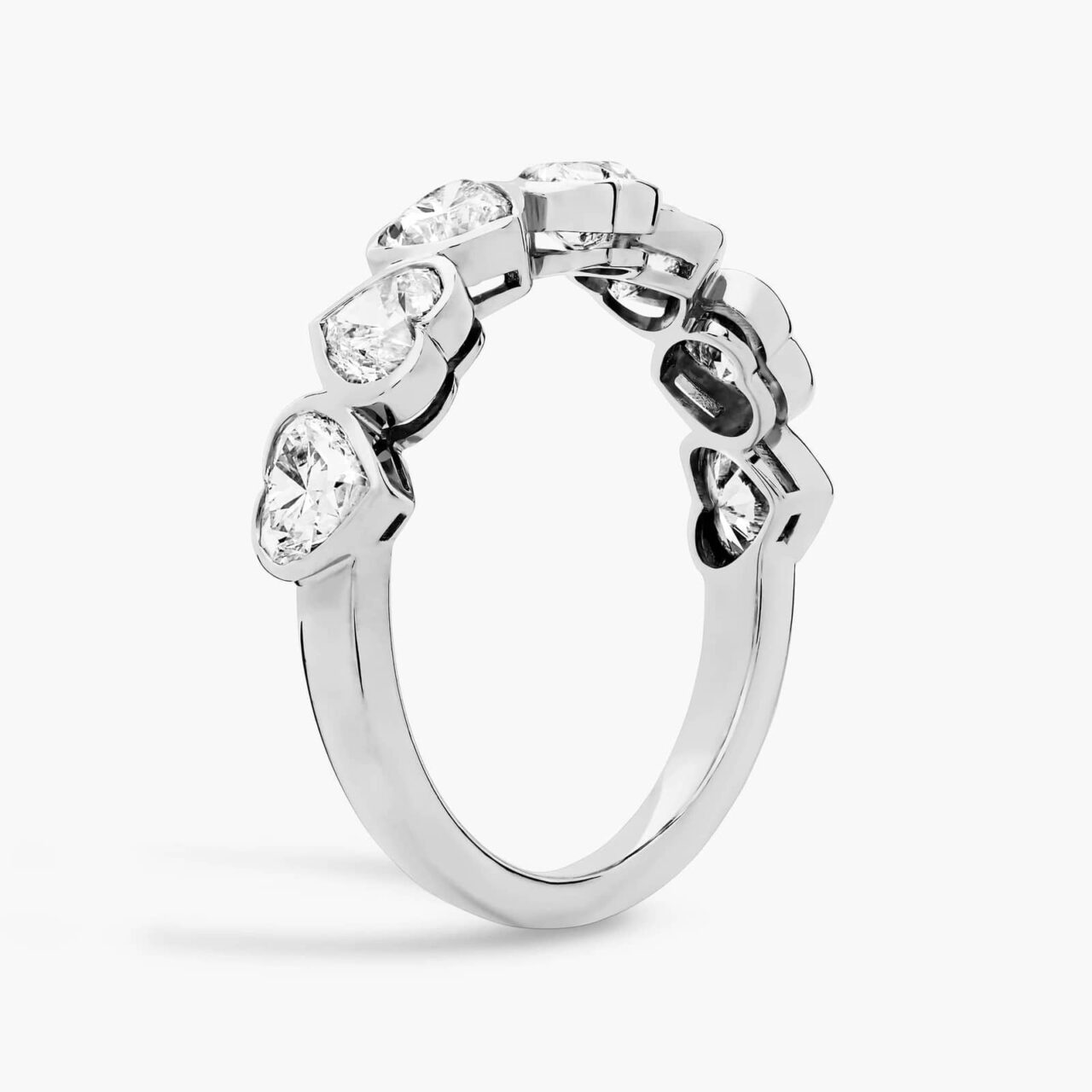
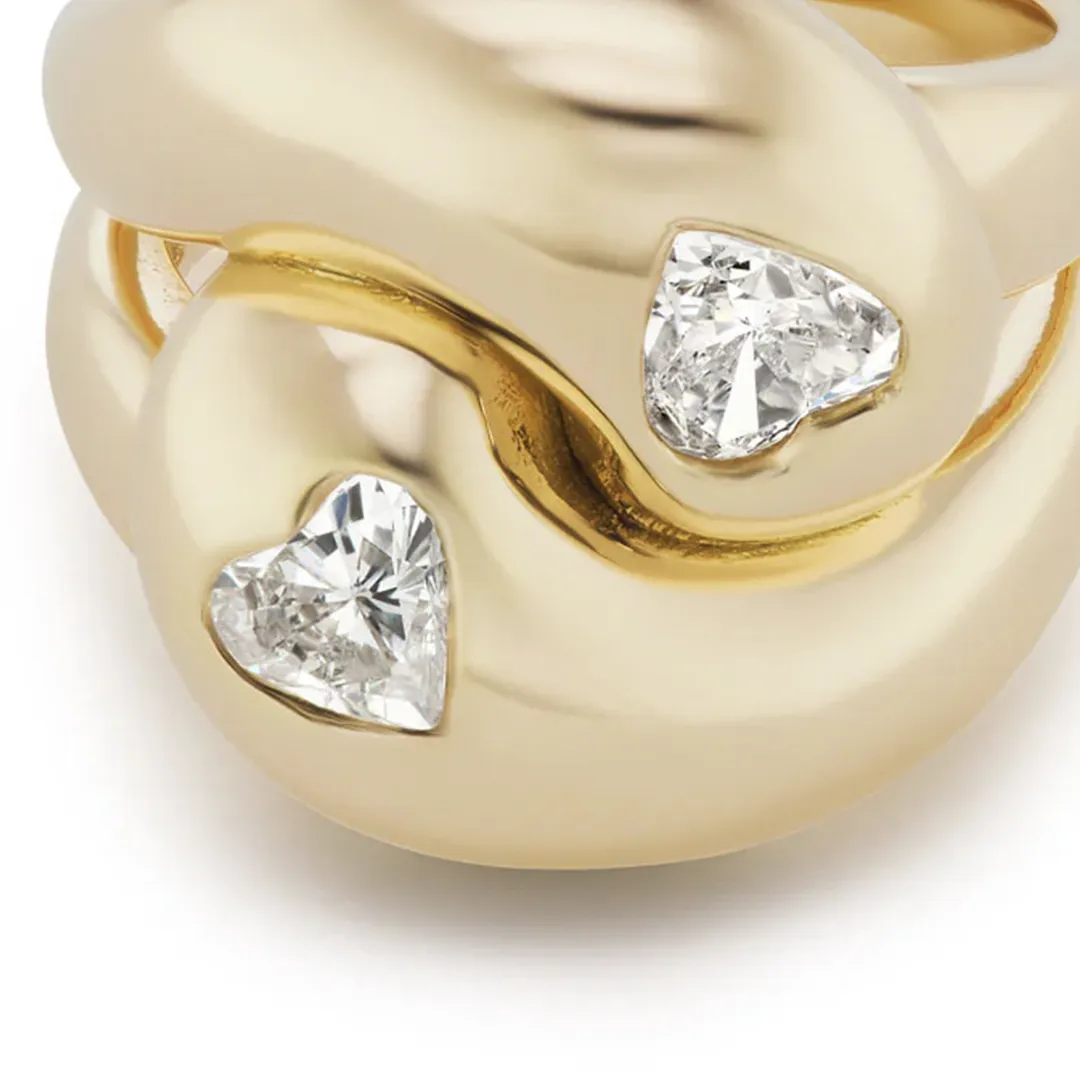
A heart shaped stone is one of the most distinctive and romantic diamond cuts there is — instantly recognisable and full of personality. Getting it right takes skill: the two halves must be symmetrical and the cleft well defined, which is exactly why a well-cut heart stone feels so special. It’s a shape that announces love without a single word.
The heart shaped signature
A heart cut diamond framed by a sparkling halo — the cut’s romance, amplified, and protected at its delicate points.
02
Symmetry and proportion
With a heart cut, symmetry is everything — the two lobes should mirror each other and the point should be crisp and centred. A slightly wider heart looks soft and classic; a longer one looks more elegant and modern. Choosing a well-proportioned stone is what makes the difference between a heart that looks charming and one that looks truly beautiful.
03
Settings that protect the point
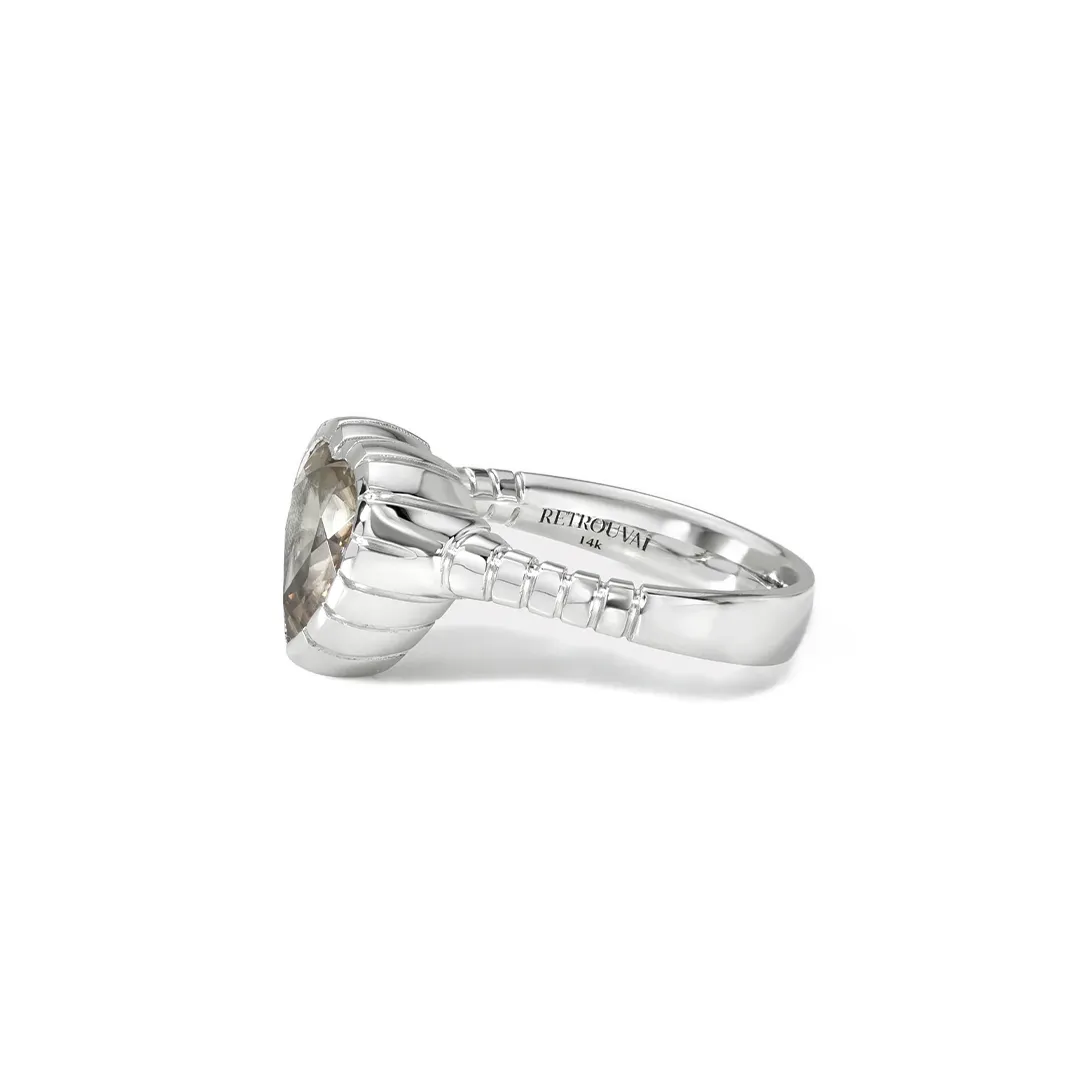
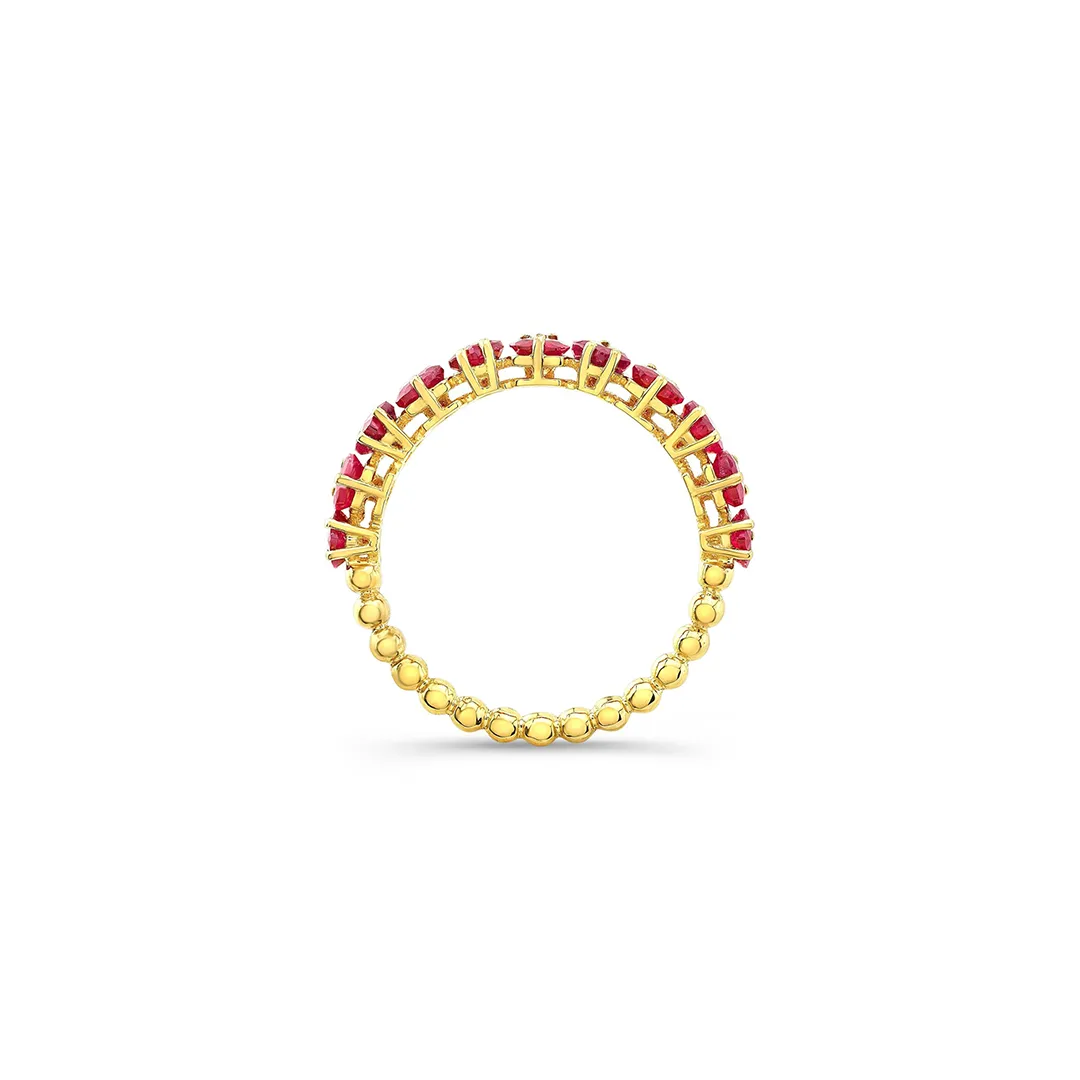
The pointed tip of a heart stone is its most delicate spot, so the setting matters. A prong at the point — or a protective halo — keeps the stone secure and the shape sharp. A good setting also frames the heart so the shape reads clearly from across the room. It’s where romance meets practicality, and both matter for daily wear.
04
Diamond or coloured gemstone
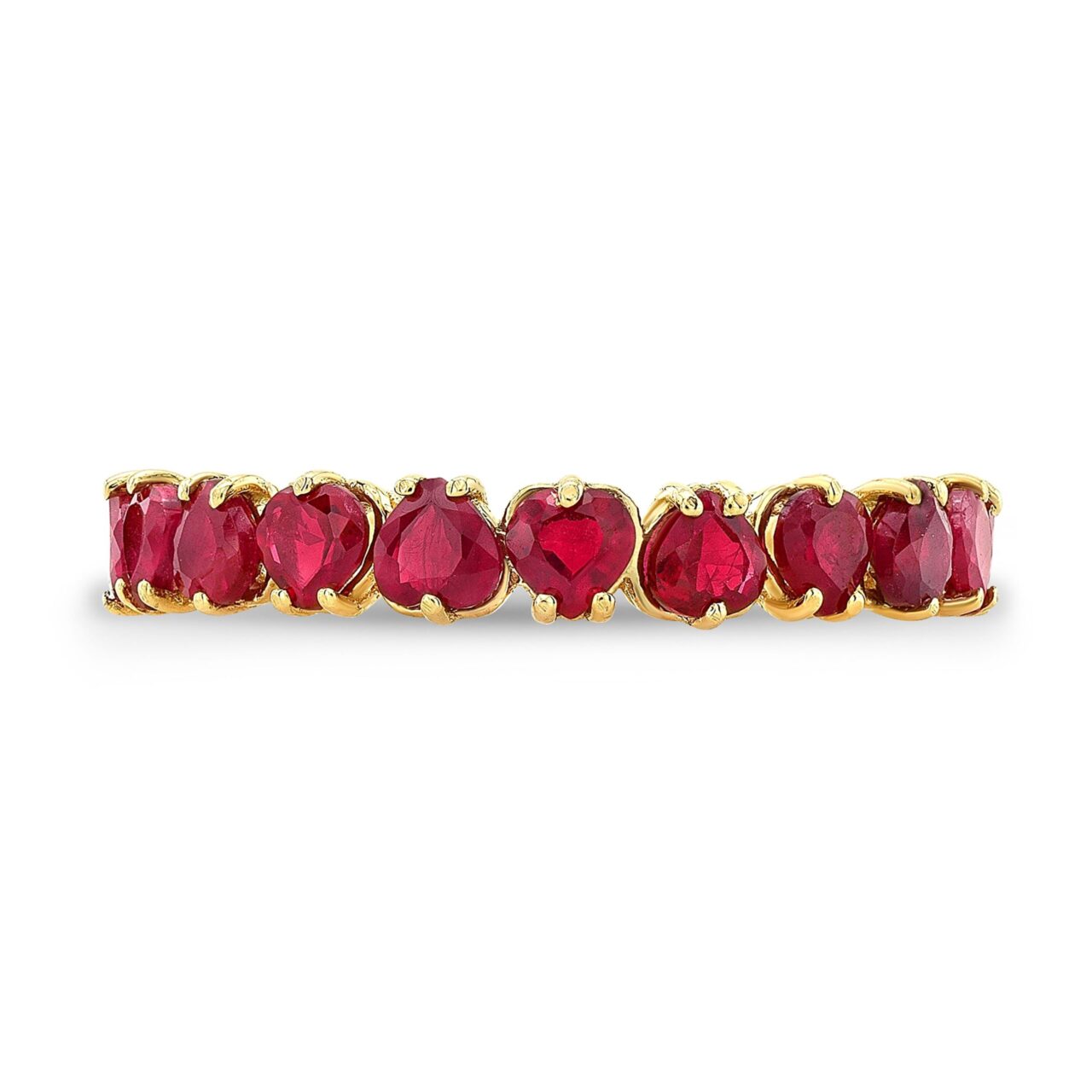
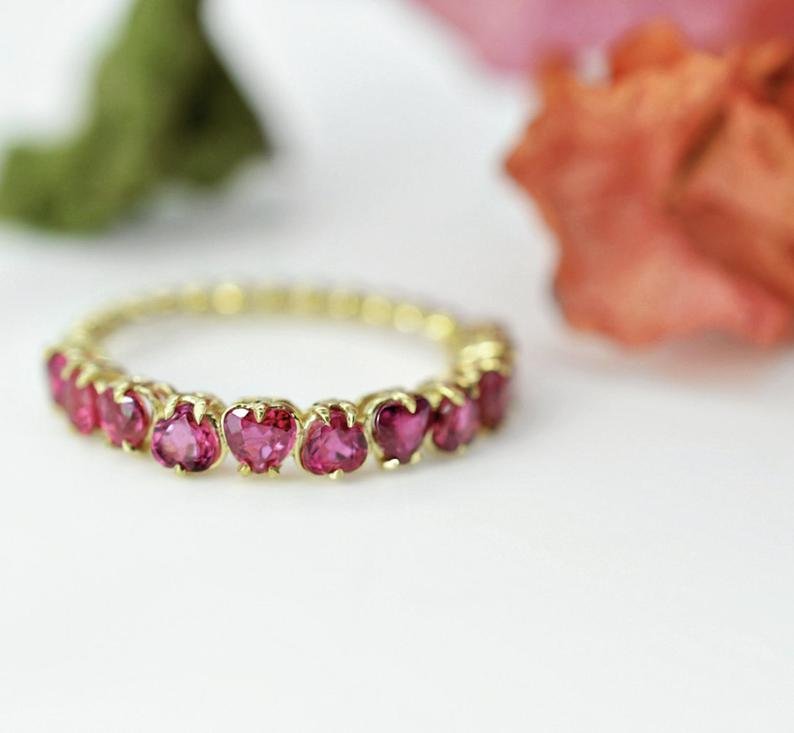
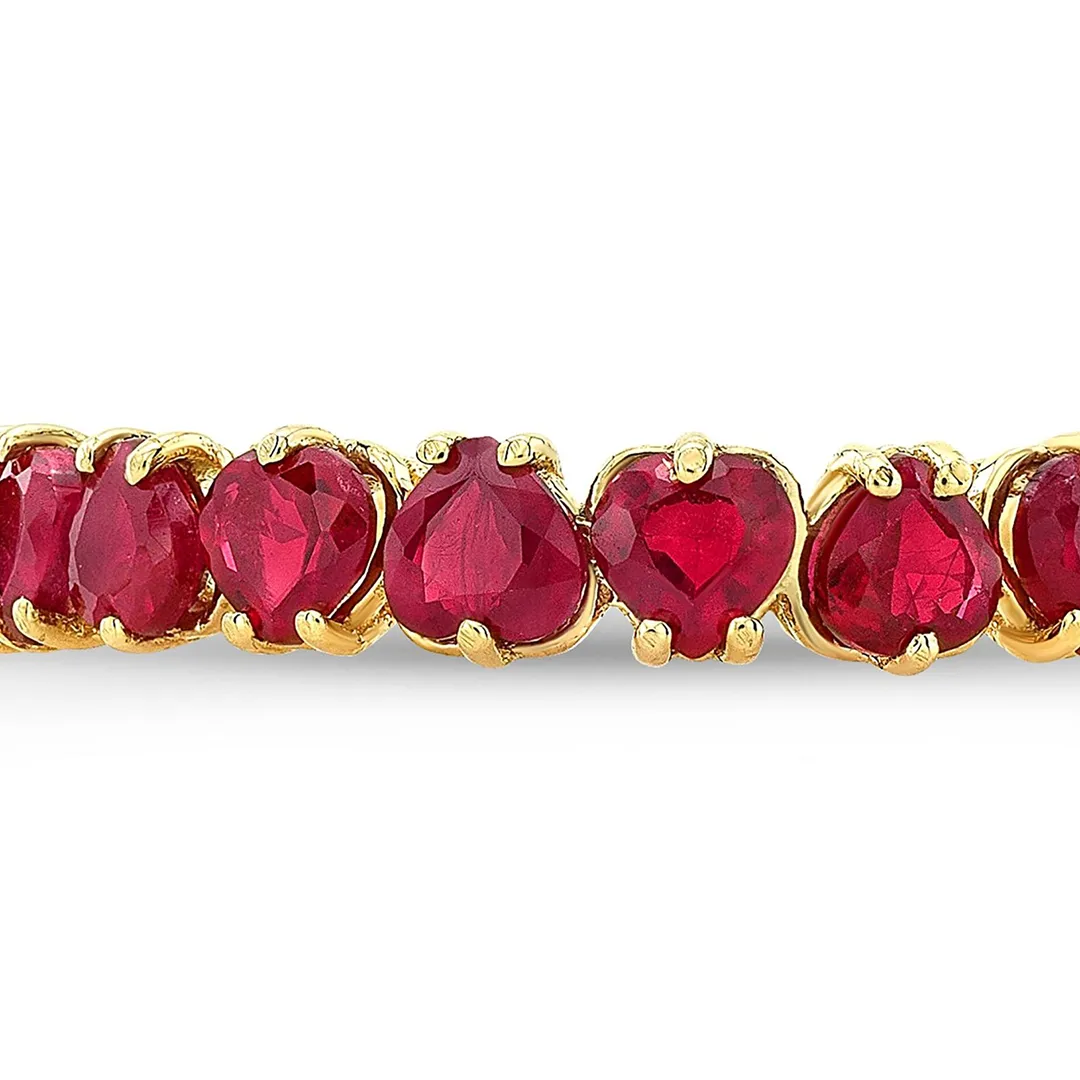
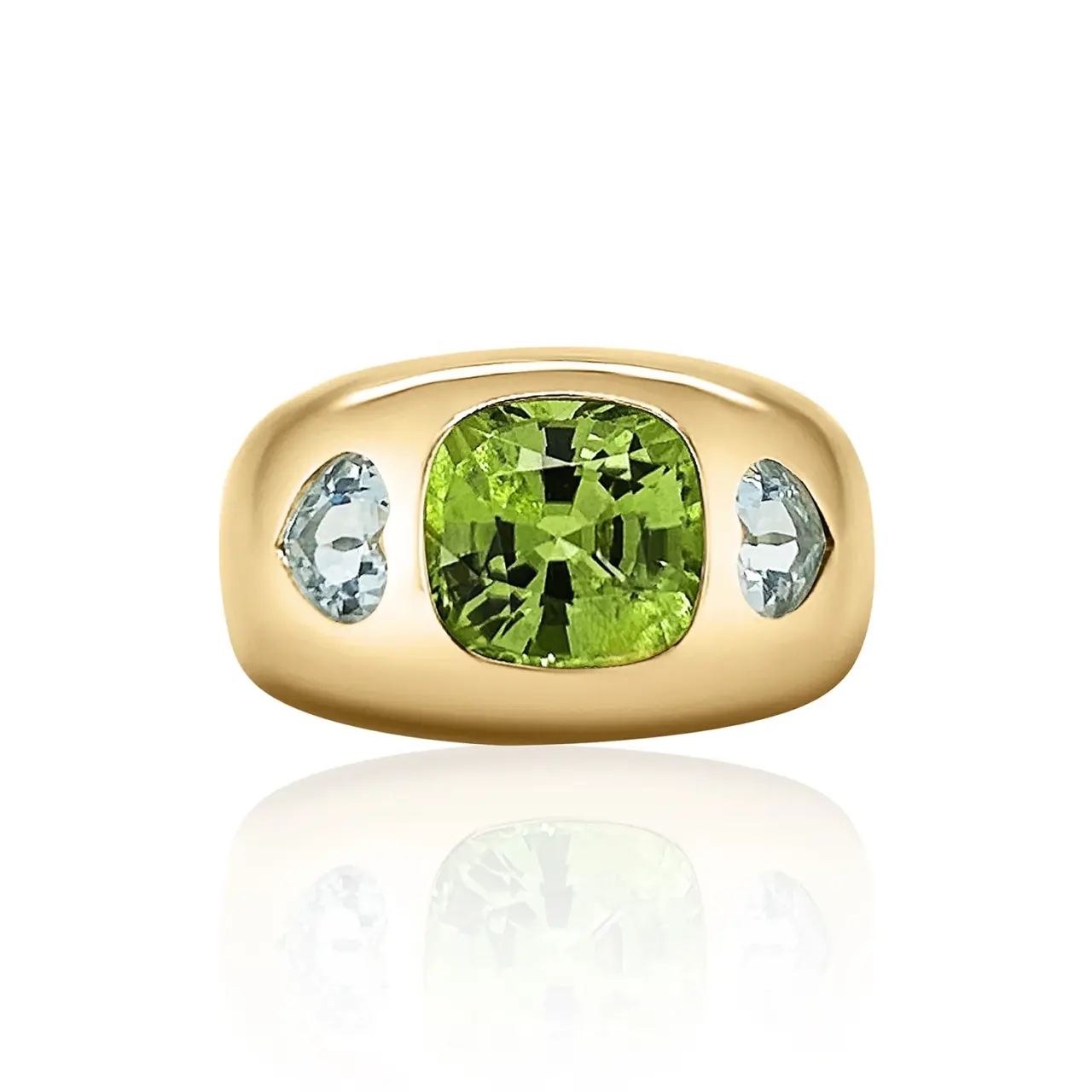
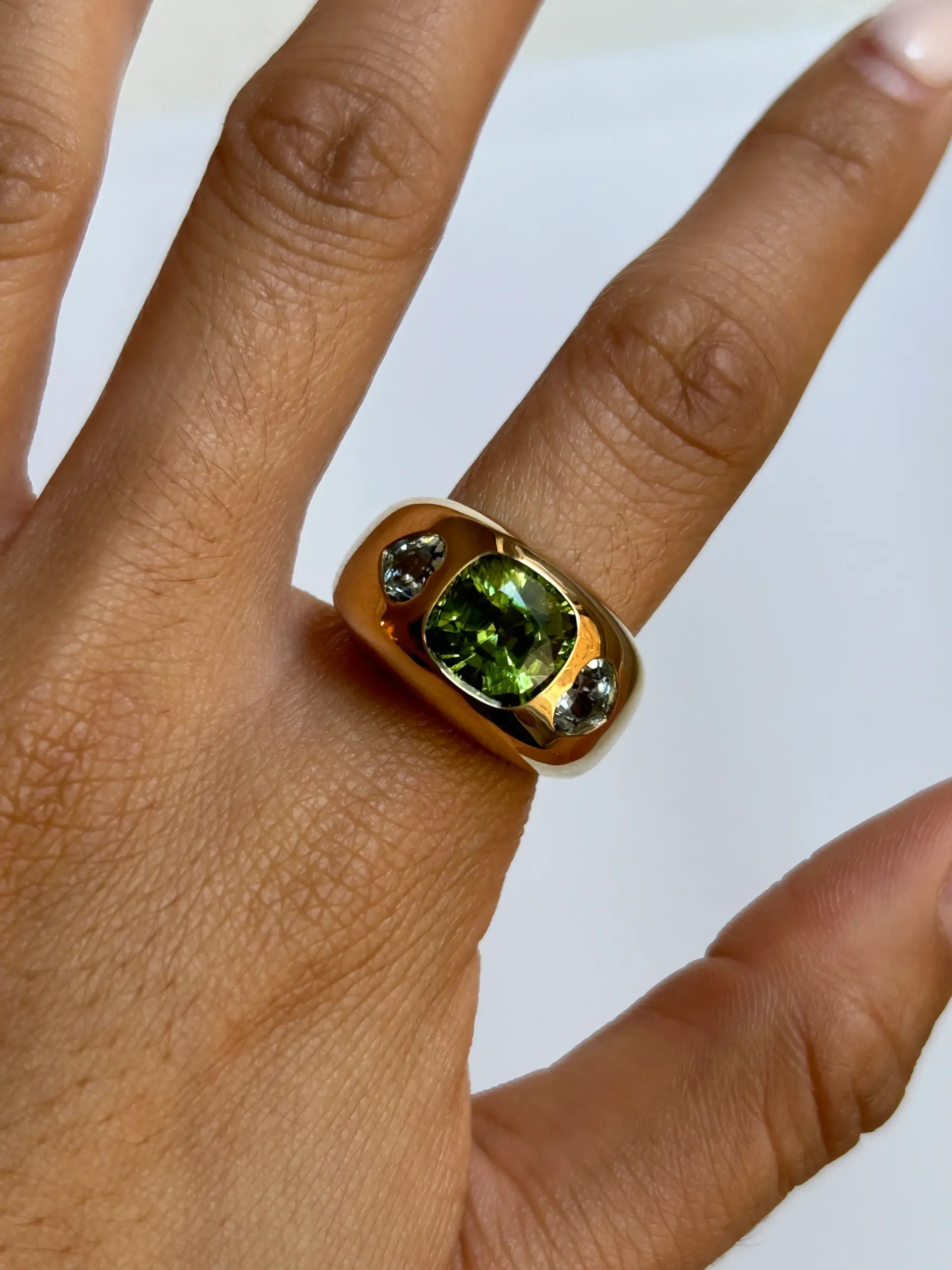
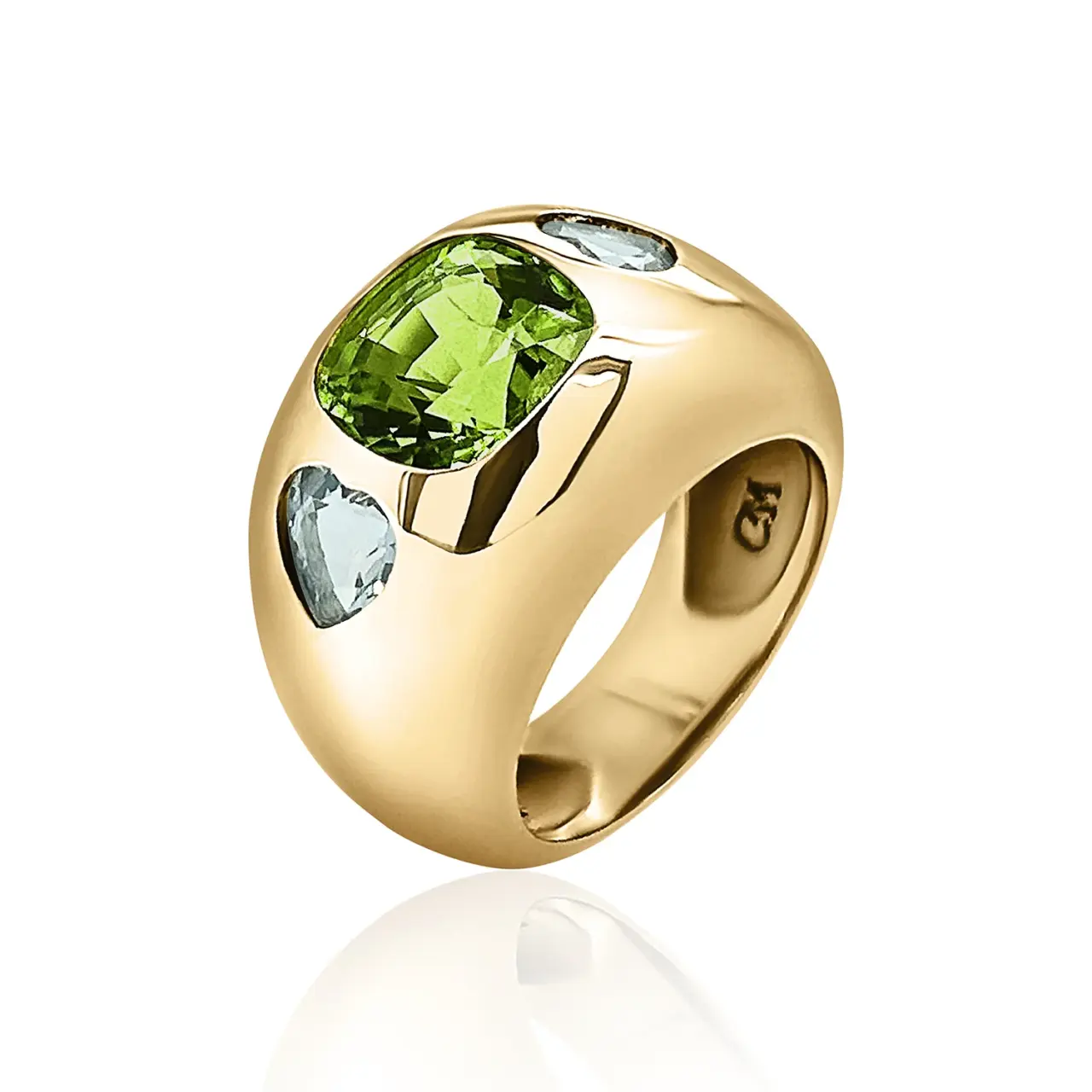
Heart cuts shine in diamonds and in colour alike — a classic diamond heart feels timeless, while a ruby, sapphire, or morganite heart adds bold personality and meaning. Coloured heart stones are a wonderfully romantic, slightly playful choice. Whichever you choose, the shape carries the same sweet message — it just changes the personality of how it’s said.
Common questions
FAQ — what people
actually ask.
What should I look for in a heart shaped diamond?
Symmetry above all — the two halves should mirror each other, and the cleft and point should be crisp and centred. Proportion is a matter of taste: wider hearts look soft and classic, longer ones more elegant. A well-cut heart with good symmetry will sparkle beautifully and read clearly as a heart, which is the whole point of choosing the cut.
Are heart shaped engagement rings practical for everyday wear?
They can be, with the right setting. Because the point is the most delicate part, look for a setting that protects it — a well-placed prong or a halo — and a secure, sensible profile. With good craftsmanship, a heart shaped ring wears beautifully day to day. If she’s hard on her hands, I can help you find one built to keep that lovely shape safe.
Can a heart shaped ring use a coloured stone?
Absolutely — and it’s gorgeous. A ruby, pink sapphire, or morganite heart adds bold colour and extra personality while keeping all the romance of the shape. Coloured heart stones feel playful and personal, and they’re a lovely way to make the ring uniquely hers while still saying exactly what a heart says.
Not sure which ring
is right for her?
Tell me about her — her profession, her life, her taste. I’ll personally curate 5 rings chosen just for her, free, within 24 hours.
Get a personal curation →